BLOGS
How to Keep Your Home Cool in Tulsa Summer Without Skyrocketing Bills
There is a special kind of dread that comes with opening your electric bill in late July, especially after running your AC nonstop for weeks just to keep your house livable. If that sounds painfully familiar, you are definitely not alone.
Figuring out how to keep your home cool, Tulsa summer after summer, without watching your bill spiral is one of the most common challenges local homeowners deal with every single year.
Here is our promise. The strategies in this guide go beyond the obvious "set your thermostat higher" advice. We will cover practical, often overlooked ways to keep your home comfortable, where your cooling dollars are actually going, and a few smart habits that add up to real savings without sacrificing comfort during the hottest stretch of the year.
Why Tulsa Summers Are So Hard on Your Budget
Tulsa does not ease into summer. Temperatures regularly climb into the 90s, often with humidity that makes it feel even hotter, and that combination means your AC is working overtime for weeks at a stretch. Unlike a milder climate where your system gets occasional breaks, Tulsa homes often rely on continuous cooling from June through September, and that adds up fast on a monthly bill.
Understanding this reality is the first step. The goal is not to find one trick that solves everything, but to stack several smaller habits that collectively reduce how hard your system has to work. These simple changes work together to help homeowners achieve lower cooling costs throughout the summer.
Start With Your Home's Heat Sources
Before adjusting anything related to your AC itself, it helps to reduce how much heat enters your home in the first place.
- Close blinds or curtains during peak afternoon sun, especially on south and west-facing windows
- Avoid using the oven during the hottest part of the day, since it adds noticeable heat to your kitchen
- Run the dishwasher and laundry in the evening when temperatures start to drop
- Check for air leaks around windows and doors, since even small gaps let cooled air escape
These small adjustments reduce the overall heat load your AC has to fight against, which translates directly into less runtime and lower bills. If your AC is still running constantly despite these changes, professional
AC repair in Sapulpa can help identify issues such as poor airflow, refrigerant problems, or an aging system that may be making your cooling costs higher than they should be.
Smart Thermostat Habits That Actually Save Money
Many homeowners think the best strategy is to constantly adjust the thermostat throughout the day. In reality, consistency tends to save more energy than frequent changes.
- Set a comfortable, consistent temperature rather than adjusting it up and down repeatedly
- Raise the temperature slightly when you are away, then let it adjust back about 30 minutes before you return
- Avoid setting it dramatically lower when you first get home, since your AC cools at the same rate regardless of the target temperature
- Consider a programmable or smart thermostat if you do not already have one
Use Airflow to Your Advantage
Moving air feels cooler than still air, even at the same temperature, and this is one of the easiest ways to stay comfortable without leaning harder on your AC.
- Use ceiling fans in occupied rooms, which allow you to raise the thermostat a couple of degrees. This is one of the easiest cost-effective cooling strategies because it improves comfort without overworking your AC.
- Run fans only in rooms you are actually using, since fans cool people, not empty spaces
- Make sure furniture is not blocking vents or registers, which restricts airflow
Pointers for Long-Term Savings
- Replace your air filter regularly, since a clogged filter restricts airflow and reduces efficiency
- Schedule a professional AC tune-up early in the season to catch small issues before they force your system to work overtime
- Check your attic insulation, since poor insulation lets heat seep into your living space
- Have a technician check your
duct work for leaks, since gaps can waste cooled air
When Your AC Itself Might Be the Problem
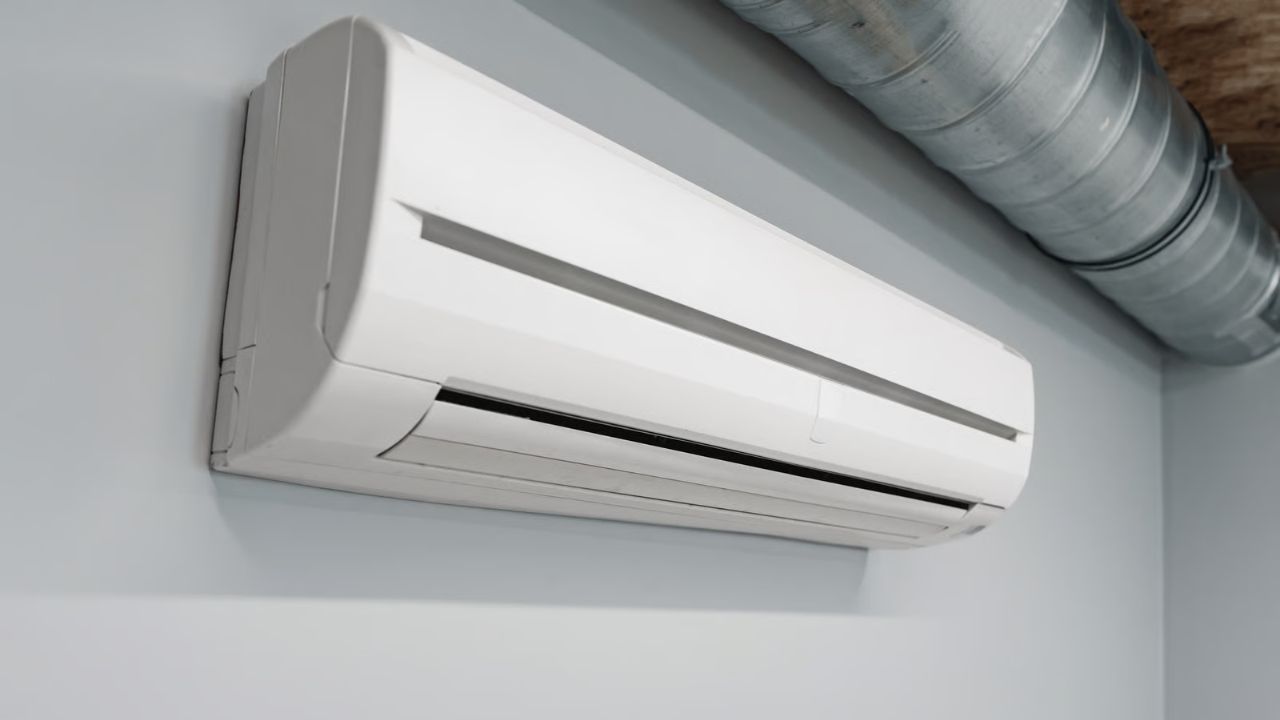
If you have made these adjustments and your bills are still climbing, the issue might be your system rather than your habits. Aging equipment, low refrigerant, or an undersized or oversized unit can all quietly drive up energy use, no matter how careful you are at home. Poor humidity control can also make your home feel warmer, causing your air conditioner to run longer than necessary. In these cases, a professional evaluation of your air conditioning system can identify whether repair, maintenance, or eventually replacement is the more cost-effective path forward.
Why Tulsa Homeowners Trust Air Masters Inc.
Air Masters Inc. has helped homeowners across Tulsa, Jenks, Broken Arrow, Glenpool, Bixby, and Sapulpa stay comfortable through brutal Oklahoma summers for almost three decades. We are family-owned, hold a valid Oklahoma State Mechanical License, and our technicians understand exactly what it takes to keep a Tulsa home cool without an unreasonable energy bill.
Conclusion
Keeping your home cool, Tulsa summer after summer, without a painful bill comes down to a combination of small, consistent habits rather than one single fix. Reducing heat gain, using smart thermostat settings, and staying on top of maintenance can make a real difference by August.
If your bills still feel too high despite your best efforts, reach out to
Air Masters Inc., and our team will help you figure out what is actually driving up your costs.
Frequently Asked Questions
What temperature should I set my thermostat to in summer?
A common recommendation is around 78 degrees when at home and a few degrees higher when away, though personal comfort varies. Consistency matters more than the exact number.
Do ceiling fans actually reduce cooling costs?
Yes, when used in occupied rooms. Fans make the air feel cooler, allowing you to raise the thermostat without losing comfort, but they should be turned off in empty rooms.
How often should I replace my air filter in summer?
Checking monthly during peak summer use and replacing it when visibly dirty is generally recommended, rather than waiting for a fixed schedule.
Can duct leaks really increase my cooling bill?
Yes. Leaky ductwork can allow a significant amount of cooled air to escape before it reaches your rooms, forcing your system to run longer than necessary.
Is it cheaper to leave the AC running all day instead of adjusting it?
For most homes, a consistent setting with slight adjustments while away tends to be more efficient than constant manual changes throughout the day.