BLOGS
Commercial HVAC Installation in New Construction: Planning for New Buildings
Building something new in Tulsa is exciting, but the comfort system inside those walls deserves just as much attention as the foundation. Commercial HVAC installation in new construction is not something you bolt on at the end. It shapes how your building breathes, performs, and serves the people inside it for decades.
We have spent years helping builders, developers, and business owners get this right from day one. Below, we walk you through what smart planning actually looks like and why getting it right early saves you money, headaches, and callbacks.
Why HVAC Planning Belongs in the Blueprint Stage
The biggest mistake we see is treating heating and cooling as an afterthought. When HVAC system design is rushed at the end, you end up with cramped equipment spaces, awkward duct runs, and rooms that never feel quite right.
Early planning lets us coordinate with your architect and general contractor before walls go up. That coordination means cleaner installs, better airflow, and fewer surprises during inspection.
It also protects your budget. Reworking ductwork or relocating a unit after framing is finished costs far more than designing it correctly the first time.
Sizing the System Correctly for Your Building
Bigger is not always better, and neither is smaller. An oversized unit short-cycles, wastes energy, and wears out faster. An undersized one runs constantly and never keeps up.
We rely on accurate load calculations to match equipment to your actual space. These factors include square footage, ceiling height, insulation, window placement, occupancy, and how the building will be used day to day.
A restaurant kitchen, a medical office, and a warehouse all have very different needs. Accurate heating and cooling load math is the foundation of a system that performs efficiently for years.
Choosing the Right Commercial HVAC System
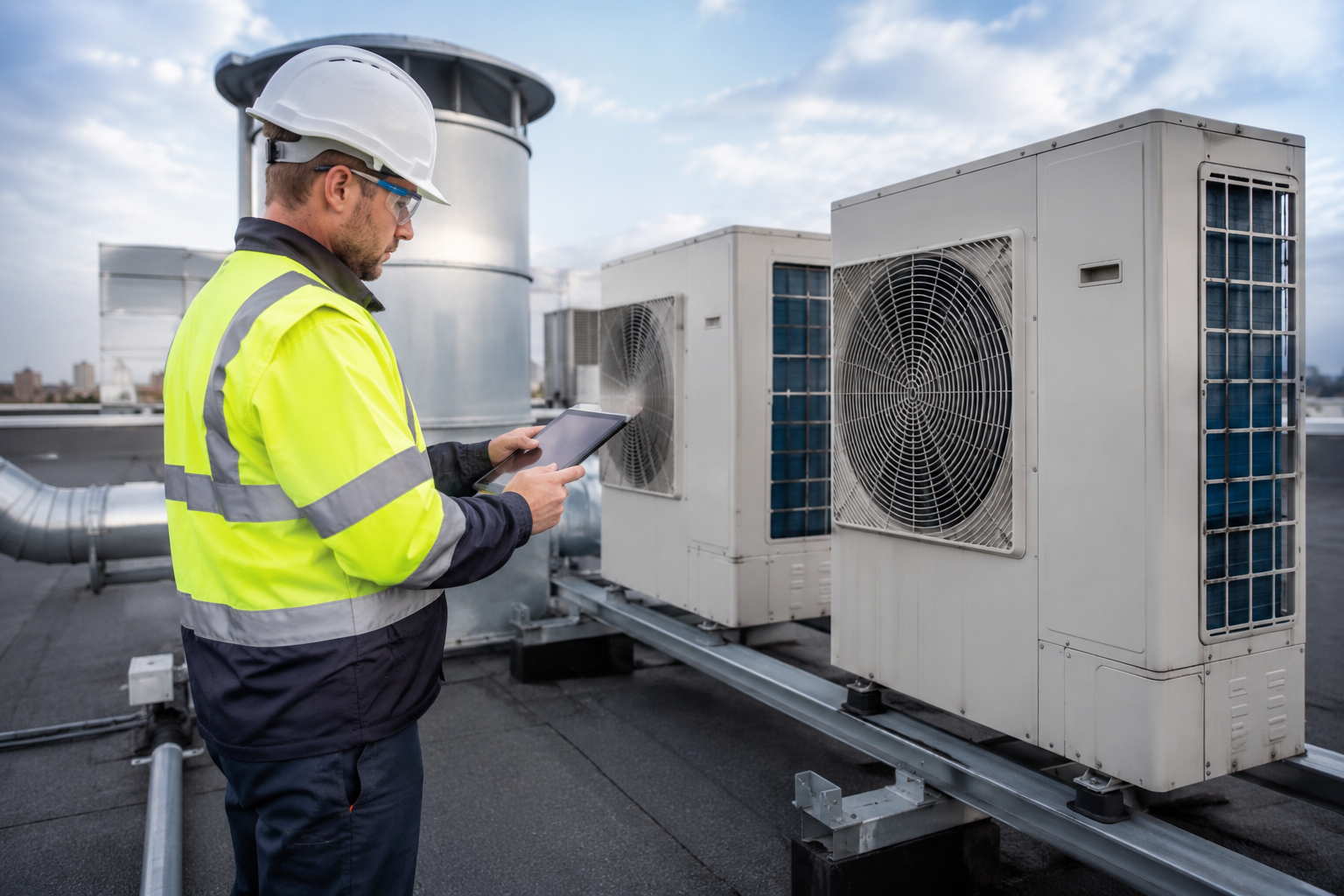
New construction gives you a rare advantage: you get to pick the ideal system instead of working around an old one. The right choice depends on your building layout, usage, and long-term goals.
- Rooftop Units and Packaged Systems: Many commercial buildings benefit from rooftop units, which keep equipment off the ground and free up valuable interior space. These packaged systems are efficient, easier to service, and ideal for single-story retail or office spaces.
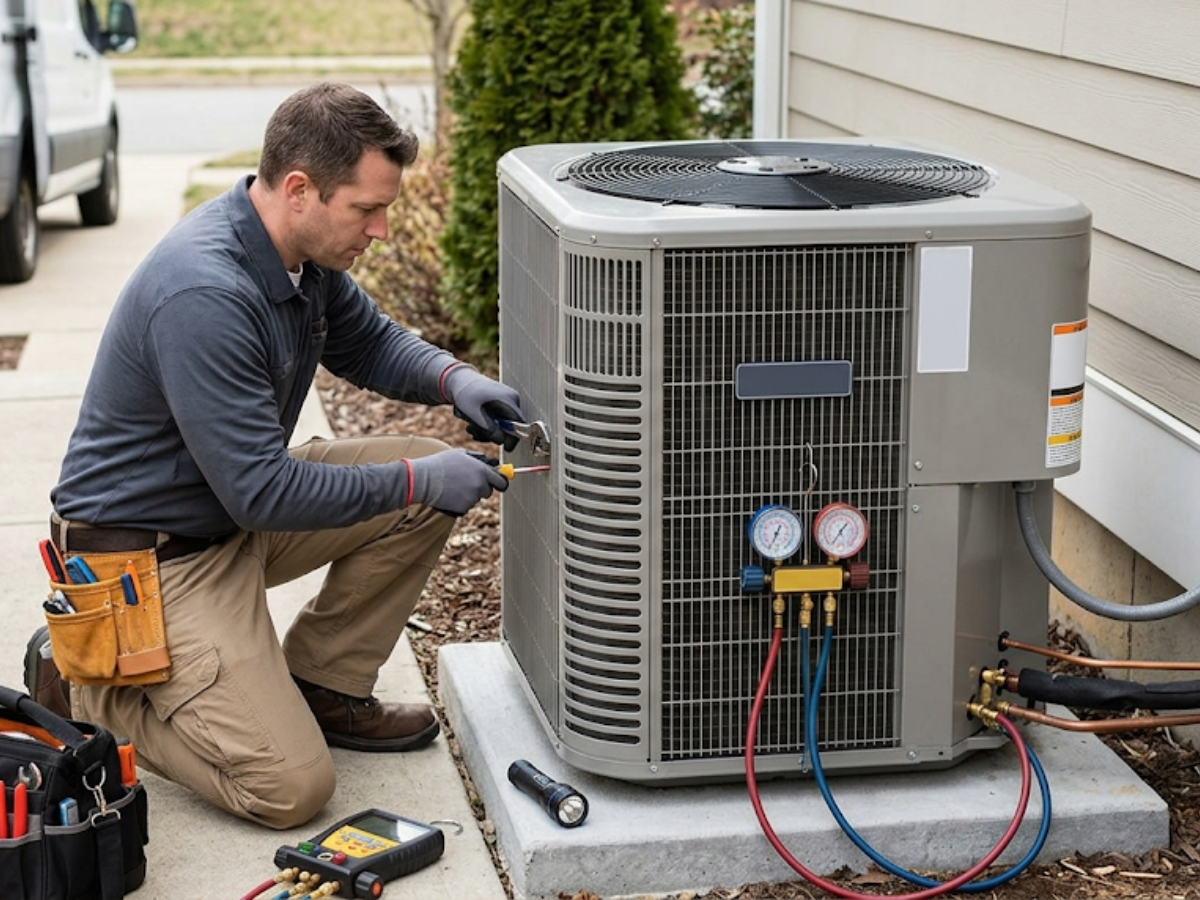
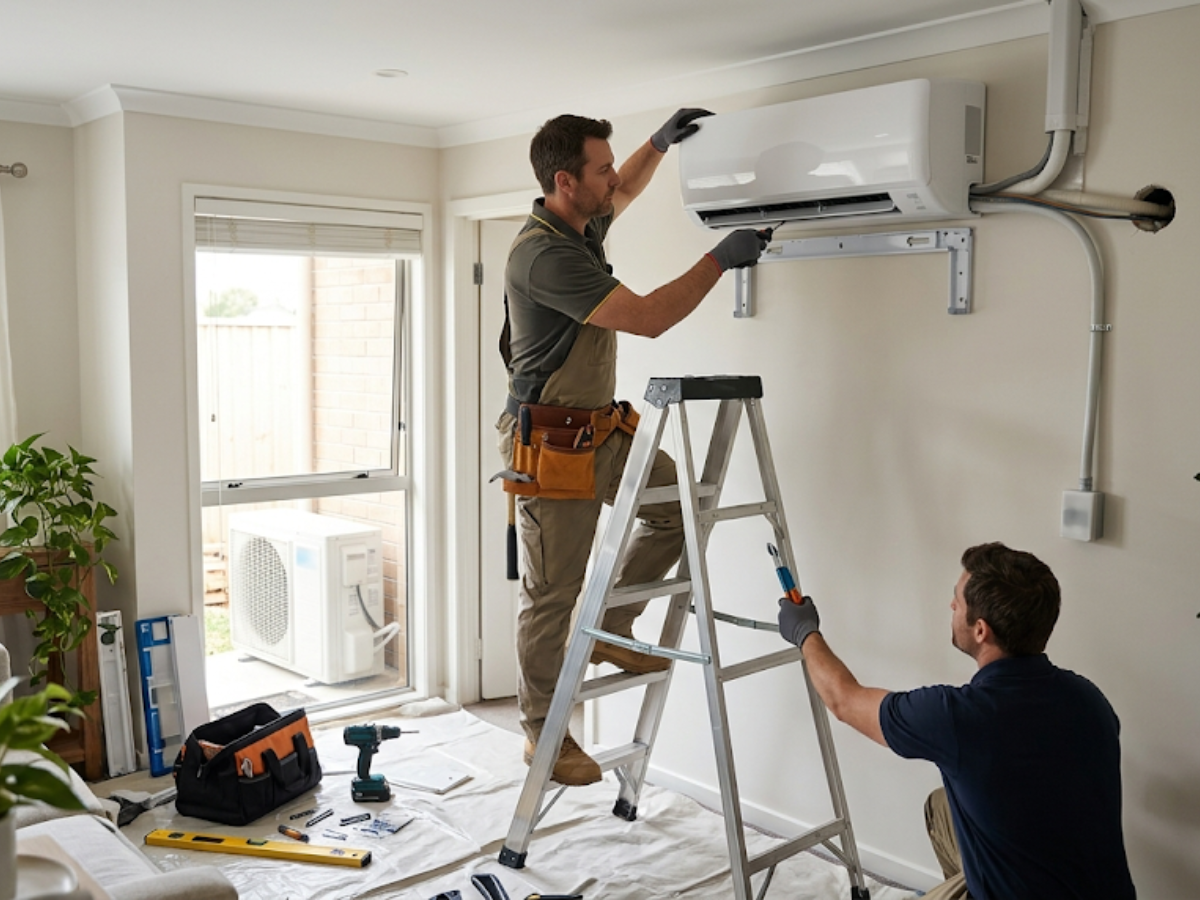
- Split Systems and Heat Pumps: For buildings with varied zones, split systems and heat pumps offer flexible control. Heat pumps are especially appealing because they handle both heating and cooling with a single energy-efficient unit, which matters during Oklahoma's swing seasons.
- Zoning for Comfort and Efficiency. HVAC zoning lets different areas of your building maintain their own temperatures. A sunny conference room and a shaded storage area no longer have to fight over one thermostat, and your energy bills thank you for it.
Ductwork Design That Actually Works
Even the best equipment fails to deliver if the ductwork is poorly designed. Leaky, undersized, or badly routed ducts waste energy and create hot and cold spots throughout the building.
We design duct systems for balanced air distribution, proper static pressure, and quiet operation. Sealing and insulating those ducts during construction keeps conditioned air where it belongs.
Good duct planning also accounts for indoor air quality. Fresh-air intake, filtration, and proper ventilation are far easier to build in now than to retrofit later.
Energy Efficiency and Long-Term Savings
A new building is a chance to lock in lower operating costs from the start. High-efficiency equipment with high SEER2 ratings uses less energy to deliver the same level of comfort.
Pairing efficient units with smart thermostats and tight ductwork can meaningfully reduce monthly bills. Over the life of the building, those savings add up to real money.
Many high-efficiency systems may also qualify for energy tax credits, so it pays to ask about current incentives before you finalize your equipment choices.
Timing the Installation Within the Build
HVAC work happens in phases, and timing matters. The rough-in stage, where we set ductwork, refrigerant lines, and electrical connections, has to align with framing and other trades.
We coordinate closely so our crew is on site at the right moments. This keeps your construction timeline moving and prevents one trade from holding up another.
Final equipment placement, startup, and testing come near the end. Proper commissioning confirms everything runs as designed before your building opens its doors.
Why Experience Makes the Difference
Commercial HVAC installation has little room for guesswork. Code compliance, permitting, and inspection requirements must all line up, and mistakes here can stall your entire project.
We have been serving the Tulsa area since 1997, with more than 20 years of new construction experience. That history means we understand local conditions, building codes, and what it takes to pass inspection the first time.
We are family-owned and operated, fully licensed, and committed to honest pricing. When we install your system, we stand behind it with the same care we would want for our own building.
Building in Tulsa and the Surrounding Area
We proudly serve Tulsa, Jenks, Broken Arrow, Glenpool, Bixby, and Sapulpa. Local knowledge matters because Oklahoma summers and winters put real demands on commercial equipment.
A system designed for our climate handles triple-digit heat and sudden cold snaps without strain. We build for the weather your building will actually face.
That regional focus, combined with hands-on construction experience, gives our clients confidence that their investment is protected from the ground up.
Let's Build Your Comfort System the Right Way
Your new building deserves a heating and cooling system that performs flawlessly from day one. The earlier we get involved, the more we can do to save you money and prevent problems down the road.
Reach out to us today for a free quote on your commercial new construction project. Let our experienced team design and install a reliable, efficient HVAC system that keeps your building comfortable for decades to come. Call now and let's start planning together.
Frequently Asked Questions
When should HVAC planning begin in a new construction project?
Ideally, during the design phase. Early planning lets us coordinate ductwork and equipment placement with your architect, saving money and preventing costly rework later on.
How do you determine the right HVAC size for a commercial building?
We perform a detailed load calculation factoring in square footage, insulation, occupancy, and usage. This ensures your system runs efficiently without short-cycling or struggling to keep up.
What is the best commercial HVAC system for a new building?
It depends on your layout and needs. Rooftop units, split systems, and heat pumps each have strengths, and we recommend the right fit after assessing your space.
Does new construction HVAC qualify for energy tax credits?
Many high-efficiency systems may qualify for available incentives. We encourage clients to ask about current options before finalizing equipment, as these can significantly reduce upfront costs.
How long does commercial HVAC installation take in new construction?
It varies by building size and complexity. We schedule our work in phases around your construction timeline to keep the entire project moving smoothly toward completion.