BLOGS
Dehumidifier vs AC for Summer Comfort in Tulsa: Do You Need Both?
You know the feeling. Your thermostat says 72 degrees, but your house still feels sticky, heavy, and uncomfortable, like the air itself is working against you. If that sounds familiar, you have probably wondered whether the real problem is your AC or something else entirely. This is one of the most common questions we hear, and it is exactly why the dehumidifier vs AC Tulsa debate comes up so often once summer humidity really sets in.
Here is our promise. By the end of this guide, you will understand what each system actually does, why temperature and humidity are not the same problem, and how to determine whether your home needs a dehumidifier, a better-functioning AC, or both working together. We will also cover a few practical signs to watch for around your house. We'll also explain how better humidity control can contribute to long-term AC bill reduction.
Why Temperature and Humidity Are Two Different Problems
Air conditioners are designed primarily to lower temperature, with humidity removal happening as a side effect of the cooling process. In a moderately humid climate, that side effect is often enough. In Tulsa, where summer humidity regularly climbs into uncomfortable territory, your AC's natural dehumidifying ability sometimes cannot keep up, even when it is doing a perfectly good job of cooling the air.
This is why a home can feel cool by the thermostat but still feel clammy, sticky, or generally uncomfortable. The temperature number is accurate. The humidity level is the part that still causes discomfort.
What an Air Conditioner Actually Does
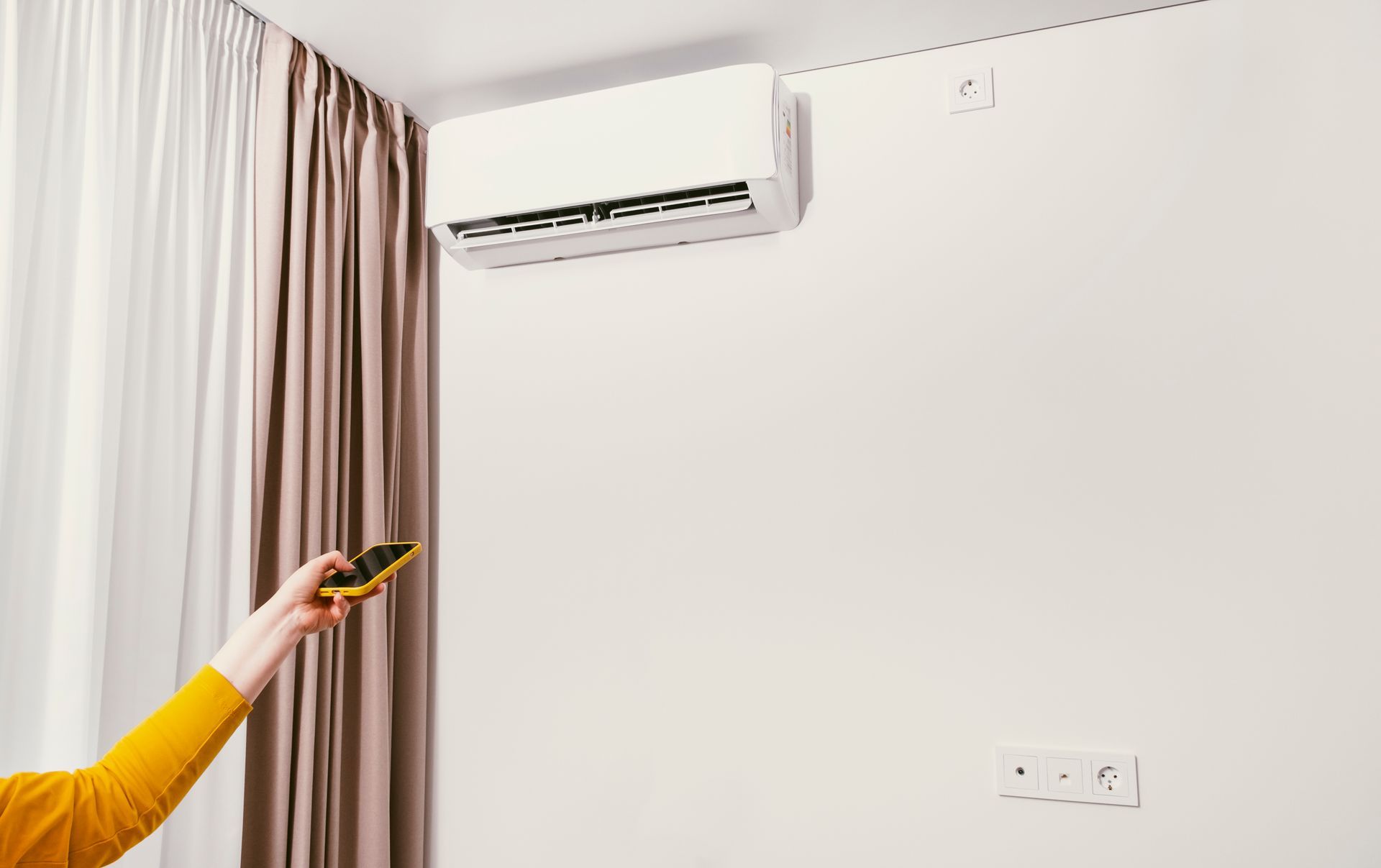
Your AC pulls warm air across cold evaporator coils, lowering the temperature and condensing some moisture in the process. This works well under normal conditions, but a few factors can reduce the amount of moisture your system actually removes.
- An oversized AC unit cools the air quickly but shuts off before it runs long enough to meaningfully dehumidify
- Short cooling cycles reduce the amount of moisture removed compared to longer, steady run times
- An aging or undercharged system loses some of its natural dehumidifying capacity over time
If your AC seems to be working fine temperature-wise but your home still feels muggy,
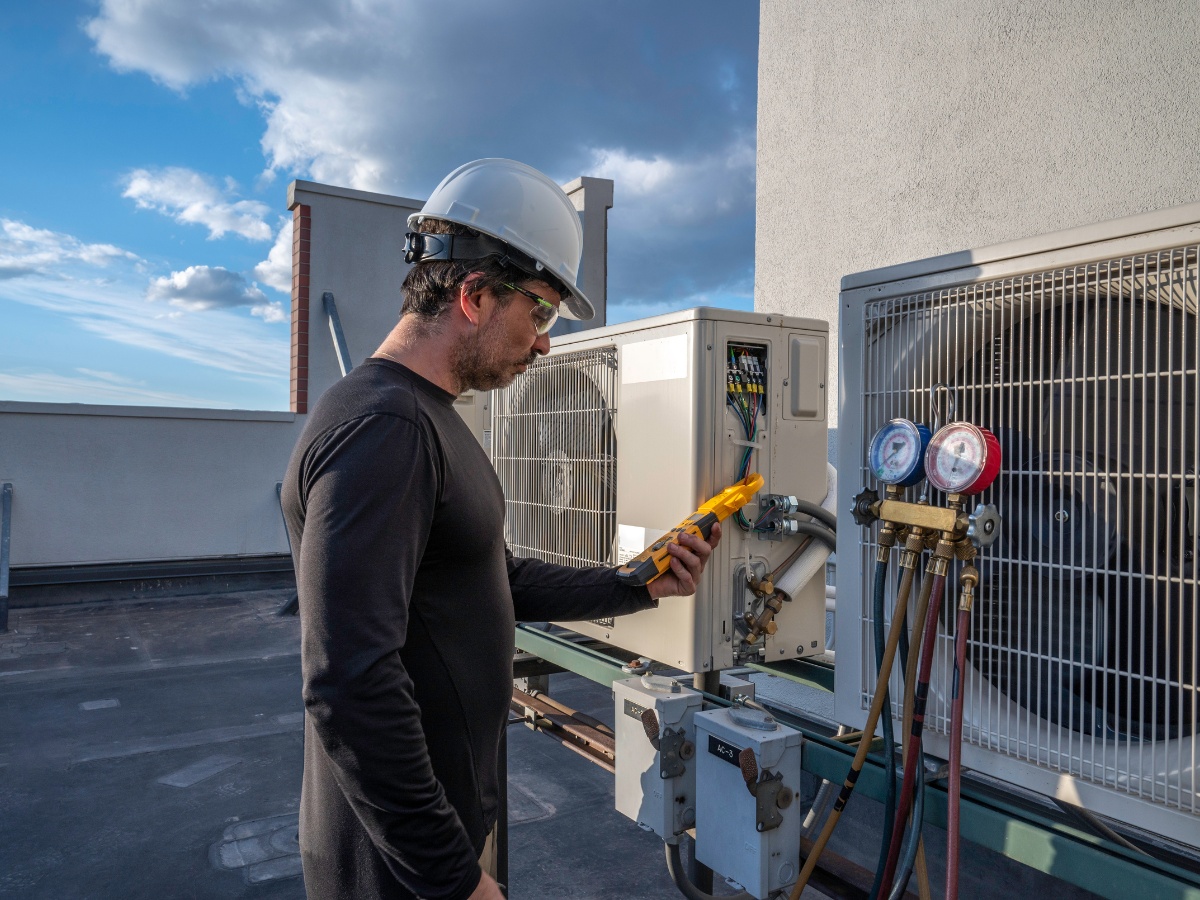
HVAC repair in Jenks can help identify whether an aging system, low refrigerant, short cycling, or another issue is affecting your home's humidity control.
What a Dehumidifier Actually Does
A dehumidifier focuses entirely on moisture rather than temperature. It pulls air across a cold coil to condense water vapor and remove it, then releases the drier air back into the room. Unlike an AC, it is not trying to cool your home; it is solely targeting the humidity level. This makes a dehumidifier especially useful in basements, enclosed spaces with poor airflow, or homes where the AC is sized and running correctly, but humidity still lingers in certain areas.
Signs You Might Need a Dehumidifier in Addition to Your AC
A few specific signs point toward a humidity problem rather than a cooling problem.
- Your home feels sticky or clammy, even when the thermostat shows a comfortable temperature
- Condensation appears on windows or pipes, especially in humid months
- A musty smell develops in certain rooms, basements, or closets
- Wood furniture or flooring seems to swell or feel damp to the touch
- Mold or mildew appears in bathrooms or other less-ventilated spaces despite regular cleaning
If several of these sound familiar, a standalone or whole-home dehumidifier paired with your existing AC system is often the most effective solution.
Pointers for Deciding What Your Home Actually Needs
- Confirm your AC is properly sized for your home, since an oversized unit is a common cause of poor humidity control
- Check that your system is running its full cooling cycles rather than shutting off too quickly
- Have a technician verify refrigerant levels, since low refrigerant reduces dehumidifying performance too
- Consider whether the humidity issue is isolated to one area, like a basement, or affects the whole house
If the issue is isolated, a standalone dehumidifier may solve it. If it is whole-home and persistent, a system integrated with your HVAC is usually the better long-term fix, and it is worth discussing alongside any
whole-home air filtration upgrades you may also be considering.
When the Real Issue Is Your AC, Not Humidity
Sometimes what feels like a humidity problem is actually a sign your AC needs attention. If your system is older or seems to be running constantly without keeping up, scheduling HVAC repairs or a seasonal tune-up should be the first step before adding any new equipment to your home.
Why Tulsa Homeowners Trust Air Masters Inc.
Air Masters Inc. has helped homeowners across Tulsa, Jenks, Broken Arrow, Glenpool, Bixby, and Sapulpa stay comfortable through humid Oklahoma summers for almost three decades. We are family-owned, hold a valid Oklahoma State Mechanical License, and our technicians can diagnose whether your comfort issue is really about temperature, humidity, or both.
Conclusion
Understanding the dehumidifier vs AC Tulsa comparison really comes down to recognizing that temperature and humidity are two separate problems, even though they often get blamed on the same system. For many homes, the right answer is not choosing one over the other, but making sure both are working properly together.
If your home still feels sticky no matter what the thermostat says, reach out to Air Masters Inc., and our team will help you figure out exactly what is causing it.
Frequently Asked Questions
Can my AC alone control humidity in Tulsa?
In many cases, yes, but during peak summer humidity, an AC alone may not be enough, especially if the system is oversized or running short cycles.
Is a dehumidifier worth it if I already have central air?
Yes, especially in basements or areas where humidity lingers despite a properly functioning AC system.
How do I know if my home has a humidity problem instead of a cooling problem?
If your thermostat reads a comfortable temperature but the air still feels sticky or muggy, humidity is likely the underlying issue.
Can too much humidity damage my home?
Yes, prolonged high humidity can contribute to mold growth, musty odors, and damage to wood furniture or flooring over time.
Should I get a whole-home dehumidifier or a portable unit?
It depends on whether the issue is isolated to one area or affects your entire home. Whole-home systems work best for widespread, persistent humidity problems.