BLOGS
UV Air Purifier for HVAC: Worth Adding to Your Tulsa Home?
If you have been researching ways to improve your home's air quality, chances are you have come across UV light add-ons that install directly into your ductwork, with bold claims about killing germs and cleaning the air as it circulates. It is fair to be a little skeptical of anything that sounds too good to be true. That is exactly why we want to give you a straightforward, honest look at the UV air purifier HVAC option, without the marketing spin.
Here is our promise. By the end of this guide, you will understand how UV systems actually work, what they are genuinely effective against, what they cannot do, and how to decide whether this upgrade makes sense for your specific home. We will also cover installation basics and a few questions worth asking before you invest in one.
How a UV Air Purifier Actually Works
A UV air purifier installs inside your ductwork, typically near the evaporator coil or in the main airflow path. As air passes through your HVAC system, it briefly passes under ultraviolet light. This light disrupts the DNA of certain microorganisms, effectively neutralizing their ability to reproduce or cause harm.
Unlike a standalone air purifier in a room, a UV system operates continuously as part of your existing heating and cooling cycle, treating the air every time your system runs, rather than only when a separate device is turned on.
What UV Light Is Actually Effective Against
This is where it helps to separate genuine benefits from exaggerated marketing claims.
- Bacteria and mold spores are generally well controlled by UV exposure, particularly when installed near the evaporator coil, where mold growth is common in humid climates
- Certain viruses can be neutralized, though effectiveness depends heavily on exposure time and the specific UV wavelength used
- Mold growth on the coil itself is one of the most consistently documented benefits, since UV exposure directly at the coil helps prevent the buildup that often causes musty odors.
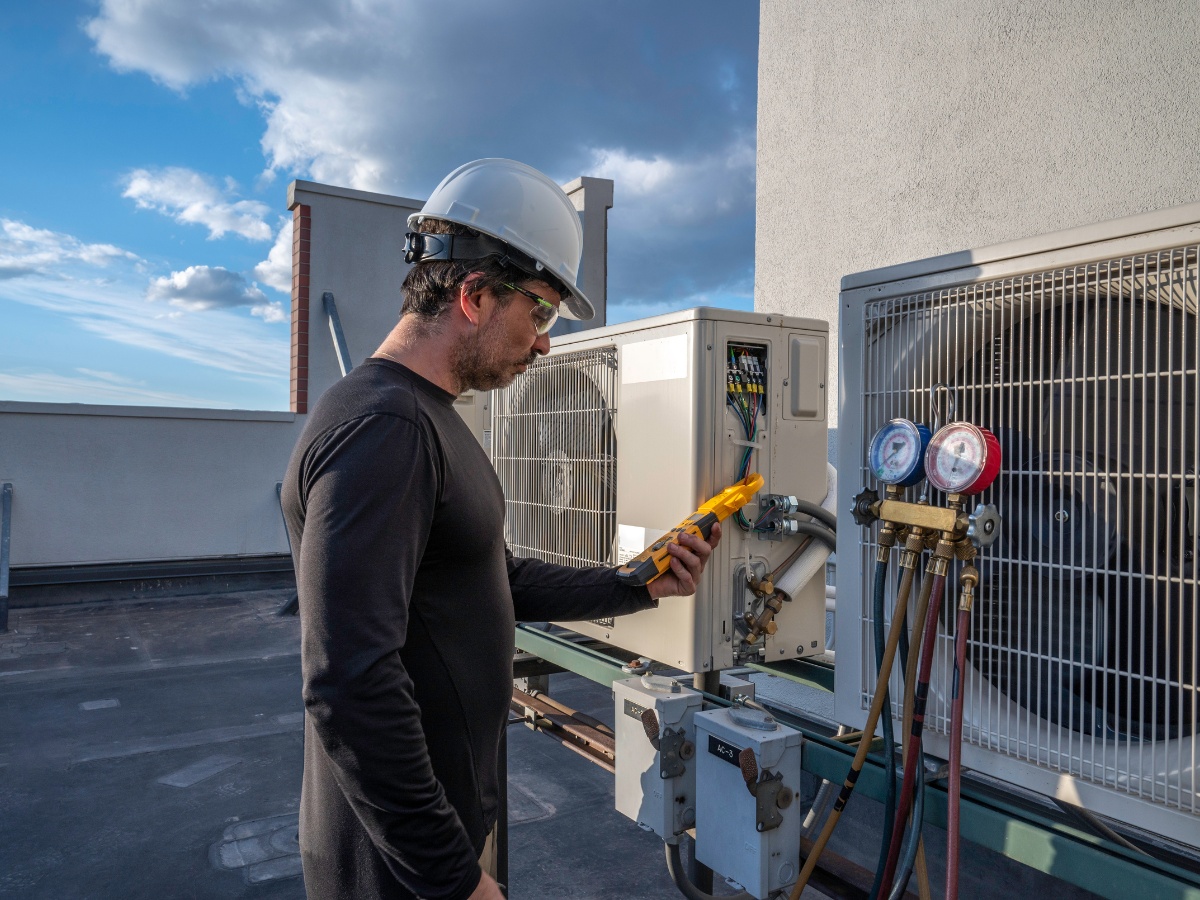
If your HVAC system is already showing signs of mold buildup, poor airflow, unusual odors, or inconsistent cooling, professional
HVAC repair in Owasso can help identify whether the issue is with the coil, ductwork, or another part of the system before you invest in a UV treatment.
What UV Light Cannot Do
It is just as important to understand the limits of this technology.
- It does not filter physical particles like dust, pollen, or pet dander, since UV light targets microorganisms, not solid particles
- It does not replace a quality air filter, and pairing UV with proper filtration matters more than relying on UV alone
- Effectiveness depends on exposure time, meaning air moving quickly through the system gets less UV exposure than air sitting still
Because of this, a UV system works best as one part of a broader air quality strategy rather than a standalone solution.
Is a UV Air Purifier Worth It for Your Tulsa Home
Whether this upgrade makes sense depends on your specific situation and what you are actually trying to solve.
- You deal with recurring musty odors from your HVAC system, often a sign of mold buildup on the evaporator coil
- Someone in your household has a respiratory condition that makes airborne bacteria or mold spores a bigger concern
- Your home has high humidity issues, which create ideal conditions for mold growth inside your system
- You already have solid filtration in place and are looking to add a layer of protection rather than replace your filter entirely
- You want continuous protection built into your HVAC cycle rather than relying on a portable device
If several of these apply to your home, a UV system is a reasonable and often worthwhile addition.
Pointers Before Installing a UV System
A few practical things are worth confirming before moving forward.
- Ask where exactly the UV light will be installed, since coil-mounted UV systems tend to deliver the most consistent benefit
- Confirm the bulb replacement schedule and cost, since UV bulbs lose effectiveness over time and need periodic replacement
- Make sure your existing filtration is solid first, since UV light should complement filtration, not replace it
- Ask whether the system requires any modifications to your ductwork for proper installation
How UV Fits Into a Bigger Air Quality Picture
A UV system tends to deliver the best results when paired with proper filtration rather than installed on its own. If you are dealing with broader air quality concerns beyond mold and bacteria, such as dust or allergens, exploring whole-home air filtration options alongside UV can address both issues at once. A technician can also check your ductwork during installation to confirm there are no leaks that undermine the system's effectiveness.
Why Tulsa Homeowners Trust Air Masters Inc.
Air Masters Inc. has served Tulsa and surrounding communities, including Jenks, Broken Arrow, Glenpool, Bixby, and Sapulpa, for almost three decades. We are family-owned, hold a valid Oklahoma State Mechanical License, and our technicians provide honest, realistic guidance on which air quality upgrades genuinely fit your home, rather than pushing every available add-on.
Conclusion
A UV air purifier HVAC add-on is not a magic fix for every air quality concern, but for homes dealing with mold, musty odors, or households with specific health concerns, it can be a genuinely worthwhile upgrade when paired with proper filtration.
If you are curious whether this upgrade makes sense for your home, reach out to Air Masters Inc., and our team will give you an honest assessment based on your specific needs.
Frequently Asked Questions
Does a UV air purifier remove dust and allergens?
No. UV light targets bacteria, mold, and certain viruses, but it does not filter physical particles like dust or pollen. A quality air filter is still necessary for that.
How often do UV bulbs need to be replaced?
Most UV bulbs need replacement roughly once a year, though this can vary by manufacturer and usage.
Is UV light safe to have installed in my ductwork?
Yes, when properly installed by a licensed technician, the UV light is fully contained within the ductwork and poses no safety risk to your household.
Can a UV system help with musty smells from my AC?
Often, yes. Musty odors are frequently caused by mold growth on the evaporator coil, which coil-mounted UV systems are particularly effective at reducing.
Do I still need to change my air filter if I have a UV system?
Yes. UV light and air filtration serve different purposes, and both are needed for comprehensive air quality control.