BLOGS
How to Maximize AC Efficiency During Tulsa's Hot Summers: Pro Tips
If your electric bill jumps every June and your AC seems to run nonstop without ever quite catching up, you are not imagining it. Tulsa summers push air conditioners hard, and many homeowners pay more than they should simply because a few small efficiency leaks go unnoticed. That is exactly the kind of thing we want to help you fix when it comes to AC efficiency Tulsa homeowners can actually count on.
Here is our promise. The tips in this guide are not complicated or expensive. Most take an afternoon or less, and together they can make a real difference in how hard your system works and how much you pay to run it. We will walk through airflow basics, thermostat habits, maintenance timing, and a few upgrades worth considering if your system is getting older.
Why Tulsa Summers Are Especially Tough on Efficiency
Tulsa does not just get hot; it gets humid, and that combination is hard on any cooling system. High humidity means your AC has to work harder to remove moisture from the air, in addition to lowering the temperature. When a system is already strained by heat and humidity, even small inefficiencies, like a dirty filter or a slightly low refrigerant charge, get magnified fast. This is why generic efficiency advice written for drier climates does not always translate well here. Improving AC cooling efficiency requires solutions that account for Tulsa's heat and humidity.
Start With the Basics: Airflow and Filters
Before looking at anything fancy, check the simplest thing first. A clogged air filter is one of the most common reasons a perfectly good AC system suddenly seems weak and inefficient. Improving AC efficiency starts with simple maintenance, and small changes like this often lead to better comfort solutions for Tulsa homeowners. Regular AC maintenance in Sapulpa can also help keep your system operating efficiently by identifying dirty components, restricted airflow, and other issues that can make your AC work harder during the summer.
- Check your filter monthly during peak summer use, and replace it when it looks dirty
- Keep vents and registers unblocked, since furniture or rugs covering a vent force your system to work harder
- Clear debris around the outdoor unit, since buildup restricts airflow and reduces cooling capacity
Smart Thermostat Habits That Actually Help
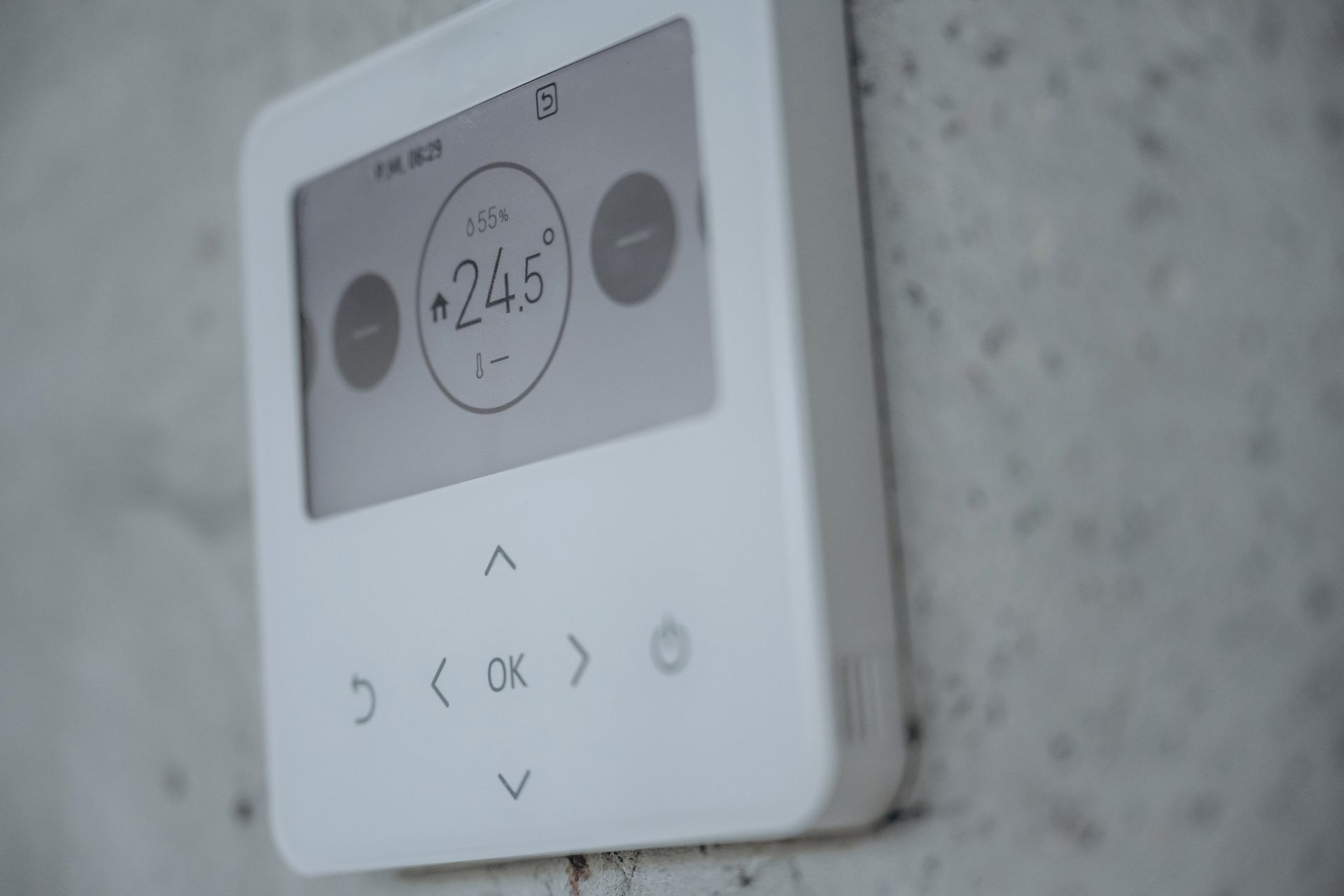
A lot of homeowners think cranking the thermostat down low when they walk in the door cools the house faster. It does not. Your AC cools at the same rate regardless of the target temperature, so setting it unnecessarily low just means it runs longer than needed.
- Set your thermostat to a consistent temperature rather than adjusting it constantly throughout the day.
- Use a slightly higher setting when you are away, then let it adjust back about 30 minutes before you return.
- Consider a programmable or smart thermostat if you do not already have one.
Seasonal Maintenance Makes a Measurable Difference
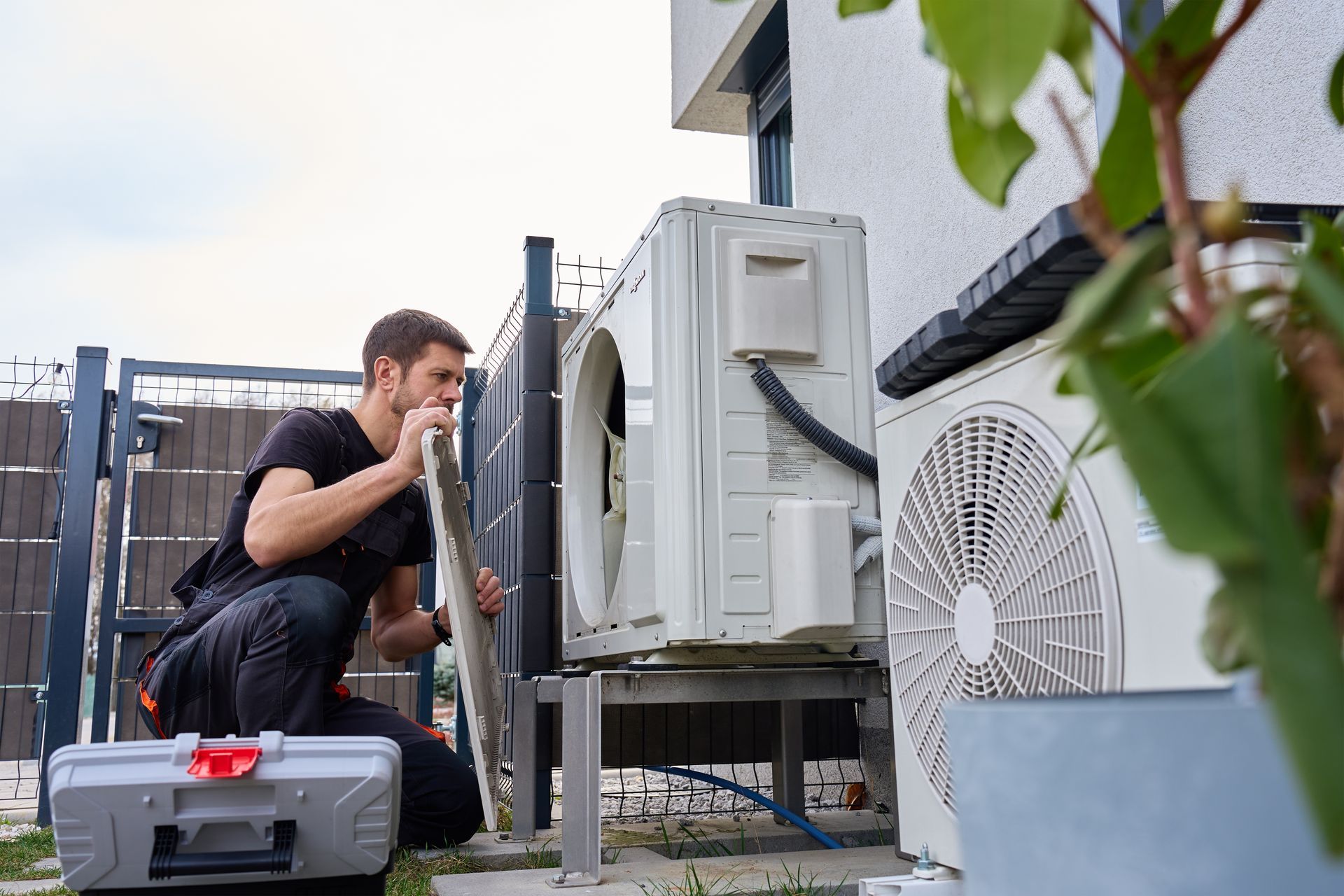
This is the one tip that consistently makes the biggest impact, and it is also the one most homeowners skip. A professional checkup before peak season catches small issues, like weak capacitors or low refrigerant, before they force your system to work overtime. Scheduling an AC tune-up early in the season gives a technician the chance to clean coils, check refrigerant levels, and confirm everything is calibrated correctly. Systems that get this kind of attention every year consistently run more efficiently than those left untouched until something breaks.
Pointers for a More Efficient Home Overall
Efficiency is not only about the AC unit itself. A few things around the house play a bigger role than most people realize.
- Seal gaps around windows and doors so cooled air is not quietly leaking outside
- Use ceiling fans to help circulate air, which lets you raise the thermostat a couple of degrees without losing comfort
- Close blinds or curtains during the hottest part of the day to reduce heat gain through windows
- Check your attic insulation, since poor insulation forces your AC to fight against heat seeping in from above.
If you have checked filters, cleared the outdoor unit, and your home still feels uneven or your system is still running constantly, the issue might not be the AC unit itself. Leaky or undersized duct work can quietly waste cooled air before it reaches your living space.
When It Might Be Time for an Upgrade
Sometimes efficiency tips only go so far, especially with an older system. If your AC is more than 12 to 15 years old, even a perfectly maintained unit will not match newer equipment. Modern systems with higher SEER2 ratings and variable-speed components use noticeably less energy to deliver the same comfort. If your bills keep climbing despite your best efforts, it may be worth exploring
air conditioning replacement options rather than continuing to patch an aging system.
Why Tulsa Homeowners Trust Air Masters Inc.
Air Masters Inc. has spent almost thirty years helping homeowners across Tulsa, Jenks, Broken Arrow, Glenpool, Bixby, and Sapulpa get more out of their HVAC systems. We are family-owned, hold a valid Oklahoma State Mechanical License, and many of our technicians have stuck with us for over fifteen years. We know exactly what Tulsa summers do to a system, and how to help homeowners get ahead of it.
Conclusion
Better AC efficiency Tulsa homeowners can rely on does not require a complete overhaul. A combination of simple habits, consistent thermostat settings, and timely seasonal maintenance can meaningfully lower your bills and keep your home comfortable through even the harshest summer stretch.
If you want a professional opinion on how your system is performing, reach out to
Air Masters Inc., and our team will help you find practical ways to keep your home cool without overworking your AC.
What is the easiest way to improve AC efficiency at home?
Replacing a dirty air filter regularly is the simplest, most effective step most homeowners can take on their own.
Does setting my thermostat lower cool my house faster?
No. Your AC cools at a fixed rate, so a lower setting only means it runs longer, not faster.
How often should I schedule a professional AC tune-up?
Once a year, ideally in spring before the heaviest summer use begins.
Can duct leaks really affect my AC efficiency?
Yes. Leaky or poorly sealed ducts let cooled air escape before it reaches your rooms, forcing the system to work harder.
When should I consider replacing my AC instead of maintaining it?
If your system is 12 to 15 years old and bills keep rising despite regular maintenance, a newer system may be worth considering.
Frequently Asked Questions