BLOGS
Ductless Mini-Split vs Central AC for Tulsa Homes: Which Saves More?
If you have been comparing cooling options for your home and keep running into the same question over and over, you already know how confusing this decision can get. Both systems have loyal fans, both companies claim significant savings, and it is genuinely hard to tell which one fits your specific situation. That is exactly why so many homeowners end up researching ductless mini-split vs central AC Tulsa comparisons before making a final call.
Here is our promise. By the time you finish this guide, you will understand how each system actually works, where the real cost differences come from, which homes tend to benefit more from one over the other, and how to think through the decision based on your specific house. We'll also compare today's central AC options to help you determine which system best fits your home's cooling needs.
How Each System Actually Works
Central air conditioning cools your entire home through a single system connected to a network of ducts, distributing cooled air to every room from one central point. It is the most common setup in homes built with ductwork already in place.
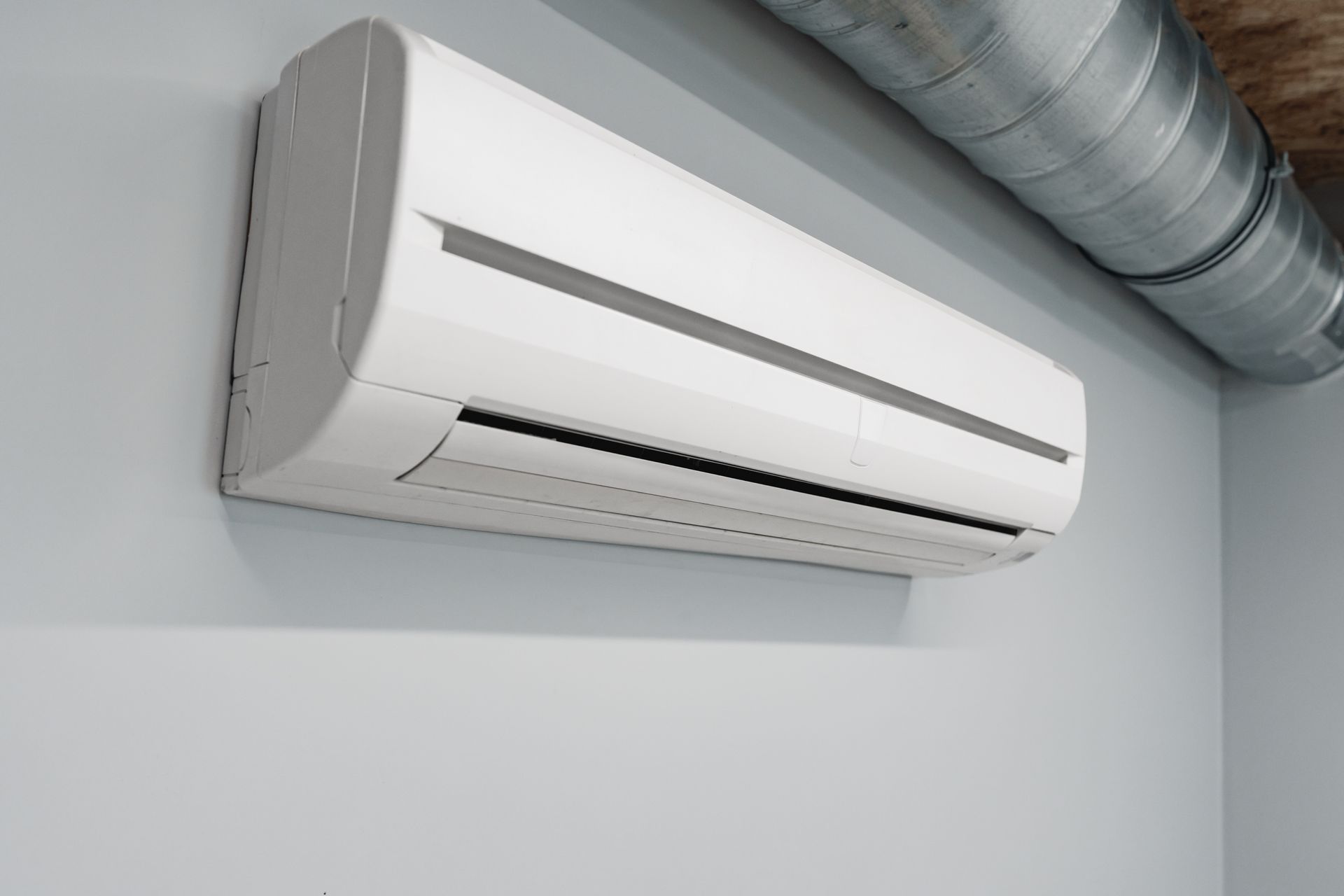
A ductless mini-split system works differently. Instead of one central unit pushing air through ducts, individual indoor units are mounted in specific rooms or zones, each connected to an outdoor compressor. There is no ductwork involved, and each zone can be controlled independently. Understanding this basic difference shapes nearly every other factor in the comparison, from installation cost to long-term efficiency.
Upfront Installation Cost Comparison
This is usually the first question homeowners ask, and the honest answer depends heavily on your home's existing setup.
- Homes with existing ductwork in good condition often find central air more cost-effective upfront, since the distribution system is already in place
- Homes without ductwork, such as additions, converted garages, or older homes never built with central air, often find mini-splits more affordable once new ductwork is factored in
- Homes with damaged or outdated ductwork sometimes face a closer cost comparison than expected, since duct repair adds significantly to a central air installation
If your ductwork needs attention, regardless of which system you choose, it is worth having a professional assess your duct work condition before comparing final pricing. If you're considering AC installation in Sapulpa, a professional evaluation of your ductwork can help determine whether central AC or a ductless system makes more financial sense for your home and existing setup.
Long-Term Efficiency and Energy Costs
Efficiency is where the comparison gets more interesting, and the right answer often depends on how you use your home. Central air systems cool the entire home uniformly, which works well if most rooms are regularly used throughout the day. However, you are paying to cool rooms that may remain empty, such as guest bedrooms.
Mini-splits allow zone-specific control, meaning you can cool only the rooms actually in use and reduce output in empty spaces. For homes where certain rooms see little daily use, this can translate into meaningful energy savings over time. Homes that use most rooms consistently throughout the day may not see as dramatic a difference between the two systems.
Pointers for Deciding Which System Fits Your Home
- Does your home already have functional ductwork, or would installing it from scratch be required for central air
- Do certain rooms go largely unused for much of the day, which would favor the zone control mini-splits offer
- Are you cooling an addition or converted space not connected to your main system, which often makes a mini-split the simpler solution
- How important is whole-home temperature consistency, since central air tends to deliver more uniform results
- What is your long-term plan for the home, since a major renovation might change which option makes more sense
Maintenance and Lifespan Considerations
Both systems require regular maintenance to perform well over time, though the specifics differ. Central air systems rely heavily on clean ducts and properly maintained airflow throughout the house. Mini-splits require regular filter cleaning on each individual indoor unit, which is more hands-on but also more straightforward since there is no ductwork to maintain. In terms of lifespan, both systems typically last between 12 and 20 years with consistent routine maintenance.
Scenarios Where Each Option Clearly Wins
Central air tends to make more sense when: you already have ductwork in good condition, your home is consistently occupied throughout, and you want uniform temperatures without having to think about individual zones.
A mini-split tends to make more sense when: you are cooling an addition, garage conversion, or home without existing ductwork, you want room-by-room control, or certain spaces rarely need cooling at all.
If your existing system is struggling and you are unsure which direction to go, a repair-versus-replacement evaluation can help clarify whether it is the right time for a full system change.
Why Tulsa Homeowners Trust Air Masters Inc.
Air Masters Inc. has helped homeowners across Tulsa, Jenks, Broken Arrow, Glenpool, Bixby, and Sapulpa choose and install the right cooling system for almost three decades. We are family-owned, hold a valid Oklahoma State Mechanical License, and our technicians have hands-on experience with both central air and ductless systems.
Conclusion
The ductless mini-split vs central AC Tulsa decision really comes down to your home's existing setup, how you use your space, and what matters most to your household, whether that is whole-home consistency or room-by-room control. Neither option is universally better, but one is usually clearly better for your specific home.
If you would like a professional opinion on which system best fits your house, reach out to Air Masters Inc., and our team will walk you through your options honestly, based on your home and budget.
Frequently Asked Questions
Is a ductless mini-split cheaper than central air?
It depends on your home. Homes without existing ductwork often find mini-splits more cost-effective, while homes with functional ducts may find central air more affordable upfront.
Do mini-splits cool as effectively as central air?
Yes, modern mini-split systems cool effectively, though they work on a zone basis rather than distributing air uniformly throughout the entire home as central air does.
Can I use a mini-split for just one room while keeping central air for the rest of my home?
Yes, this is a common solution for additions, converted spaces, or rooms that central air struggles to reach effectively.
Which system is more energy efficient overall?
It depends on usage patterns. Mini-splits often save more energy in homes with unused rooms, while central air can be just as efficient in homes where most rooms are consistently used.
How long do ductless mini-split systems typically last?
With regular maintenance, most mini-split systems last between 12 and 20 years, similar to central air systems.