BLOGS
Heat Pump vs AC for Glenpool Homes: Which Works Better in Oklahoma?
Choosing between a heat pump and a traditional air conditioner is a big decision for any homeowner. If you live in Glenpool, Oklahoma, you already know how quickly the weather can swing from icy mornings to sweltering afternoons. That kind of shift puts real demands on your home comfort system.
A heat pump in Glenpool homes offers year-round temperature control from a single unit, while a traditional AC only cools your home and relies on a separate furnace for heat. Both systems have their strengths, and the right choice depends on your home, your budget, and your comfort goals.
In this guide, we will break down how each system works, how it performs in Oklahoma's climate, and what you should consider before making a switch. If you want expert advice tailored to your home, reach out to our team anytime.
How Does a Heat Pump Work?
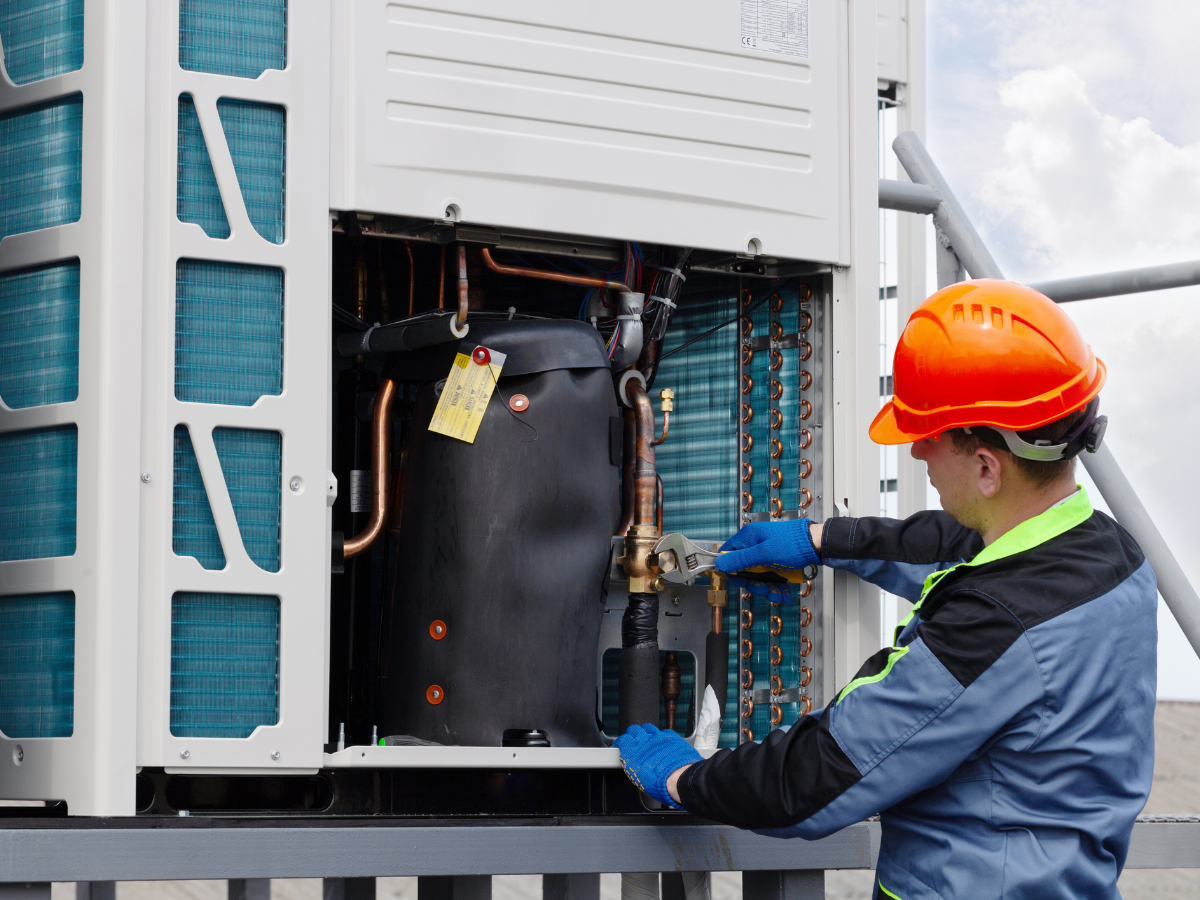
A heat pump is a single system that both heats and cools your home. Instead of burning fuel to create heat, it moves warm air from one place to another. In the summer, it pulls heat out of your home and sends it outside. In the winter, it reverses direction and pulls heat from the outside air into your home.
This makes a heat pump in Glenpool a versatile, all-in-one option. You get cooling in July and heating in January from the same equipment.
How Does a Traditional AC System Work?
A traditional air conditioner only handles cooling. It removes heat and humidity from indoor air and releases it outside, keeping your home cool during hot months. For heating, you would need a separate furnace, which typically runs on gas or electricity.
This two-system setup has worked well for decades and remains a popular choice for many Glenpool homeowners, especially those who already have a reliable furnace in place.
Comparing Performance in Oklahoma's Climate
Oklahoma winters are usually mild, but they can still dip below freezing. Summers, on the other hand, bring high heat and humidity. This mix of conditions matters a lot when comparing these two systems.
Heat pumps tend to perform very efficiently in moderate winter temperatures, which describes most Glenpool winters well. When temperatures drop into extreme cold, a heat pump may need backup heating support to keep up. A traditional AC paired with a furnace does not face this limitation, since the furnace generates heat directly regardless of outdoor temperature.
For cooling, both systems perform similarly well, since a heat pump uses the same basic cooling technology as a standard AC unit. Geothermal HVAC is another option for efficient heating and cooling, using underground loops to transfer heat. It can offer excellent efficiency, but installation costs are typically higher.
Energy Efficiency Considerations
One of the biggest advantages of a heat pump is its energy efficiency because it transfers heat instead of generating it, making it well suited for Oklahoma's mild winters. When comparing new systems, look at SEER2 ratings for cooling efficiency and HSPF2 ratings for heating efficiency, as higher ratings can help lower energy consumption and long-term operating costs. The right choice also depends on your home's insulation, ductwork, and overall comfort needs.

Upfront Cost and Long-Term Value
Upfront cost is an important factor when choosing between a heat pump and a traditional AC system. A heat pump often has a higher upfront cost than replacing only an air conditioner, but it can be a cost-effective option when you're replacing both your heating and cooling systems. Because one system provides year-round comfort, many homeowners find the long-term value outweighs the initial investment. A professional evaluation can help determine the best solution for your home and budget.
Which System Is Right for Your Glenpool Home?
There is no single answer that works for every household. A few things worth thinking through include:
- The age and condition of your current HVAC system
- Your home's insulation and ductwork setup
- How much you currently spend on heating and cooling
- Whether you already have a working furnace in place
- Your long-term plans for the home
Building a new home or replacing an aging HVAC system may make a heat pump the ideal choice. Homeowners with a reliable furnace already in place may find upgrading only the AC to be the more practical and cost-effective option.
Maintenance Matters, No Matter Your Choice
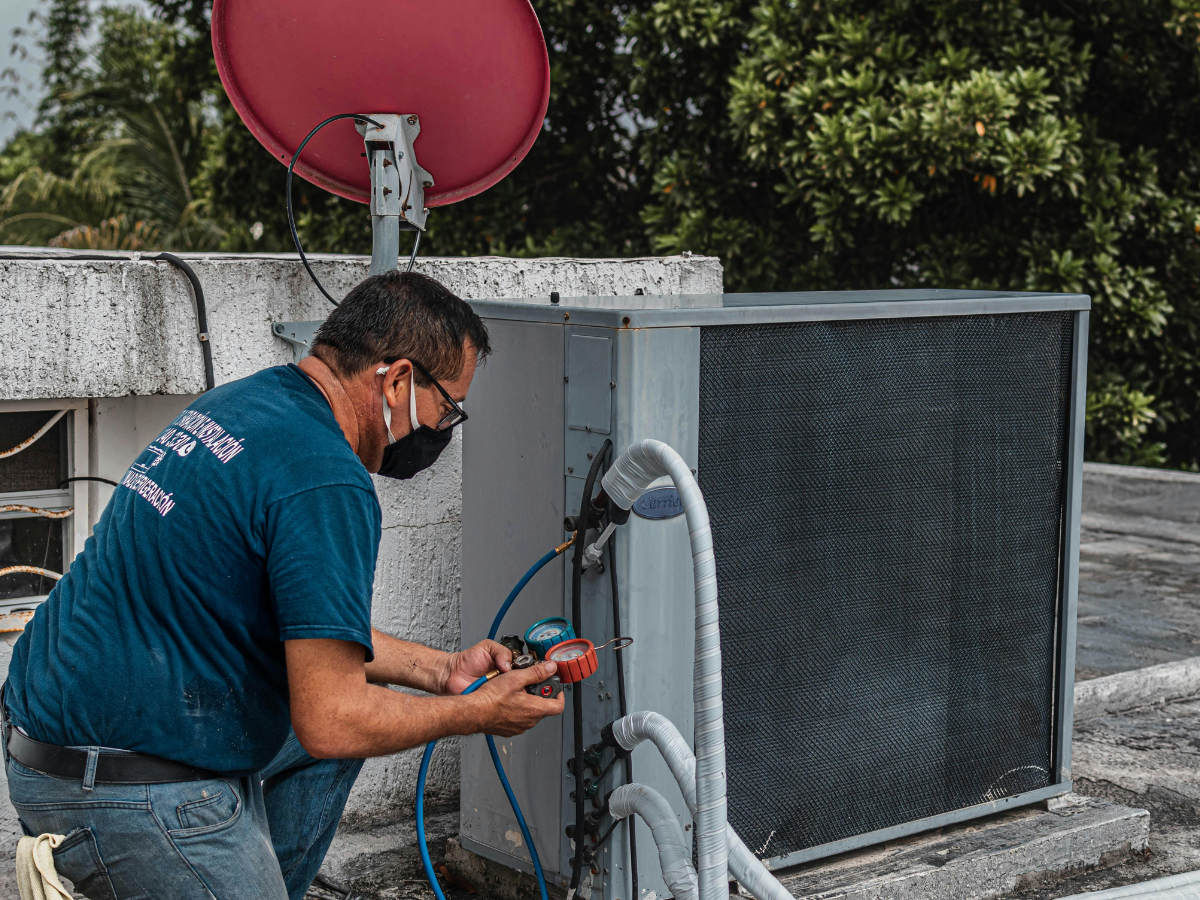
No matter which system you choose, regular maintenance is essential for reliable performance and long-term efficiency. Both heat pumps and traditional HVAC systems benefit from seasonal tune-ups, regular filter changes, and prompt repairs to help maintain comfort, reliability, and equipment lifespan.
Routine maintenance also helps identify small issues before they become costly repairs. If your ductwork is restricting airflow or causing uneven temperatures, a professional inspection can improve airflow and help your heating and cooling system perform more efficiently.
If you're also comparing ERV vs HRV, the right option depends on your home's ventilation and humidity needs. Both systems bring in fresh air while recovering energy, but they handle moisture differently.
Why Local Expertise Matters
Every home in Glenpool is a little different, and so are every homeowner's comfort needs. Working with a team that understands Oklahoma weather patterns and local building conditions makes a real difference. Since 1997, Air Masters Inc. has served homeowners throughout the Tulsa area, including Glenpool, Jenks, Broken Arrow, Bixby, and Sapulpa, with heating and cooling solutions built around real-world Oklahoma conditions. Our technicians can walk you through your options, answer your questions, and help you land on a system that fits your home and your budget.
Final Thoughts
Both heat pumps and traditional AC systems have a place in Glenpool homes. Heat pumps offer efficient, all-in-one comfort, especially for moderate winters, while traditional AC and furnace setups remain a dependable, tried-and-true option.
The best way to know which system fits your home is to talk with a local expert who can assess your space and your goals.
Contact us today for a free quote and let our team help you find the right comfort solution for your Glenpool home.
Frequently Asked Questions
Is a heat pump a good option for Oklahoma weather?
Heat pumps can work well in Oklahoma's mild winters and hot summers. Performance depends on your home's specific needs, so a professional evaluation is always recommended.
Can a heat pump replace my furnace completely?
In many cases, yes. Some homes keep a backup heat source for extreme cold. A technician can help you decide what fits best.
Will switching to a heat pump lower my energy bills?
It can, depending on your home's insulation, current system, and usage habits. Results vary, so a personalized assessment helps set expectations.
How long does a heat pump typically last?
Lifespan varies based on usage, maintenance, and installation quality. Regular maintenance generally helps extend the life of any HVAC system.
Do I need to replace my ductwork if I switch to a heat pump?
Not always. It depends on the condition and layout of your existing ductwork. A professional inspection can determine if any updates are needed.