BLOGS
How Oklahoma's Freeze-Thaw Cycles Damage Outdoor AC Units
Freeze-thaw damage to AC units in Oklahoma happens when overnight temperatures drop below freezing and swing back above 50 degrees within hours, a pattern common across the Tulsa area every winter. The repeated expansion and contraction stresses copper lines, cabinet seams, and electrical connections on the condenser, and over several seasons this wear can shorten a system's lifespan.
What Causes Freeze-Thaw Damage to AC Units in Oklahoma?
Rapid shifts between freezing nights and mild afternoons are the main trigger. Moisture on the unit freezes, expands, then melts as temperatures rise, and this cycle repeats often through an Oklahoma winter.
Oklahoma sits in a transition zone between cold northern fronts and warm southern air. A single week can bring a hard freeze followed by a 60 degree afternoon, and that volatility is harder on outdoor equipment than a steady cold season, because metal components never settle at one temperature for long.
How Does Ice Buildup Harm the Outdoor Condenser Unit?
Ice buildup coats the coil fins, blocks airflow, and adds weight that can bend them. Trapped moisture that refreezes inside small gaps can also pry apart soldered joints over time.
When rain, sleet, or melted snow settles on the coil and freezes overnight, ice forms across the surface and presses against the fins and joints as it expands. Common effects include:
- Bent or crushed fins that reduce airflow
- Cracked solder joints where refrigerant lines connect
- Corrosion once ice melts and leaves standing moisture
- Extra strain on the fan motor pulling air through a blocked coil
None of these problems appear overnight. They build gradually, which is why a unit can run fine in December and struggle by February.
Why Do Sudden Temperature Swings Make Oklahoma Units More Vulnerable?
The equipment rarely gets a stable cold period to rest in. Instead, it cycles between frozen and thawed states, which multiplies physical stress compared to a climate with one long, steady winter.
A unit in a northern state might freeze once in November and stay frozen until March. A Tulsa area unit can freeze and thaw repeatedly throughout the winter, and it is that repetition, not the cold itself, that can put additional stress on the equipment.

What Are the Warning Signs of Freeze-Thaw Damage on Your AC?
Warning signs include visible ice on the coil in spring, weak airflow, unusual fan rattling, and higher energy bills once cooling season starts. Catching these signs early can prevent a small repair from becoming a full replacement.
Homeowners should watch for:
- Ice or frost still clinging to the unit after a freeze has passed
- A hissing or gurgling sound near the refrigerant lines
- Bent fins visible on the coil
- Slower cooling once spring arrives
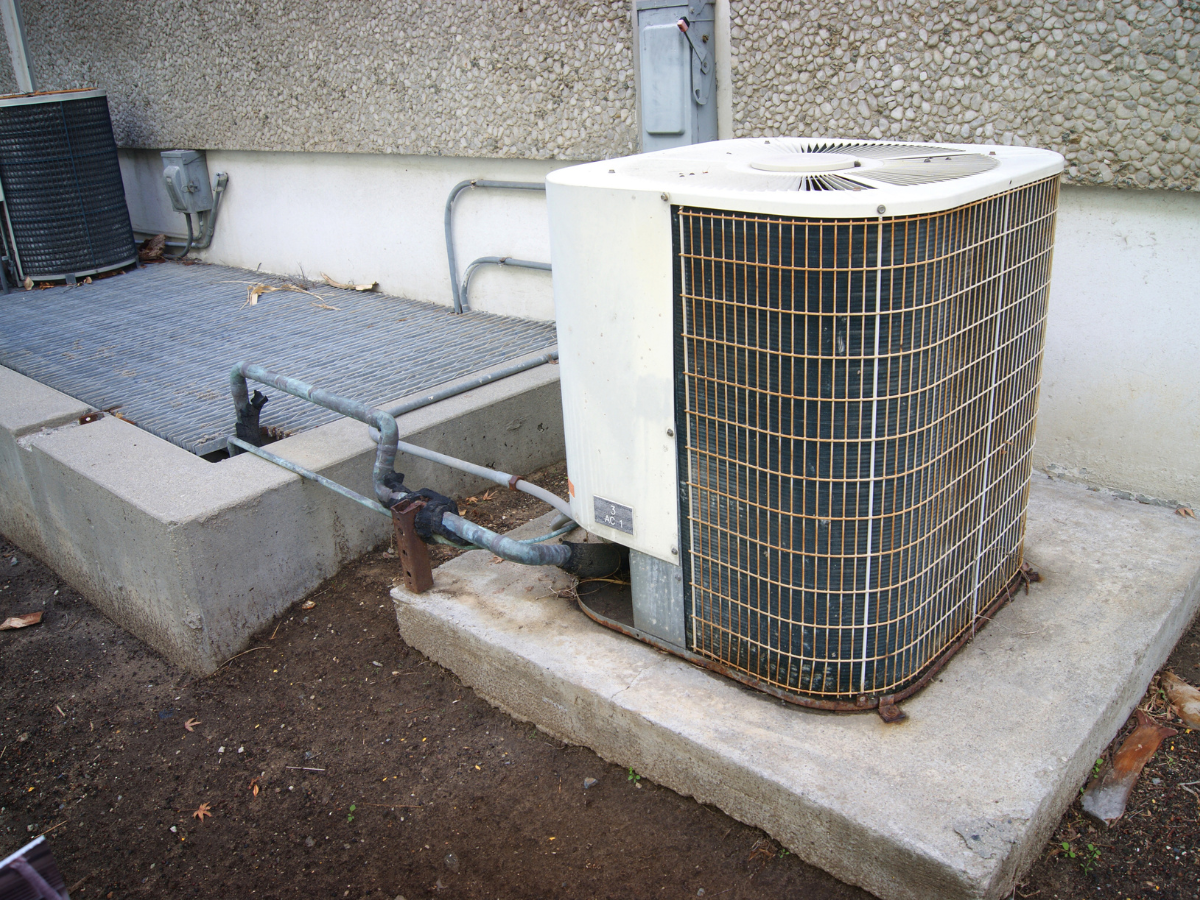
- Rust spots near the base of the cabinet
Have a technician inspect the unit before the first hot stretch if any of these appear.
How Can You Protect Your Outdoor Unit From Freeze-Thaw Cycles?
Keep the area around the unit clear of debris, check for standing water near the base, and schedule a coil inspection before the coldest stretch of winter. A breathable top cover can also help, as long as the sides stay open for airflow.
A few practical steps make a real difference:
- Keep gutters clear so melting ice does not drip onto the unit
- Grade the ground around the pad so water flows away instead of pooling
- Avoid running the AC during a hard freeze unless truly needed
- Have the coil checked each fall through routine HVAC maintenance
These steps will not stop every cycle, but they reduce the stress each one puts on the equipment.
When Should You Call a Professional for Freeze-Thaw Damage to AC Units in Oklahoma?
Call a professional as soon as you notice bent fins, refrigerant line frost that will not clear, or weaker cooling once the system starts up for the season. Bending fins back or chipping away ice yourself can cause more harm than good.
A qualified technician can pressure test the lines, check refrigerant levels, and straighten or replace damaged fins without risking a leak. Air Masters Inc. has served the greater Tulsa area for years and our technicians can diagnose coil, refrigerant, and other HVAC issues. Our AC repair and installation team can diagnose the issue and recommend a fair path forward, whether that means a repair or a full evaluation through our HVAC repair services.
Protect Your System Before the Next Freeze
Freeze-thaw cycles are part of living in Oklahoma, but the damage does not have to catch you off guard. A quick fall inspection and a few small precautions can spare your outdoor unit from a rough spring restart. If you want a technician to check your system for freeze-thaw damage to AC units in Oklahoma before the weather turns,
contact Air Masters Inc. to schedule a visit.
Frequently Asked Questions
Does freezing weather damage an AC unit even if it is off?
Yes. Ice can still form on the coil from rain, snow, or condensation regardless of whether the system runs, so an idle unit is not automatically protected.
How often should an outdoor unit be inspected in Oklahoma?
A yearly inspection before the coldest months, and a quick check before cooling season starts, is reasonable given how often Oklahoma swings between freezing and mild temperatures.
Will a cover prevent all freeze-thaw damage?
No cover eliminates the risk entirely. A breathable top cover reduces ice and debris buildup, but the sides need airflow, so some exposure is unavoidable.
Is bent fin damage always visible from the outside?
Not always. Some bending happens on inner rows of the coil, which is why a technician's inspection catches what a homeowner might miss.