BLOGS
Spring AC Startup Checklist: What to Check Before Turning It On
Spring AC maintenance matters most after an Oklahoma winter, because repeated freeze-thaw cycles can stress condenser coils, loosen electrical connections, and trap moisture inside outdoor units. Ice forms overnight, then melts by afternoon, and this daily swing stresses metal and plastic parts until they fail. A spring inspection catches this damage before summer heat forces the system to work through it.
What Happens to an Outdoor AC Unit During a Freeze-Thaw Cycle?
Water gets into small gaps in the cabinet, coil fins, and electrical housing. When temperatures drop below freezing overnight, that water expands into ice. When the sun comes out and temperatures climb back into the 40s or 50s, the ice melts and the metal contracts again.
This cycle can repeat throughout the winter across the Tulsa area. Aluminum coil fins are thin, so expansion and contraction leaves them dented, split, or pulled loose. Refrigerant lines can develop tiny fractures at solder joints, which show up later as slow leaks. Screws and wire connections work loose the same way a pothole forms in a road that freezes and thaws all winter.
Why Are Oklahoma Winters Particularly Hard on Condensers?
Oklahoma sits in a transition zone where cold fronts and warm air masses collide often, so the state swings between freezing nights and mild, sunny days more than a consistently cold northern climate. That back and forth is harder on outdoor equipment than one long, steady freeze.
A unit in Minnesota might freeze in November and stay frozen until March. A unit in Tulsa or Sapulpa might freeze eight or ten separate times, with partial thaws in between. Each thaw lets moisture back into the same cracks and joints, so damage compounds instead of settling.
What Are the Warning Signs of Freeze-Thaw Damage?
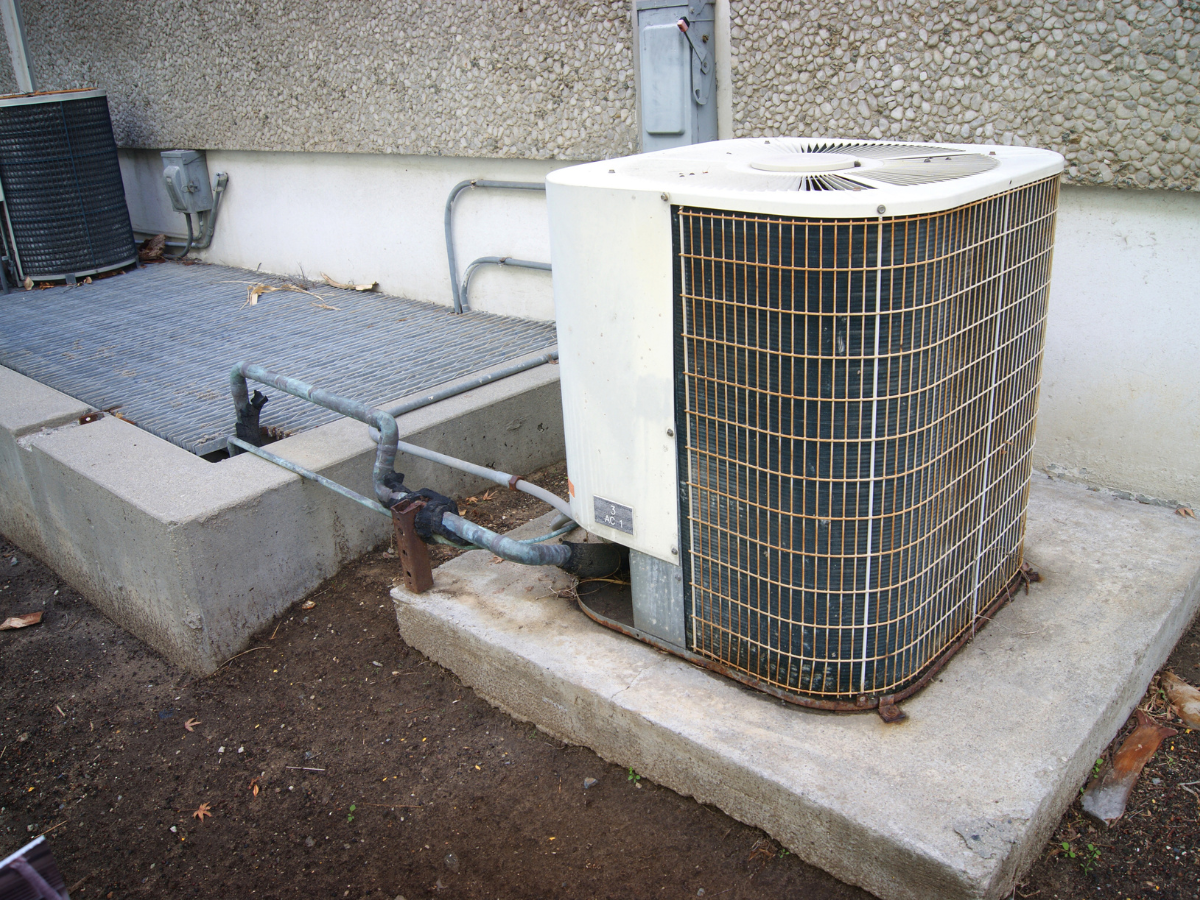
- Look for dents, gaps, lingering ice, or bent refrigerant lines around the outdoor unit.
- Rattling sounds may indicate loose panels or fasteners caused by repeated freezing and thawing.
- Weak airflow, longer run times, or faint hissing may indicate refrigerant problems.
- A technician can check the coils, refrigerant charge, and electrical connections for hidden damage.
Can Freeze-Thaw Damage Be Prevented Entirely?
No single step prevents freeze-thaw stress completely, since it is a natural result of Oklahoma's weather, but a few habits reduce the damage. Keeping the unit clear of leaves and debris in fall limits how much organic material traps moisture against the cabinet. A breathable top cover, never wrapped around the sides, can keep sleet from pooling on the coil.
Beyond that, the most reliable protection is catching small issues early. This is where
routine HVAC maintenance can help identify problems early. A technician who checks coil condition, tightens connections, and confirms refrigerant levels each year will spot freeze-thaw stress a homeowner is likely to miss.

Why Does Spring AC Maintenance Matter After a Freeze-Thaw Winter?
Spring AC maintenance matters because it happens right as winter damage stops accumulating and before summer heat puts real load on the system. A coil with hairline cracks or a connection that loosened in February might run fine on a cool March morning, then fail the first week temperatures hit the 90s.
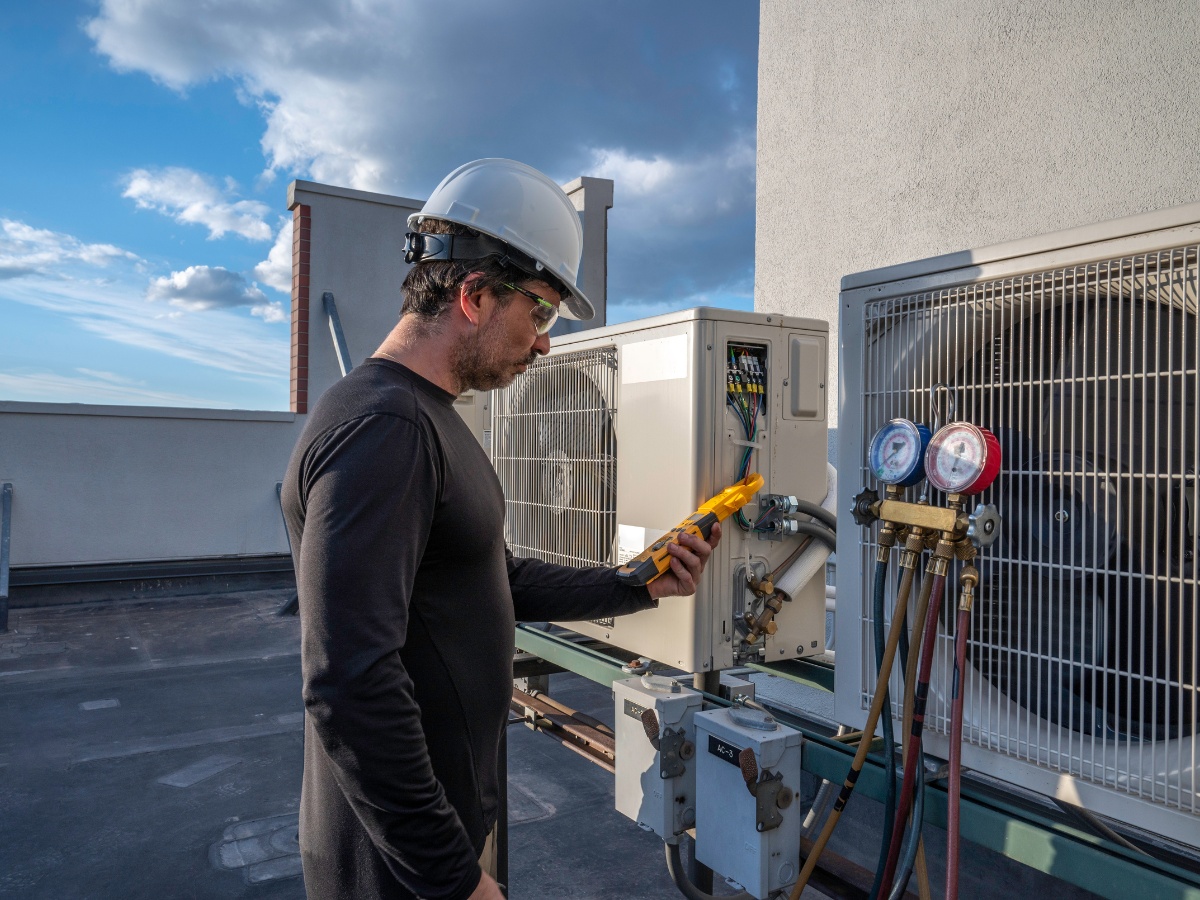
During a spring visit, a technician inspects the outdoor unit for physical damage, checks refrigerant pressure, and confirms the system is ready for daily use. This is also a good time to have ductwork checked, since damaged ducts can force a system to run harder even when the outdoor unit is healthy. Skipping this often turns a small winter crack into a full failure.
When Should You Schedule an AC Inspection in Oklahoma?
The ideal window is March through early May, after the last hard freeze but before daily highs climb into the 80s. Scheduling in this window also tends to mean shorter wait times, since demand for AC repair climbs once summer heat arrives.
Homeowners in Tulsa, Jenks, Broken Arrow, Glenpool, Bixby, and Sapulpa deal with a similar freeze-thaw pattern each winter, so the same timing applies across the area. If a unit already shows weak airflow or unusual noise, it is worth calling sooner rather than waiting for spring.
A Practical Next Step
Freeze-thaw stress builds quietly over winter, and the only way to know how much a unit has absorbed is to have it checked. Air Masters Inc. has served the greater Tulsa area since 1997 and can inspect an outdoor unit for coil damage, loose connections, and refrigerant issues before summer arrives.
Contact Air Masters Inc. to schedule spring AC maintenance before winter damage becomes a summer breakdown.
Frequently Asked Questions
Does every outdoor AC unit in Oklahoma experience freeze-thaw damage?
Most units take on some freeze-thaw stress, since Oklahoma's temperature swings are hard to avoid. Severity depends on the unit's age and how much moisture reaches its coils each winter.
Can freeze-thaw damage cause an AC unit to fail completely?
Yes, if cracks or loose connections go unnoticed, a unit can fail once summer heat puts sustained load on the system. This is why an inspection before peak season matters.
Is a bent coil fin a serious problem?
A few bent fins will not stop a unit from running, but they reduce airflow and strain the system. A technician can often straighten minor bends during a visit.
Should I cover my outdoor AC unit in winter?
A breathable top cover can reduce ice buildup on the coil, but the sides should stay open for airflow. A full plastic wrap traps moisture and worsens freeze-thaw damage.
How is spring maintenance different from a summer AC tune-up?
Spring maintenance looks for winter damage before the cooling season starts, while a summer tune-up addresses performance during active use. Scheduling spring maintenance can help reduce the risk of summer emergencies.