BLOGS
How Aging HVAC Systems Increase Commercial Energy Costs
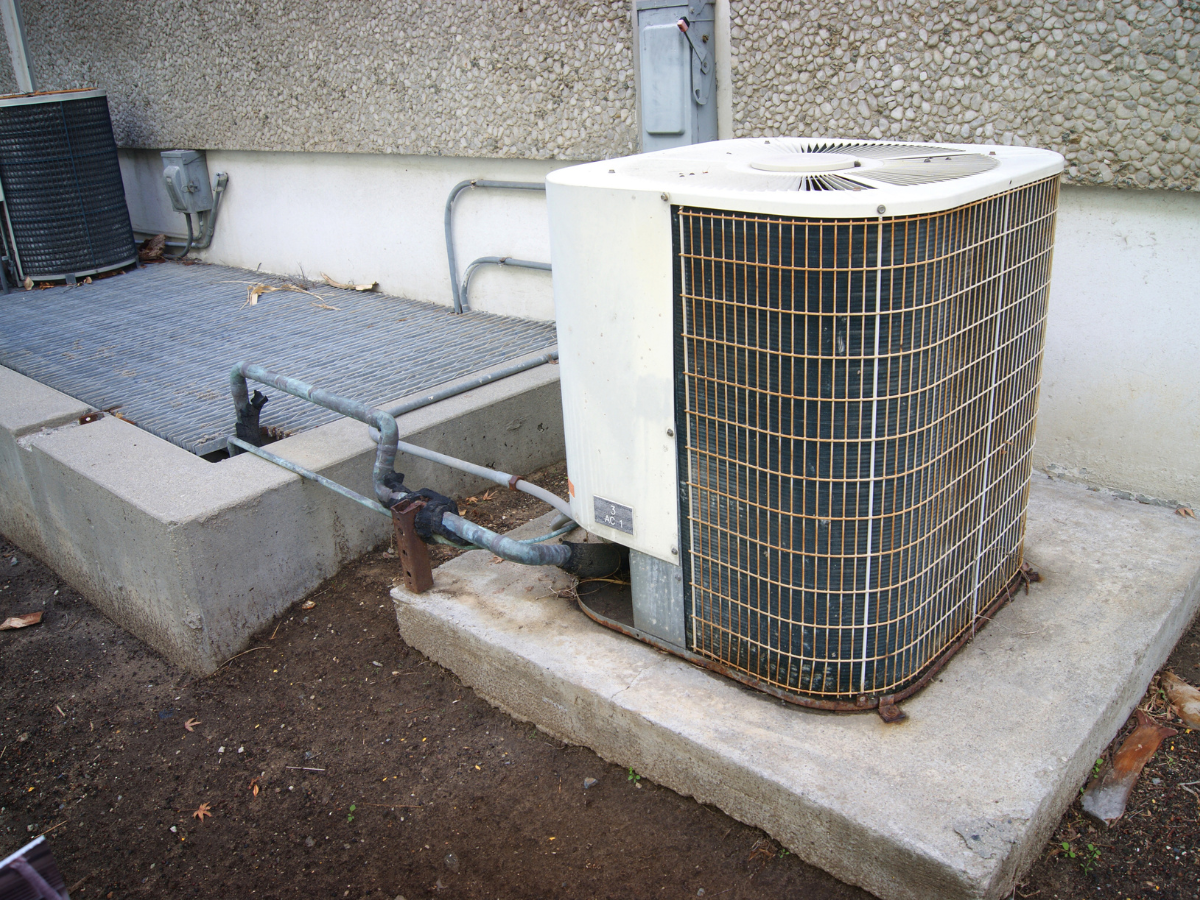
Commercial HVAC energy costs climb steadily as rooftop units, package systems, and ductwork age past their prime years. Worn compressors, weak seals, and outdated controls force older equipment to run longer and harder to hold the same temperature. An aging commercial system may use more electricity than a newer, well-maintained unit, especially as components wear and efficiency declines.
Why Do Older HVAC Systems Use More Energy?
Older HVAC systems lose efficiency gradually as internal parts wear down, refrigerant charges drift off target, and electrical components lose precision. This forces compressors and blowers to run longer cycles just to reach the same comfort level, and that extra runtime shows up on the utility bill.
Every mechanical part in an HVAC system has a working life. Bearings wear. Belts stretch. Capacitors weaken. None of these changes happen overnight, so many business owners don't notice the decline until a utility bill spikes. As a system ages, it may need longer or more frequent cycles to maintain the same indoor conditions.
What Warning Signs Point To Rising Energy Use?
A building's energy use rarely spikes without warning. Certain signs may appear before energy costs become a larger concern, and catching them early can prevent bigger repair bills later.
Common warning signs include:
- Utility bills that climb even though usage patterns stay the same
- Uneven temperatures between rooms or floors
- The system running in longer or more frequent cycles
- Rattling, grinding, or squealing sounds from the unit
- More frequent breakdowns that need HVAC repair services
Any one of these signs on its own may not mean much. Several appearing together usually point to a system losing efficiency and driving commercial HVAC energy costs higher than they should be.

How Does Ductwork Affect Commercial HVAC Energy Costs?
Ductwork problems can quietly undermine an otherwise healthy HVAC system. Leaks, poor insulation, and buildup inside the ducts force the equipment to compensate, raising energy use even when the unit runs correctly.
Air that escapes through gaps or loose connections never reaches the space it was meant to heat or cool. The system senses the shortfall and keeps running to try to close the gap, burning more energy in the process. In older commercial buildings, ductwork that has never been inspected or sealed can contribute to wasted energy.
Should A Business Repair Or Replace An Aging System?
The right choice usually comes down to the equipment's age, the frequency of repairs, and how much energy use has changed over time. The right choice depends on the equipment's condition, repair history, repair costs, energy use, and overall performance.
Factor
Repair May Make Sense
Replacement May Make Sense
System age
Relatively newer system with good maintenance history
Older system with declining performance
Repair frequency
Occasional, isolated repairs
Frequent or recurring repairs
Repair cost
Repair is reasonable compared with replacement
Repair costs are becoming significant
Energy bills
Energy use remains relatively stable
Energy costs continue to rise
Comfort issues
Isolated or manageable
Widespread or persistent
Overall condition
Equipment remains in good condition
Multiple components show signs of wear
A qualified technician can review these factors during an inspection and help a business owner weigh the real cost of continued repairs against the value of a new
HVAC installation.
How Can Routine Maintenance Slow Down Rising Costs?
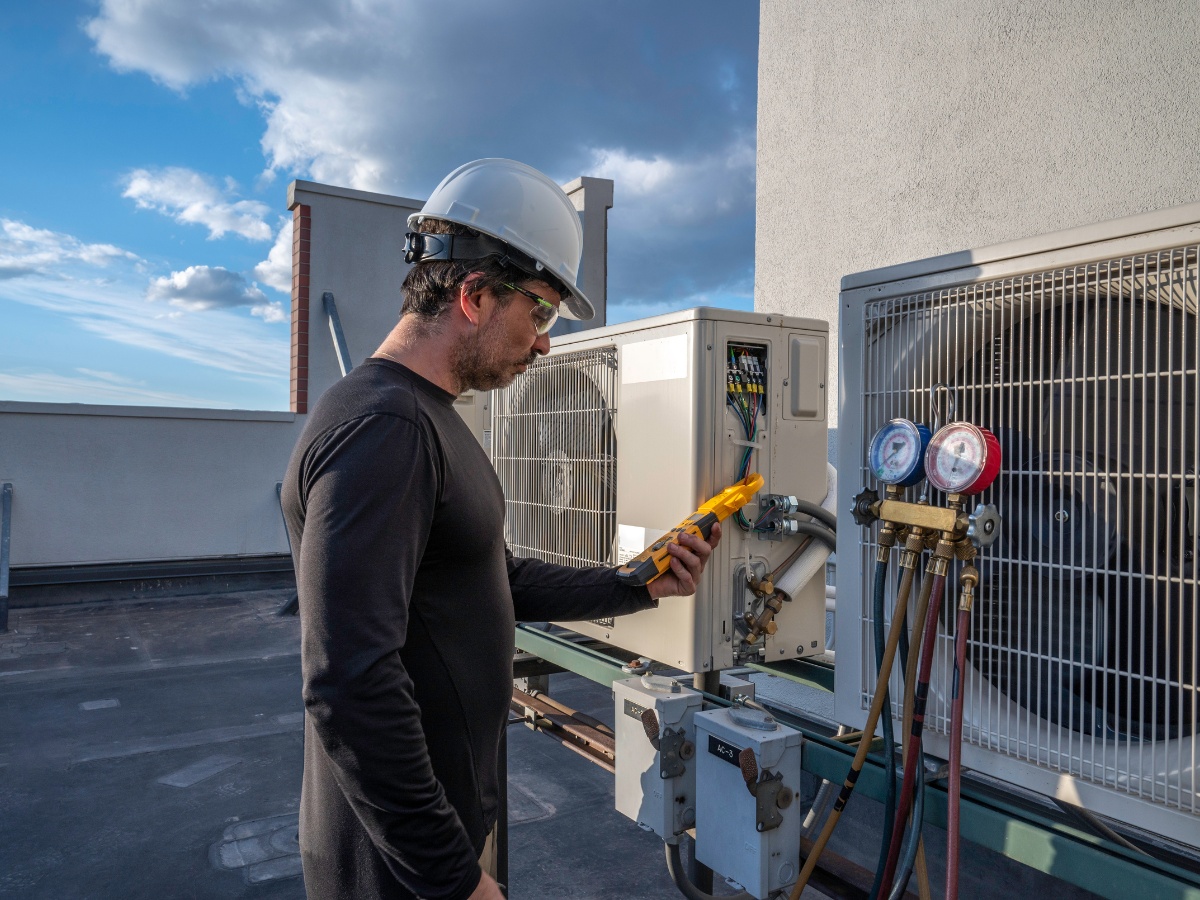
Consistent maintenance is one of the most practical ways to slow rising energy use without a full system replacement. Clean coils, proper refrigerant levels, and tight electrical connections help equipment run the way it was designed to.
Maintenance visits typically include coil cleaning, filter changes, refrigerant checks, and a general inspection of moving parts. None of these steps is complicated on its own, but skipping them for a year or two lets small inefficiencies stack up. Businesses that schedule routine HVAC maintenance tend to see fewer surprise breakdowns and steadier energy use across seasons.
Commercial air conditioning systems in particular benefit from this kind of attention, since cooling equipment often carries the heaviest seasonal workload in Oklahoma's summer months.
What Should Tulsa Business Owners Do Next?
An aging HVAC system rarely fails all at once. It loses ground slowly, one worn part and one leaking duct joint at a time, until the energy bill reflects a problem that has been building for years. Watching for the warning signs above and scheduling regular inspections can help a business catch that decline earlier.
Air Masters Inc. has served commercial and residential customers across the greater Tulsa area for decades. Our technicians can inspect an aging system, explain what is driving up usage, and lay out honest options for repair or replacement.
Contact us to schedule an inspection before rising commercial HVAC energy costs eat further into next quarter's budget.