BLOGS
How to Choose Between Rooftop Units vs. Split Systems for Your Commercial Building?
Picking the right commercial HVAC system is one of the biggest decisions you will make for your building. Get it wrong, and you are looking at years of high energy bills, uncomfortable tenants, and expensive repair calls. Get it right, and your building runs smoothly without constant headaches.
At Air Masters Inc., we have helped businesses across Tulsa, Oklahoma, make this exact choice. We know how confusing it can feel when you are staring at two solid options and trying to figure out which one actually fits your building. This guide is here to make that decision a whole lot simpler.
What Are Rooftop Units and How Do They Work?
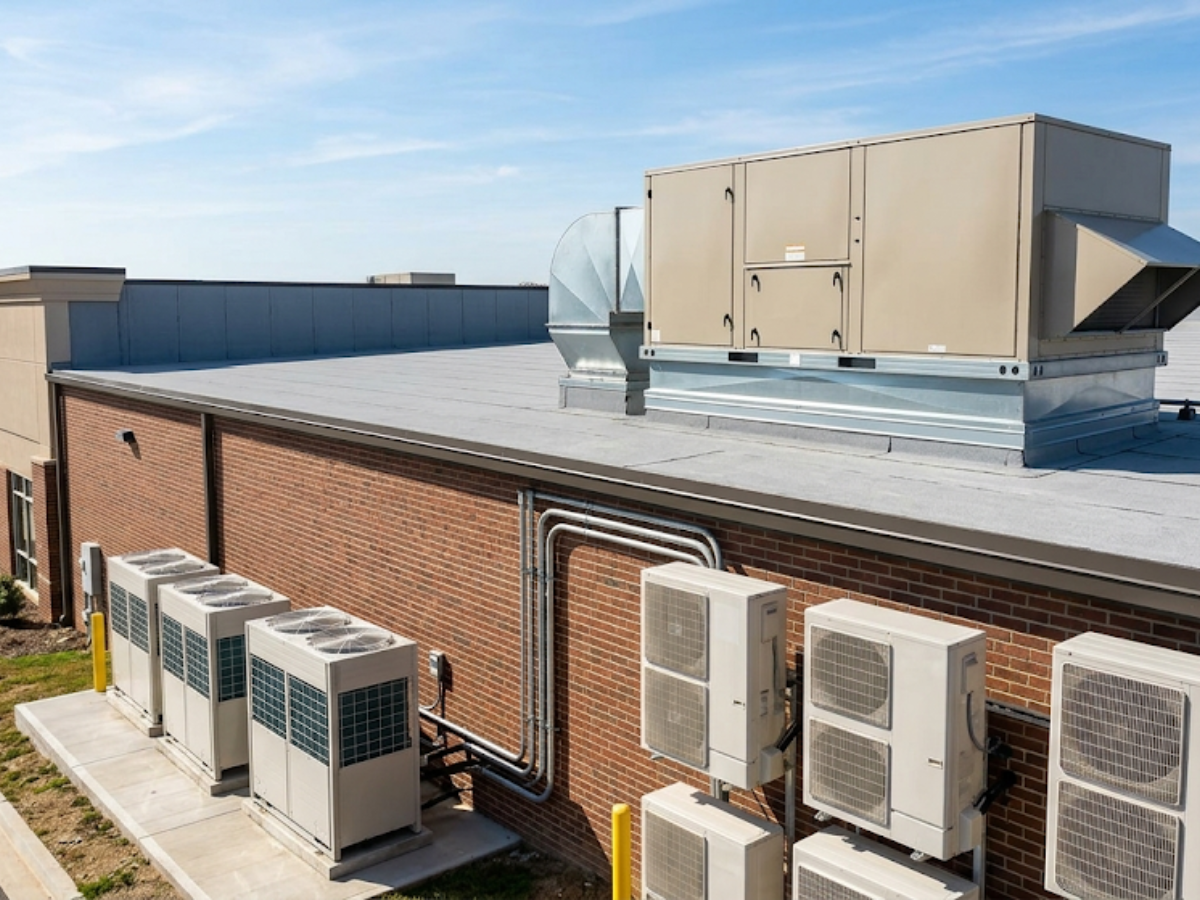
A rooftop unit, often called an RTU, is a self-contained packaged HVAC system that sits on top of your building. Everything you need, the compressor, condenser, evaporator, and air handler, is housed in one single cabinet mounted on the roof.
Ductwork runs from the unit down into the building to distribute conditioned air throughout your space. Because everything is in one place, installation tends to be straightforward, and the system takes up no floor space inside your building.
RTUs are a popular choice for single-story commercial buildings, retail spaces, warehouses, and office complexes. They are workhorses built to handle large square footage efficiently.
What Are Split Systems and How Do They Work?
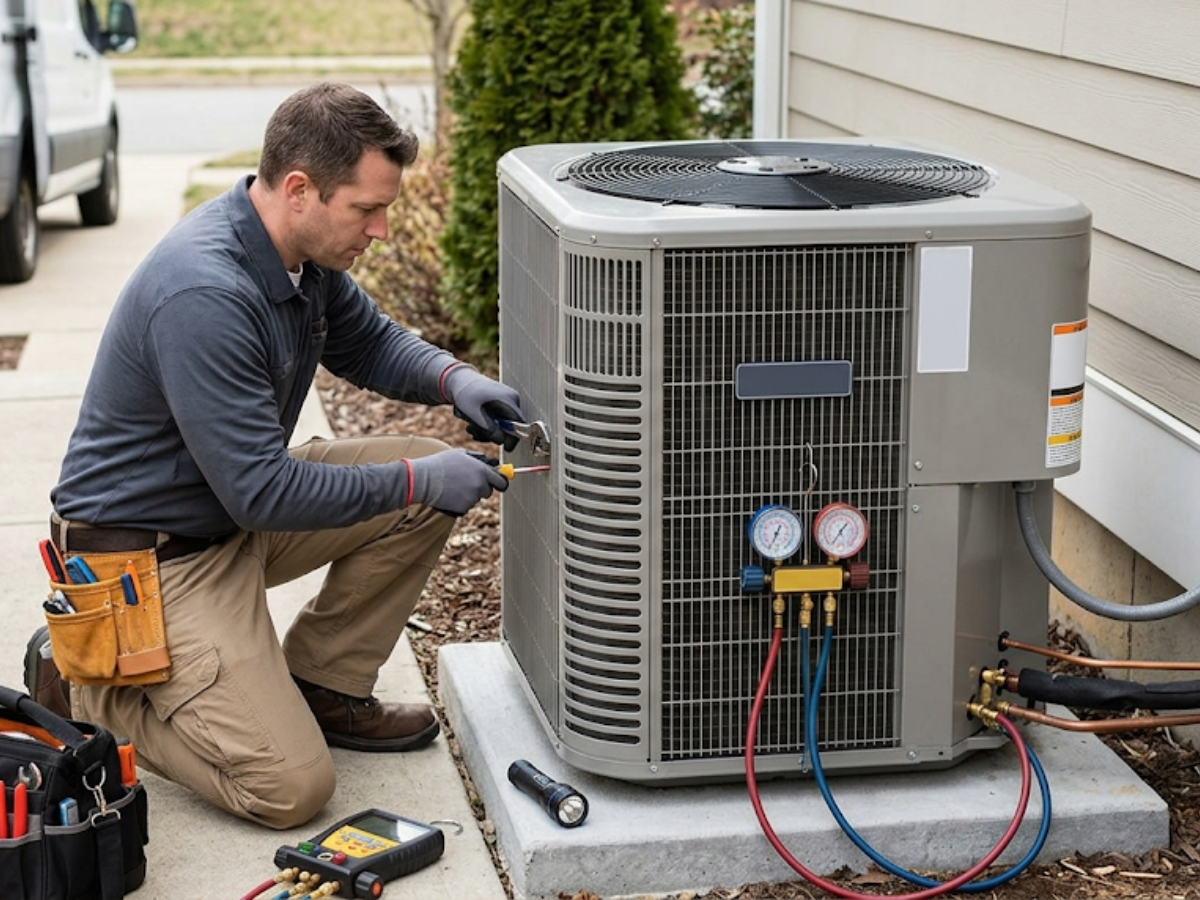
A commercial split system separates the components into two parts. The outdoor unit houses the compressor and condenser, while the indoor unit contains the evaporator and air handler. Refrigerant lines connect the two.
Split systems give you more flexibility in where you place each component, and they tend to operate more quietly inside the building. They work especially well for multi-story commercial buildings, medical offices, restaurants, and other spaces where precision zone temperature control is important.
Unlike rooftop units, split systems do not require roof access for the main mechanical work, which can simplify maintenance in certain building types.
Key Differences Between Rooftop Units and Split Systems
Understanding the core differences will help you zero in on the right fit for your property.
Installation and Space Requirements
Rooftop HVAC units keep everything off the ground and out of your usable space. If your building has a flat or low-slope roof with adequate structural support, an RTU is often the faster, less invasive option. Split systems require indoor space for the air handler, but they do not place any load on the roof. If your building has structural limitations or a complex roofline, a split system may be the smarter route.
Energy Efficiency
Modern high-efficiency rooftop units have come a long way. Many now include variable-speed fans and smart controls that significantly reduce energy consumption. However, because the unit is exposed to outdoor temperatures year-round, it can lose efficiency in extreme heat or cold.
Commercial split systems often perform slightly better in energy efficiency ratings because the indoor and outdoor components can be optimized independently. In climates like Oklahoma, where summer heat is intense, this can translate into real savings on your utility bill.
Maintenance and Serviceability
RTUs are generally easier and faster to service because all components are in one location. A technician can access everything from the roof. The trade-off is that roof access is always required, which can be challenging in bad weather or on buildings without proper roof access points.
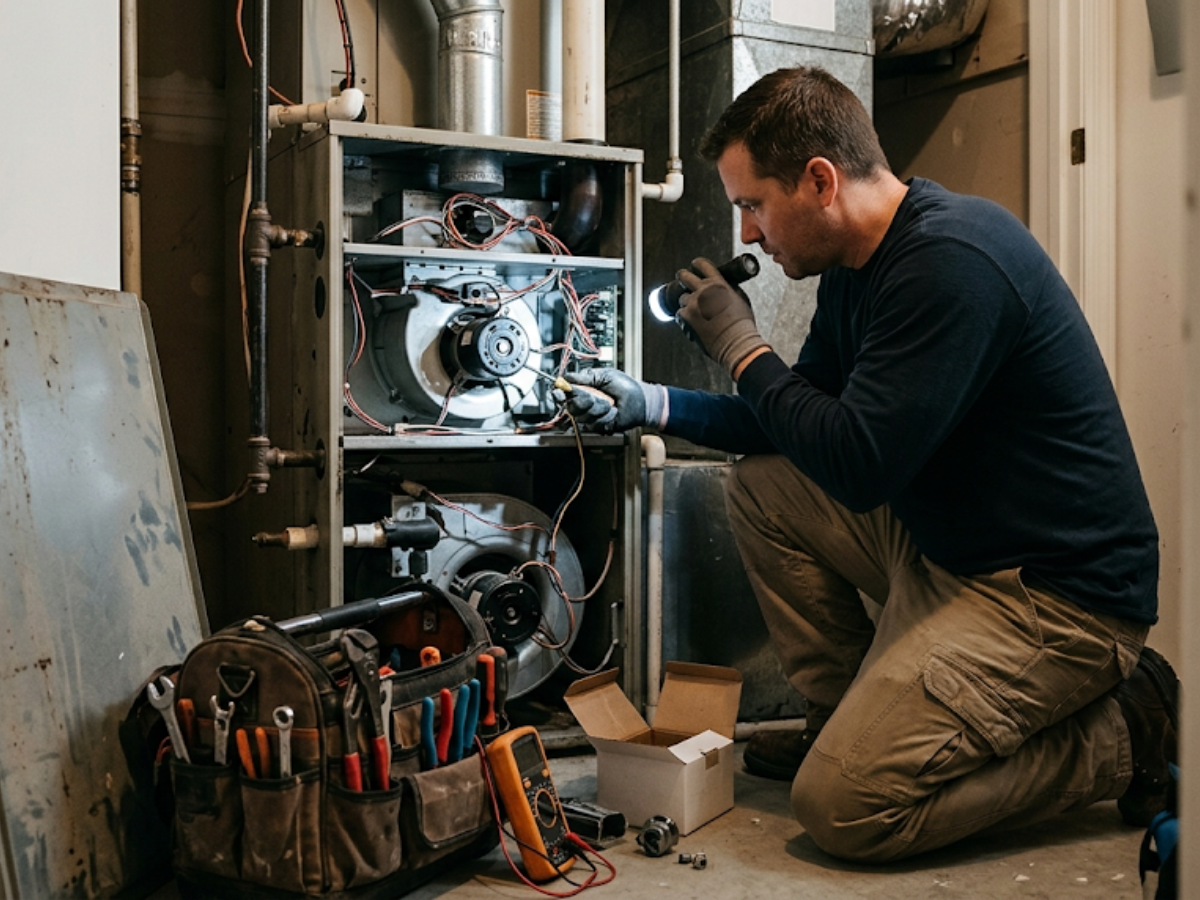
Split systems require service at two locations: the outdoor unit and the indoor air handler. For buildings with complex layouts, this can add time to routine HVAC maintenance visits.
Zoning Capabilities
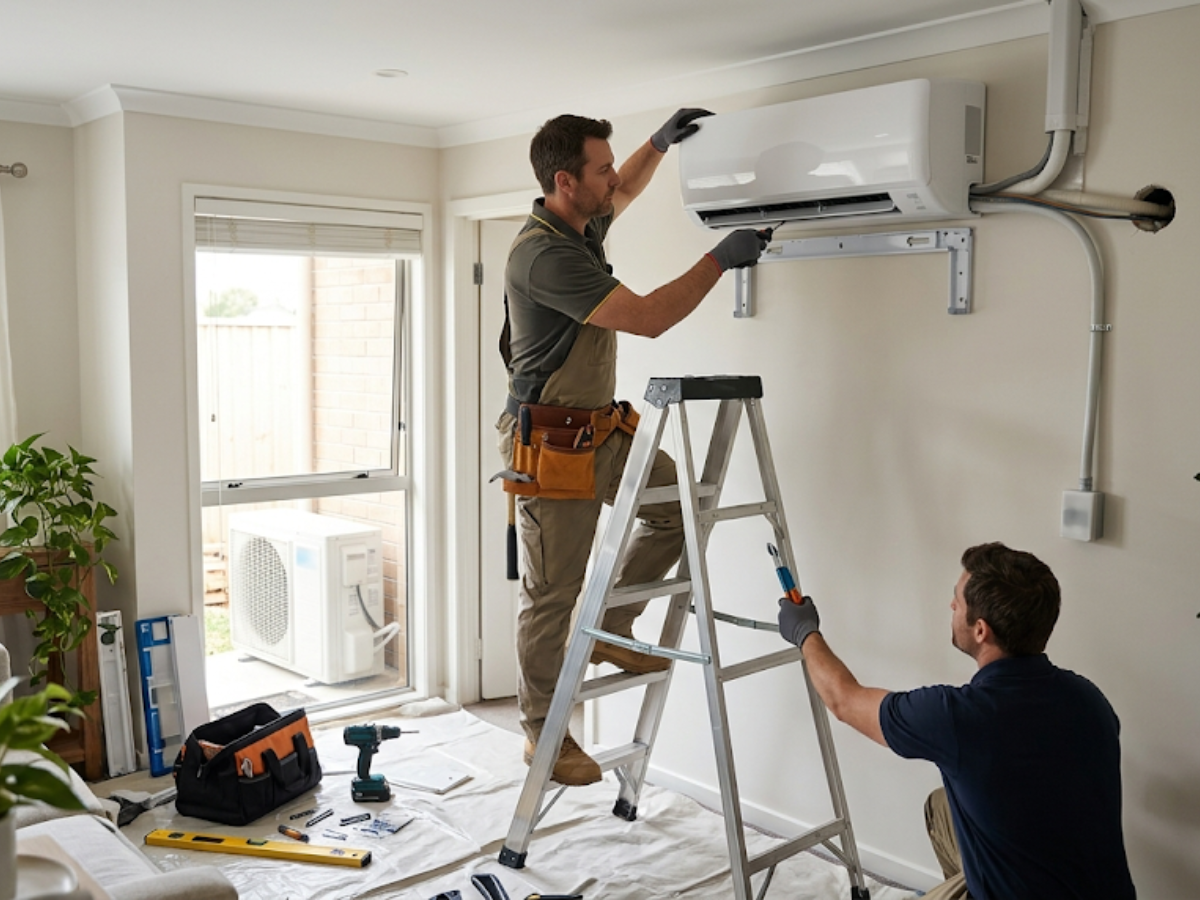
If you need different temperatures in different areas of your building, zoned HVAC systems are worth considering. Split systems, especially multi-zone mini-split systems, offer excellent zoning flexibility. You can control individual rooms or sections independently without running extensive ductwork.
RTUs can also support zoning, but they typically require a more elaborate duct design and damper system to achieve the same result.
Noise Levels
Because the mechanical components of a rooftop unit are outside and above the building, noise inside the building is usually minimal. This makes RTUs popular in retail stores and offices where a quiet interior environment is important.
Split systems with well-designed indoor units also run quietly, but older or lower-grade indoor units can create some noise. For noise-sensitive commercial spaces like medical offices or recording studios, this is worth factoring in.
Upfront Cost vs. Long-Term Value
Rooftop units typically have a lower upfront installation cost because they require less labor and fewer materials. Split systems often cost more to install due to the complexity of running refrigerant lines and setting up indoor units.
That said, the long-term HVAC system cost depends heavily on your building's specific needs, local climate conditions, and the system's maintenance. A well-maintained system of either type will deliver solid value over its lifespan.
Which System Is Right for Your Commercial Building?
There is no single answer that works for every building. Here is a straightforward way to think through it.
- Choose a Rooftop Unit If: Your building is a single-story structure with a flat or low-slope roof. You want a simpler installation with lower upfront costs. You do not need highly customized zone control and prefer a centralized commercial cooling system.
- Choose a Split System if: Your building has multiple floors or a complex layout. You need precise temperature zoning for different areas. You are working on a building with roof access limitations or structural concerns. You want a quieter indoor operation and a system that can scale as your needs change.
Why the Right HVAC Partner Makes All the Difference
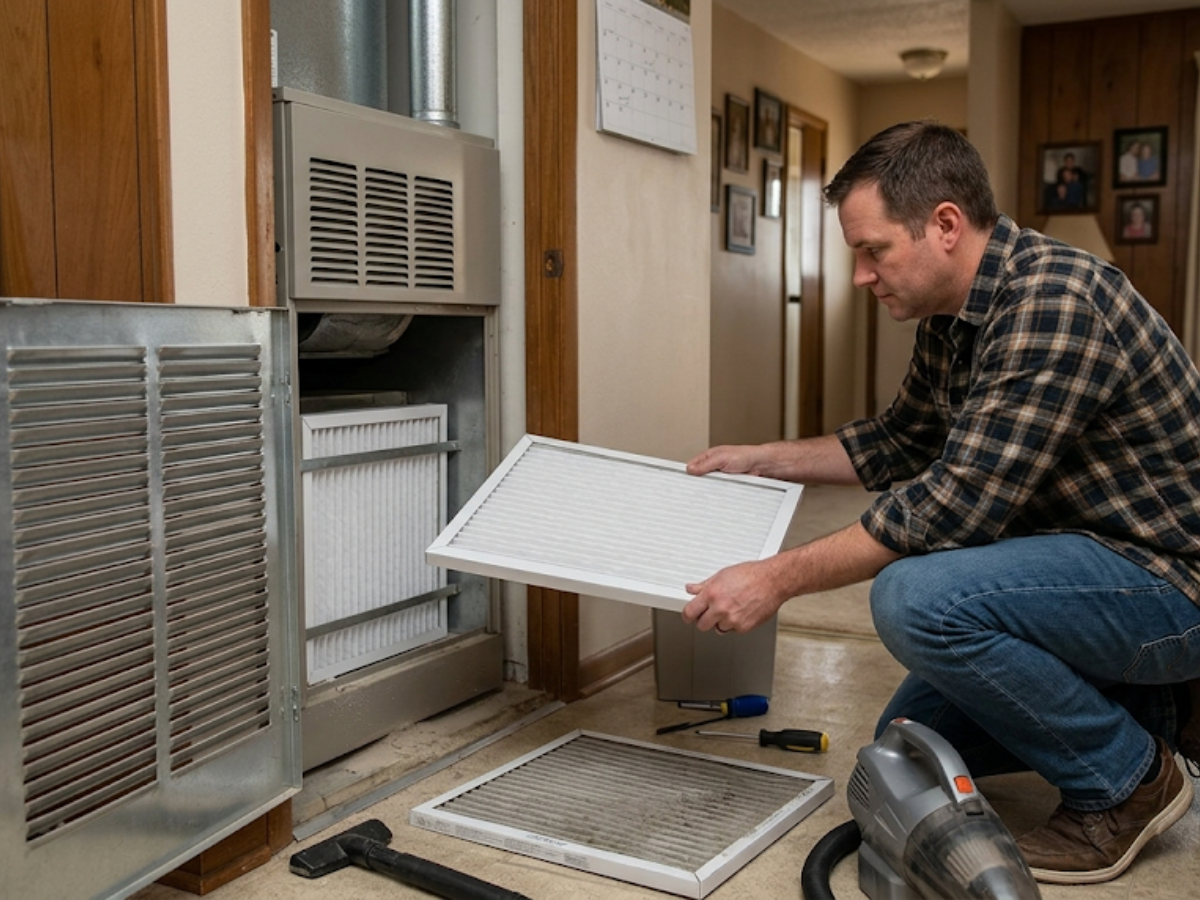
Even the best commercial HVAC system will struggle if it is not installed and maintained properly. Choosing the right system is important, but proper installation and routine service matter just as much. A reliable HVAC contractor will assess your building, understand your budget, and recommend solutions that truly fit your needs without unnecessary upselling. Professional installation, regular maintenance, and timely repairs help improve efficiency, reduce breakdowns, and extend equipment lifespan. Investing in quality HVAC service ensures better comfort, lower operating costs, and long-term performance for your commercial space. Schedule a professional consultation today to find the right HVAC solution for your business.
What is the main advantage of a rooftop unit over a split system for a commercial building?
Rooftop units consolidate all components into a single cabinet, simplifying installation, freeing up indoor space, and making service calls easier for single-story commercial properties.
Can a commercial split system effectively handle large buildings with multiple zones?
Yes. Multi-zone commercial split systems are specifically designed to handle large buildings and deliver independent temperature control across different areas without requiring extensive ductwork.
How long do commercial rooftop HVAC units typically last before they need to be replaced?
With regular professional maintenance, a commercial rooftop unit can last between 15 and 20 years. Proper installation and annual tune-ups are key factors in maximizing system lifespan.
Are split systems more energy efficient than rooftop units in hot climates like Oklahoma?
Split systems can offer slightly better efficiency in extreme heat because components can be optimized separately. However, modern high-efficiency RTUs perform very competitively when properly sized and maintained.
How do I know if my building's roof can structurally support a rooftop HVAC unit?
A qualified HVAC contractor or structural engineer can assess your roof before installation. Rooftop units vary in weight, and a proper structural evaluation ensures a safe, code-compliant installation for your building.
Conclusion
Choosing between a rooftop unit and a split system depends on your building layout, budget, and long-term comfort goals. Both are reliable HVAC options when properly installed and matched to the right space. Rooftop units are often ideal for single-story commercial buildings, while split systems offer better flexibility for multi-floor properties and zone-based temperature control.
The most important step is choosing a system that truly fits your building’s needs. The wrong setup can lead to higher energy bills, more repairs, and ongoing comfort issues.
At Air Masters Inc., we help Tulsa business owners make informed HVAC decisions with honest recommendations, fair pricing, and dependable quality. As a family-owned company, we focus on delivering solutions that improve efficiency, comfort, and long-term performance. Contact our team today for a professional assessment and discover the right commercial HVAC solution for your property.