BLOGS
HVAC Repair vs. Replacement: Which Option Is Right for Your Home
Deciding whether to repair vs. replace HVAC equipment is a dilemma every homeowner faces eventually. It usually happens on the hottest day of summer or the coldest night of winter when your system suddenly stops working. You are left wondering if a quick fix will do the trick or if it is time to invest in a brand new unit.
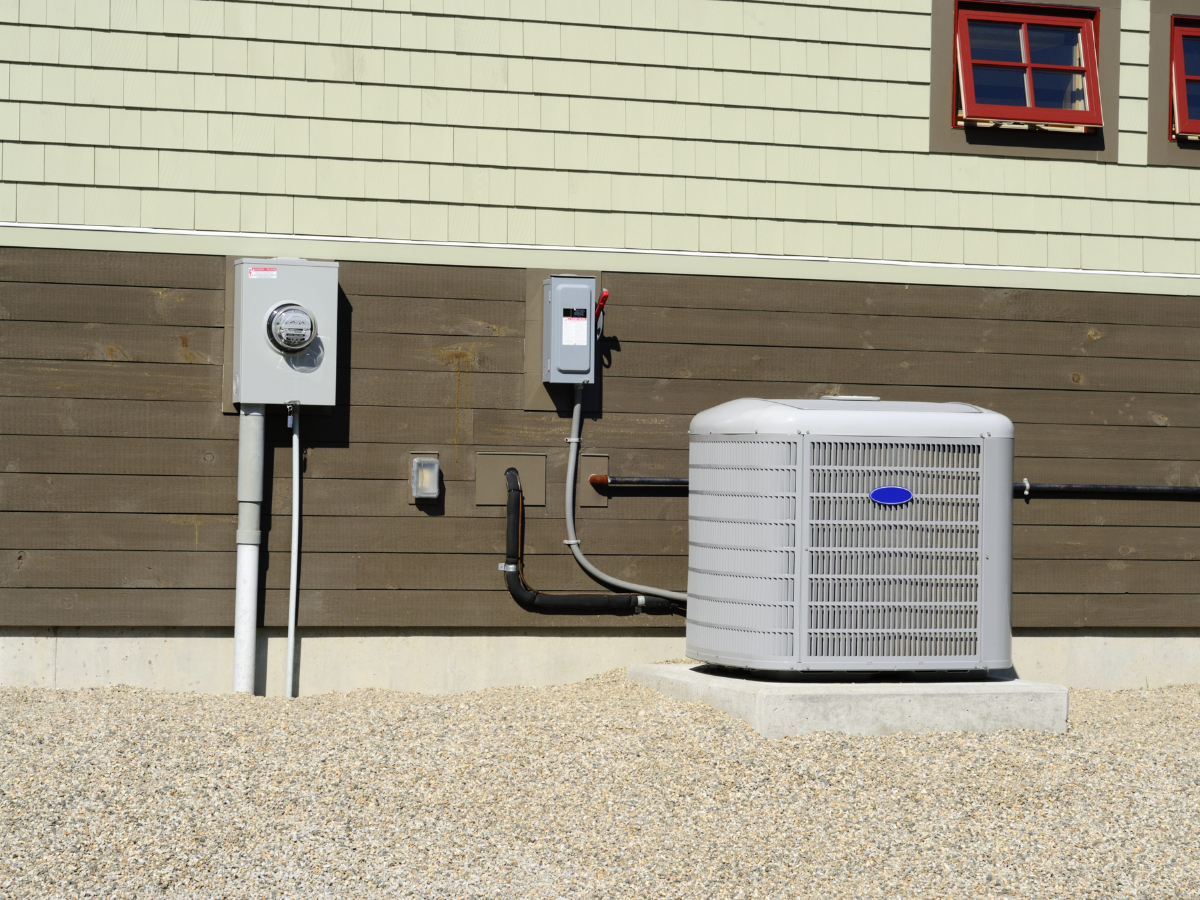
Maintaining a comfortable home environment is essential for your family's well-being. However, making the wrong choice can lead to wasted money and repeated service calls. To avoid unexpected breakdowns, it is vital to regularly maintain air conditioner units before the peak season hits. This guide will help you navigate the technical and financial aspects of your heating, ventilation, and air conditioning system so you can choose the path that makes the most sense for your wallet.
HVAC Repair vs. Replacement
The choice between fixing a unit and buying a new one is rarely black and white. It involves balancing the immediate cost of a residential HVAC service against the long-term savings of a modern installation. This often leads homeowners to a difficult furnace repair or replacement decision when winter approaches.
If your system is relatively young and has been reliable until now, a repair is often the logical choice. On the other hand, if you find yourself calling a technician every few months for an air conditioner repair vs. replacement consultation, you might be pouring money into a sinking ship. Modern units offer features that older models simply cannot match, making the transition more appealing as technology advances.
Signs Your HVAC System Only Needs a Repair
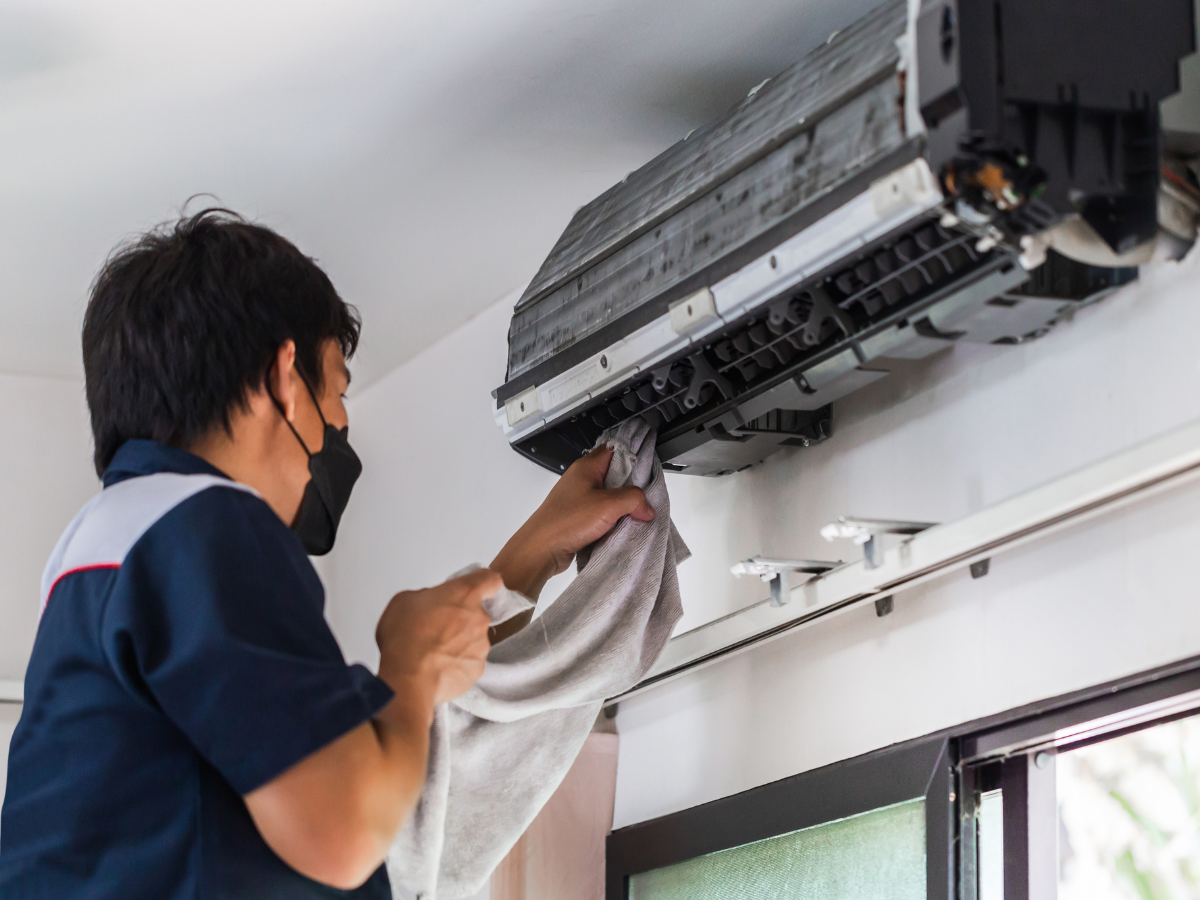
Not every mechanical issue signals the end of your equipment. Often, a small component failure is the only thing standing between you and a cool home. For instance, common ac cooling problems like frozen coils or clogged filters can often be resolved without a full replacement. You should likely opt for a repair if:
- The system is under ten years old: Most units are still within their prime during the first decade.
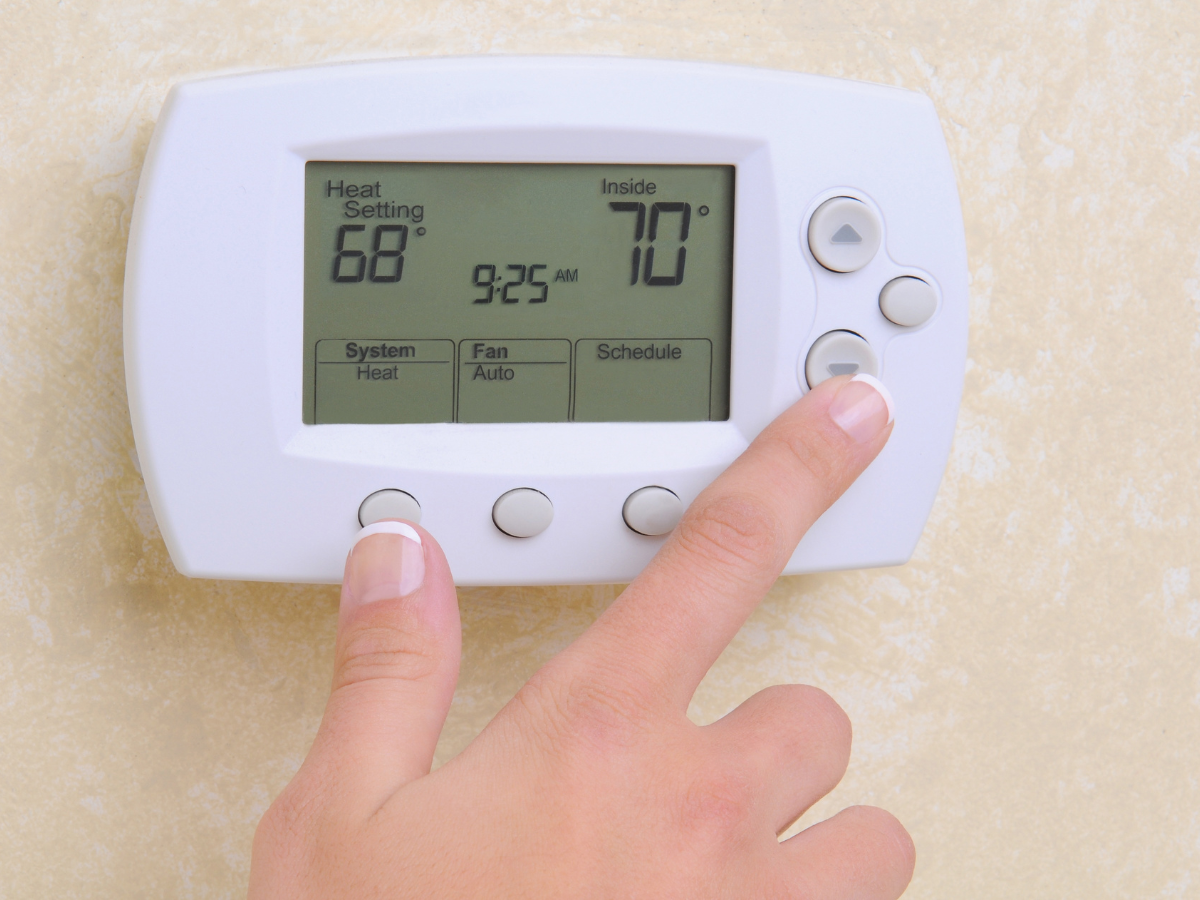
- The issue is minor: Problems like a slipped belt, a clogged drain line, or a faulty thermostat control system are inexpensive to fix.
- Performance is generally good: If your energy bills are stable and the home stays comfortable, the core of the system is likely healthy.
- It is still under warranty: Many manufacturers cover parts for five to ten years, significantly lowering your HVAC maintenance and repair costs.
When Replacing Your HVAC System Becomes the Smarter Choice
There comes a point where even the best air conditioning unit or furnace heating system reaches its limit. Replacement becomes the smarter financial move when the frequency of breakdowns increases.
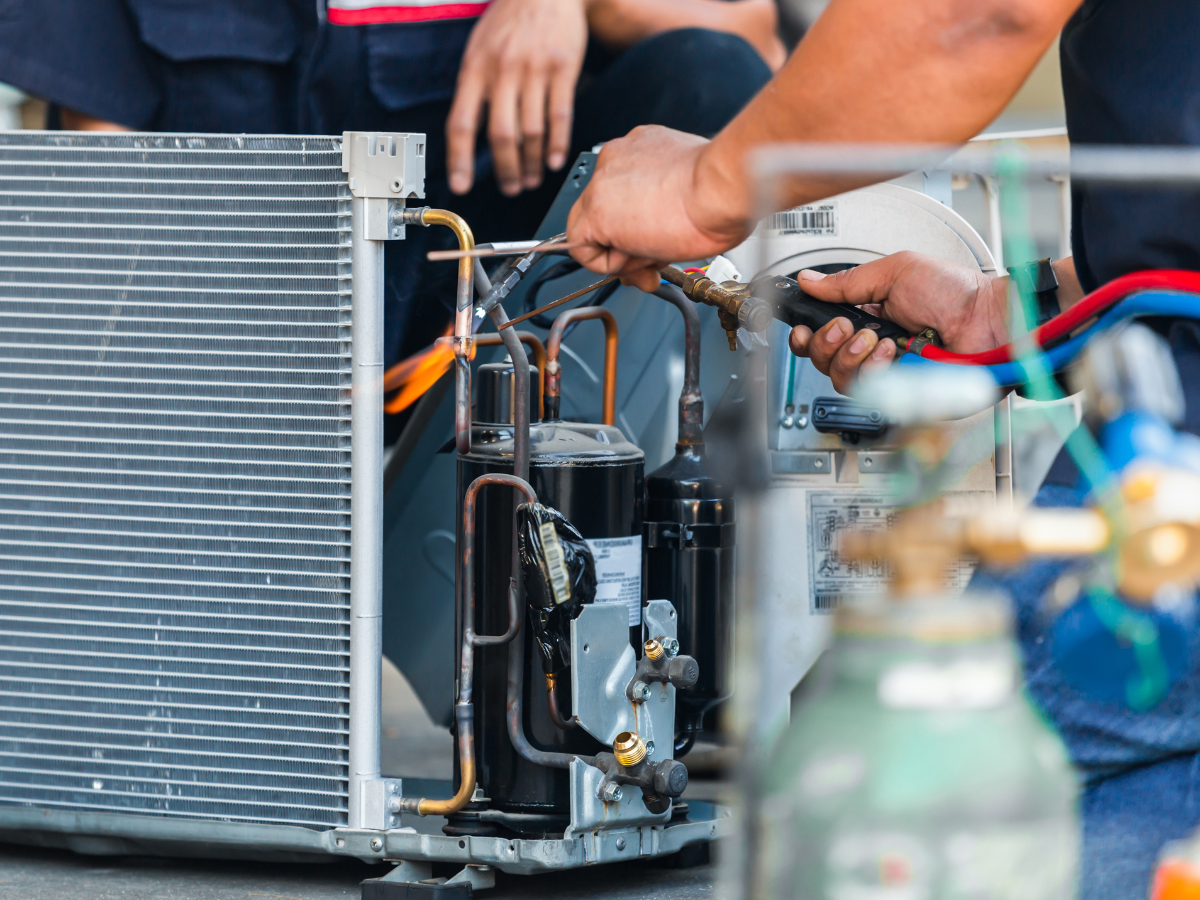
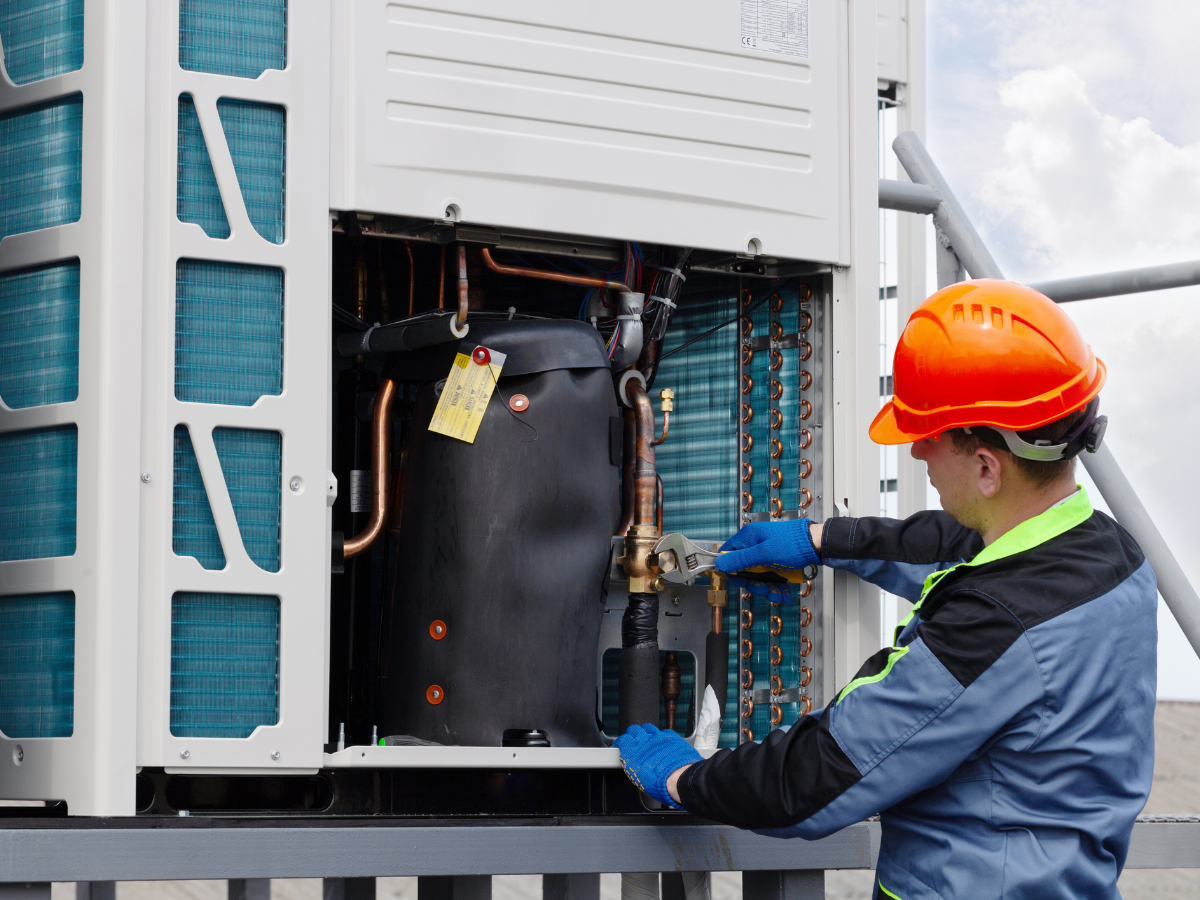
If you are facing a major component failure, such as a broken HVAC compressor, the cost of the part plus labor might be nearly half the price of a new system. Many homeowners also wonder about
hvac insurance coverage when these big-ticket failures occur, as certain policies may help offset the cost of sudden damage. Additionally, if your unit still uses R-22 refrigerant, which has been phased out, the refrigerant cooling cycle becomes extremely expensive to service.

Key Factors to Consider Before Deciding on Repair or Replacement
Before you sign an estimate, take a step back and look at the bigger picture. Consider these three critical pillars:
- Safety: If your furnace heating system has a cracked heat exchanger, it could leak carbon monoxide. Safety issues almost always warrant an immediate replacement.
- Frequency of Repairs: Keep a log of your AC repair services. If you have repaired the unit more than twice in the last two years, it is a sign of systemic failure.
- Future Plans: Do you plan on living in your home for another ten years? If so, a new heating and cooling system replacement is a great investment. If you are moving next month, a repair might suffice.
HVAC System Lifespan and Why Age Matters
Age is the most objective factor in the repair vs. replace HVAC debate. Most residential systems are designed to last between 15 and 20 years.
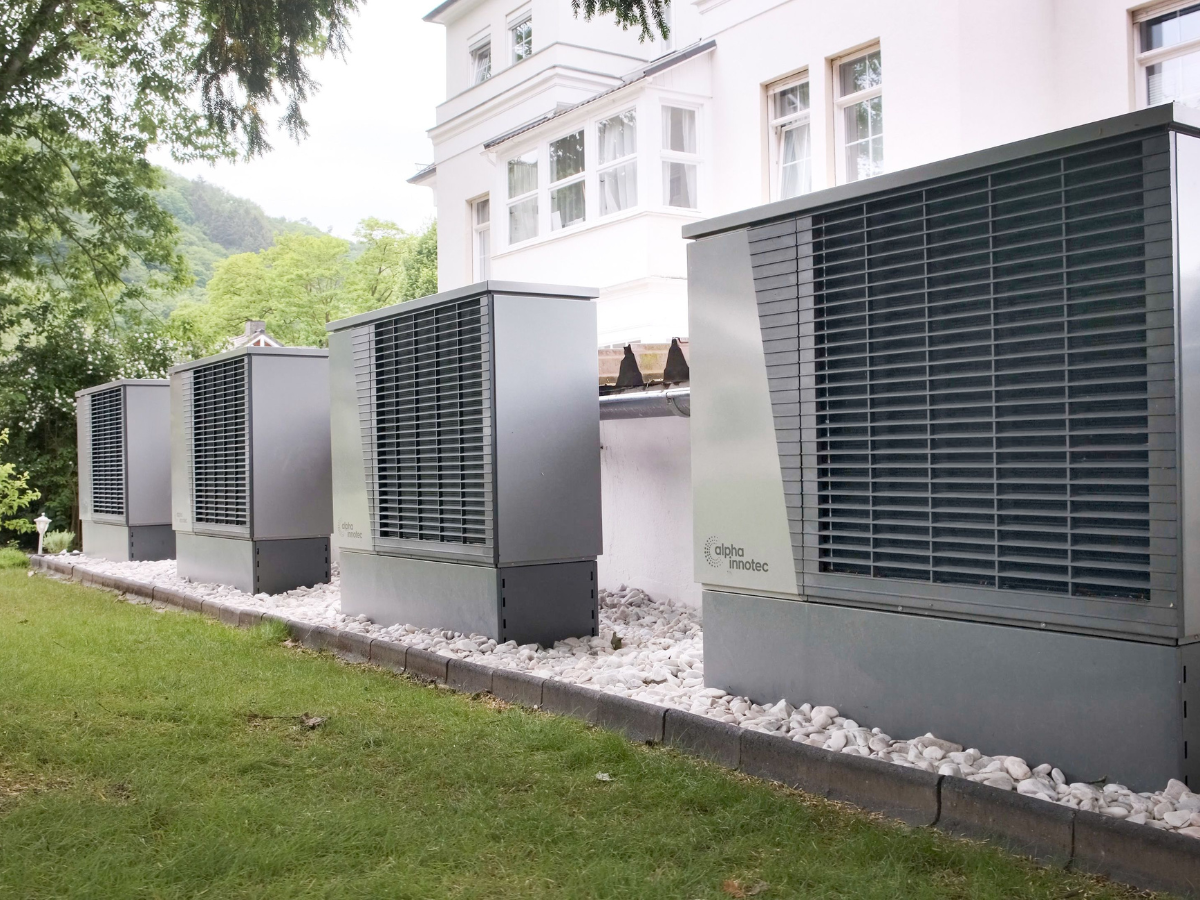
To ensure your unit reaches this maximum lifespan, scheduling a seasonal ac tune up is the best way to catch wear and tear early. A heat pump system or an air conditioner typically sees a lifespan of about 15 years due to the heavy workload during humid summers. Furnaces can sometimes stretch to 20 years because they have fewer moving parts exposed to the elements. Once your system crosses the 12- to 15-year mark, its internal components begin to wear down simultaneously. Even if you fix one part, another is likely to fail soon after.
Cost Comparison Between HVAC Repair and Replacement
The financial side of this decision often comes down to the 50% rule. This rule suggests that if the HVAC system repair cost exceeds 50% of the value of a new system, replacement is the better path.
While a repair might cost $500, a full home HVAC efficiency upgrade might cost several thousand. However, you must factor in the "hidden" costs of keeping an old unit. This includes higher monthly utility bills and the likelihood of another $500 repair next season. Over five years, the cumulative cost of maintaining an old unit often exceeds the monthly financing payment of a high-efficiency new one.
Energy Efficiency Benefits of Installing a New HVAC System
Today’s HVAC technology is vastly superior to systems built just a decade ago. Modern units have much higher SEER2 (Seasonal Energy Efficiency Ratio) ratings.
By upgrading, you can significantly reduce your monthly energy consumption. Features like variable-speed blowers and multi-stage compressors allow the system to work smarter, not harder. This means your home stays at a consistent temperature without the constant "on and off" cycling that characterizes older models. This improved efficiency not only helps the environment but also puts money back into your pocket every single month through lower utility bills.
Professional HVAC Inspection: The Best Way to Make the Right Decision
While online guides provide a great baseline, nothing replaces an on-site evaluation by a qualified technician. A professional can perform a load calculation to see if your current system is even the right size for your home.
During a professional HVAC inspection, a technician will check the integrity of your ductwork, the condition of the electrical components, and the efficiency of the refrigerant cooling cycle. This data-driven approach removes the guesswork and ensures you spend your money wisely.
How do I know whether to repair or replace my HVAC system?
Check the age, the cost of the current repair, and your recent energy bills. If the system is over 15 years old and the repair is expensive, replacement is usually better.
At what age should an HVAC system be replaced?
Most experts recommend considering a replacement between 15 and 20 years for furnaces and 12 to 15 years for air conditioners and heat pumps.
Is it cheaper to repair or replace an HVAC system?
Repairing is cheaper in the short term, but replacing is often cheaper over time due to lower energy bills and fewer service calls.
What is the 50% rule for HVAC repair vs. replacement?
If the cost of a single repair is more than 50% of the cost of a brand-new system, you should replace the unit instead of fixing it.
Can a new HVAC system reduce energy bills?
Yes, modern high-efficiency systems can reduce your cooling and heating costs by 20% to 40% compared to older, less efficient models.
Frequently Asked Questions
Conclusion
Choosing between repairing vs. replacing HVAC equipment is a major decision that impacts both your comfort and your finances. By considering the age of your unit, the frequency of breakdowns, and the potential for energy savings, you can make a choice that brings long-term peace of mind.
If you are still unsure which path to take, a professional assessment is the best next step. Our team is ready to provide a thorough evaluation of your equipment and help you explore all available residential HVAC service options to keep your home comfortable year-round.