BLOGS
HVAC Noise Complaints in Apartments and Rentals: Landlord vs Tenant Responsibility
A rattling vent at midnight or a compressor that groans loudly every time it kicks on can turn a quiet apartment into a real source of daily frustration. When hvac noise becomes a recurring issue in a rental property, the first question is rarely about the sound itself. It is about who is supposed to fix it.
Landlords and tenants in the Tulsa area often assume the answer is obvious, and it usually is not. Understanding where responsibility falls can save both sides time, money, and a lot of unnecessary back and forth.
What Counts as a Normal HVAC Noise
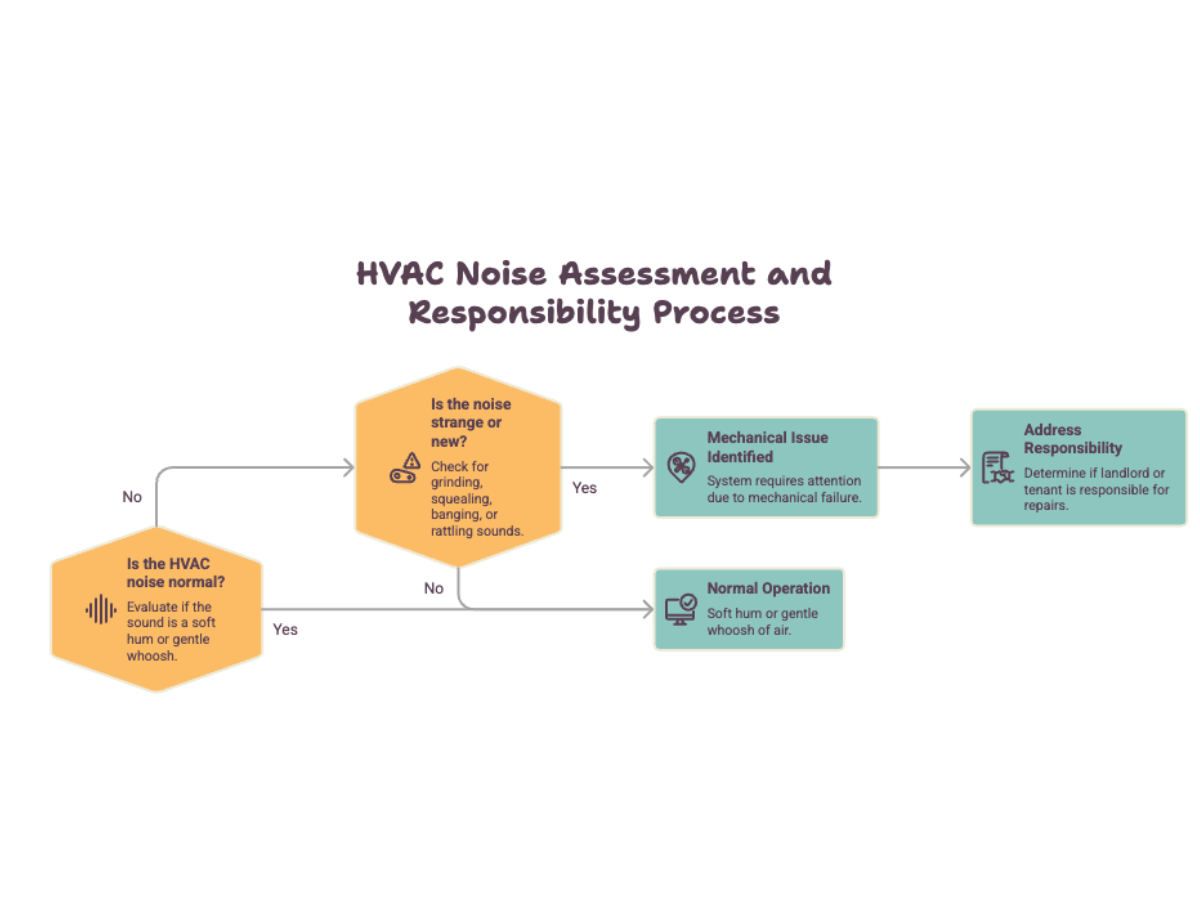
Every home heating and cooling system makes some sound, including systems installed as part of multi-family hvac installation projects.. A soft hum from the outdoor unit or a gentle whoosh of air through the vents is completely normal and not something anyone needs to worry about.
Problems start when homeowners or renters notice strange noises coming from the air conditioner that were not there before. Grinding, squealing, banging, or a loud rattling sound usually points to a mechanical issue rather than normal operation.
A sound that shows up suddenly or grows louder over time is almost always a sign that something inside the system needs attention. Waiting it out rarely makes the problem go away, and it often gets worse the longer it runs unaddressed.
Common Causes Behind the Complaint
Several issues tend to show up again and again in rental properties. A loose panel or fan blade often causes rattling, while worn bearings inside the motor create a grinding or squealing sound.
Refrigerant lines that were not properly secured during installation can vibrate against the wall or ductwork, producing a knocking noise that gets worse as the system runs. Dirty or clogged filters can also strain the blower motor, leading to a louder hum than usual.
- Loose panels, screws, or fan blades
- Worn or failing motor bearings
- Vibrating refrigerant lines
- Clogged filters straining the blower
- Ductwork that has come loose over time
Most of these causes trace back to equipment age, installation quality, or routine wear rather than anything the tenant did wrong.
Where Landlord Responsibility Usually Applies
In most rental agreements, the landlord or property owner is responsible for maintaining the HVAC system in good working order. This typically includes repairs related to mechanical failure, aging equipment, and normal wear that develops over time.
If a tenant reports hvac noise and the cause turns out to be a failing compressor, worn motor, or outdated system nearing the end of its life, that repair generally falls on the property owner. Deferred maintenance from before the tenant moved in also tends to be a landlord responsibility.
Lease agreements and local rental ordinances outline these obligations in more detail, so both parties should review their specific lease terms rather than assume a blanket rule applies. When lease language feels unclear, an early conversation between landlord and tenant resolves far more than waiting until frustration builds.
Where Tenant Responsibility May Come Into Play
Tenant responsibility usually enters the picture when the noise stems from something within the renter’s control. Blocking a vent with furniture, ignoring a dirty filter for months, or damaging a unit through misuse can shift responsibility depending on the lease terms.
Reporting issues promptly matters too. A tenant who notices an unusual sound and waits several months before saying anything may share responsibility if the delay allowed a small issue to turn into a bigger repair.
Clear communication early on tends to prevent most disputes before they start.
When It Is Time to Call a Professional
Regardless of who ultimately covers the repair, an unusual sound deserves a professional inspection rather than a guessing game. A trained technician can pinpoint whether the issue is a simple fix or a sign of a larger mechanical problem.
We work with both homeowners and rental property managers across Tulsa, Jenks, Broken Arrow, Glenpool, Bixby, and Sapulpa to diagnose hvac noise quickly and accurately, so everyone involved knows exactly what needs to happen next.
Getting a Clear Answer for Everyone Involved
Noise complaints do not have to turn into a drawn out disagreement between landlords and tenants. A professional inspection gives both sides a clear, unbiased answer about what is causing the problem and what it will take to fix it.
Air Masters Inc. has served Tulsa area homeowners and rental properties since 1997, and we understand how important a fast, accurate diagnosis is for everyone involved. If hvac noise has become a point of contention at your property, reach out and let our team settle the question with a proper inspection.
Frequently Asked Questions
Who pays for HVAC repairs in a rental property?
This depends on the lease agreement, though landlords typically cover repairs related to normal wear and mechanical failure.
Can a loud AC unit be a sign of a bigger problem?
Yes. Grinding, squealing, or banging noises often point to worn parts or loose components that need prompt attention.
Should tenants report HVAC noise right away?
Yes. Reporting issues promptly helps prevent minor problems from turning into costly repairs and clarifies responsibility.
Does a dirty filter cause unusual noise?
It can. A clogged filter strains the blower motor, which sometimes creates a noticeably louder hum during operation.
How quickly can a technician diagnose the issue?
Most inspections identify the cause of hvac noise in a single visit, allowing for a clear repair plan right away.