BLOGS
Warehouse HVAC Solutions: Heating and Cooling Large Industrial Spaces
Keeping a warehouse comfortable is nothing like cooling a home or a small office. These are massive open spaces with high ceilings, heavy foot traffic, and equipment that generates significant heat.
When the temperature swings out of control, your products, your machinery, and your people all feel it. That is why getting your warehouse HVAC system right matters more than most owners realize.
In this guide, we break down practical
heating and cooling solutions for large industrial spaces, how to choose the right system, and how to keep energy costs from spiraling out of control.
Why Warehouse Heating and Cooling Is So Different
A warehouse is not just a bigger version of a regular building. The sheer cubic footage changes everything about how air moves and how temperature behaves.
Heat rises and gets trapped near tall ceilings, while the floor where your team actually works stays cold. This stratification problem is one of the biggest challenges in industrial climate control.
On top of that, large bay doors open and close all day, letting conditioned air escape and outside air rush in. Without the right design, you are essentially heating or cooling the outdoors.
Common HVAC Challenges in Large Industrial Spaces
Before choosing a system, it helps to understand what you are up against. Most warehouses share a familiar set of headaches.
- Uneven temperatures are the most common complaint. One corner feels like a freezer, while another sits near the loading dock, baking all afternoon.
- Poor air circulation leads to stale, humid air that can damage inventory and create an uncomfortable workspace. Moisture buildup can also encourage mold and rust over time.
- High energy bills round out the list. Oversized or inefficient equipment runs constantly, burning money without ever truly solving the comfort problem.
Types of Warehouse HVAC Systems
There is no single right answer for every facility. The best choice depends on your square footage, ceiling height, budget, and what you store inside.
Rooftop Units (RTUs)
Packaged rooftop units are a go-to for many commercial buildings. They sit on the roof, save valuable floor space, and bundle heating and cooling into one unit. RTUs are easy to scale because you can add more units as your space grows. They also make maintenance easier, since technicians work on the roof rather than around your inventory.
HVLS Fans and Destratification
High-volume, low-speed (HVLS) fans are large ceiling fans that move enormous amounts of air slowly and efficiently. They push trapped warm air back down to floor level in winter. In summer, they create a gentle breeze that cools workers without lowering the thermostat. Pairing fans with your main system is one of the smartest, energy-efficient HVAC moves you can make.
Radiant Heating Systems
For heating, radiant tube heaters warm objects and people directly rather than heating the entire air. This approach works beautifully in spaces with constant door openings. Because radiant heat does not rely on warming a huge volume of air, it delivers comfort faster and wastes less energy in drafty environments.
Evaporative Coolers
In dry climates, evaporative cooling systems use water to cool incoming air at a fraction of the cost of traditional air conditioning. They work especially well in warehouses that need both ventilation and cooling.
How to Properly Size a Warehouse HVAC System
Sizing is where many projects go wrong. An undersized system never keeps up, and an oversized one short-cycles, wastes energy, and wears out fast.
Proper load calculation considers far more than square footage. A qualified technician factors in ceiling height, insulation, the number of doors, occupancy, and internal heat from machinery.
We also look at what you store. A space full of temperature-sensitive goods needs tighter control than a facility holding pallets of non-perishable materials.
This is why a professional HVAC load assessment beats any online calculator. Getting the math right up front saves you from costly corrections later.
Energy Efficiency and Cost Savings
Energy is often the single largest operating expense for a warehouse. Smart HVAC design can cut that bill dramatically without sacrificing comfort.
Adding proper insulation and sealing air leaks around doors and walls keeps conditioned air where it belongs. Even simple upgrades like high-speed door curtains make a noticeable difference.
Programmable thermostats and zoning controls let you condition only the areas in use. There is no reason to cool a storage section that nobody enters for hours at a time.
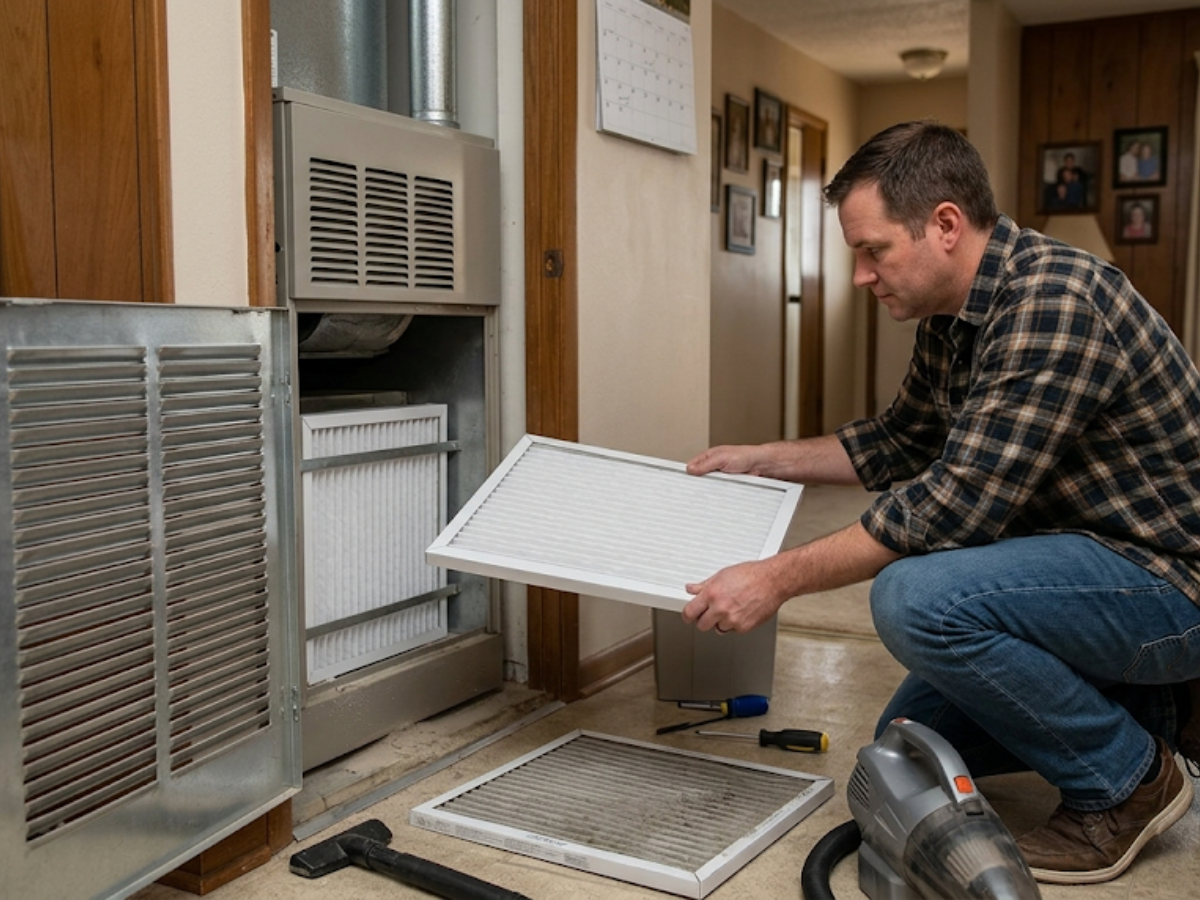
Routine preventive maintenance also protects your investment. Clean coils, fresh filters, and well-tuned equipment run more efficiently and last years longer.
The Value of Professional Installation and Maintenance
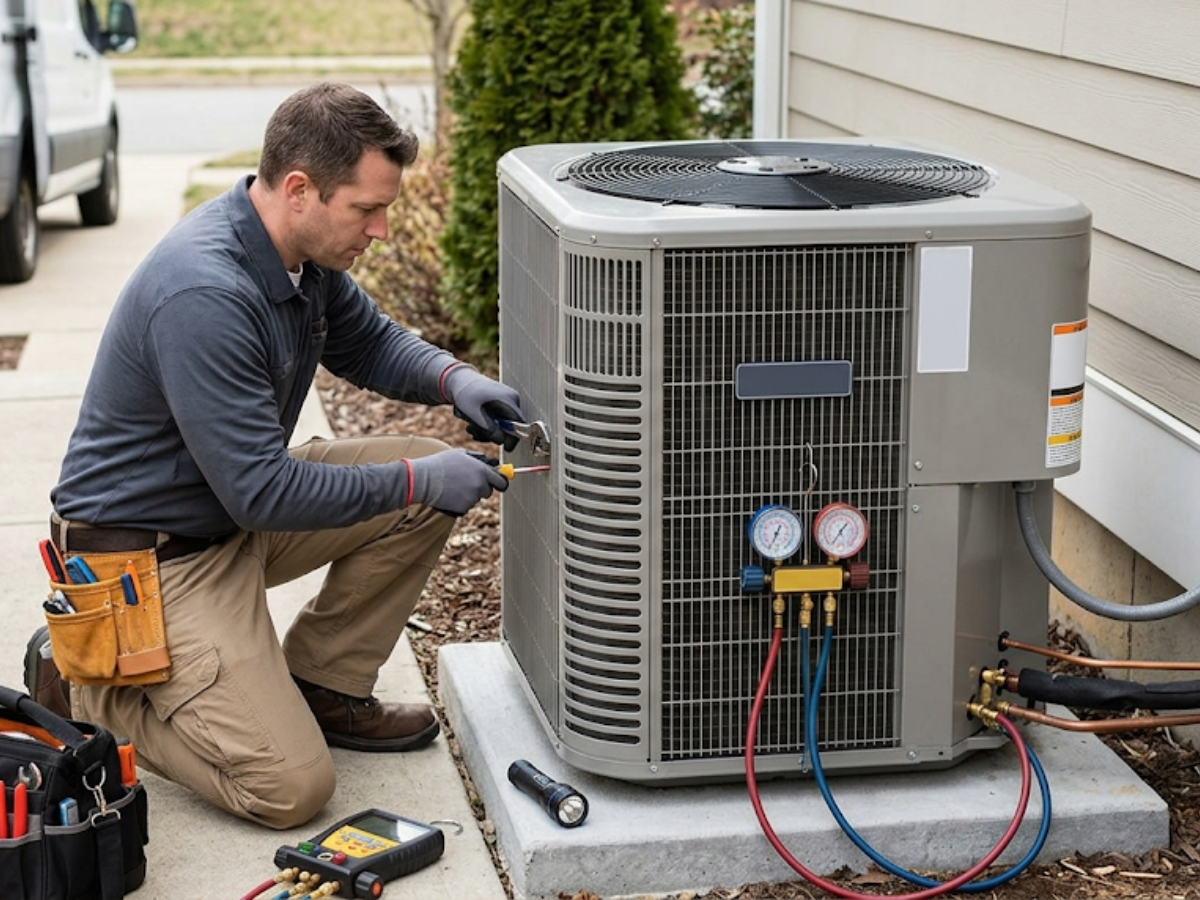
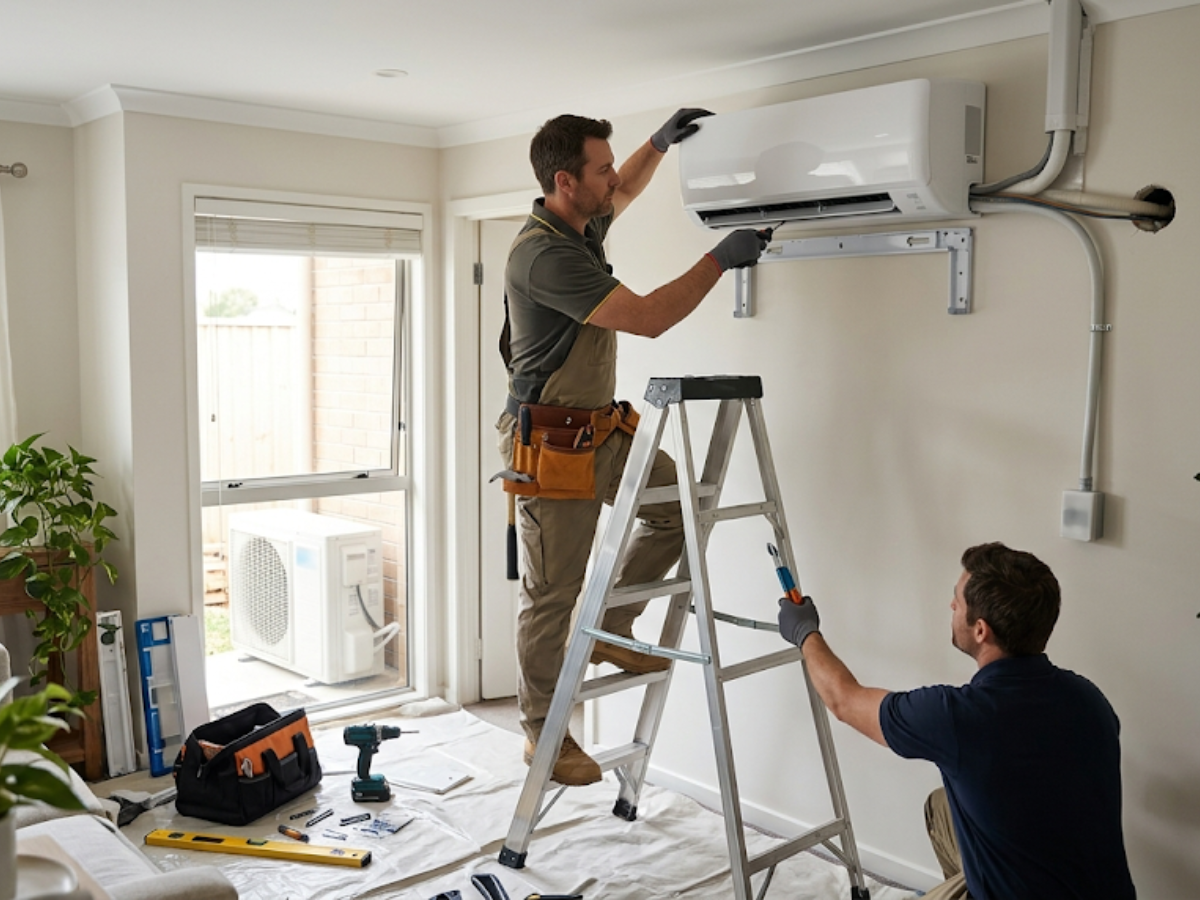
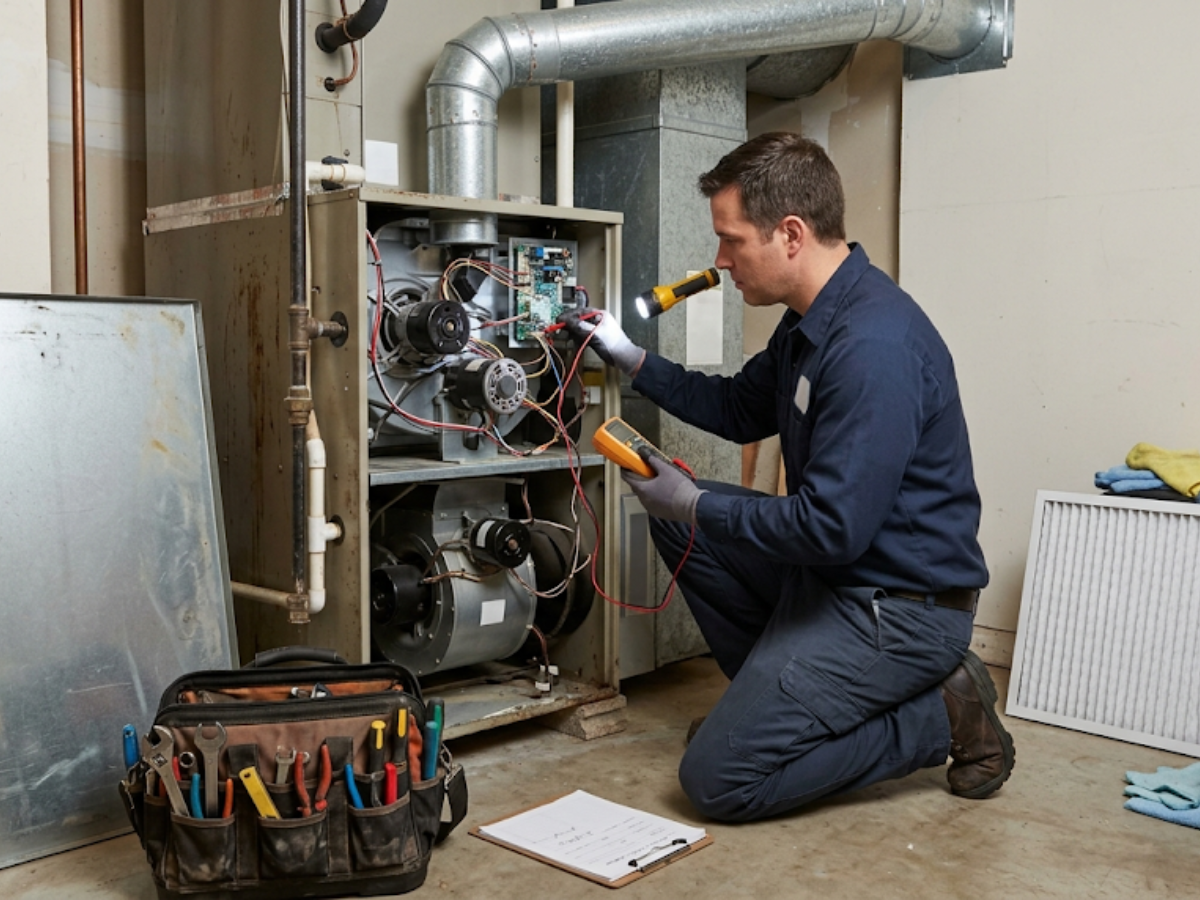
A warehouse HVAC system is a major investment, and the quality of its installation determines how well it performs over the next decade. Cutting corners here always costs more down the road. Our team brings years of hands-on experience with commercial and industrial HVAC projects. We design each system around your building, workflow, and budget rather than imposing a one-size-fits-all approach.
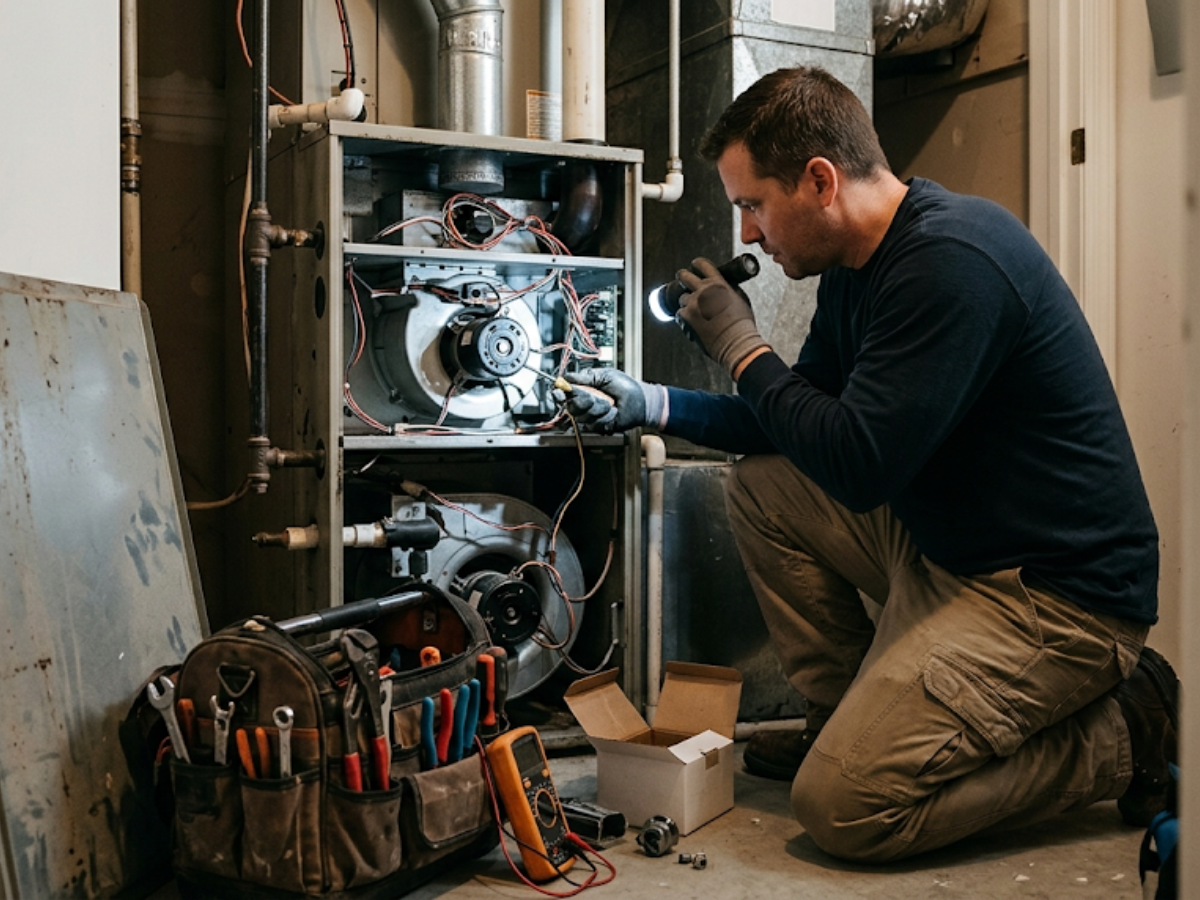
We handle everything from the first ductwork layout to ongoing tune-ups. With honest pricing and dependable service, we treat your facility as if it were our own. When something does go wrong, fast and reliable repair keeps your operation running. A breakdown during peak season is the kind of disruption no business can afford.
Signs Your Warehouse Needs an HVAC Upgrade
Sometimes the warning signs are easy to miss until comfort or costs become a real problem. A few clear signals are worth watching for. If your energy bills keep climbing while comfort drops, your equipment is likely working too hard. Aging systems lose efficiency every year they run past their prime. Frequent repairs, uneven temperatures, and constant humidity complaints are also red flags. At some point, repeated fixes cost more than a smart, modern replacement.
Frequently Asked Questions
What is the best HVAC system for a large warehouse?
The best system depends on your space and climate, but rooftop units paired with HVLS fans and radiant heating often deliver the most efficient, balanced comfort.
How do you cool a warehouse with high ceilings?
High ceilings trap heat near the top, so combining destratification fans with properly sized cooling units pushes comfortable air down to where your team actually works.
How much does a warehouse HVAC system cost?
Costs vary widely depending on square footage, system type, and building conditions, so a professional load assessment provides the most accurate and honest estimate.
How often should industrial HVAC systems be serviced?
Most warehouse HVAC systems benefit from professional maintenance at least twice a year, ideally before peak heating and cooling seasons, to maximize efficiency and lifespan.
Can one HVAC system heat and cool an entire warehouse?
Often, a single system is not enough, so most large facilities use zoned solutions that combine multiple units to handle different areas and temperature needs.
Ready to Make Your Warehouse Comfortable Year-Round?
Your warehouse deserves a climate system built for the way you actually work, not a rushed guess that drains your budget. Comfortable spaces protect your inventory, your equipment, and the people who keep your business moving.
Let our experienced team design a heating and cooling solution tailored to your facility. Reach out today for a straightforward consultation, and let us show you what honest, expert HVAC service feels like.