BLOGS
Air Conditioner Not Cooling? Common Causes and Fixes
There is nothing more frustrating than realizing your AC is not blowing cold air during a sweltering summer afternoon. You expect a blast of refreshing, chilled air when you lower the temperature, but instead, you are met with a lukewarm breeze. This common household problem can quickly turn your sanctuary into a greenhouse.
Understanding why your HVAC system is failing is the first step toward restoring your comfort. In this guide, we will break down the most frequent culprits behind AC blowing warm air and provide actionable steps to get your home back to the right temperature. Whether it is a simple maintenance task or a more complex mechanical failure, knowing what to look for can save you time and money. In more serious situations, being aware of the emergency AC repair cost can help you prepare financially and avoid last-minute stress.
Signs Your Air Conditioner Is Not Cooling Properly
Before a system stops working entirely, it often gives off subtle warnings. Recognizing these signs early can help you schedule air conditioner repair before a total breakdown occurs. You might notice that while the air is moving, the house never quite reaches the temperature set on your thermostat.
Other red flags include weak airflow from the vents or unusual noises coming from the condenser unit outside. If your utility bills are spiking while your comfort level is dropping, your unit is likely working overtime to compensate for a mechanical struggle. These home cooling system issues are signals that your equipment is stressed and needs attention.
Dirty Air Filters: The Most Common Reason for AC Cooling Failure
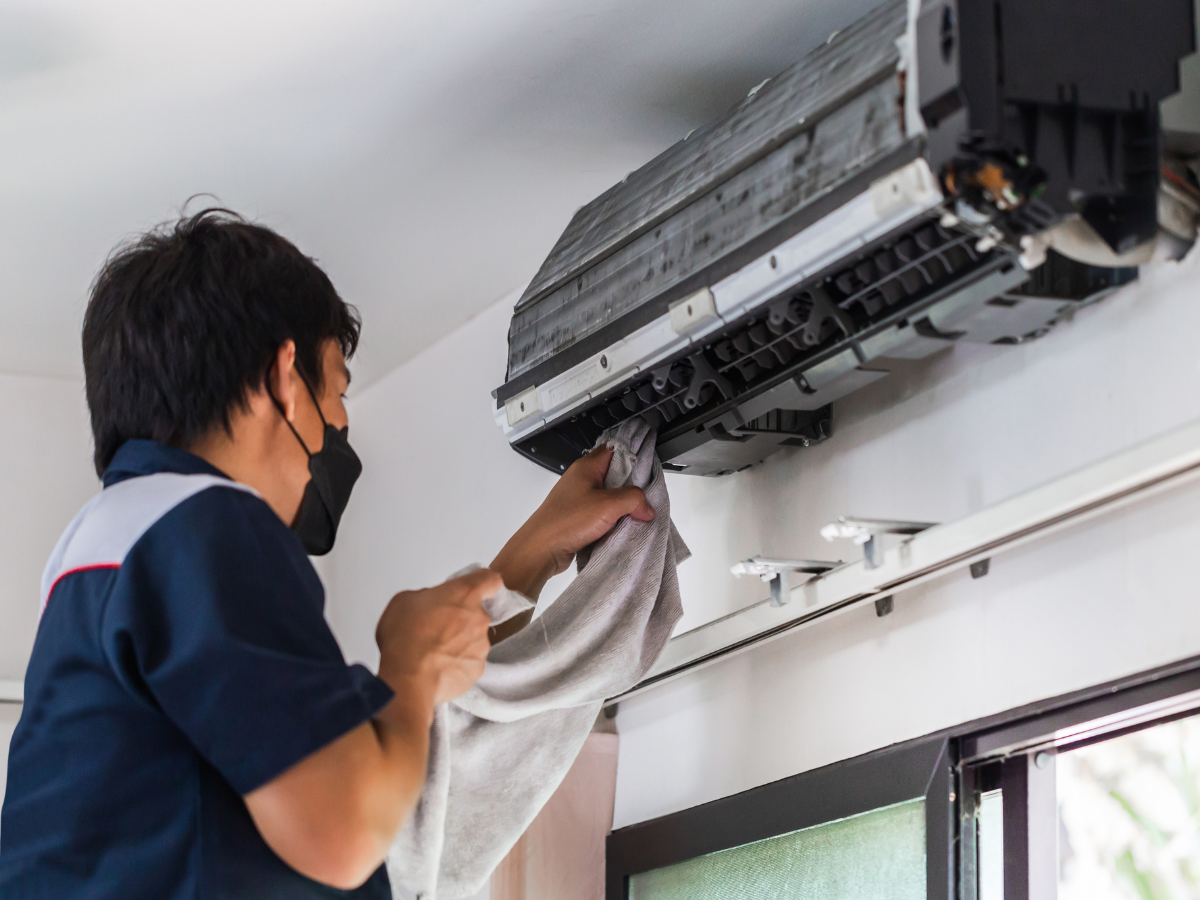
The humble air filter is the most vital yet overlooked component of your cooling setup. Its job is to catch dust and debris, but when it becomes clogged, it creates an AC airflow restriction. This restriction prevents enough warm air from passing over the cooling coils.
When the air cannot flow freely, the entire cooling cycle is disrupted. A dirty filter is often the primary reason for air conditioner troubleshooting calls. Fortunately, this is a fix that any homeowner can handle. Simply swapping out a grey, dusty filter for a fresh one can often resolve the issue and instantly improve your indoor air quality. At the same time, many homeowners ask,
does insurance cover AC repairs, especially when breakdowns occur unexpectedly, making it important to review your policy details in advance.
Low Refrigerant Levels and AC Gas Leaks
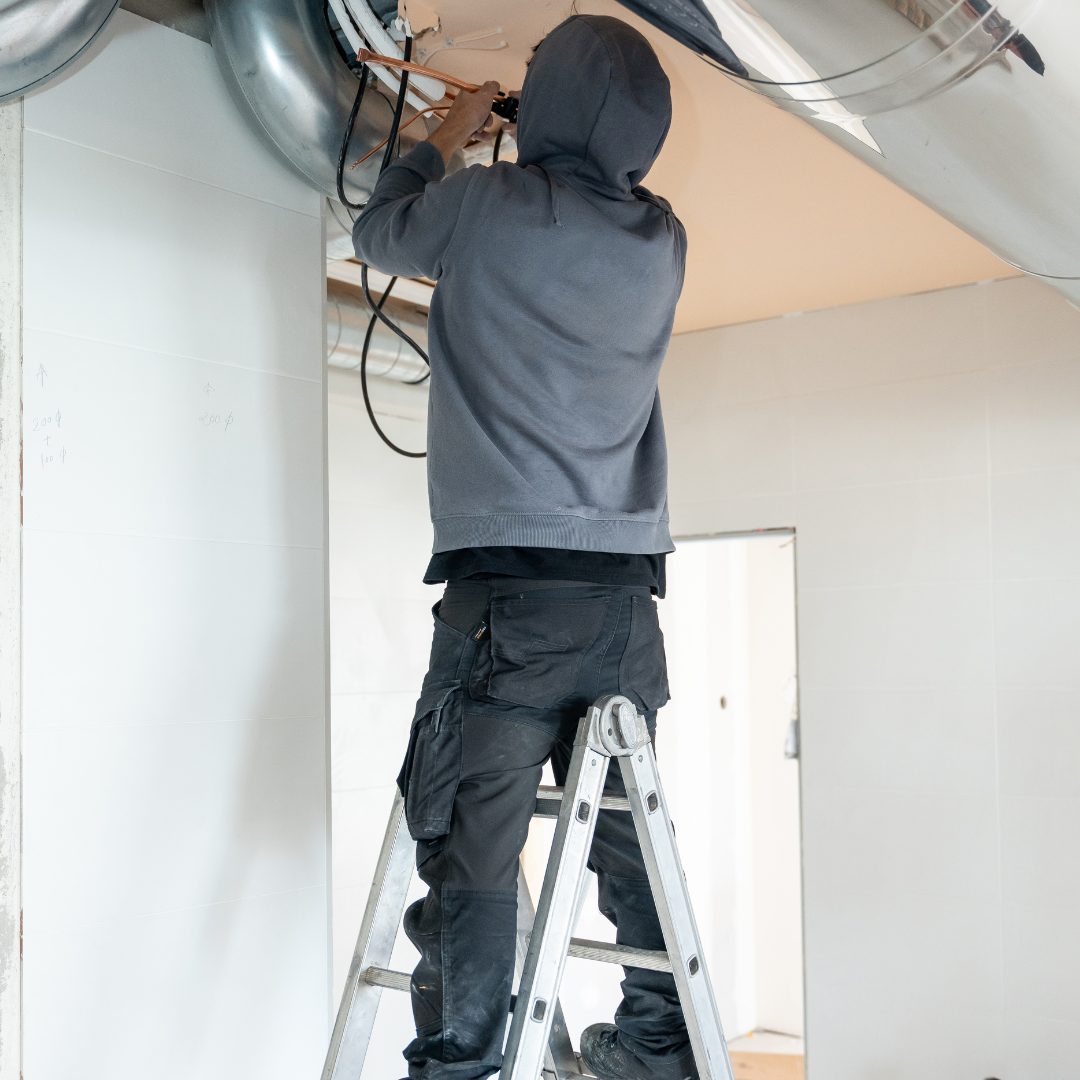
The refrigerant is the lifeblood of your air conditioner. It is a chemical that travels between the indoor and outdoor units, absorbing heat from your home and releasing it outside. Unlike gas in a car, an AC does not "consume" this chemical.
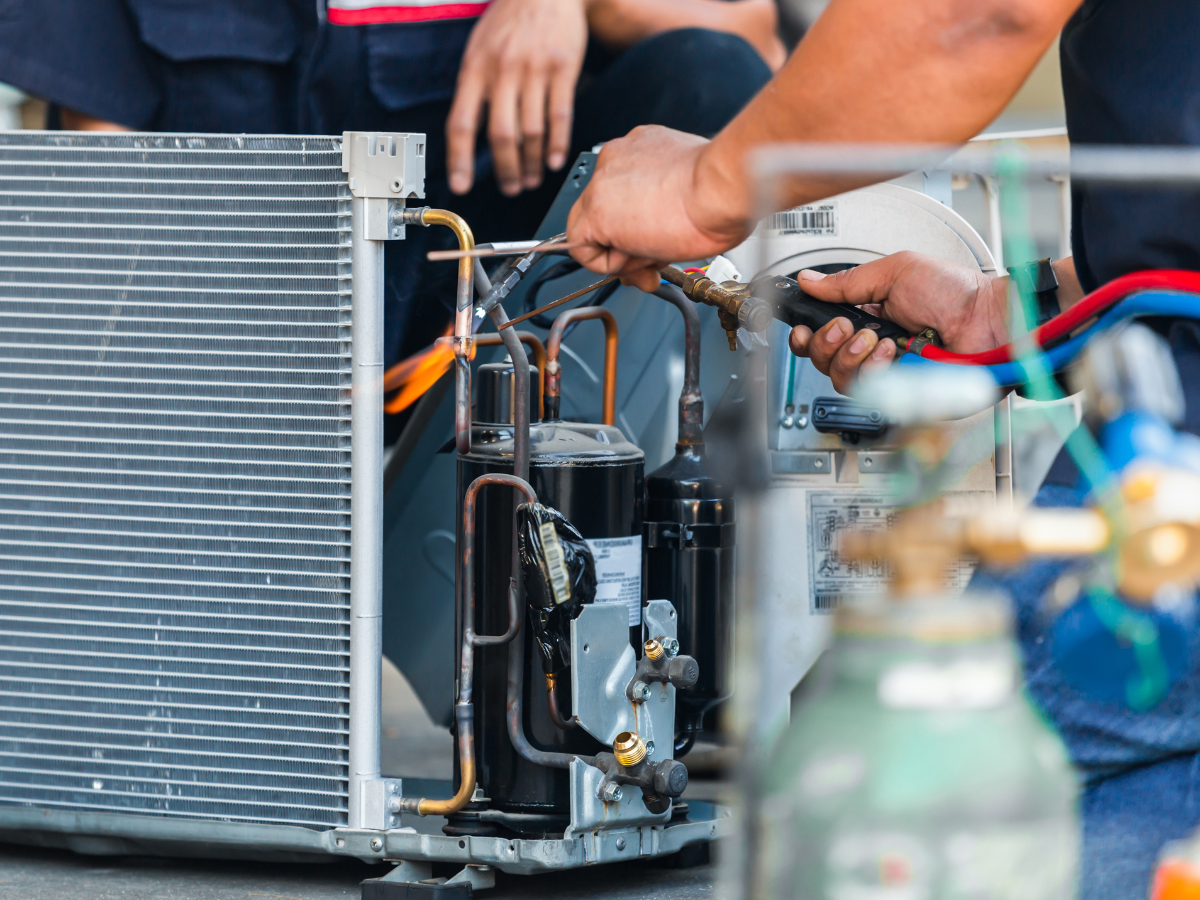
If you have low levels, it means there is a leak somewhere in the copper lines. This leads to HVAC cooling problems because the system lacks the thermal capacity to chill the air. You might notice a hissing sound or see ice forming on the brass valves of the outdoor unit. Because handling these chemicals requires specialized tools and certification, this is a task best left to professional AC repair services.
Frozen Evaporator Coils Blocking the Cooling Process
It sounds like a contradiction, but your air conditioner can actually freeze up in the middle of a heatwave. The evaporator coil is located inside your indoor unit and is responsible for cooling the air. If airflow is restricted or refrigerant is low, the coil temperature drops too far, causing moisture to turn into ice.
Once evaporator coil freezing occurs, the ice acts as an insulator. This prevents the coil from absorbing heat, resulting in the unit blowing warm air. If you see ice on your indoor unit, turn the system off immediately to let it thaw. Running a frozen system can cause permanent damage to the HVAC compressor.
Thermostat Settings or Malfunctioning Controls
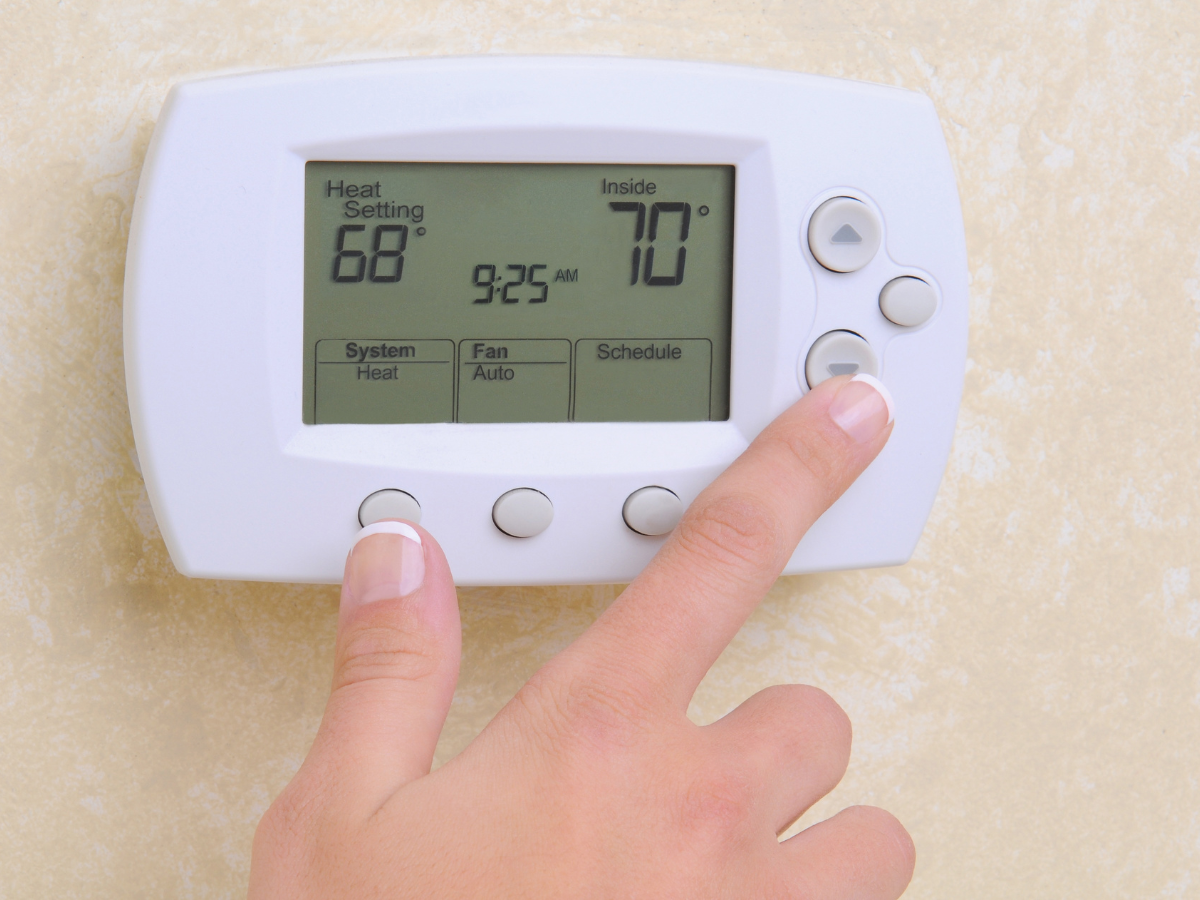
Sometimes the problem is not the cooling unit at all, but the thermostat that controls it. It is always worth double-checking that your settings did not get bumped or changed. Ensure the switch is set to "Cool" and the fan is set to "Auto" rather than "On," which can sometimes blow air even when the cooling cycle is not active.
A malfunctioning sensor or dead batteries can also prevent the controller from communicating with the rest of the system. If your screen is blank or the temperature reading seems wildly inaccurate, you may need a thermostat upgrade or repair. Ensuring your controls are calibrated correctly is a vital part of basic air conditioner troubleshooting.
Outdoor Condenser Unit Problems and Airflow Blockage
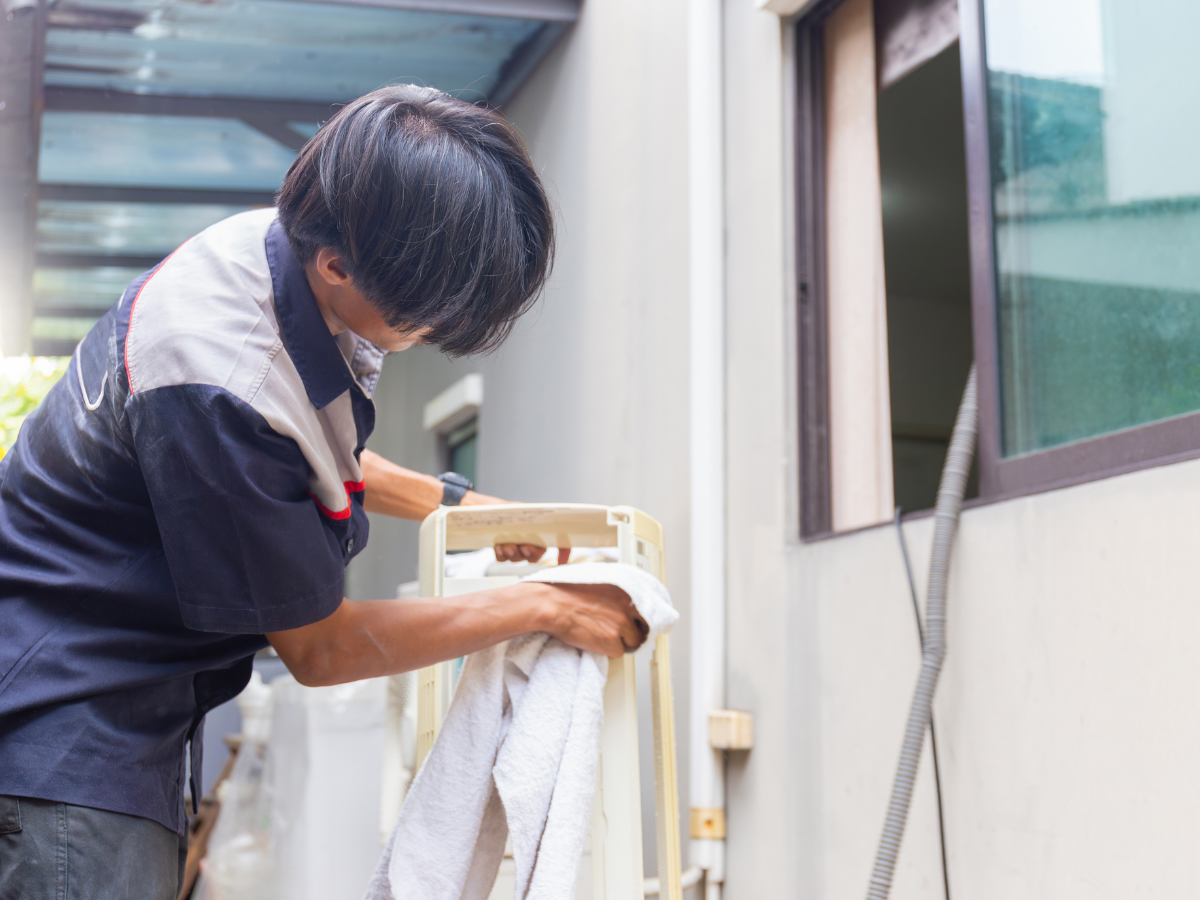
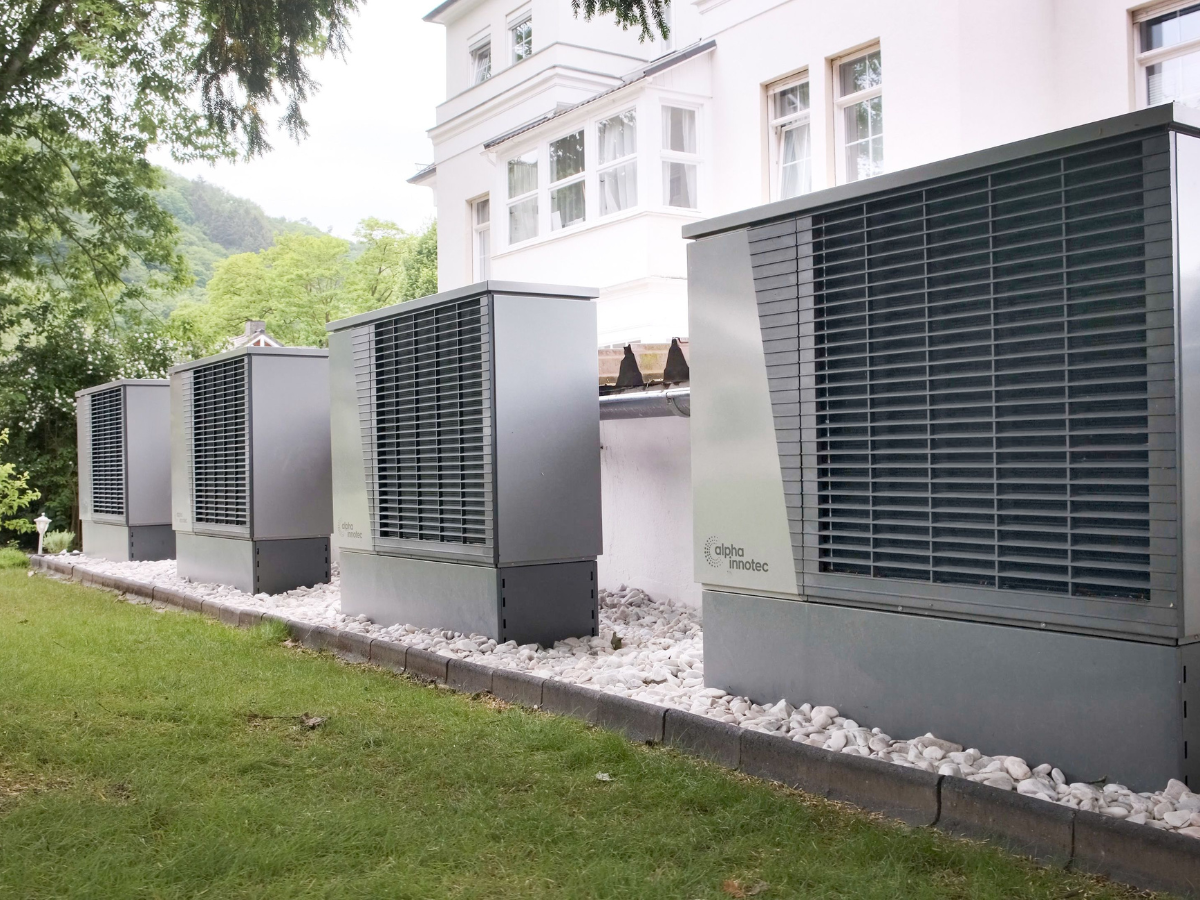
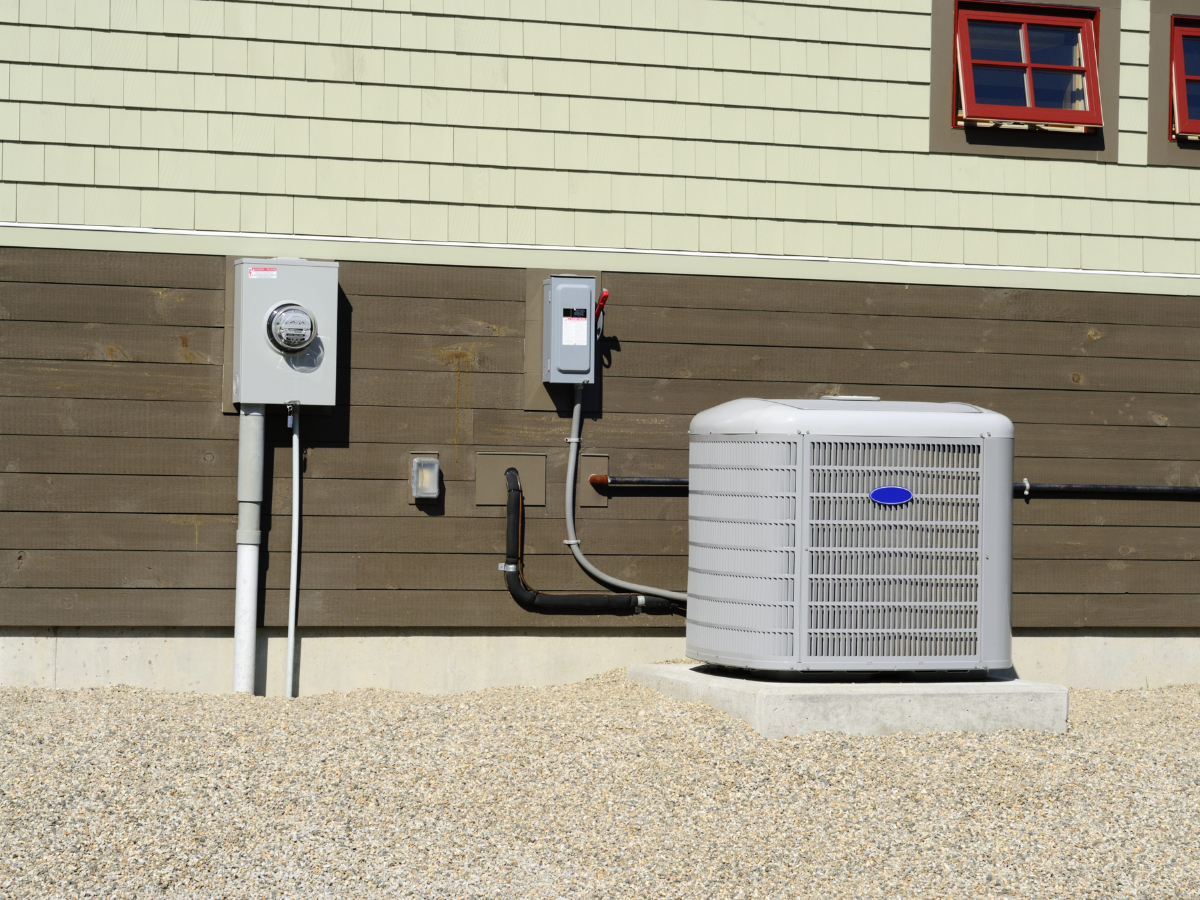
The condenser unit sits outside and bears the brunt of the weather. Its job is to dissipate the heat collected from inside your home. If the metal fins are covered in dirt, grass clippings, or fallen leaves, the heat has nowhere to go.
When the outdoor unit is blocked, the system cannot effectively complete the refrigerant cycle. This leads to the air inside the house feeling humid and warm. You should maintain at least two feet of clear space around the outdoor unit. Periodically cleaning the coils with a gentle stream from a garden hose can prevent many common residential cooling failures.
Electrical or Compressor Issues Affecting AC Performance
The compressor is often called the heart of the HVAC system. It is a powerful motor that pumps the cooling fluid through the lines. If the motor fails or experiences an electrical short, the cooling process stops instantly.
Electrical issues, such as a tripped circuit breaker or a blown capacitor, can also cause the outdoor unit to stop spinning. If you hear a humming sound coming from the unit but the fan isn't moving, you likely have a start-run capacitor issue. These electrical components are under high tension and should be handled by experts during an emergency HVAC service. Preventive HVAC maintenance Broken Arrow can help identify electrical issues before they lead to unexpected breakdowns.
Practical DIY Fixes Before Calling an HVAC Technician
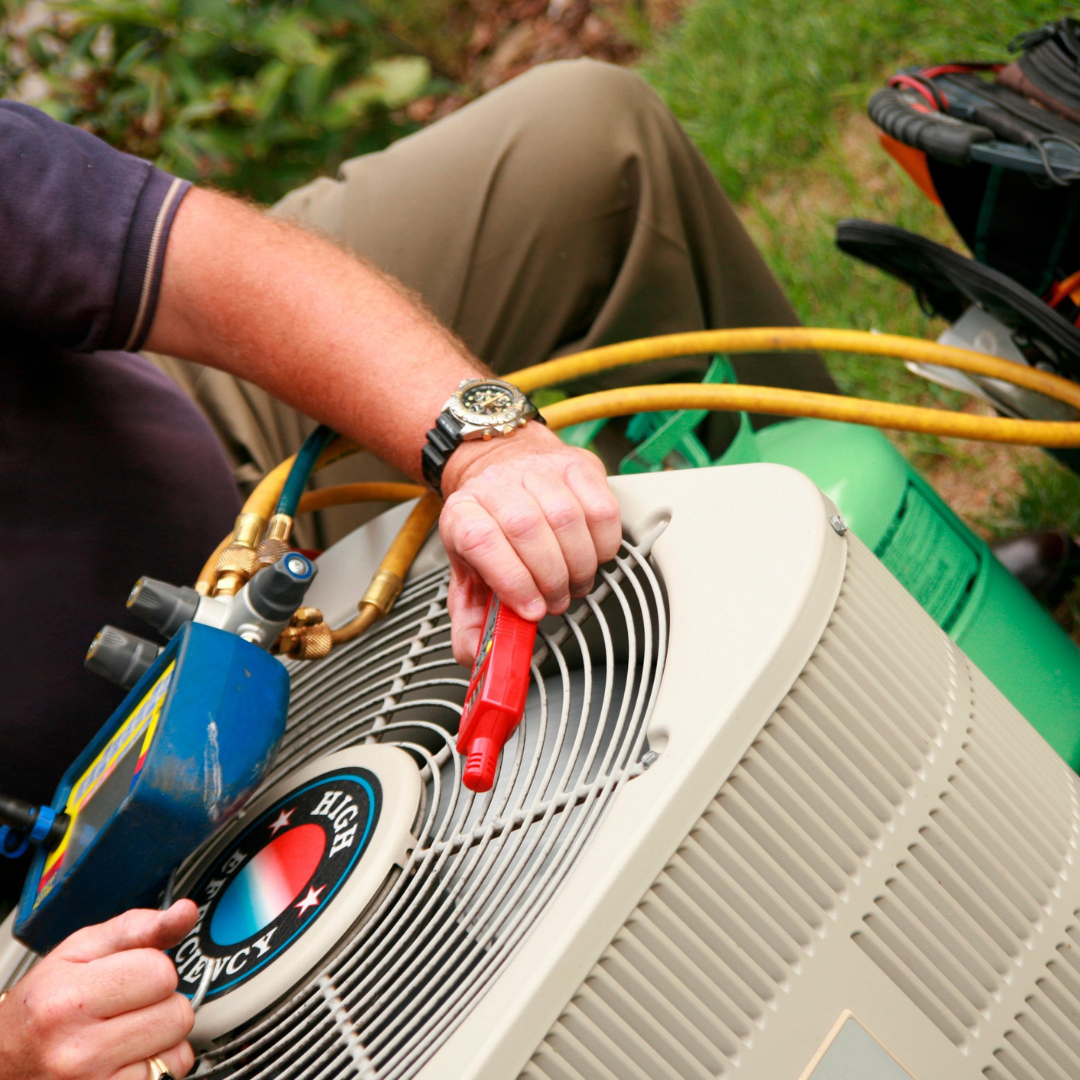
Before you spend money on a service call, there are a few things you can check yourself:
- Check the Breaker: Look at your electrical panel to see if the AC circuit has tripped to the "Off" position.
- Clear the Vents: Make sure furniture or curtains are not blocking the supply or return vents in your rooms.
- Inspect the Filter: If you cannot see light through the filter, replace it immediately.
- Clear Debris: Remove any plants or trash that have accumulated around the outdoor unit.
- Check the Drain Line: If the condensate drain is clogged, a safety switch may have turned the unit off to prevent flooding.
Following these basic maintenance steps can often save you from an unnecessary repair bill.
Preventive Maintenance Tips to Avoid AC Cooling Problems
The best way to handle a cooling failure is to prevent it from happening in the first place. Routine care ensures that small issues like a loose wire or a slightly dirty coil do not turn into a total system failure during a heatwave.
Follow these AC maintenance tips to keep your system healthy:
- Change your air filter every 30 to 90 days.
- Schedule a professional tune-up every spring.
- Keep your outdoor unit clear of vegetation.
- Monitor your energy bills for unexplained increases.
- Listen for new or strange sounds during startup.
Frequently Asked Questions
Why is my air conditioner running but not cooling?
This is usually caused by a blocked air filter, a dirty outdoor unit, or a frozen coil. It means the system has power but cannot transfer heat effectively.
Can a dirty air filter stop an AC from cooling?
Yes. A clogged filter restricts airflow, which can lead to the evaporator coil freezing over and stopping the cooling process entirely.
How do I fix an AC that is blowing warm air?
Start by checking your thermostat settings and the air filter. If those are fine, check your outdoor breaker and ensure the condenser unit is clean.
What are the signs of low refrigerant in an AC unit?
Common signs include a hissing noise, ice on the cooling lines, and the system running for long periods without lowering the indoor temperature.
How often should I replace my AC air filter?
You should check your filter monthly and replace it at least every 90 days. If you have pets or allergies, every 30 days is better for performance.
Conclusion
Dealing with an AC not blowing cold air is a major inconvenience, but many of the causes are easy to identify. By keeping an eye on your air filter and ensuring your outdoor condenser unit is free of debris, you can solve many issues on your own. However, if the problem involves electrical components or the refrigerant cycle, it is time to call in the professionals.
Taking quick action when you notice HVAC cooling problems prevents minor glitches from turning into expensive replacements. If you have tried the DIY fixes and your home is still warm, our team is ready to help with expert diagnostics, cooling repair, and reliable solutions. Don't suffer through the heat another day.