BLOGS
AC Tune-Up Checklist: What Happens During Professional Service
Think of an AC tune-up as a spa day for your air conditioner; it’s the best way to make sure your home stays a refreshing escape when the summer heat kicks in. Instead of crossing your fingers and hoping the system doesn't quit on the hottest day of the year, a quick pro check lets you catch those tiny "hiccups" before they turn into wallet-draining repairs. This guide walks you through exactly what happens during a service visit, so you can see why it’s one of the smartest investments you can make for your home’s comfort.
What Is an AC Tune-Up and Why It Matters for System Performance
A professional AC tune-up is much more than a quick glance at your equipment. It is a rigorous, multi-point inspection and cleaning process designed to restore your cooling system to its peak operating condition. When a system runs without regular maintenance, it gradually loses efficiency, leading to higher utility bills and a shorter overall lifespan.
Scheduling a seasonal AC maintenance service ensures that every mechanical part is lubricated and every sensor is calibrated. This preventive approach minimizes the risk of a breakdown during a heatwave when HVAC companies are at their busiest. By focusing on air conditioner maintenance now, you safeguard your indoor air quality and ensure your family stays comfortable regardless of the temperature outside.
Complete Inspection of Air Conditioning Components
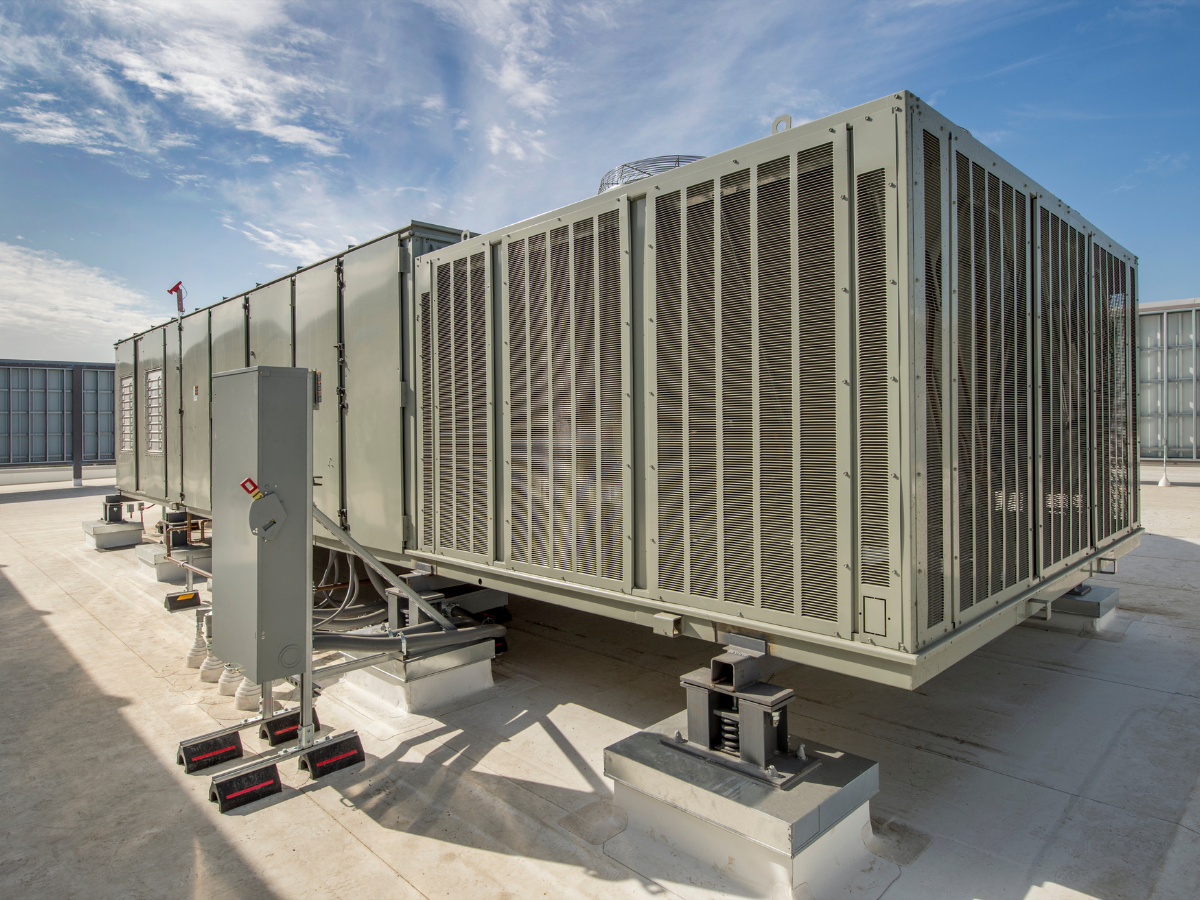
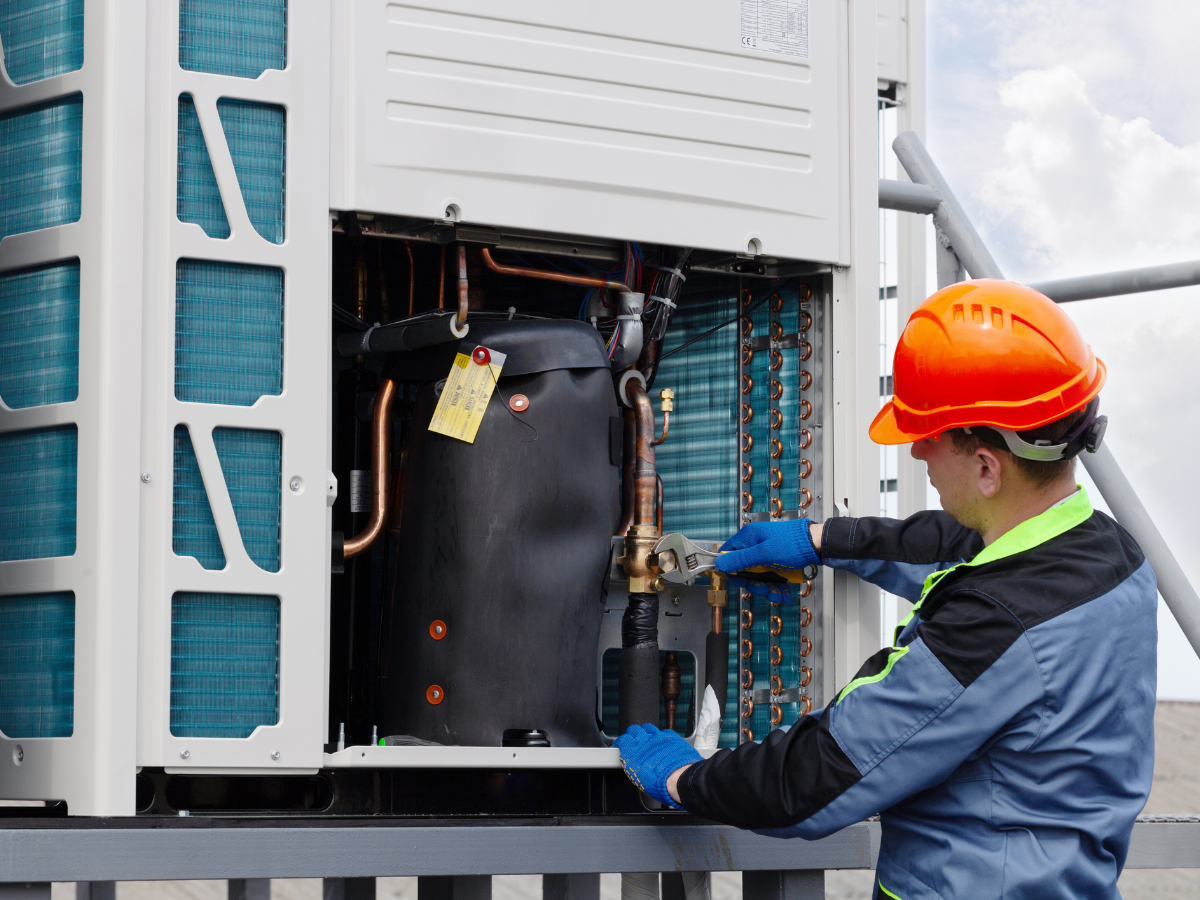
The first phase of a professional HVAC service involves a holistic evaluation of the entire system. A qualified HVAC technician begins by assessing the physical condition of the indoor and outdoor units. They look for signs of wear and tear on belts, pulleys, and fan blades that could lead to mechanical failure.
During this stage, the expert also examines the condensate drain line. High humidity levels can cause moisture to back up, leading to mold growth or water damage inside your home. Ensuring the drain is clear is a vital part of any AC service visit and residential cooling system maintenance, helping prevent many common emergency calls.

Cleaning Condenser and Evaporator Coils for Better Cooling
Efficiency is directly tied to how well your system can move heat. Over the course of a year, the evaporator coil inside your home and the condenser unit outside collect significant amounts of dust, dirt, and outdoor debris. Even a thin layer of grime acts as an insulator, forcing the system to work harder to cool the air.
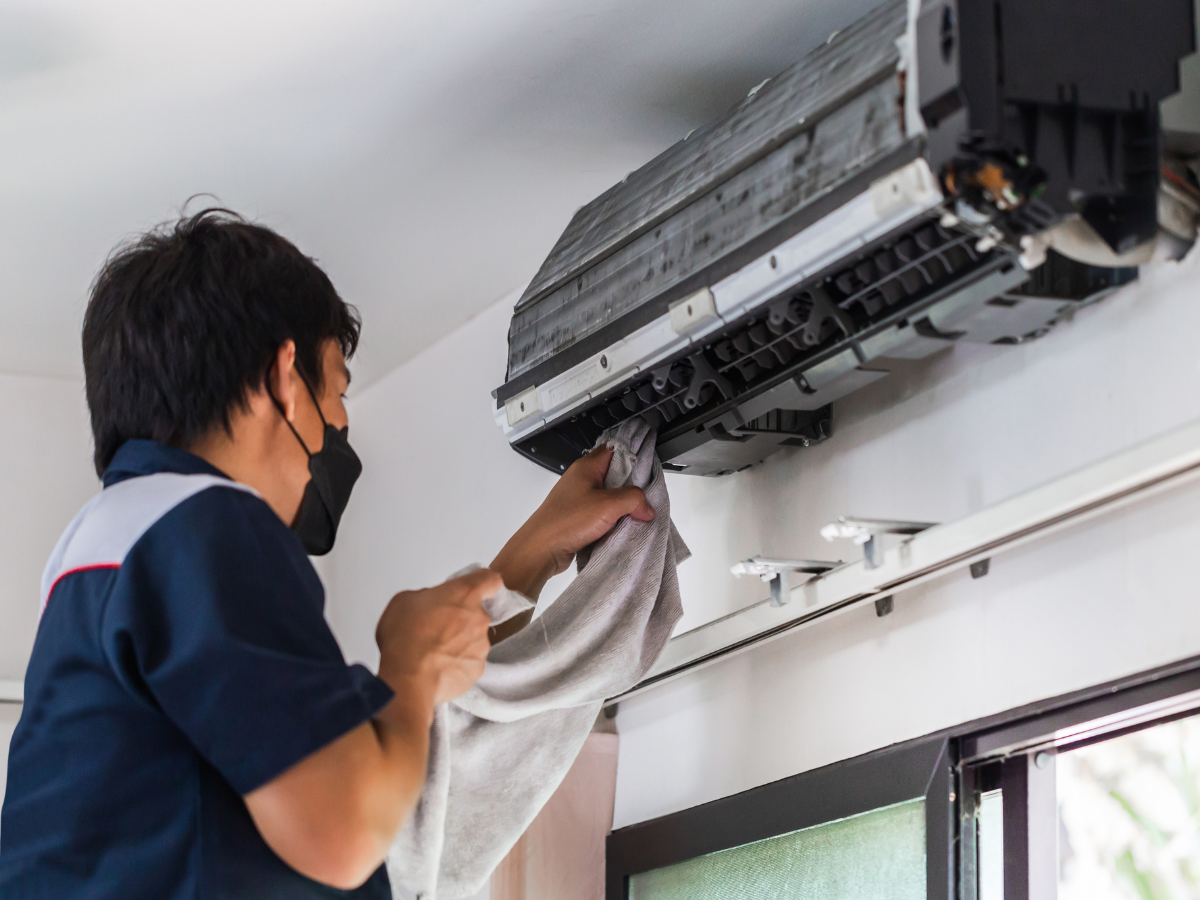
Cleaning these coils is one of the most critical HVAC preventive maintenance tasks. The technician uses specialized brushes and cleaning solutions to remove buildup without damaging the delicate fins. This process restores the heat exchange capabilities of the unit, which is a cornerstone of a thorough air conditioning efficiency check.
Checking Refrigerant Levels and Detecting Leaks
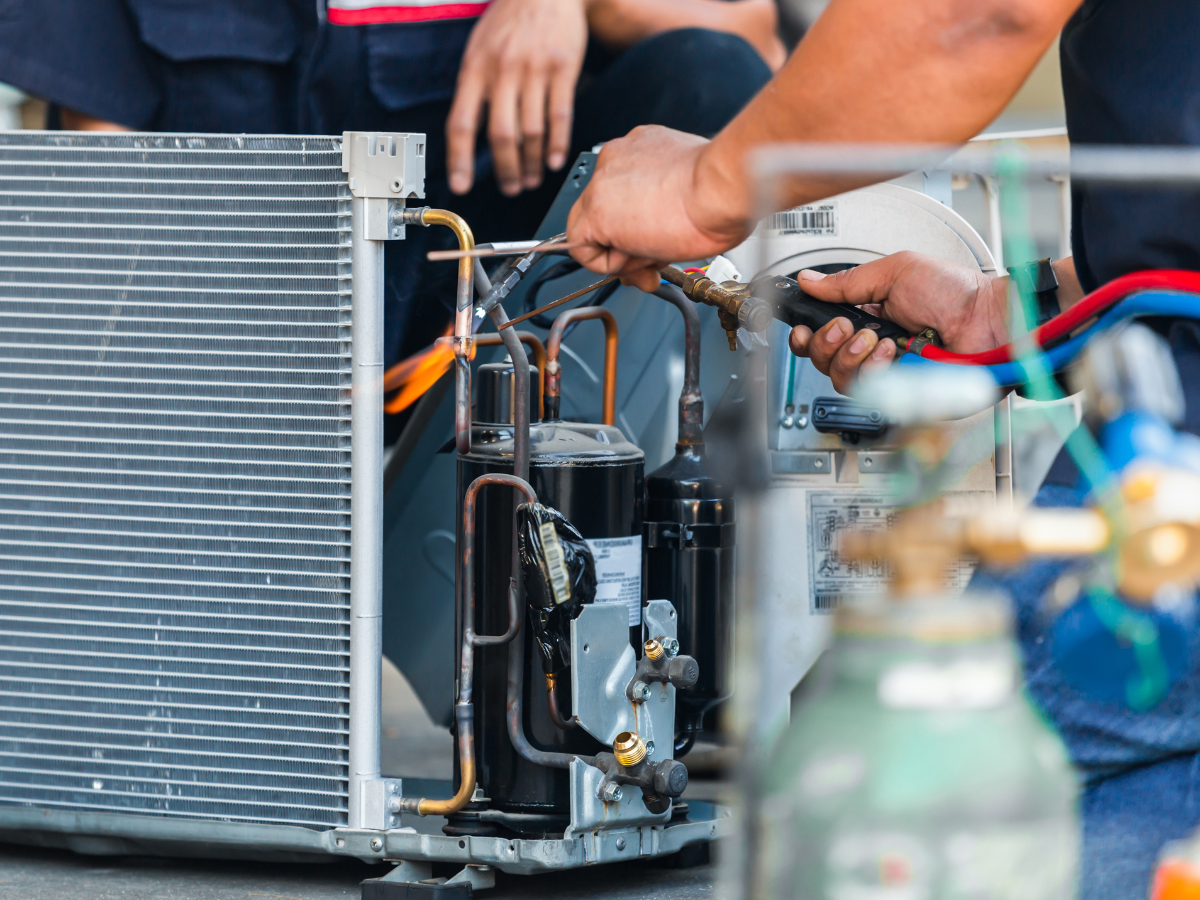
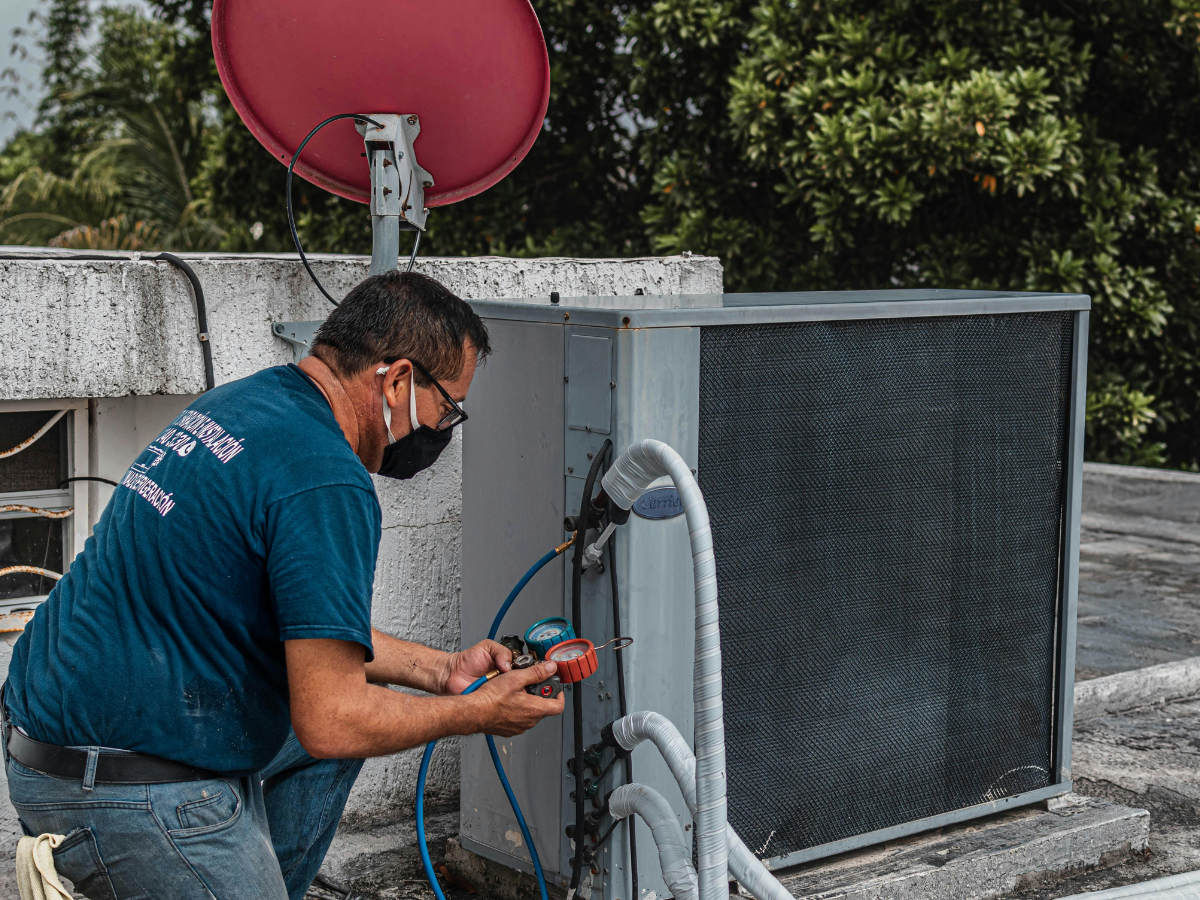
Your air conditioner does not consume refrigerant like a car consumes gas. If the refrigerant pressure is low, it almost always indicates a leak or an improper installation. During the annual AC servicing process, the technician measures the levels to ensure they meet the air filter manufacturer's exact specifications.
Operating a system with incorrect refrigerant levels puts immense strain on the compressor. If a leak is detected, the technician will identify the source and recommend a permanent fix rather than simply topping off the fluid. This ensures your system operates safely and effectively throughout the entire cooling season.
Testing Electrical Components and Safety Controls
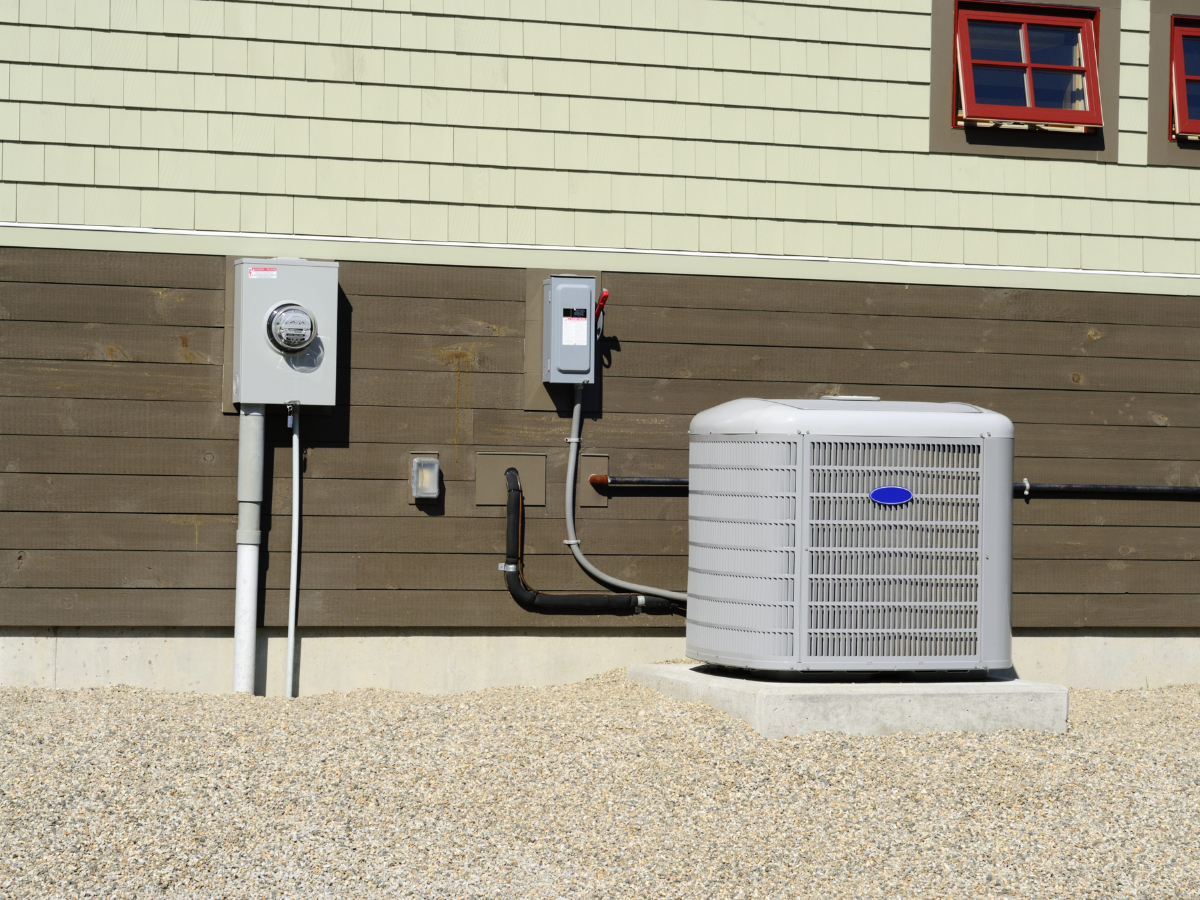
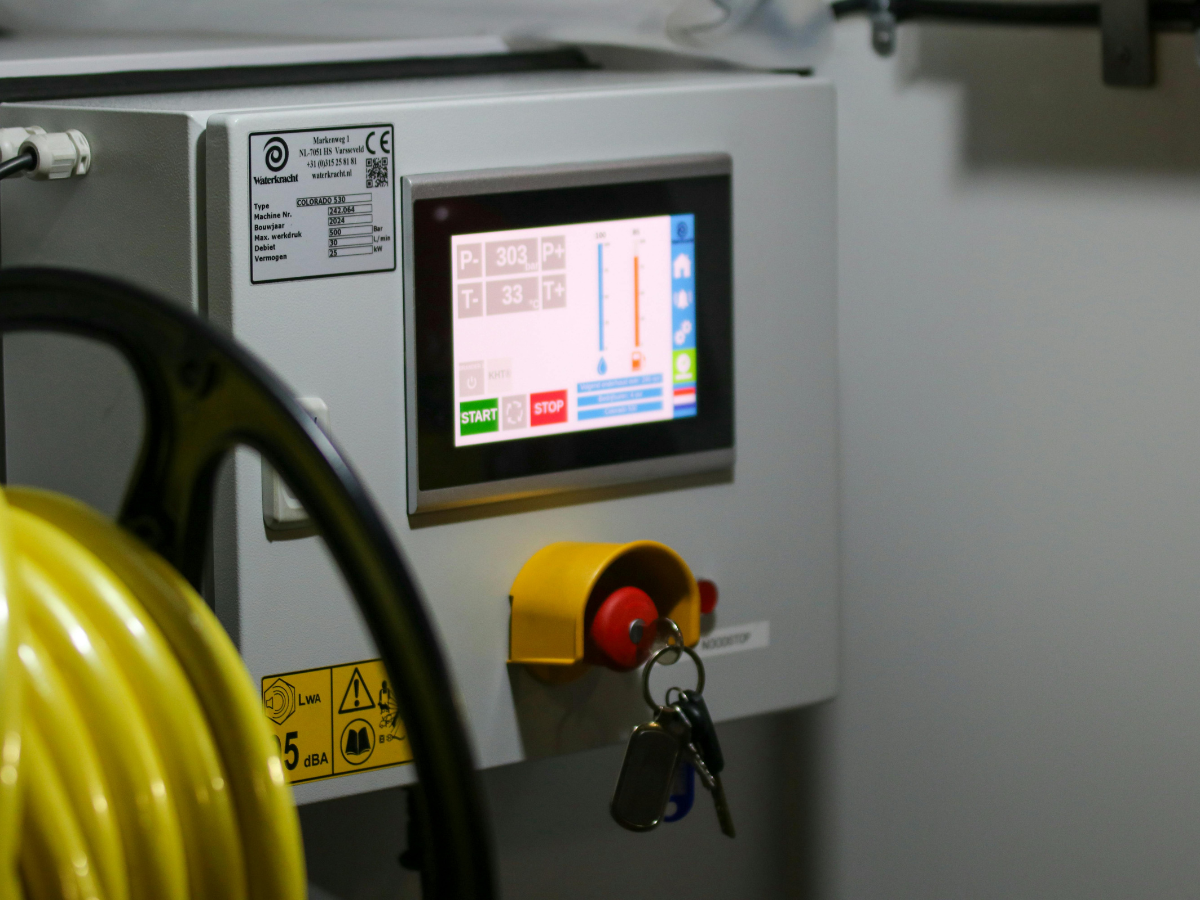
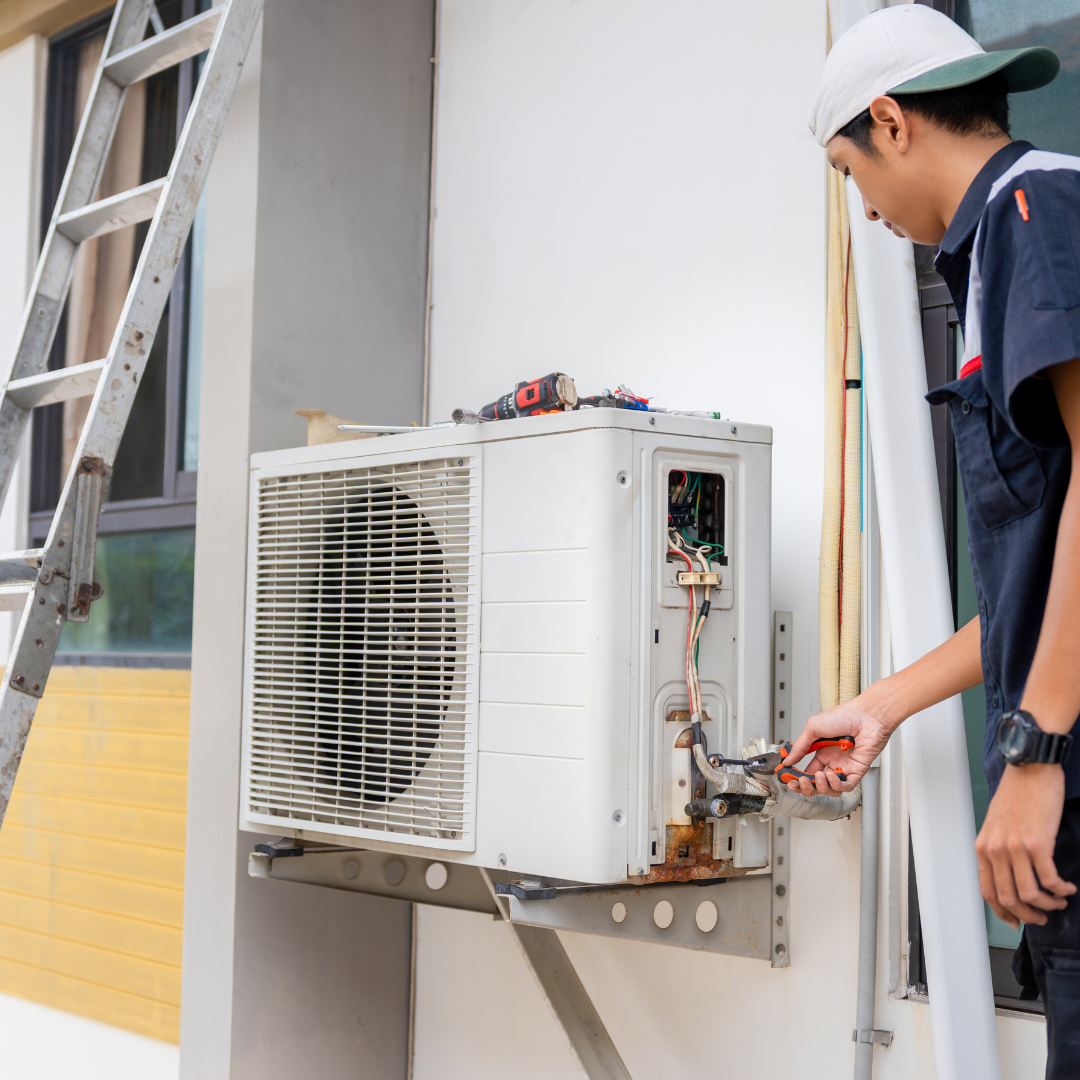
Electricity powers your comfort, but loose connections can be dangerous. A technician will inspect the electrical contactor and tighten all wire connections to prevent shorts or fire hazards. They also measure the voltage and amperage on motors to ensure parts are not drawing excessive power, which is often a precursor to motor burnout.
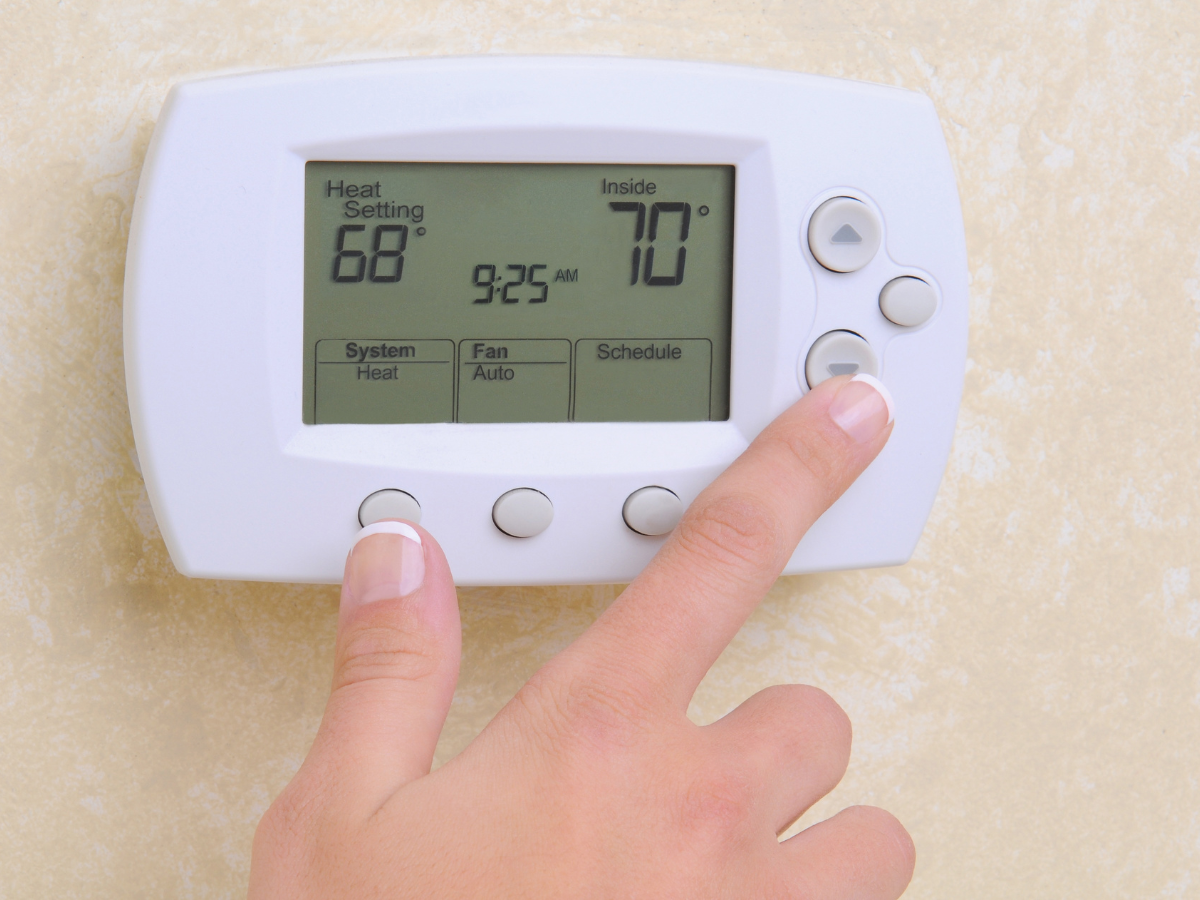
Testing the thermostat control is another essential step. The technician verifies that the thermostat communicates accurately with the cooling unit. If the calibration is off by even a few degrees, your system may run longer than necessary, wasting energy and decreasing your level of comfort.
Air Filter Inspection and Airflow Optimization
Proper airflow is the lifeblood of any HVAC system. During the final stages of the checklist, the technician inspects the air filter. While homeowners should change these regularly, a professional will check for bypass air or ductwork issues that might be hindering performance.
The technician also inspects the blower motor and fan assembly. By optimizing the speed and balance of these components, the service ensures that cool air is distributed evenly to every room in the house. This final step completes the AC tune-up by confirming that the system is not just running, but running at its absolute best.
Frequently Asked Questions
What does a professional AC tune-up include?
A professional service includes a full cleaning of the condenser and evaporator coils, an inspection of all electrical connections, and a check of refrigerant levels. The technician also lubricates moving parts, clears the condensate drain line, and tests the thermostat for accuracy to ensure the entire system is safe and efficient.
How long does an AC tune-up service usually take?
A standard maintenance visit typically takes between 60 and 90 minutes. This timeframe allows the technician to perform a detailed inspection, clean the necessary components, and run a full cycle of the system to verify that everything is functioning correctly.
How often should you schedule an AC tune-up?
You should schedule a tune-up at least once per year. Most experts recommend booking the service in the spring before the heavy cooling season begins. This ensures the system is ready for the summer heat and satisfies the maintenance requirements of most manufacturer warranties.
Can regular AC maintenance reduce energy bills?
Yes, regular maintenance can significantly lower your monthly energy costs. By cleaning coils and optimizing airflow, the system does not have to run as long or work as hard to reach your desired temperature. An efficient system uses less electricity, which reflects directly on your utility bill.
What are the signs that your AC needs a tune-up?
Common indicators include rising energy bills, strange noises like squealing or grinding, and inconsistent temperatures between rooms. If you notice weak airflow from your vents or if the system frequently cycles on and off, it is time to call a professional for a checkup.
Conclusion
Investing in a professional inspection is the smartest way to protect your home and your wallet. By following a rigorous checklist that covers everything from electrical safety to coil cleanliness, you can enjoy peace of mind knowing your system is prepared for the hottest days of the year. Consistent care not only improves your daily comfort but also prevents the stress of unexpected mid-summer breakdowns.
Taking care of your equipment today ensures it will take care of you for years to come. If you want to maximize the efficiency and lifespan of your cooling system, now is the perfect time to reach out to a certified expert. Contact a local professional today to schedule your comprehensive AC tune-up.