BLOGS
Central Air Conditioning vs Ductless Systems: Which Is Better
Choosing between central AC vs. ductless systems is a major crossroads for any homeowner, and it’s one of those decisions that sticks with you (and your wallet) for years. Whether you’re trying to bring an old, vent-less vintage home into the modern age or you're mapping out a brand-new build from scratch, how you move that chilly air around affects your monthly bills just as much as your daily comfort.
If you are currently dealing with a failing unit while making this choice, it is helpful to weigh the repair vs replace hvac dilemma to see if an upgrade to a new system is more cost-effective than fixing an aging one. We’ve put together this guide to pull back the curtain on how these systems actually work, what they'll cost you, and how they perform when the heat is on.
What Is Central Air Conditioning and How Does It Work?
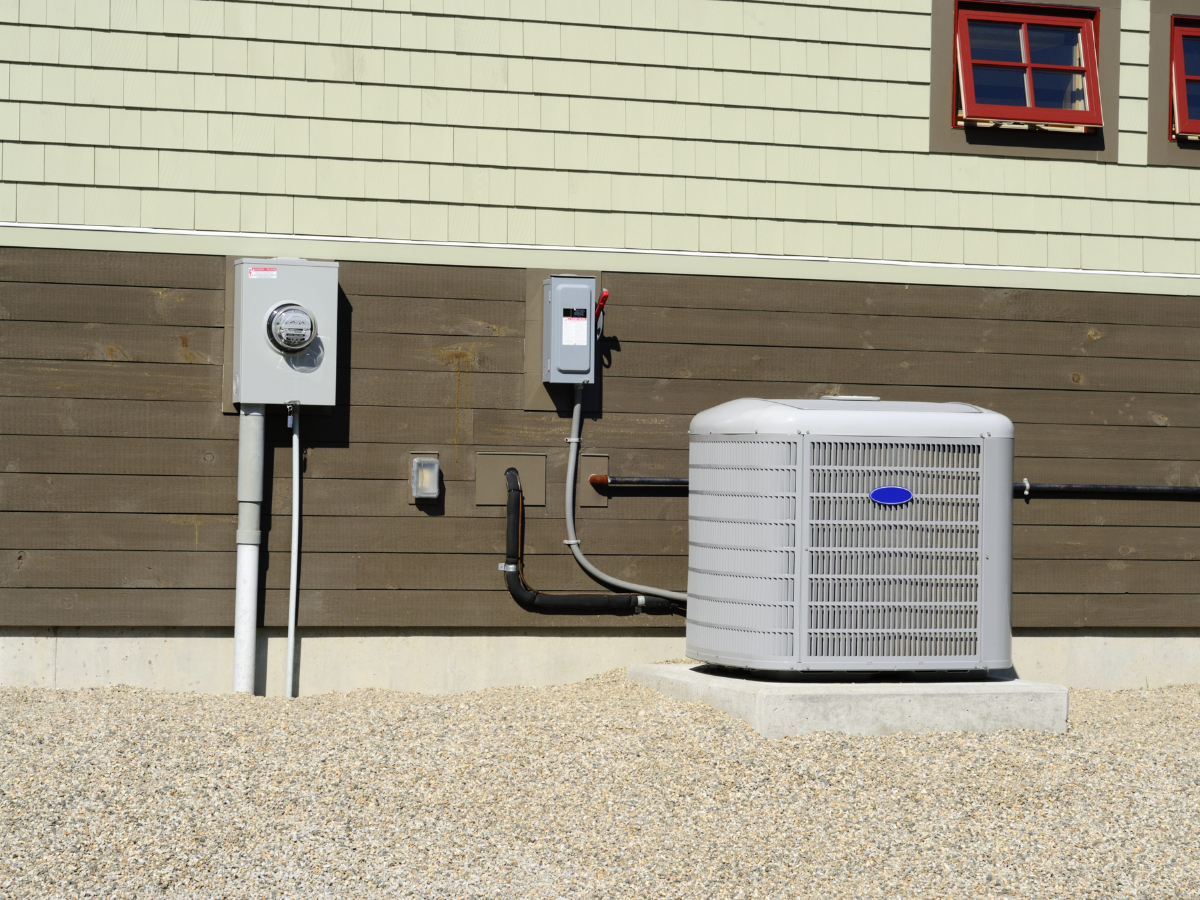
Central air is the classic ducted HVAC system found in most American homes. It works as a closed-loop, pulling air from rooms to a central spot for cooling before pushing it back through metal or flexible ducts. This ensures a uniform temperature across the house.
The "heart" is the air handler unit, usually tucked away in an attic or basement. Inside, the evaporator coil strips out heat. Homeowners love this "hidden" solution because the bulky parts stay out of sight. however, when a central system fails, diagnosing the issue can be complex. Understanding common ac not cooling fixes can help you determine if the problem is a simple thermostat calibration or a more serious refrigerant leak.
Understanding Ductless Mini-Split Systems for Modern Homes
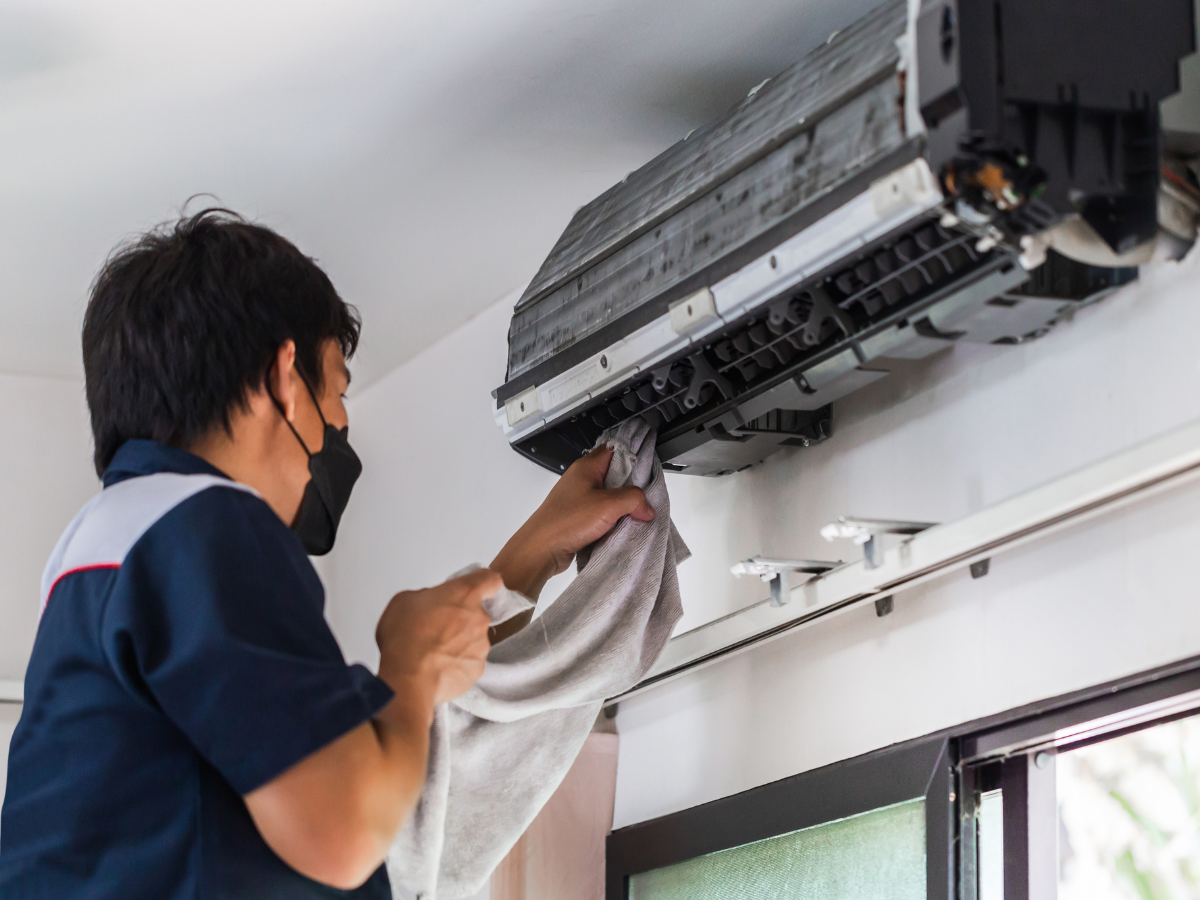
A ductless mini split AC system offers a different approach by eliminating the need for extensive ductwork. Instead of one large central unit, this system uses small individual indoor units mounted on walls or ceilings in specific rooms. These indoor units are connected to an outdoor compressor via a thin refrigerant line set, which only requires a small three-inch hole in the exterior wall for installation.
This design is a favorite for home additions, converted garages, or older homes where installing ducts would be structurally impossible or too expensive. Because each indoor unit operates independently, you have the flexibility to cool only the rooms you are currently using. This targeted approach makes it a highly adaptable residential cooling solution for homes with unique layouts or varying occupancy levels.

Central Air vs Ductless Systems: Key Differences at a Glance
When comparing these two technologies, the "better" choice depends on your specific priorities. Central air excels at consistency, while ductless systems offer unmatched precision and flexibility.
Feature
Central Air Conditioning
Ductless Mini-Split
Installation
- Requires ductwork; labor-intensive
- Minimal construction; fast setup
Aesthetics
- Hidden vents; very discreet
- Visible indoor wall-mounted units
Control
- Single thermostat for the whole house
- Individual remotes for each zone
Air Filtration
- High-quality whole-home filtration
- Basic filters in each unit
Maintenance
- Requires duct cleaning and sealing
- Requires frequent filter rinsing
Footprint
- Occupies attic/closet space
- Uses interior wall space
Energy Efficiency Comparison: Which System Saves More Power?
Efficiency is measured by the Seasonal Energy Efficiency Ratio (SEER) rating. While both systems have high-efficiency models available, ductless systems generally have the upper hand. This is largely because even a new cooling system using central air can lose about 20 to 30 percent of its cooling energy through leaks or poor insulation within the ductwork itself.
A ductless setup is naturally an energy-efficient cooling system because it delivers air directly into the room without traveling through dusty or hot attic vents. Furthermore, the ability to turn off cooling in guest rooms or dining areas during the day prevents the waste associated with cooling an entire 2,500-square-foot home just to keep one home office comfortable.
Installation Requirements and Home Compatibility
The physical structure of your home often dictates which path you should take. If your home already has a functional network of ducts from an old furnace or air conditioner, replacing the central unit is usually the most straightforward path. When considering a full system overhaul, many homeowners wonder about financial protection. For instance, does home insurance hvac coverage apply to unit failures or accidental damage? Knowing what your policy covers can significantly influence your budget for a new installation.
However, if you live in a historic home with plaster walls or limited crawlspace, a ductless system is a lifesaver. It avoids the invasive construction required to "bulk out" walls for ducts. It also works well for "problem rooms" that never seem to get cold enough with the central system, acting as a powerful supplement to existing climate control.
Cost Comparison: Installation, Maintenance, and Long-Term Value
Upfront Installation Costs
Central air typically has a lower equipment cost but higher labor costs if ducts need to be installed or repaired. Ductless systems often have a higher initial price tag for the units themselves.
If your current system breaks down in the middle of a heatwave while you are still deciding on a replacement, you may need to factor in the cost of urgent ac repair to stay comfortable while you obtain quotes for a permanent solution.
Maintenance and Lifespan
- Central Air: Requires annual professional inspections and occasional duct sealing.
- Ductless: Requires homeowners to wash the small filters every few weeks and a professional cleaning of the internal fans every year.
Long-Term Value
While central air might add more traditional resale value to a home in certain markets, the monthly utility savings of a ductless system often pay back the initial investment within a few years.
Comfort and Temperature Control: Whole-House vs. Zoned Cooling
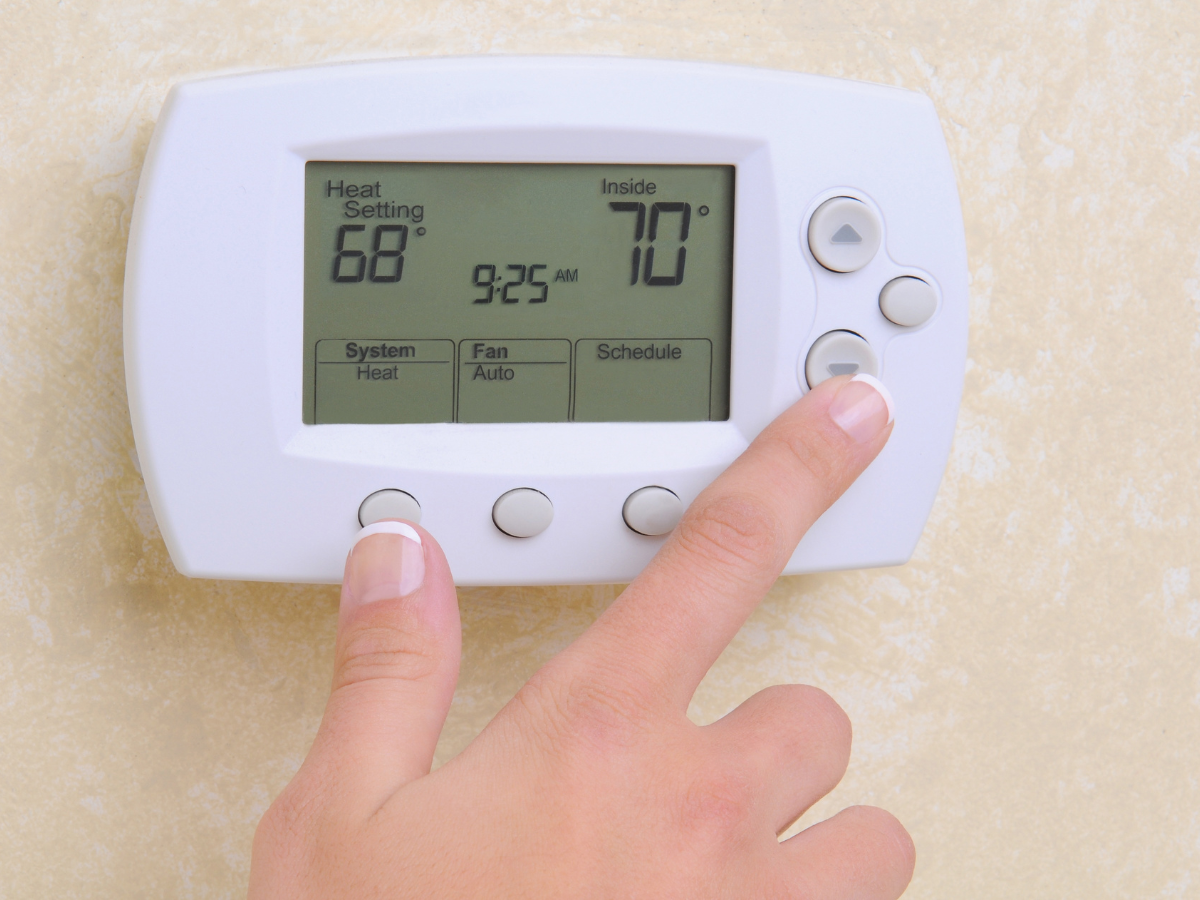
One of the biggest complaints with central air is the "hot upstairs" syndrome. Since the thermostat control system is usually located in a single hallway, it might shut off the AC once the hallway is cool, leaving bedrooms uncomfortably warm. Central air provides a "blanket" of cool air, but it lacks the surgical precision of modern alternatives.
Ductless systems are the kings of zoned air conditioning. Each family member can set their bedroom to their preferred temperature without affecting the rest of the house. This eliminates "thermostat wars" and ensures that every square inch of the room reaches the exact comfort level you desire.
Choosing the Right System for Your Home Layout and Lifestyle
Ultimately, the choice comes down to your home’s "bones" and your personal preferences. If you value a hidden system that treats the whole house as one single environment, central air remains the gold standard. It provides excellent air circulation and uses high-grade filters that can remove more allergens from the air across the entire property.
On the other hand, if you want maximum control over your energy bills and the ability to customize temperatures room-by-room, ductless is the way to go. It is the modern solution for homeowners who prioritize efficiency and ease of installation over the traditional look of ducted vents.
Frequently Asked Questions
Is ductless air conditioning more energy-efficient than central air?
Generally, yes. Ductless systems avoid the energy loss associated with ductwork, which can account for over 25 percent of a cooling system's energy use. They also allow for "zoning," meaning you only pay to cool the rooms you are actually using.
Which is cheaper to install: central air or ductless systems?
If your home already has ducts, central air is usually cheaper to install. However, if you have to add ductwork from scratch, a ductless system is often more cost-effective because it avoids the high labor and construction costs of tearing into walls and ceilings.
Can a ductless system cool an entire house?
Absolutely. By using a multi-zone outdoor compressor, you can connect up to eight indoor units to a single outdoor system. This allows you to provide full-home cooling with the added benefit of independent temperature control for every room.
Does central air provide better air filtration?
Central systems usually offer superior air filtration because they can accommodate thick, high-MERV filters that trap smaller particles. While ductless units have filters, they are smaller and primarily designed to keep the internal components of the unit clean rather than scrubbing the air for the whole house.
Conclusion
Selecting the right cooling method is about balancing your immediate budget with your long-term comfort goals. Whether you prefer the seamless integration of a central system or the high-tech efficiency of a ductless setup, the right choice will transform how you experience your home during the summer. Every house is unique, and what works for a neighbor might not be the best fit for your specific floor plan or insulation levels.
Before making a final decision, it is always best to have a professional look at your space to identify any hidden challenges or opportunities for savings. Our team is ready to help you navigate the nuances of central AC vs. ductless systems.