BLOGS
How Many Watts Does a Central Air Conditioner Use?
Maintaining a cool home is a top priority for most homeowners during the sweltering summer months. However, comfort often comes with a price tag on your monthly utility statement. Understanding factors like the central ac installation cost along with the electrical requirements of your cooling system is the first step toward managing your household budget effectively.
The amount of power your system pulls depends on several variables. While technology has made modern units much more efficient, they remain one of the largest consumers of electricity in a standard residence. This guide breaks down exactly what you need to know about energy consumption and how to optimize your setup for savings.
Why Is Understanding Central Air Conditioner Wattage Important for Your Home?
Knowing the power draw of your HVAC system allows you to plan for monthly expenses and avoid surprises during peak heatwaves. If you are considering a backup power source like a whole house generator, knowing these numbers is essential for sizing the equipment correctly.
Furthermore, monitoring wattage helps you identify when a system is failing. A sudden spike in kilowatt usage often indicates that a motor or compressor is working harder than it should. This early warning sign can save you from an expensive air conditioning repair later on.
What Is the Average Wattage Consumption of Modern AC Systems?
On average, a central air conditioning unit uses between 3,000 and 5,000 watts per hour when the compressor is running. This number fluctuates based on the size of the home and the age of the equipment. Smaller units for apartments might pull 2,000 watts, while large luxury homes could require significantly more. For compact spaces, exploring
portable ac venting solutions can also help improve efficiency without heavy power usage.
It is important to distinguish between starting wattage and running wattage. The system requires a massive surge of power to kick the compressor into gear, which can be two to three times the normal operating level. Once the cycle stabilizes, the amperage drops to a consistent running state.
How Do Tonnage and SEER2 Ratings Influence Energy Usage?
The cooling capacity of an AC is measured in tons. One ton of cooling is equivalent to 12,000 BTUs per hour. Naturally, a 5-ton unit will consume more electricity than a 2-ton unit because it moves a larger volume of refrigerant to cool a bigger space.
Efficiency is measured by the Seasonal Energy Efficiency Ratio, or SEER2. A higher rating means the unit provides more cooling for every watt of power consumed. Upgrading from an old 10 SEER unit to a modern 18 SEER2 model can reduce your power consumption by nearly 40 percent while providing the same level of comfort. Knowing the split ac system basics can further help you choose the right energy-efficient option for your home.
Which Factors Impact the Actual Power Draw of Your Cooling Unit?
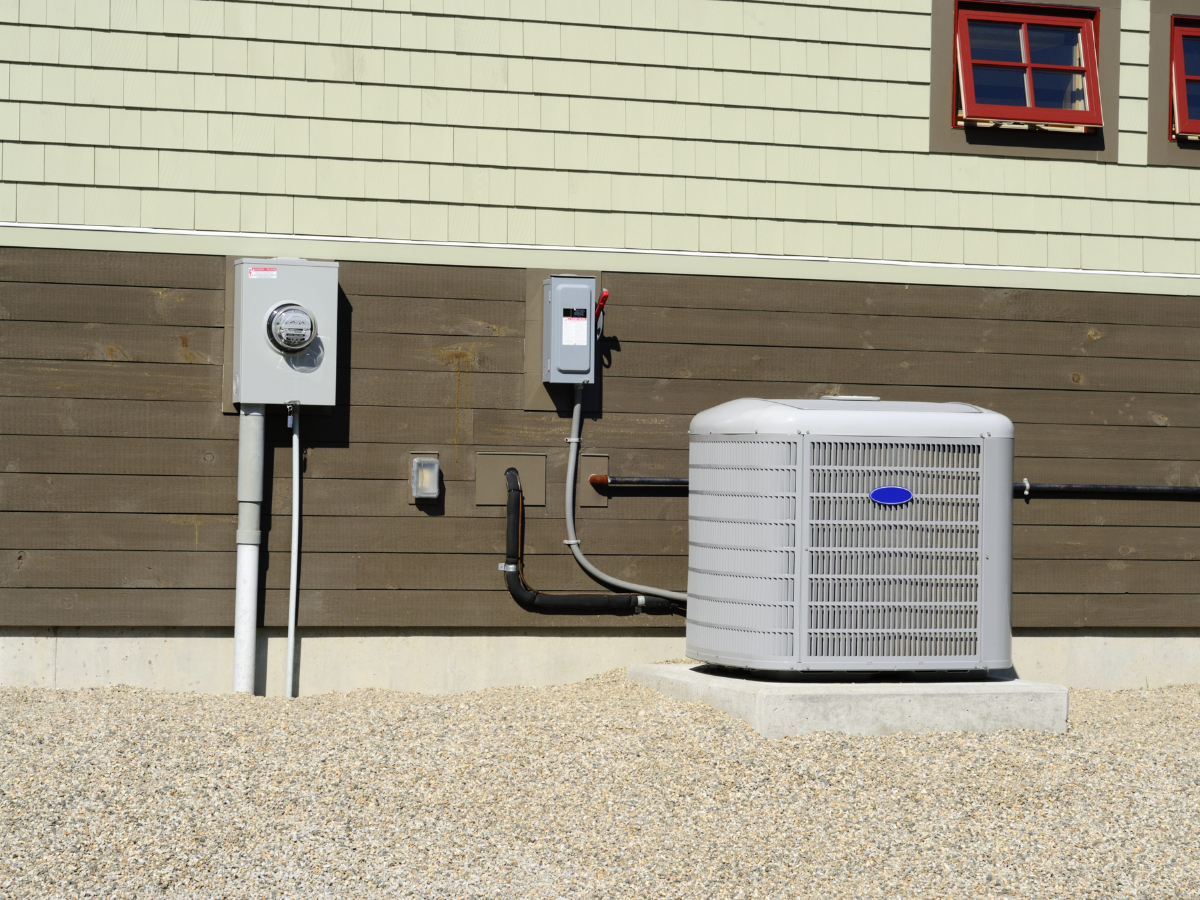
The rated wattage on your manufacturer label is a baseline, but real-world conditions change how much power is actually used. Outdoor temperature is the most significant factor. When it is 100 degrees outside, your condenser unit must work significantly harder to dissipate heat than it does on an 80-degree day.
The condition of your air filters also plays a massive role. Clogged filters restrict airflow, forcing the blower motor to run longer and pull more current. Similarly, dirty coils or low refrigerant levels decrease efficiency and cause the system to stay in a high-power state for extended periods.
Can You Calculate the Monthly Cost of Running a Central AC?
Calculating your costs is a simple three-step process. First, find the wattage of your unit and divide by 1,000 to get kilowatts. For example, a 3,500 watt unit uses 3.5 kW. Next, estimate how many hours the system runs per day during the summer.
Multiply the kW by the hours used to get kilowatt hours, or kWh. If your unit runs 8 hours a day, that is 28 kWh. Finally, multiply that number by your local utility rate per kWh. This calculation provides a clear picture of how your cooling habits translate into real dollars on your bill.
How Can You Reduce the Electricity Consumption of Your HVAC System?
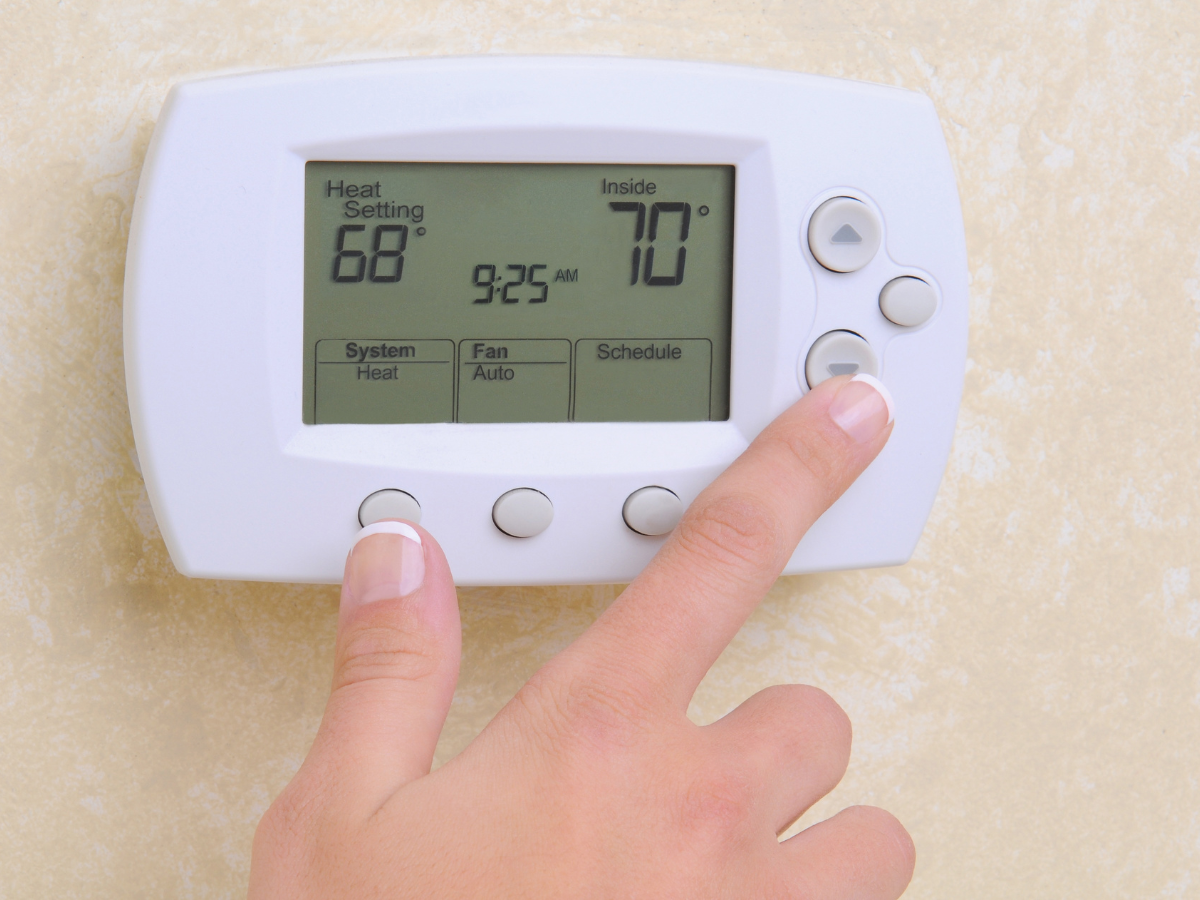
You do not have to sacrifice comfort to lower your energy bills. One of the most effective methods is installing a programmable thermostat. Setting the temperature a few degrees higher when you are away from home prevents the unit from cycling unnecessarily and reduces total wattage demand.
Using ceiling fans in conjunction with your AC allows you to feel cooler at higher temperatures. Additionally, sealing air leaks around windows and doors prevents conditioned air from escaping. These small adjustments reduce the total load on your system and extend its overall lifespan.
When Should You Professionally Service Your AC to Improve Efficiency?
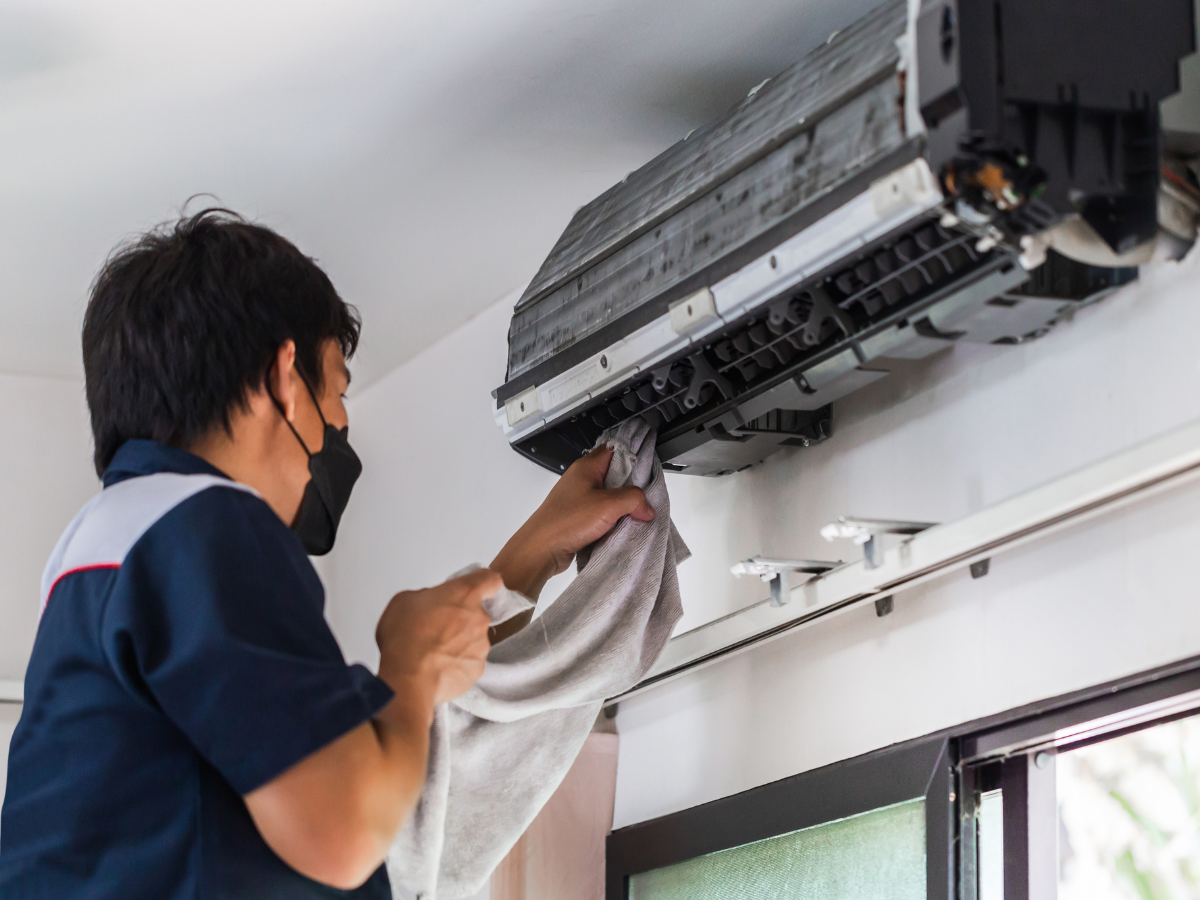
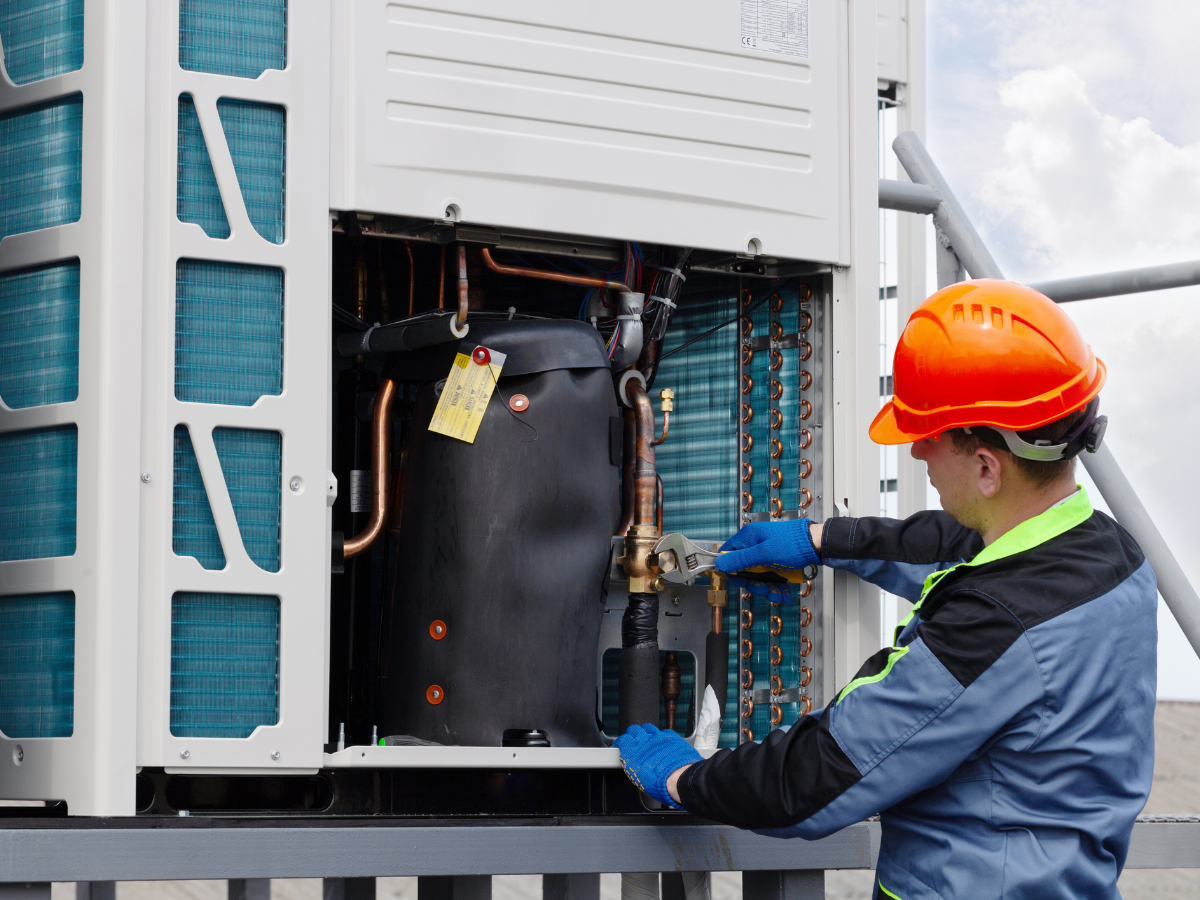
Regular preventative maintenance is the key to keeping wattage low. A professional technician can clean the internal components and calibrate the system for peak performance. Most experts recommend a full inspection at least once a year before the summer season begins.
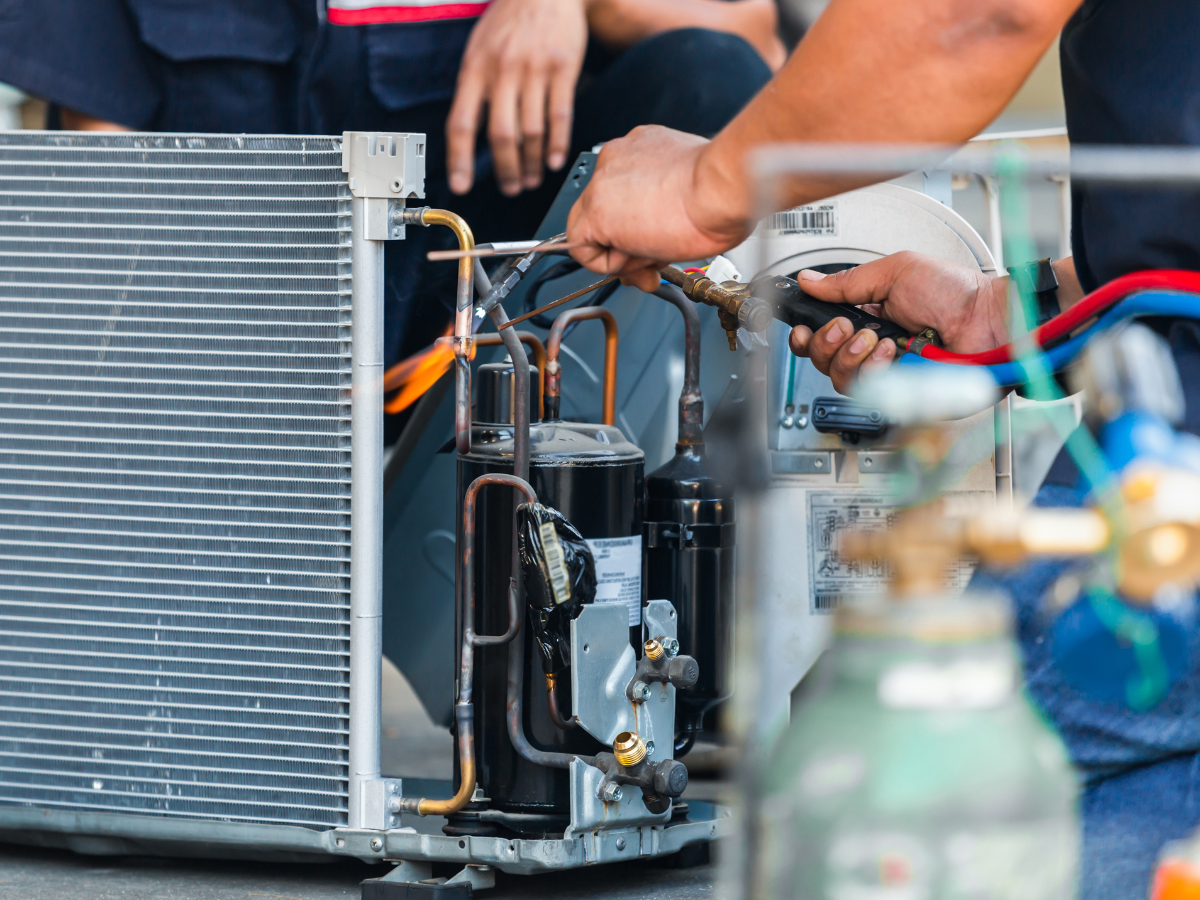
During a service call, a technician checks the electrical connections and ensures the compressor is not drawing excessive current. If your unit is more than 15 years old, a technician can help you determine if the high energy usage justifies a replacement with a high-efficiency model.
Frequently Asked Questions
Does a central AC use more power than a window unit?
Yes, a central system uses significantly more total wattage because it cools an entire house rather than a single room. However, it is often more efficient per square foot than running multiple window units simultaneously throughout the home.
How many watts does a 3-ton AC use?
A typical 3-ton central air conditioner uses approximately 3,500 to 4,000 watts. This number can vary based on the specific SEER2 rating and the age of the installation.
Will a soft start kit reduce my wattage?
A soft start kit reduces the initial startup surge but does not change the running wattage. It is very helpful for homeowners using solar power or generators to prevent system overloads during the start of a cycle.
Why is my AC drawing more power than usual?
High power draw is usually caused by mechanical friction, dirty outdoor coils, or a failing capacitor. If you notice your lights flickering when the AC turns on, it is time for a professional diagnostic check.
Is it cheaper to leave the AC on all day?
It is generally cheaper to use a smart thermostat to let the temperature rise slightly while you are out. Cooling a home back down takes less energy than maintaining a cold temperature against the heat of the midday sun for hours on end.
Conclusion
Understanding how many watts your central air conditioner uses is vital for any homeowner looking to control costs and maintain a reliable home. From tonnage to maintenance habits, every detail contributes to your total monthly expenditure. While these systems are complex, keeping them efficient does not have to be a mystery.
High energy bills and poor cooling performance are often signs that your system needs expert attention. At Air Master Inc., we specialize in optimizing HVAC efficiency to ensure you stay cool without breaking the bank. Our team of experienced technicians is ready to provide the precision tuning and repairs your system deserves.
Do not let high wattage drain your wallet this summer. Contact Air Master Inc. today to schedule your comprehensive maintenance visit and keep your cooling system running at peak performance!