BLOGS
How Often Should You Service Your Furnace?
Maintaining a comfortable home environment starts with a reliable heating system. Many homeowners overlook their heating units until the first frost of winter arrives. By then, hidden issues might have already taken root. Knowing exactly how often to service your furnace is the key to avoiding emergency heating repairs and high utility bills. Understanding systems like forced air vs central heating can also help you make better decisions about performance and efficiency.
Why is regular furnace maintenance essential for your home?
Your furnace is a complex machine that works tirelessly during the colder months. Over time, dust and debris accumulate inside the internal components. This buildup forces the system to work harder to circulate warm air through your ductwork.
Regular upkeep ensures that every part of your HVAC system operates at maximum efficiency. Beyond performance, maintenance is a matter of safety. Since most furnaces use natural gas or propane, a cracked heat exchanger can lead to dangerous carbon monoxide leaks.
How often should you service your furnace for peak performance?
The industry standard recommendation is to have your furnace serviced once per year. Ideally, you should schedule this appointment during the fall months. This timing ensures your system is ready for the heavy workload of winter before the peak heating season begins.
While some modern units are highly durable, an annual furnace tune up remains the gold standard. Consistency is vital because it allows technicians to catch minor wear and tear. Addressing these small issues early prevents them from evolving into costly furnace failures later. Regular servicing also plays a big role in improving home air quality, ensuring your indoor environment stays clean and safe for your family.
What are the primary benefits of an annual heating system tune up?
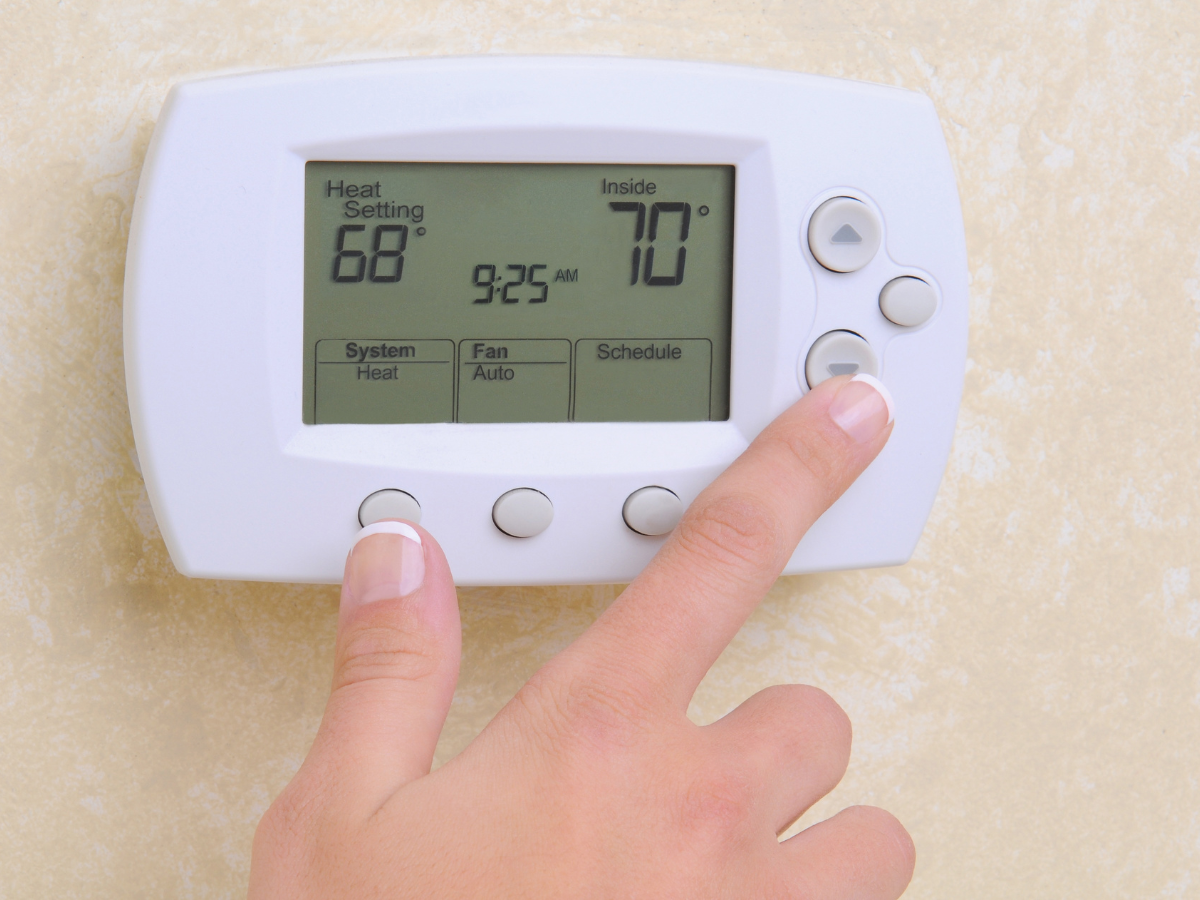
Investing in yearly service provides immediate and long term advantages. One of the most noticeable benefits is a reduction in your monthly energy bills. An efficient furnace uses less fuel to reach your desired thermostat settings.
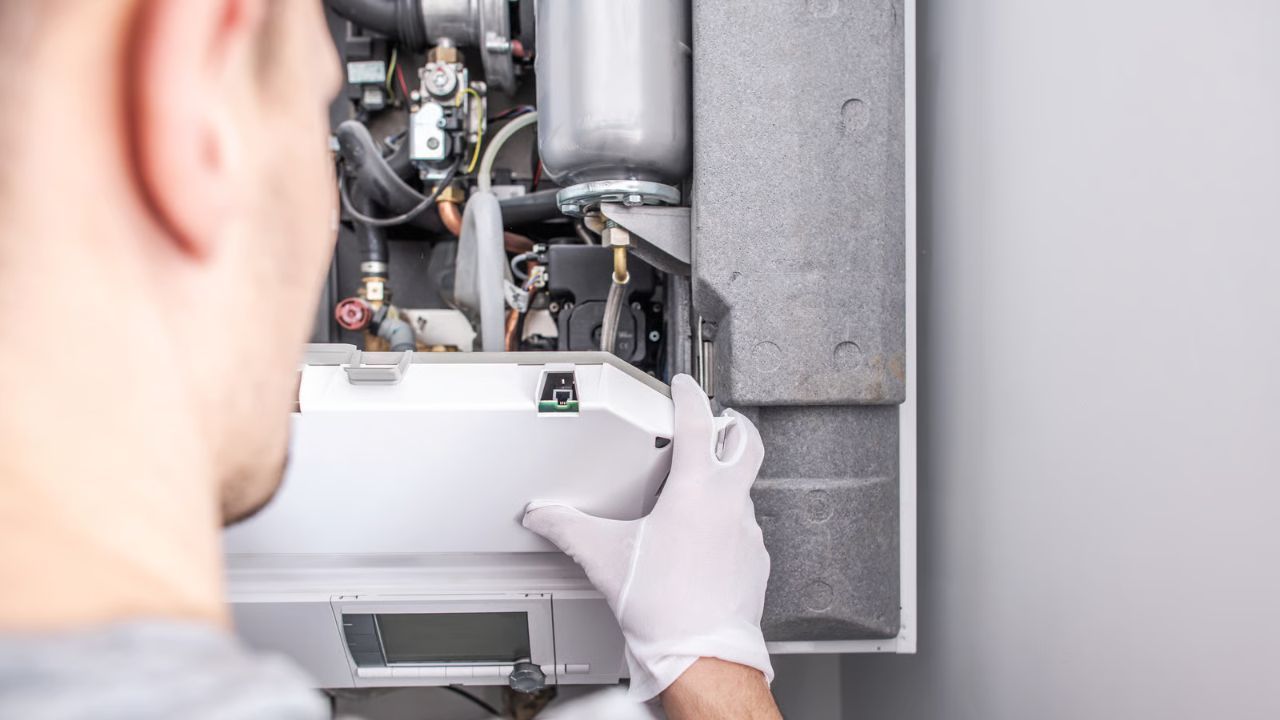
Furthermore, routine care significantly extends the lifespan of your furnace. Most systems are designed to last 15 to 20 years. However, without regular cleaning and lubrication, that lifespan can be cut short by several years.
- Improved indoor air quality by removing dust and allergens.
- Lower risk of a total system breakdown during a blizzard.
- Increased heating capacity for consistent warmth in every room.
- Enhanced fire safety through electrical and gas line inspections.
Can you skip a year of professional furnace inspections safely?
It might be tempting to skip a year if your furnace seems to be running fine. However, many furnace problems are invisible to the untrained eye. Small issues like a clogged condensate drain or a failing ignitor often show no outward symptoms until the unit stops working entirely. Following a proper hvac maintenance checklist helps ensure that no critical components are overlooked during inspections.
Skipping maintenance often leads to higher operational costs. A neglected system loses efficiency every year it goes without service. The money you think you are saving by skipping a technician visit is usually spent on higher gas or electric bills.
What are the warning signs that your furnace needs immediate repair?
Between your annual service visits, you should stay alert for red flags. If you notice strange noises like banging or screeching, your blower motor might be failing. Uneven heating throughout your home is another sign that your air distribution is compromised.
Pay close attention to your pilot light color. A healthy flame should be a crisp blue. If the flame appears yellow or flickers, it indicates an improper gas mix. This is a serious concern that requires an immediate visit from a certified HVAC technician.
How does professional servicing impact your manufacturer warranty?
Most homeowners are surprised to learn that their manufacturer warranty may be voided without proof of annual maintenance. Manufacturers require professional upkeep to cover the cost of expensive replacement parts.
If your heat exchanger or control board fails, the manufacturer might request service records. If you cannot provide them, you could be stuck paying the full price for repairs. Regular service protects your financial investment as much as your physical comfort.
What specific tasks are included in a standard furnace safety check?
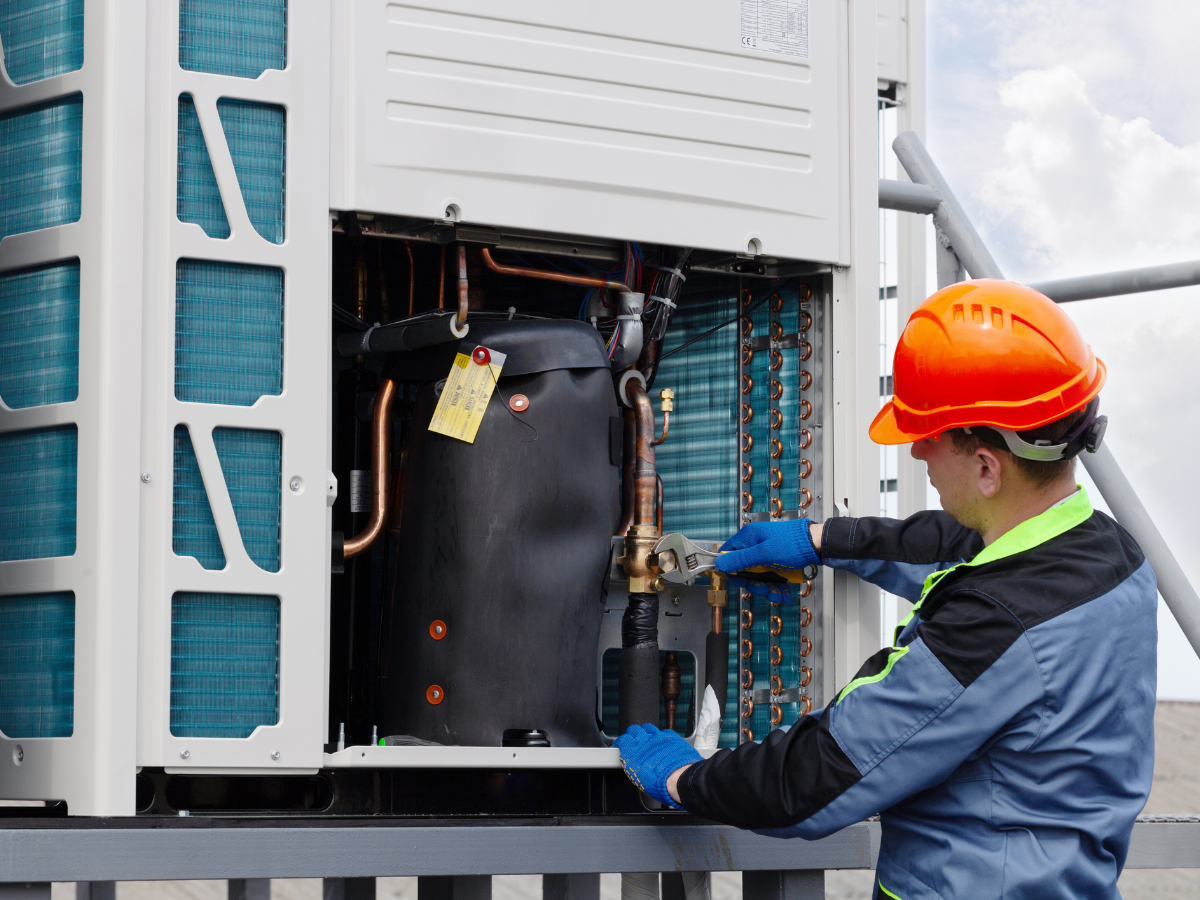
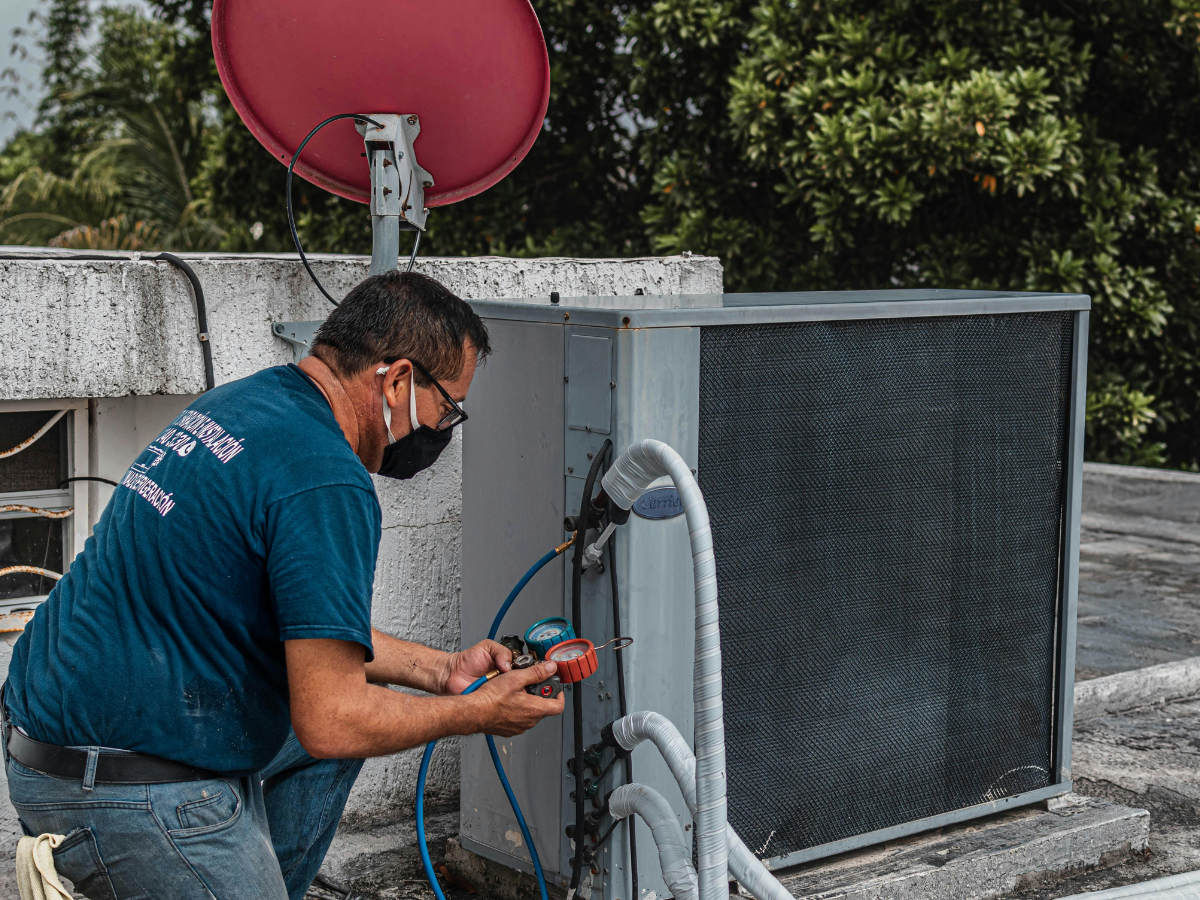
A comprehensive service visit involves more than just a quick glance at the unit. A professional will perform a multi point furnace inspection to ensure every component is sound. This process is thorough and designed to optimize the entire combustion process.
The technician will start by cleaning the burner assembly and checking the flame sensor. They also inspect the venting system to ensure exhaust gases are leaving your home safely. Testing the limit switches and cleaning the blower fan are also critical steps in the process.
Pro Tip: Always remember to replace your furnace filter every 30 to 90 days. A dirty filter is the leading cause of airflow restrictions and system overheating.
Frequently Asked Questions
Is it really necessary to service a furnace every year?
Yes, annual service is necessary to maintain safety and efficiency. It ensures that the heat exchanger is intact and that no combustible gases are leaking into your living space.
How much does a furnace tune up usually cost?
The cost is a small fraction of what a major repair or furnace replacement would be. Most homeowners find that the energy savings alone cover the cost of the appointment within a few months.
Can I perform furnace maintenance myself?
Homeowners should handle basic tasks like changing the air filter. However, technical tasks like checking gas pressure or inspecting the internal wiring must be handled by a professional to ensure safety and compliance.
How long does a typical furnace service appointment take?
A standard preventative maintenance visit usually takes between 60 and 90 minutes. This allows the technician enough time to clean, test, and calibrate the entire system thoroughly.
What happens if I never service my furnace?
Neglecting your system leads to shorter equipment life and higher risks of carbon monoxide poisoning. Eventually, the system will suffer a catastrophic failure, often during the coldest night of the year.
Conclusion
Your furnace is the heart of your home during the winter. Prioritizing expert care ensures a warm, safe environment while providing long term financial savings through improved efficiency. An annual furnace inspection is the most reliable way to prevent unexpected system failures.
The specialists at Air Master Inc. deliver premium heating services to keep your equipment in peak condition. We use advanced diagnostics to find hidden issues before they disrupt your comfort. Don't wait for a cold snap to test your system.
Ready to prepare your home for winter? Book your comprehensive maintenance appointment with Air Master Inc. today to ensure reliable warmth all season long.