BLOGS
How to Prepare Your AC for Summer Heat?
As the temperature begins to climb, your reliance on your air conditioning system increases exponentially. Preparing your home for the sweltering months ahead is not just about comfort; it is about ensuring your HVAC system operates at peak performance. Seasonal changes and the tulsa weather hvac impact can significantly affect how efficiently your system runs, making early preparation even more important.
A proactive approach helps you avoid the dreaded mid-summer breakdown. By taking the time to inspect your unit now, you can improve indoor air quality and significantly extend the lifespan of your expensive equipment.
Why Is Early Summer AC Maintenance Crucial for Your Home Comfort?
Waiting until the first triple-digit day to turn on your cooling system is a risky gamble. Preventative maintenance is the cornerstone of a reliable home environment. It allows you to identify small issues before they escalate into costly repairs.
When your system is bogged down by dust and debris, it works harder to circulate air. This extra strain leads to higher energy consumption and spiked utility bills. A clean system runs more efficiently, keeping your home cooler while using less power.
Furthermore, a well-maintained unit provides better humidity control. Summer heat often comes with moisture that can make your home feel sticky. A tuned-up AC effectively removes this moisture, ensuring a crisp and refreshing indoor atmosphere.
What Are the Essential Steps to Clean Your Outdoor Condenser Unit?
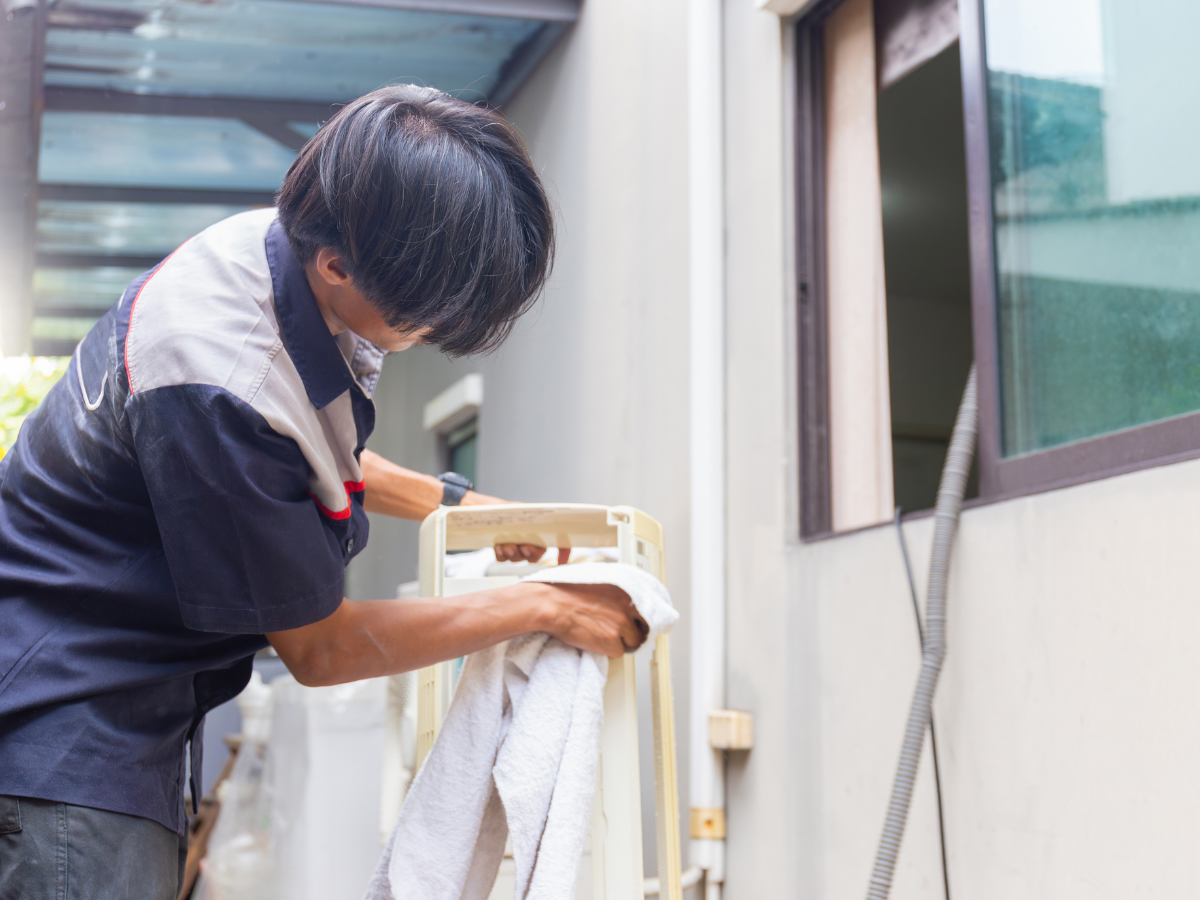
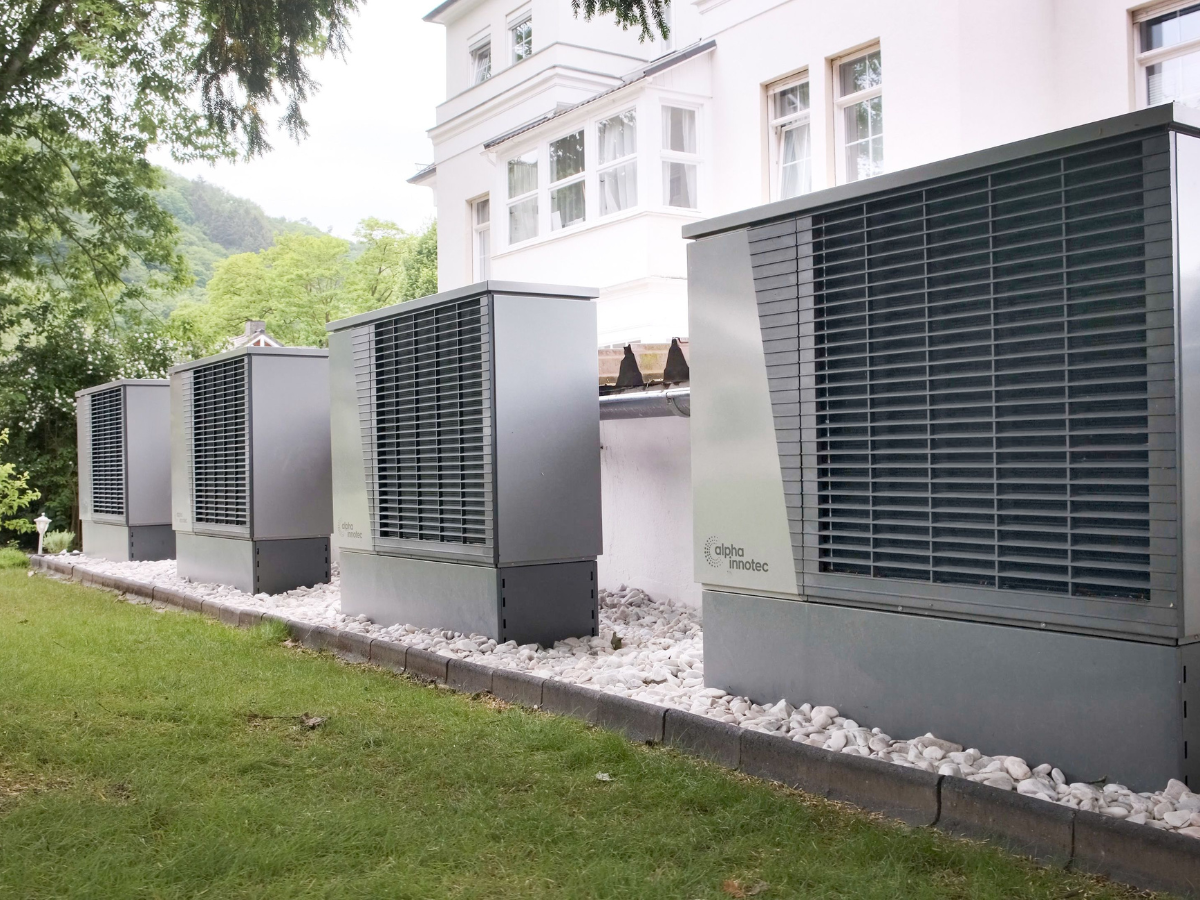
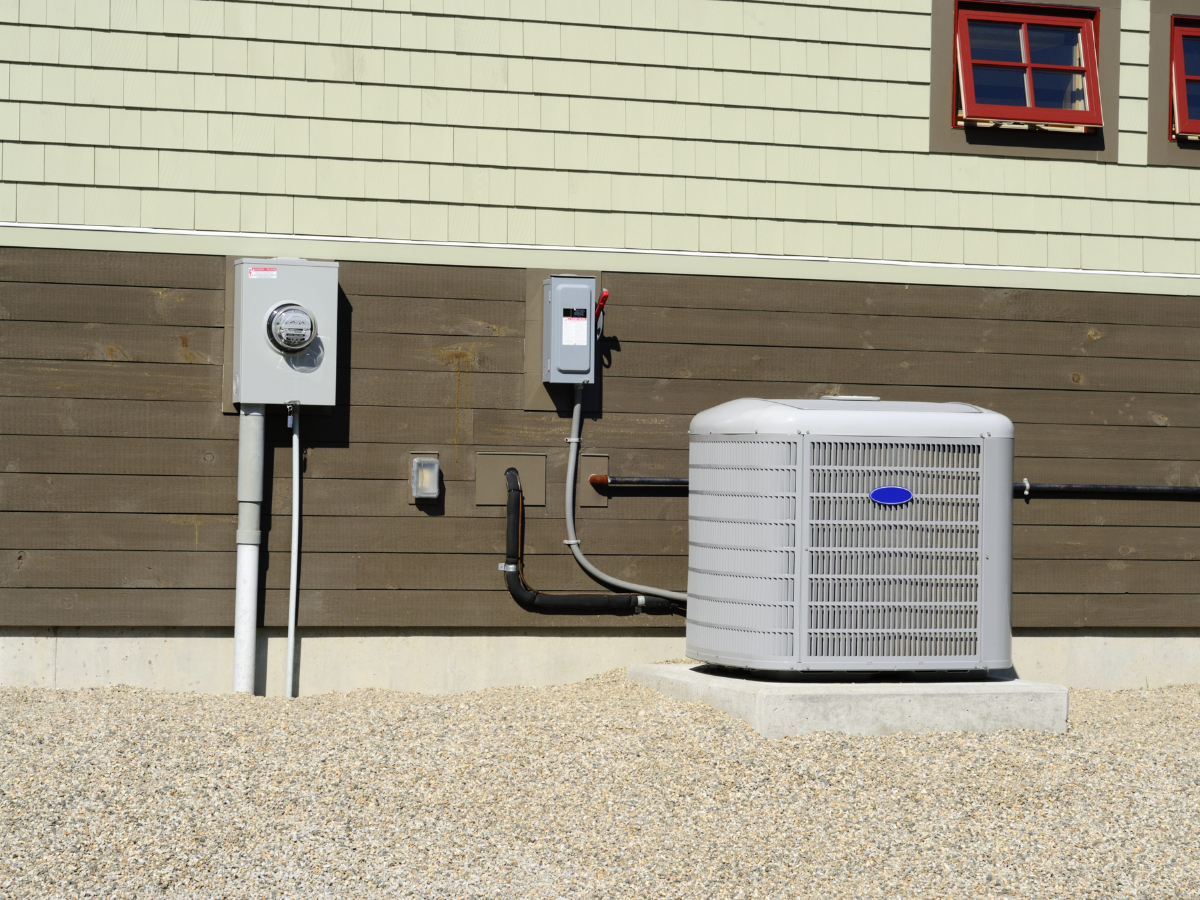
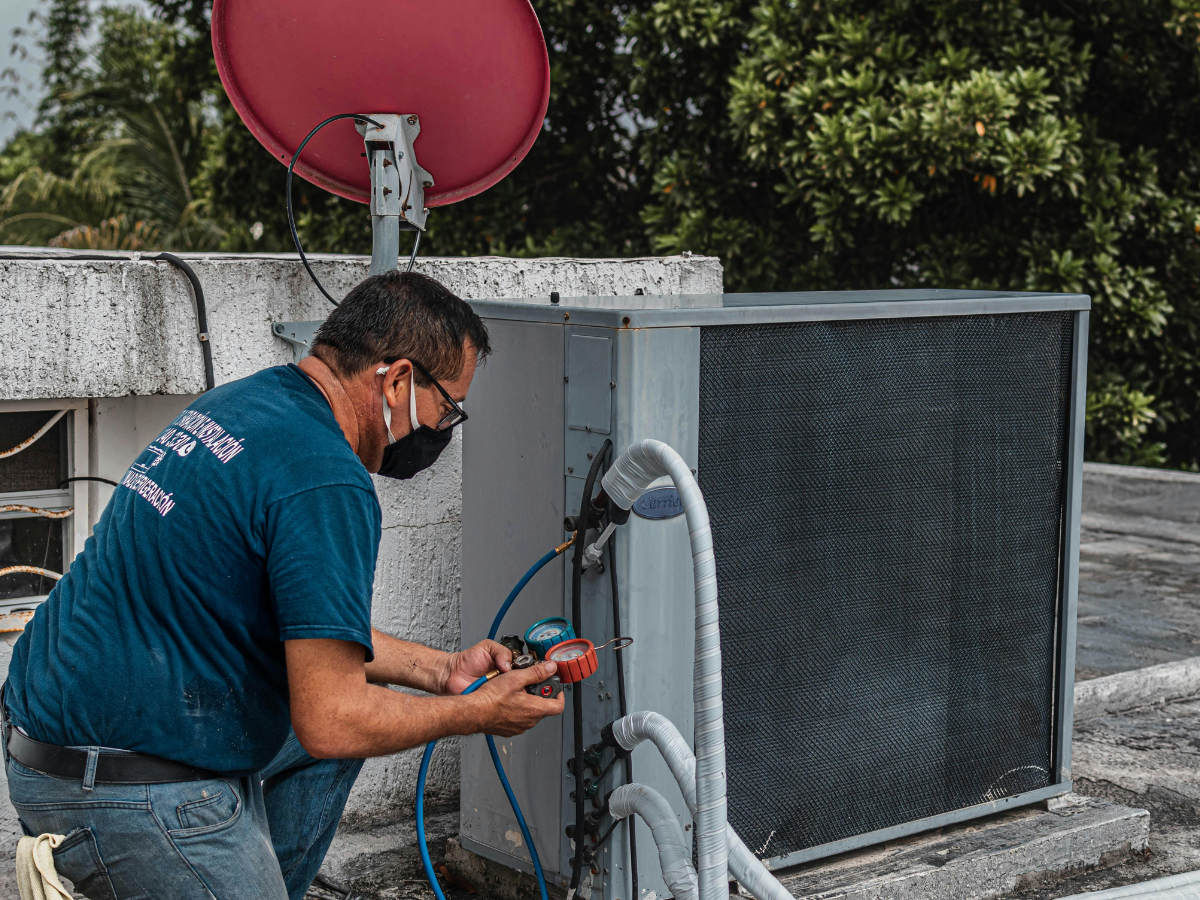
The outdoor portion of your air conditioner, known as the condenser unit, bears the brunt of the elements. Over the winter, leaves, dirt, and twigs can accumulate around the exterior, obstructing vital airflow. Following proper ac unit cleaning steps can help remove debris, improve efficiency, and extend the lifespan of your system.
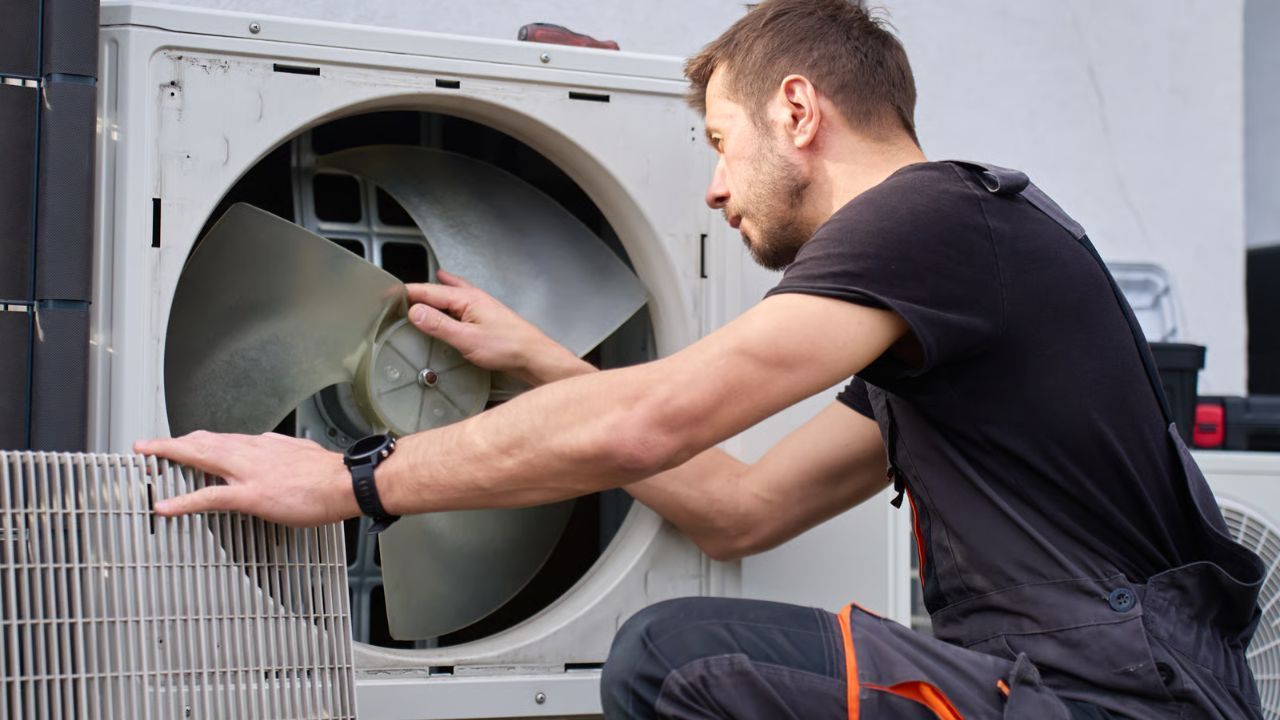
Start by clearing a two-foot radius around the unit. Remove any tall grass, weeds, or overhanging branches. This simple step ensures that the system can "breathe" properly and release heat effectively during the cooling cycle.
Next, inspect the condenser coils for visible dirt buildup. You can gently use a garden hose to rinse away surface grime, an important step in summer AC care. Avoid using a pressure washer, as the high force can bend the delicate aluminum fins and restrict air movement.
If you notice bent fins, you can use a fin comb to straighten them out. Ensuring these components are straight and clean allows for optimal heat exchange, which is vital for maintaining a chilly indoor temperature.
How Can You Optimize Your Indoor Airflow for Maximum Cooling Efficiency?
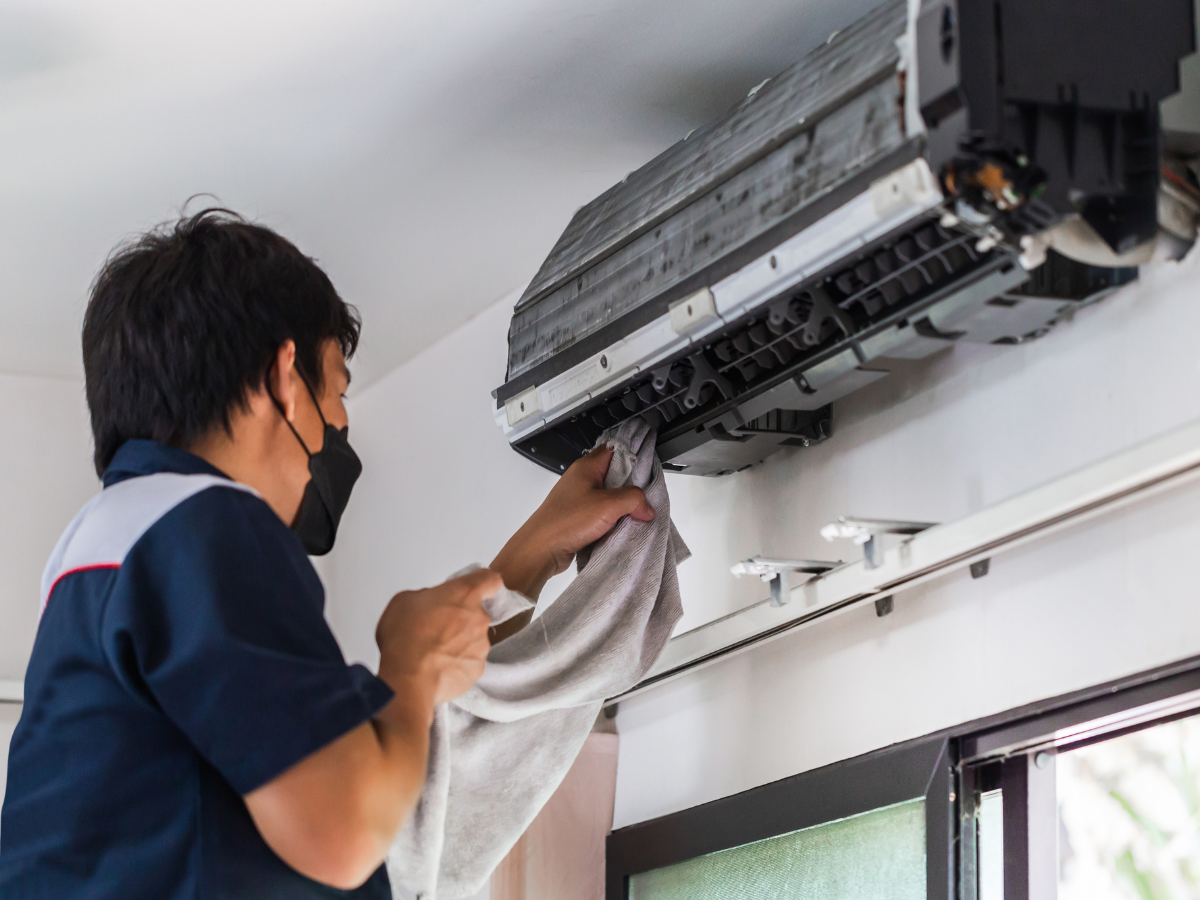
Your indoor components are just as important as the outdoor ones. The most critical task for any homeowner is checking the air filter. A clogged filter restricts air, forcing the blower motor to work overtime and potentially causing the system to overheat. Regular maintenance helps
fix ac airflow issues and keeps your system running smoothly.
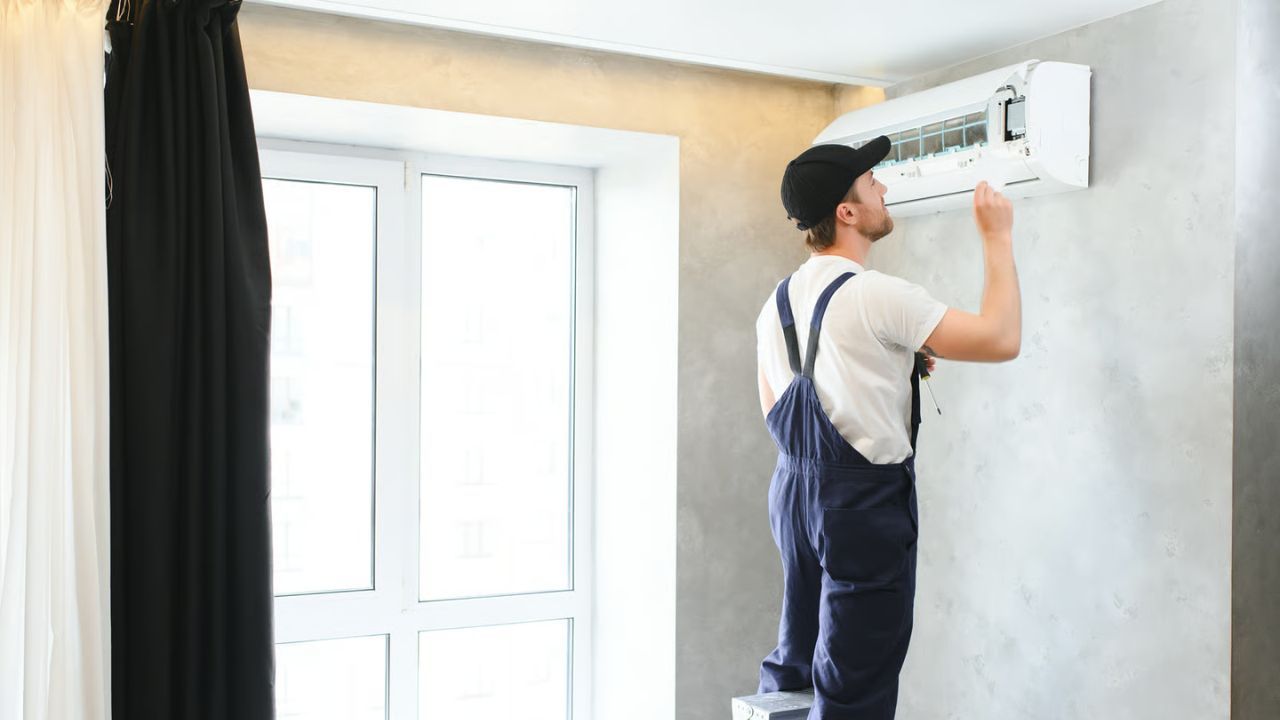
Replace your filters every thirty to ninety days depending on your household needs. If you have pets or allergies, more frequent changes will improve your respiratory health and keep the internal evaporator coils from becoming coated in dust.
Ensure that all supply vents and return grilles are unobstructed by furniture or curtains. Blocking these vents disrupts the pressure balance of your HVAC system, which can lead to uneven cooling and "hot spots" throughout your living space.
Check your ductwork for any visible gaps or leaks. Leaky ducts can waste up to thirty percent of your cooled air before it ever reaches your rooms. Sealing these leaks ensures that every bit of refrigerant power is used to cool your home.
Why Should You Calibrate Your Thermostat Settings Before the Heatwave Hits?
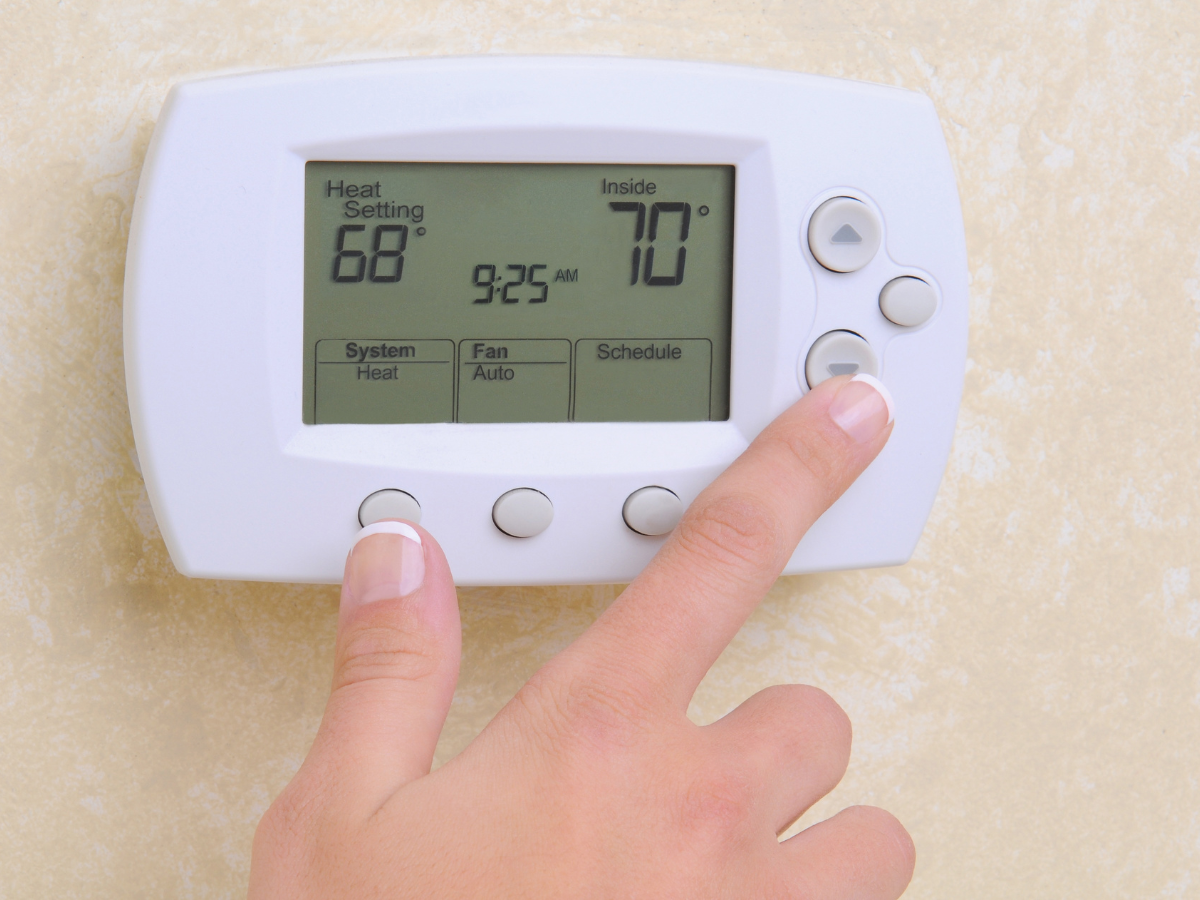
Your thermostat acts as the brain of your cooling system. If it is not calibrated correctly, your AC may run longer than necessary or fail to reach the desired temperature. Whether you are upgrading or maintaining your system, proper tulsa thermostat installation and early testing ensure it triggers the cooling cycle accurately.
Upgrading to a programmable thermostat or a smart model can revolutionize your summer comfort. These devices allow you to set schedules that reduce cooling when you are away, which drastically lowers your seasonal energy costs.
Smart thermostats also provide insights into your usage patterns. They can alert you when it is time for a filter replacement or if the system is behaving strangely. This level of automation takes the guesswork out of managing your home climate.
Ensure the thermostat is located away from heat sources like lamps or direct sunlight. If the sensor picks up artificial heat, it will tell the AC to keep running even when the rest of the house is perfectly comfortable.
When Is It Time to Call a Professional HVAC Technician for a Tune-Up?
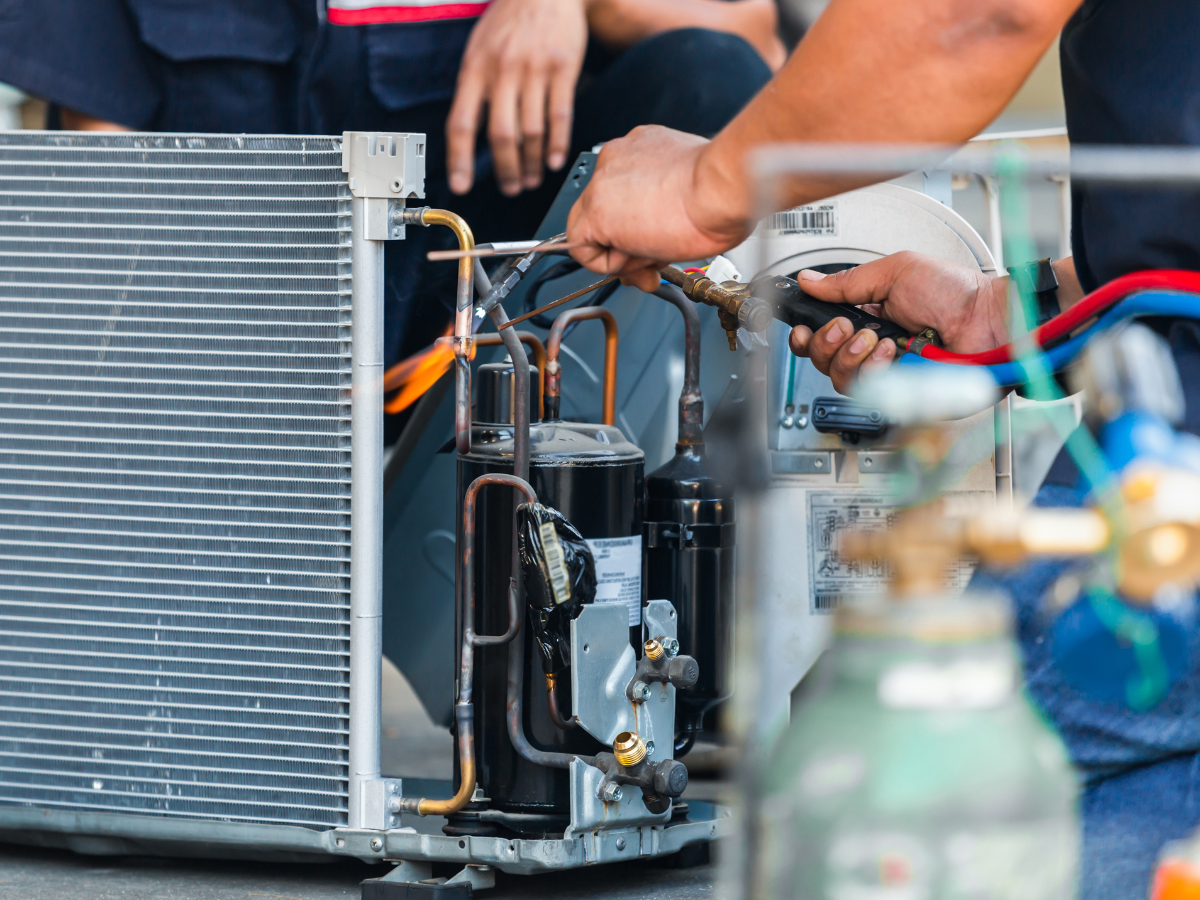
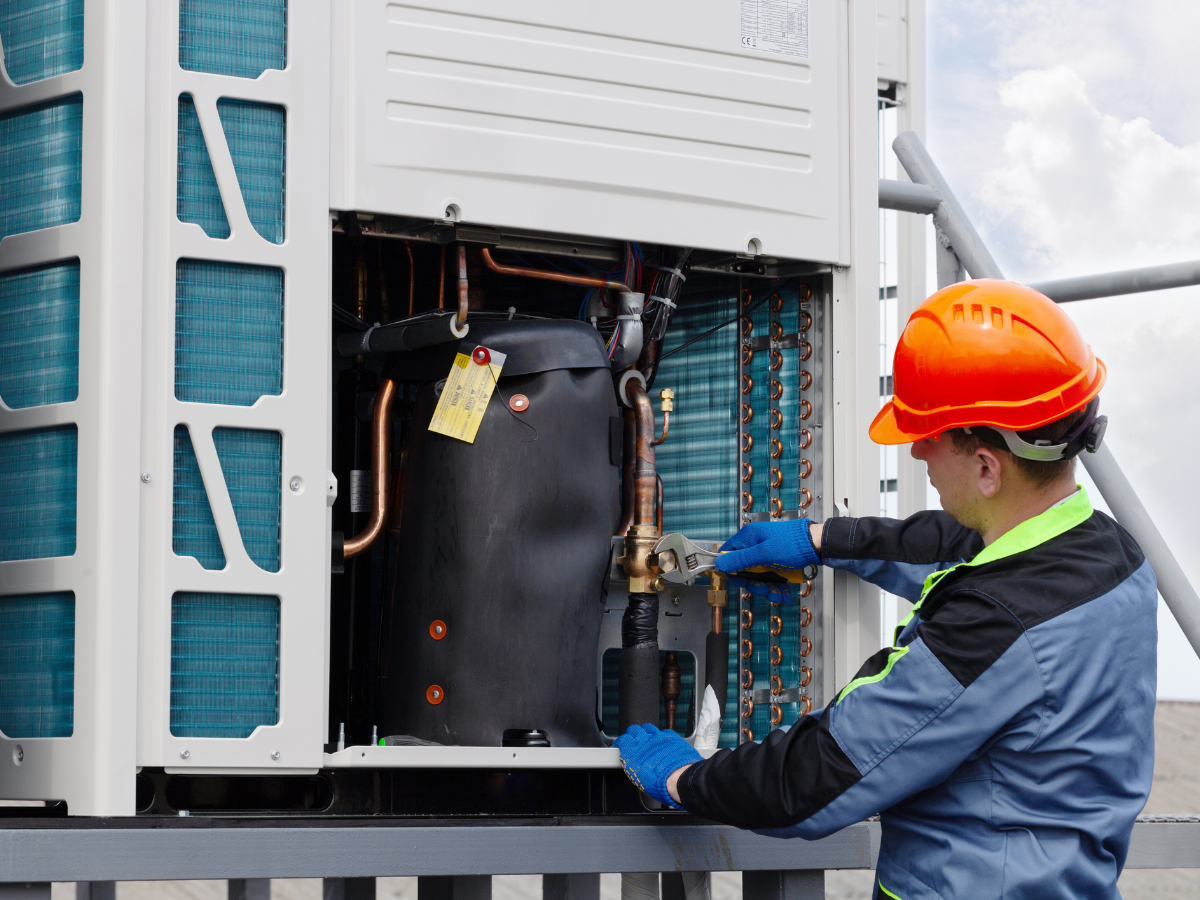
While DIY steps are helpful, some tasks require the expertise of a licensed professional. A comprehensive AC tune-up involves checking refrigerant levels and inspecting electrical connections that the average homeowner should not handle.
A technician will measure the amperage draw of the motors and lubricate moving parts to reduce friction. They also inspect the condensate drain line for clogs. A blocked drain can cause water damage or lead to mold growth inside your walls, reducing overall summer AC comfort.
If you hear strange noises like grinding or squealing, or if you smell a musty odor when the air kicks on, it is time for a professional evaluation. Addressing these mechanical failures early prevents a total system collapse during the hottest week of the year.
Professional servicing also protects your manufacturer warranty. Many companies require documented annual maintenance to keep the warranty valid. Investing in a professional checkup now saves you from massive out-of-pocket expenses later.
Frequently Asked Questions
How often should I change my AC filter during the summer?
During peak summer months, it is best to check your filter every thirty days. If it looks gray or dusty, replace it immediately to maintain high energy efficiency and clean air.
Why is my air conditioner blowing warm air?
This issue often stems from a dirty evaporator coil or low refrigerant charge. It could also be a simple thermostat setting error. If cleaning the filter does not help, you likely need a professional repair.
Is it okay to cover my outdoor AC unit in the summer?
Never cover your unit while it is in use. The outdoor unit needs constant airflow to dissipate heat. Covering it during operation will cause the compressor to burn out very quickly.
What is the best temperature to set my AC during a heatwave?
The Department of Energy suggests setting your thermostat to 78 degrees when you are home. For every degree you raise the temperature, you can save significantly on your cooling expenses.
How long does a standard AC unit usually last?
Most central air conditioning systems last between fifteen and twenty years. However, this lifespan is only achievable if the unit receives regular preventative maintenance and timely repairs.
Conclusion
Preparing your AC for the summer heat is the best way to ensure your home remains a sanctuary from the sun. By cleaning your condenser unit, changing your filters, and optimizing your thermostat, you set the stage for a reliable and efficient season.
Do not wait for the heat to become unbearable before checking your system. A little preparation today goes a long way in preventing an emergency tomorrow. You deserve a cool, comfortable home without the stress of unexpected breakdowns.
Are you ready to beat the heat? Contact Air Master Inc. today to schedule your professional HVAC inspection. Our expert team is standing by to ensure your cooling system is in top shape for the summer. Let us help you stay cool while keeping your energy bills low!