BLOGS
What Is Forced Air Heating vs. Central?
If you have ever tried to compare forced air heating and central heating, you are not alone. Many homeowners find themselves confused by the terminology when shopping for a new HVAC system or trying to understand their current setup.
The good news? Once you understand how each system works, making the right choice for your home becomes a lot simpler. In this guide, Air Master Inc. breaks down the differences in plain language so you can feel confident about your home comfort decisions.
What Is Forced Air Heating and How Does It Work?
Forced air heating is a system that heats your home by warming air and then pushing it through a network of air ducts and vents using a blower fan. The heat source is typically a gas furnace, electric furnace, or heat pump.
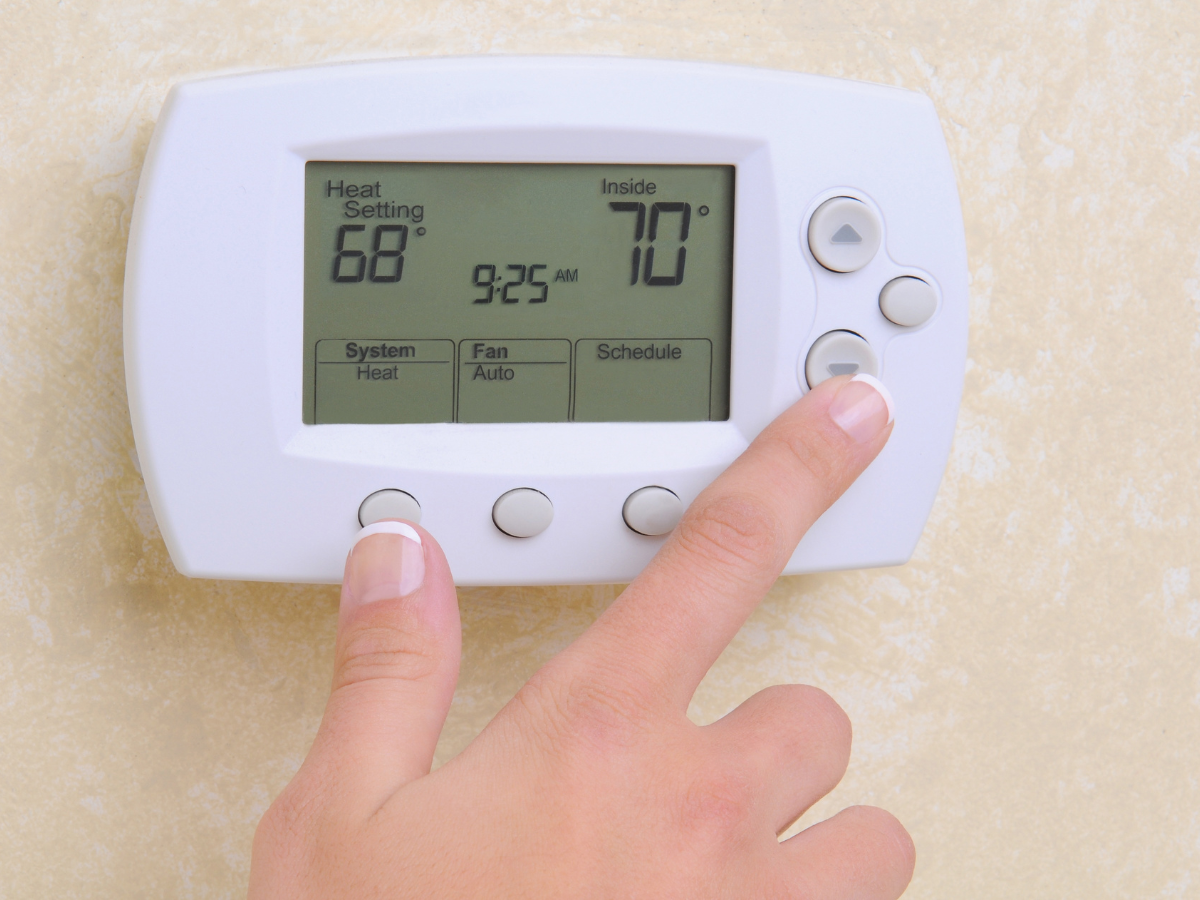
When your thermostat signals that the temperature has dropped, the furnace fires up, heats the air, and the blower fan distributes that heated air throughout your home. This process repeats in cycles to maintain your desired indoor temperature, and understanding your furnace service frequency helps ensure the system runs efficiently and reliably over time.
One important advantage of forced air systems is their ability to connect with air filtration, air purification, and whole-home humidifiers. That means better indoor air quality alongside reliable heating.
What Is Central Heating and What Makes It Different?
Central heating is a broad term that refers to any system that heats a building from one central source and distributes that heat throughout the space. It is an umbrella category, and forced air heating is actually one type of central heating system.
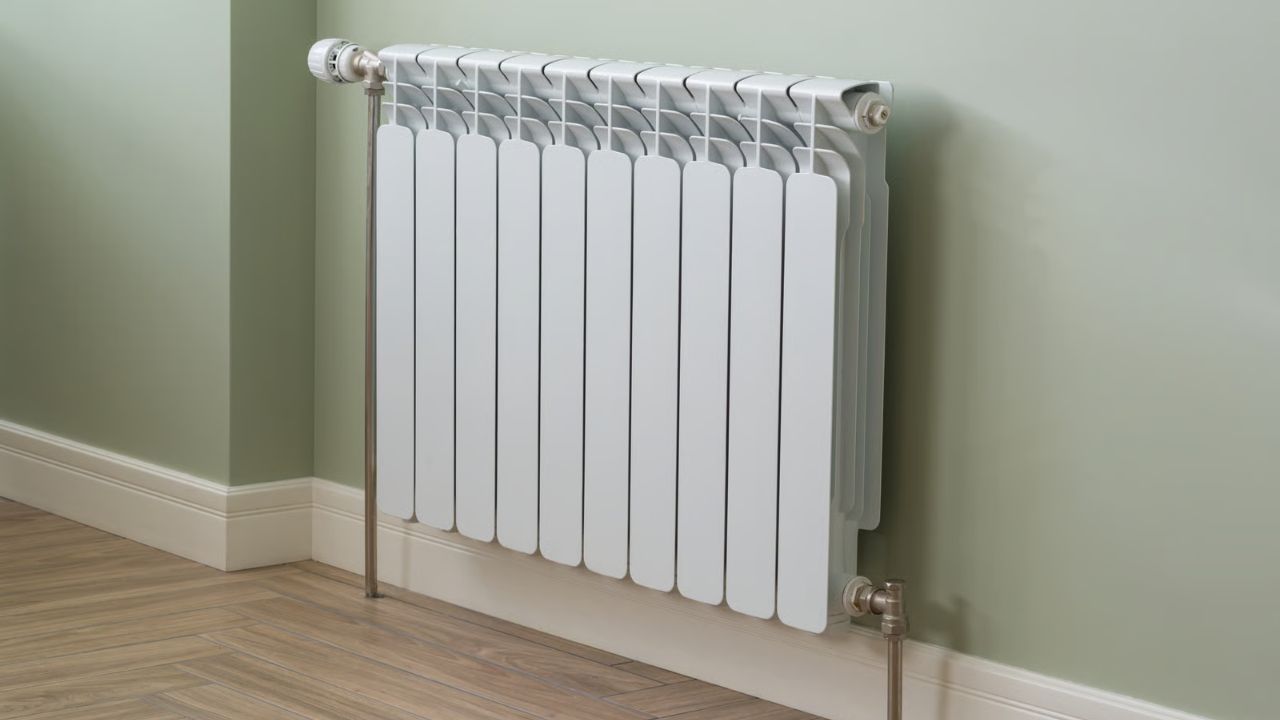
Other types of central heating include the following:
- Hydronic or radiant systems: These heat water in a boiler and circulate it through radiators or in-floor radiant heating pipes.
- Steam heating: A boiler heats water until it produces steam, which travels through pipes to radiators.
- Electric radiant heating: Electric panels or cables installed in floors or ceilings produce radiant heat transfer without ducts.
So when someone says central heating, they could mean any of these setups. When they say forced air, they are referring specifically to the duct-based, fan-driven system.
Is Forced Air the Same as Central Heating, or Are There Key Differences?
This is one of the most common questions homeowners ask, and the answer requires a small distinction. All forced air systems are central heating systems, but not all central heating systems are forced air systems.
Think of it this way: central heating describes the concept, while forced air describes the method. The key differences come down to how heat is delivered:
- Forced air: Uses air as the medium and requires ductwork installation and a blower motor.
- Hydronic central heating: Uses water or steam as the medium and requires boiler systems, pipes, and radiators.
For most American homes, when a contractor or neighbor says "central heating," they usually mean a central forced-air furnace system that is part of a central HVAC system. But it is always worth clarifying which type is installed or being recommended.
Which Heating System Is More Energy Efficient for Your Home?
Energy efficiency depends on the specific system, your home's insulation, and local climate. That said, here is how each type generally performs:
Forced air furnaces running on natural gas are among the most cost-effective heating options for colder climates. Modern high-efficiency gas furnaces carry AFUE ratings of 90 to 98 percent, meaning nearly all fuel is converted to usable heat.
Hydronic radiant systems are highly efficient because they deliver even, consistent heat without the duct heat loss associated with forced air systems. However, they tend to have her upfront installation costs.
If your home already has ductwork in place, upgrading to a high-efficiency forced air furnace or heat pump system is often the most practical and budget-friendly route to improving home energy efficiency.
What Are the Pros and Cons of Forced Air Heating Systems?
Pros
- Fast heating: Warm air is distributed quickly throughout the home.
- Dual function: The same ductwork supports central air conditioning in summer.
- Air quality integration: Works with HEPA filters, UV air purifiers, and humidifiers.
- Cost-effective installation: Especially when ductwork already exists.
Cons
- Duct leakage: Poorly sealed ducts can reduce heating efficiency and increase energy bills.
- Air dryness: Forced air can reduce indoor humidity levels, which may require a humidifier.
- Noise: Blower fans can produce noise, though modern systems are much quieter.
- Allergen circulation: Without quality filters, ducts can spread dust and allergens.
How Do You Choose the Right Heating System for Your Home?
Choosing between a forced air system and another type of central heating comes down to several factors:
- Existing infrastructure: Do you already have ductwork? If yes, a forced air furnace replacement is typically the easiest and most affordable path.
- Climate: Colder climates benefit most from high-BTU-output furnaces. Milder areas may do well with a heat pump.
- Budget: Forced air systems often have lower installation costs, while radiant heating systems offer long-term comfort benefits at a higher upfront price.
- Home comfort goals: If indoor air quality is a priority, a forced air system with a high-grade air filtration system may be your best option.
A qualified HVAC technician can conduct a home heating assessment and help you find the right system based on your home's size, insulation, and energy usage patterns.
Frequently Asked Questions
Is forced air heating the same as central heat?
Not exactly. Forced air heating is a type of central heating, but central heating is a broader category that also includes radiant heating, hydronic systems, and steam heating. All forced air is central, but not all central is forced air.
Is forced air heating gas or electric?
Forced air systems can run on either natural gas, propane, or electricity. Gas furnaces are the most common due to their lower operating costs in colder climates, while electric heat pump systems are popular in milder regions.
What are the signs that my forced air system needs repair?
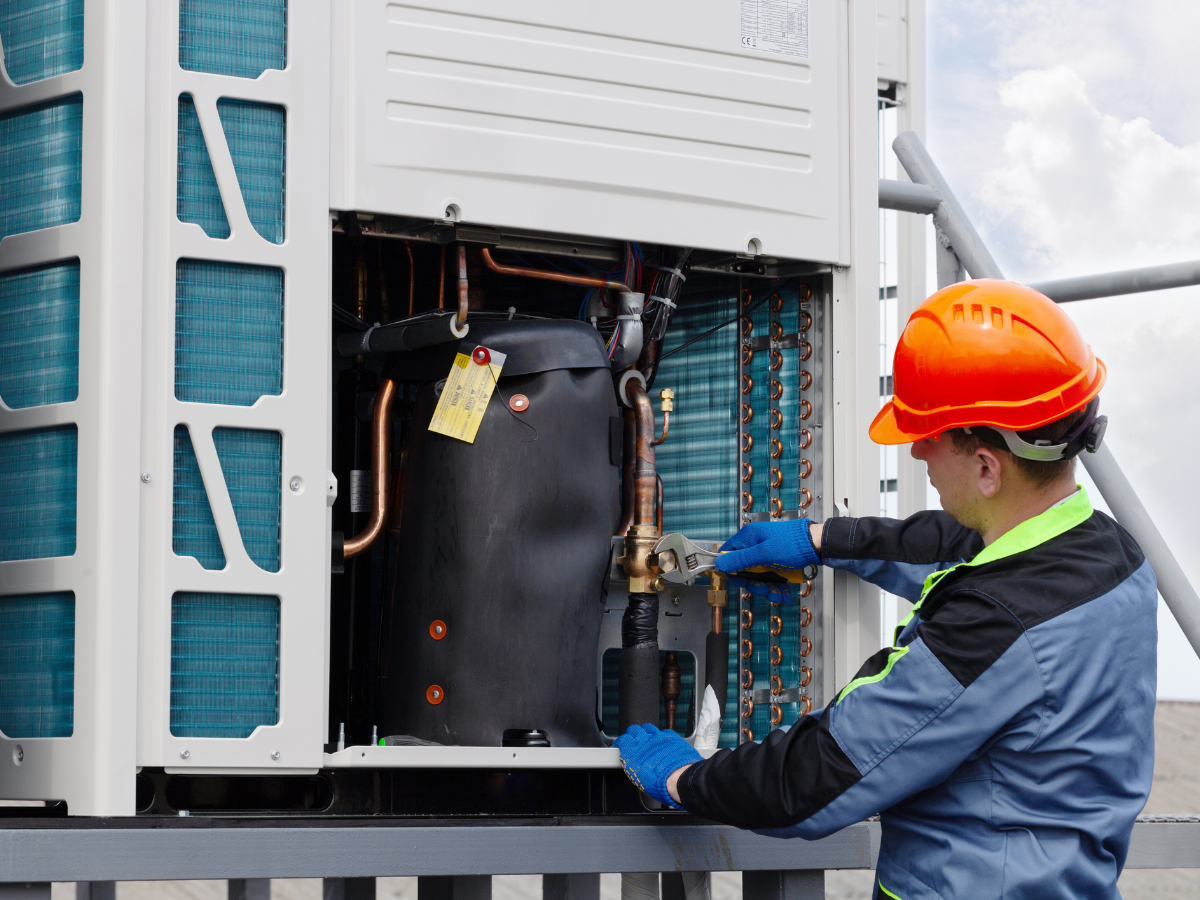
Common warning signs include uneven heating across rooms, unusual sounds from the furnace or blower, rising heating bills without a change in usage, and poor indoor air quality. If you notice any of these, it is time to schedule a furnace inspection.
How often should a forced-air furnace be serviced?
HVAC professionals recommend scheduling a furnace tune-up at least once per year, ideally before the winter heating season begins. Regular preventive maintenance extends system life and keeps energy costs under control.
Can I add air conditioning to my forced air heating system?
Yes. One of the biggest advantages of forced air HVAC systems is that the existing ductwork can support both heating and central air conditioning. Adding a central AC unit or upgrading to a heat pump is straightforward when ductwork is already in place.
Conclusion
Understanding the difference between forced air heating and central heating helps you make smarter decisions about your home comfort system. Whether you are replacing an aging furnace, considering a new HVAC installation, or just trying to understand your options, knowledge is your most valuable tool.
At Air Master Inc., our team of certified HVAC technicians is here to guide you through every step, from system selection to furnace installation, ductwork repair, and annual heating maintenance. We serve homeowners who expect reliable comfort and honest service.
Ready to upgrade your home's heating system or schedule a professional inspection? Contact Air Master Inc. today and let our experts help you find the right solution for your home and budget. Your comfort is our commitment.