BLOGS
How to Clean an Air Conditioner Wall Unit?
A dirty air conditioner wall unit does more than just look bad. It drives up your energy bills, weakens airflow, and circulates dust, allergens, and mold spores throughout your indoor space—often leading to issues like central ac not blowing efficiently when airflow becomes restricted.
The good news is that regular cleaning is one of the simplest ways to keep your system running at peak efficiency. This step-by-step guide will walk you through everything you need to know.
Why Is It Important to Clean Your Air Conditioner Wall Unit Regularly?
When dust and debris build up inside your wall AC, the unit has to work much harder to cool your home. This directly leads to higher energy consumption and a shorter equipment lifespan.
Beyond efficiency, a neglected unit becomes a breeding ground for mold growth, bacterial buildup, and poor indoor air quality. For households with allergy sufferers or children, this is a serious health concern.
Routine air conditioner maintenance helps you avoid costly repairs, maintain manufacturer warranties, and ensure consistent cooling performance season after season.
What Tools and Supplies Do You Need Before Cleaning a Wall AC Unit?
Before you begin, gather the right supplies to make the process smooth and safe. Here is what you will need:
- A soft-bristle brush or old toothbrush
- Fin comb for straightening bent coil fins
- Mild coil cleaner spray or a mix of warm water and dish soap
- Microfiber cloths and paper towels
- A vacuum cleaner with a brush attachment
- Screwdrivers for panel removal
- Protective gloves and safety glasses
Always turn off the unit and unplug it from the power source before starting any cleaning work. This is a non-negotiable safety precaution.
How Do You Clean the Air Filter on a Wall Air Conditioner?
The air filter is the most frequently cleaned component and for good reason. It traps airborne particles, pet dander, and dust before they enter the unit.
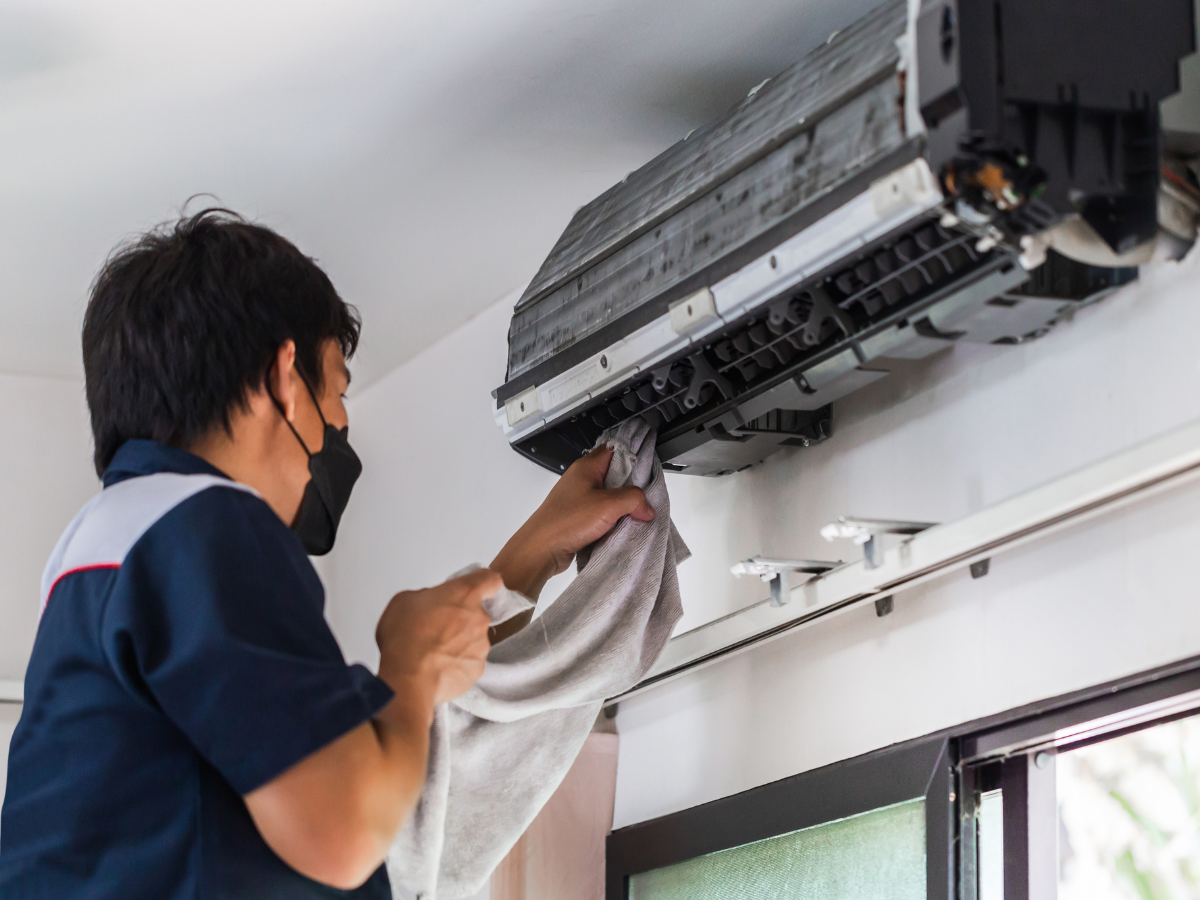
Start by removing the front panel of the wall unit. The filter will slide or snap out easily. Hold it up to the light. If you see a gray, dusty layer blocking light, it is overdue for a cleaning.
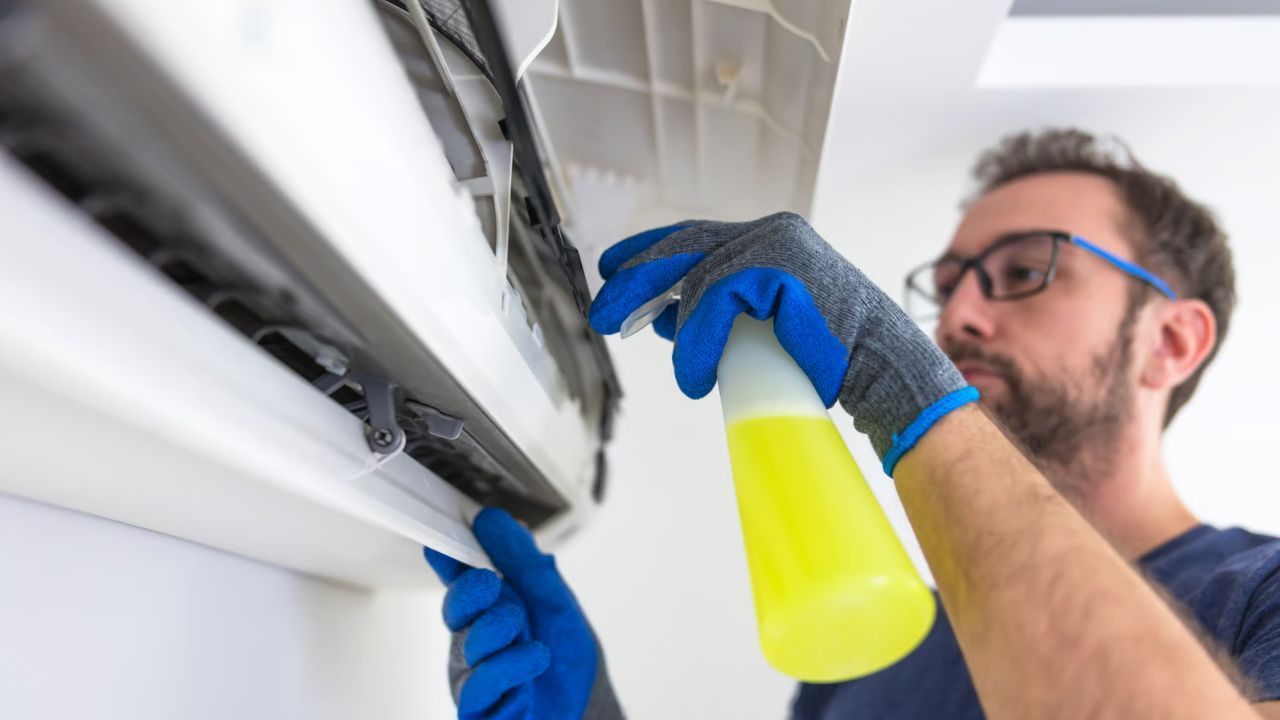
Rinse the filter under lukewarm running water from the back side to push debris out. Use a gentle brush for stubborn spots. Let it air dry completely before reinserting it. Never run the AC with a wet filter, as it can impact performance and limit your vent portable ac options if proper airflow isn’t maintained.
For disposable filters, replace them entirely rather than washing. Most manufacturers recommend cleaning or replacing filters every 2 to 4 weeks during heavy use.
How Do You Clean the Evaporator Coils and Fins on a Wall AC Unit?
The evaporator coils are responsible for absorbing heat from your indoor air. When they are coated in grime, heat transfer efficiency drops significantly.
After removing the filter, use your vacuum's brush attachment to gently remove loose debris from the coil surface and aluminum fins. Work from top to bottom in slow, steady strokes.
Next, apply a no-rinse coil cleaner spray directly onto the coils. Let it foam and break down buildup for the time listed on the product label. The condensate will carry the residue down into the drain pan naturally.
If the aluminum fins appear bent, use a fin comb to carefully straighten them. Bent fins restrict airflow and reduce the unit's cooling capacity considerably.
How Do You Clean the Drain Pan and Drainage Line of a Wall Air Conditioner?
The condensate drain pan sits beneath the evaporator coils and collects moisture as the unit operates. Over time, algae and slime can develop in this area.
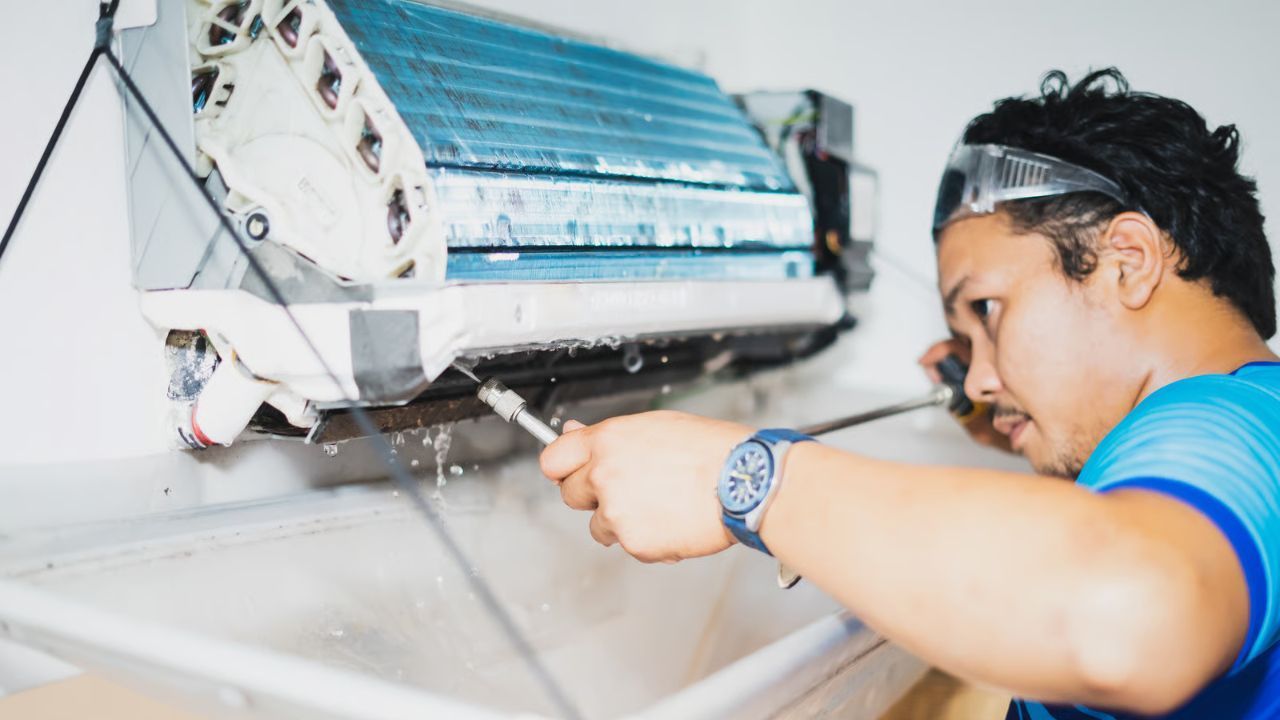
Remove any standing water using a cloth or small wet vac. Wipe down the pan thoroughly with a mixture of white vinegar and water, which naturally kills mold and prevents future buildup.
Next, locate the drainage line or drain port. Pour a small amount of diluted vinegar down the line to break up any algae blockages. A clogged drain line can cause water to back up and leak into your walls, leading to expensive structural damage.
Check that water flows freely through the drain. If it does not, use a thin brush or compressed air to clear the obstruction.
How Often Should You Clean Your Wall Air Conditioner Unit?
The frequency of cleaning depends on how often you use the unit and the environment it operates in. Here is a practical schedule to follow:
- Every 2 to 4 weeks: Clean or inspect the air filter, especially during summer months or peak usage periods.
- Every 3 months: Wipe down the exterior housing, check the drain pan, and inspect the coil area for visible grime.
- Once a year: Perform a deep clean of the coils, fins, drain line, and internal components. This is best done before the cooling season begins.
Homes near construction zones, heavy traffic areas, or with multiple pets may need more frequent attention due to higher levels of airborne contaminants.
What Are the Signs That Your Wall AC Unit Needs Professional Cleaning?
Some situations go beyond what a standard cleaning routine can address. Watch for these warning signs:
- Musty or foul odors coming from the vents, which may indicate mold deep inside the unit
- Reduced airflow despite a clean filter, suggesting blocked coils or a failing blower
- Ice forming on the coils, which points to restricted airflow or refrigerant issues
- Unusual noises like rattling or grinding during operation
- Visible black or green mold on internal components
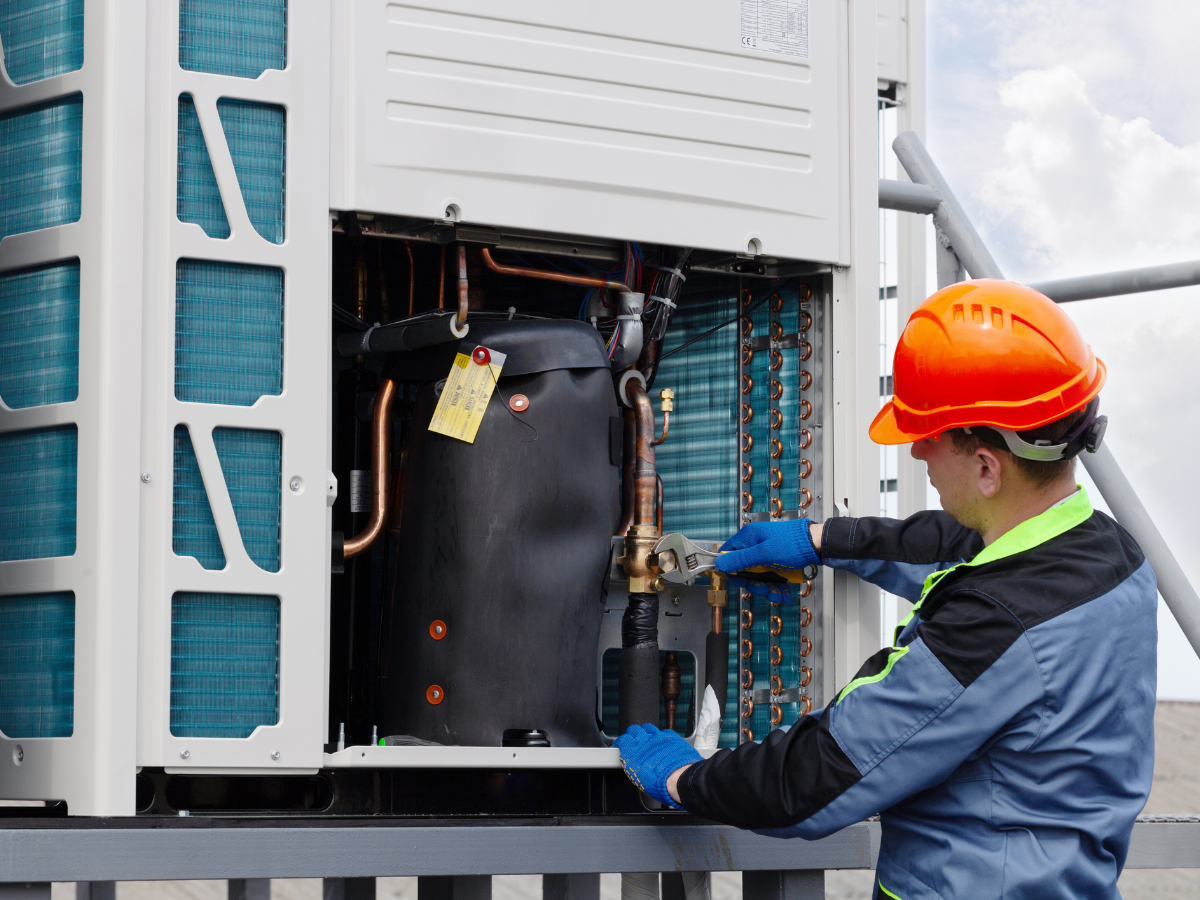
If you notice any of these symptoms, it is time to call a certified HVAC technician for a professional inspection and deep cleaning. Attempting to handle mold or refrigerant issues without proper training can cause further damage or create health risks.
Frequently Asked Questions
Can I clean a wall air conditioner without removing it from the wall?
Yes, most routine cleaning tasks like filter cleaning, exterior wiping, and coil spraying can be done without removing the unit. Only deep internal servicing may require removal.
What happens if I do not clean my wall AC unit regularly?
Neglecting routine cleaning leads to reduced cooling efficiency, higher electricity bills, poor air quality, and a shorter unit lifespan. Mold and bacteria can also accumulate, posing health risks.
Is it safe to use a pressure washer on a wall AC unit?
No. High-pressure water can bend the delicate aluminum fins and damage the electrical components. Always use gentle water flow or a spray bottle.
Can a dirty air conditioner make me sick?
Yes. A unit with mold, dust mites, or bacterial buildup can circulate indoor air pollutants that trigger allergies, respiratory issues, and sinus problems, especially in sensitive individuals.
How do I know if my wall AC drain line is clogged?
Signs include water dripping inside the room, visible pooling in the drain pan, or a gurgling sound during operation. A clogged condensate drain line needs immediate attention to prevent water damage.
Conclusion
Cleaning your air conditioner wall unit is not a difficult task, but it does require consistency and attention to detail. A clean unit means lower energy bills, fresher air, and fewer breakdowns over time.
If your unit shows signs of serious buildup, mold, or mechanical issues, do not wait. The Air Master Inc. team of certified HVAC professionals is ready to handle everything from routine maintenance to full system inspections.
Contact Air Master Inc. today and let us keep your home cool, clean, and comfortable all year long. Do not wait for a breakdown to take action. Schedule your professional AC cleaning service now.