BLOGS
How Weather in Tulsa Affects Your HVAC System
Tulsa, Oklahoma, sits in one of the most weather-unpredictable regions in the entire United States. From scorching summer heat to icy winter freezes, the city experiences a full range of extreme weather conditions that place serious demands on residential and commercial HVAC systems. Homeowners often compare central vs forced heating systems to determine which setup can better handle these rapid seasonal shifts while maintaining efficiency and comfort.
If your system is not built, maintained, and serviced to handle Tulsa's unique climate, it will struggle, break down, and cost you more money over time. Understanding how local weather impacts your heating, ventilation, and air conditioning system is the first step toward protecting your investment and staying comfortable year-round.
How Does Tulsa's Hot and Humid Summer Weather Impact Your HVAC System?
Tulsa summers are no joke. Average temperatures regularly climb above 95°F, and the high humidity levels that come with the season make conditions feel even hotter.
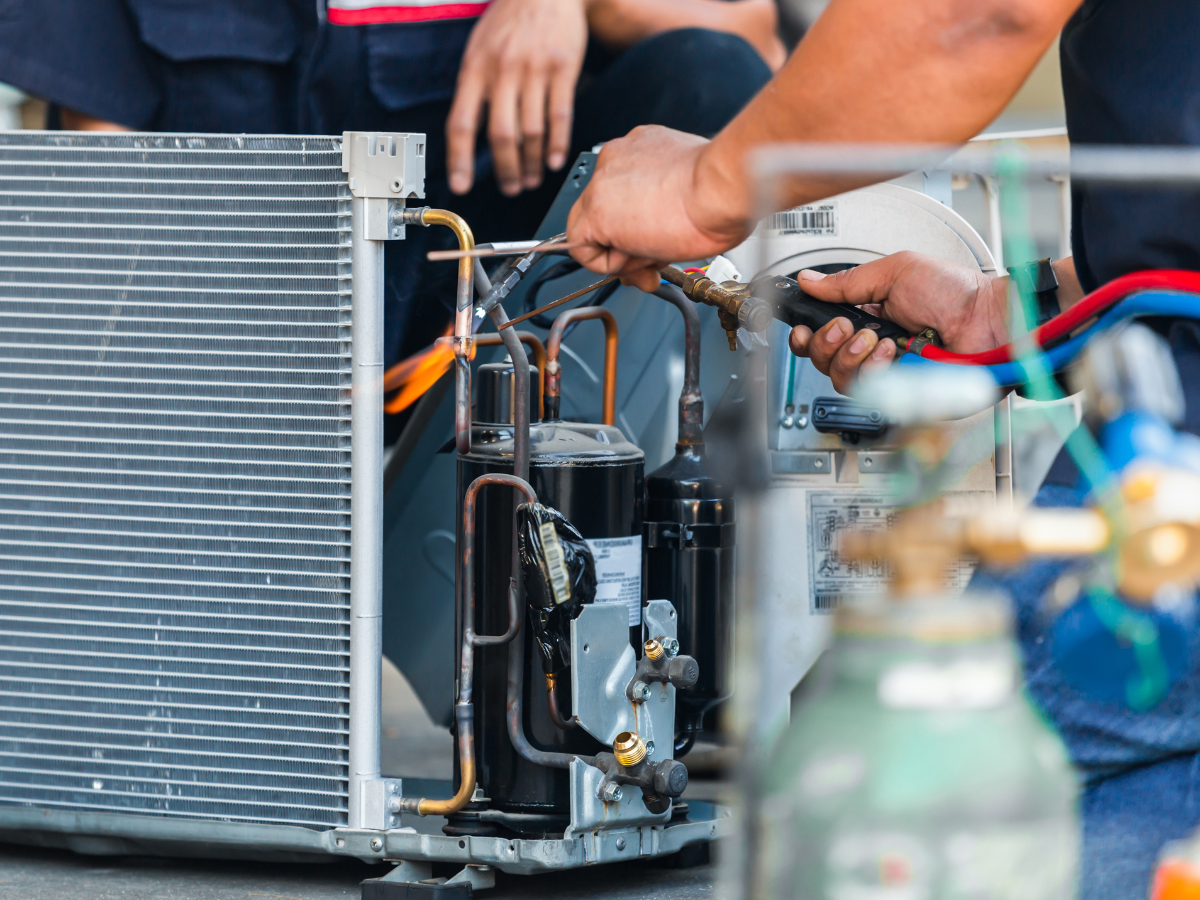
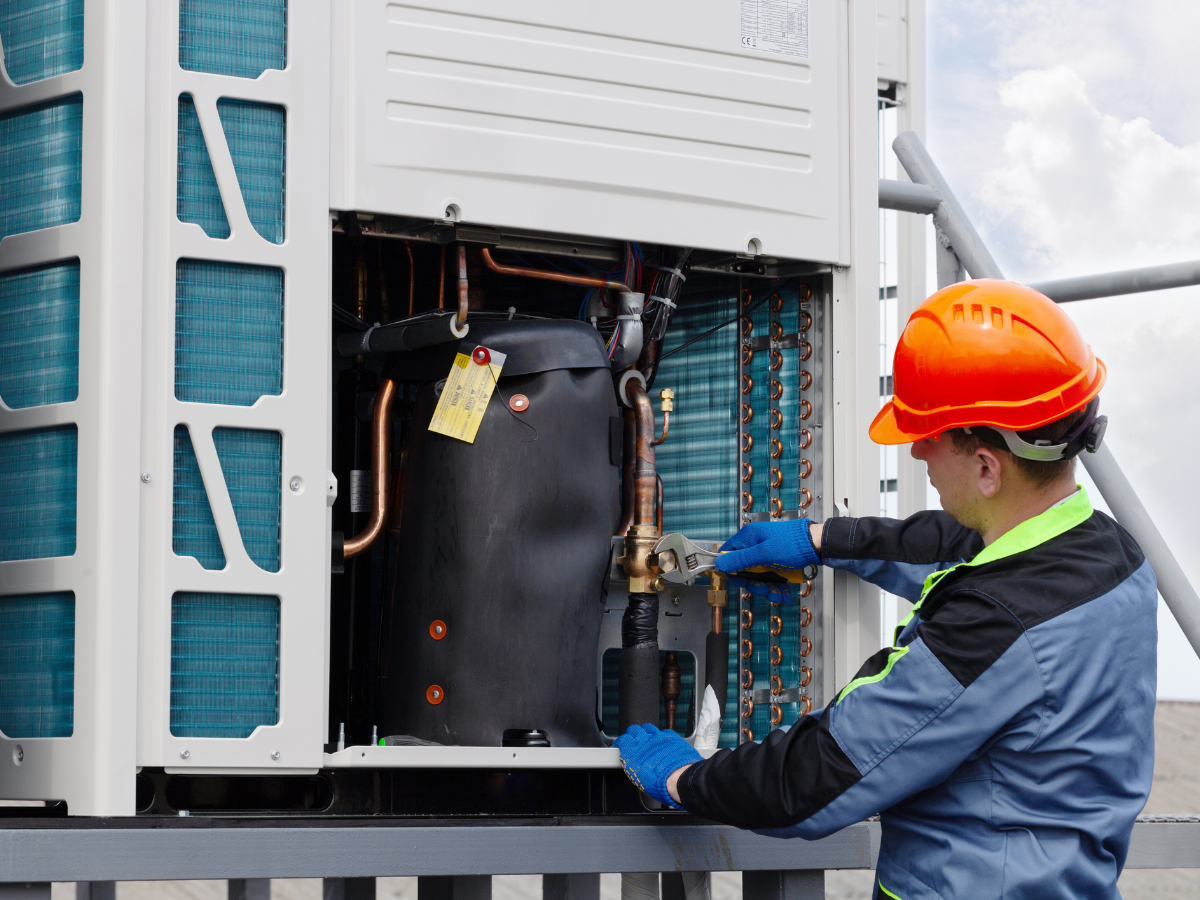
Your air conditioner works overtime during these months to maintain indoor comfort. This constant heavy operation puts serious stress on components like the compressor, condenser coils, and refrigerant lines.
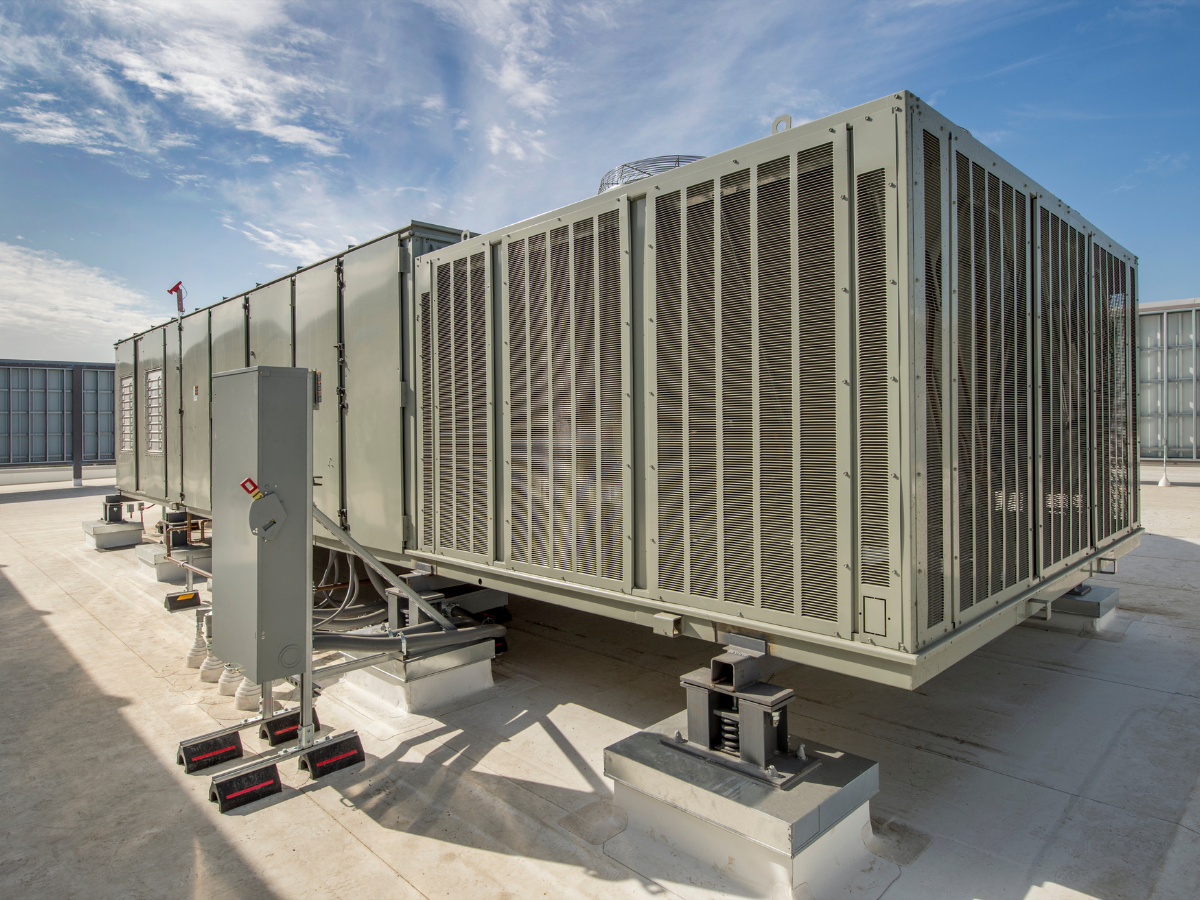
When humidity is high, your system must work harder to remove moisture from the air in addition to lowering the temperature. This dual demand on the unit increases energy consumption, shortens equipment lifespan, and can lead to frozen evaporator coils if airflow is restricted, affecting overall industrial HVAC comfort and system efficiency.
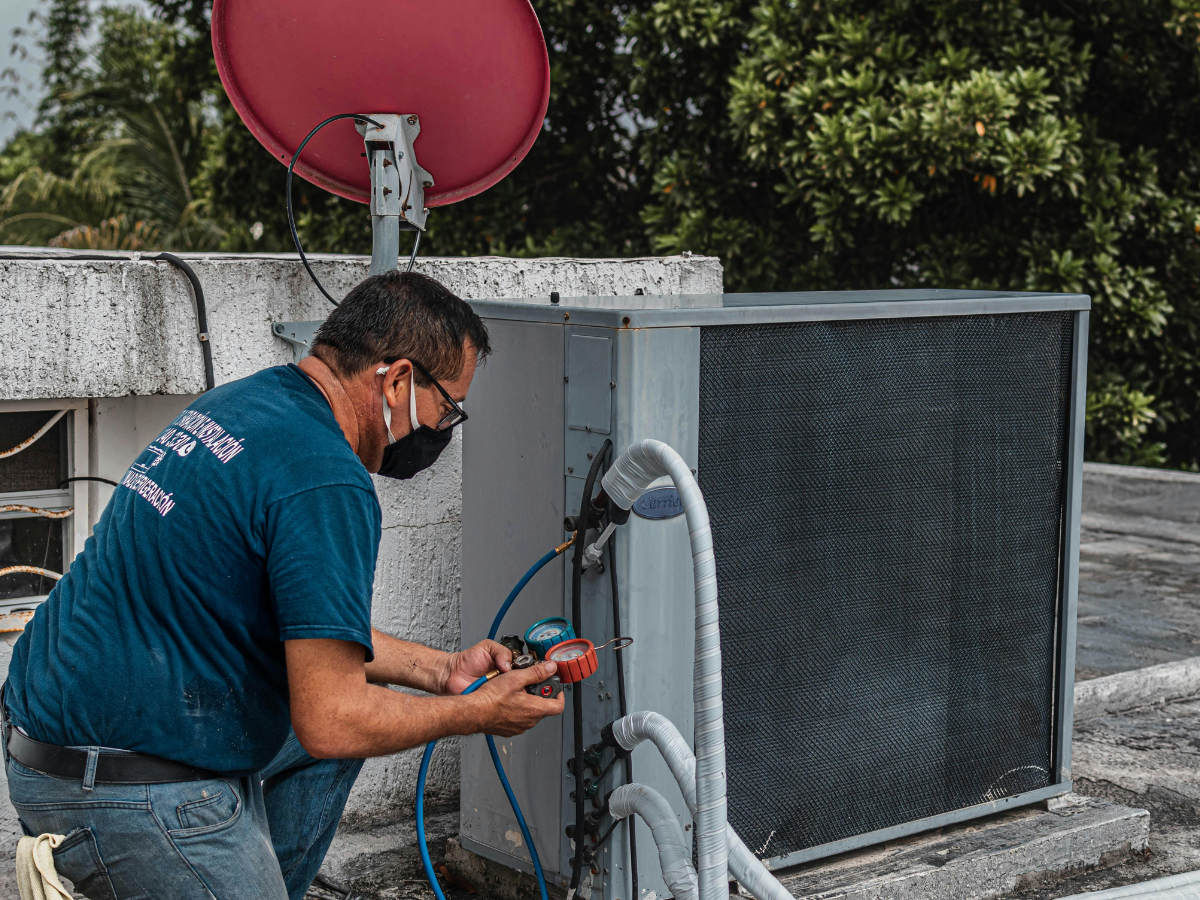
Routine AC tune-ups before peak summer season are critical to make sure your system can handle Tulsa's heat without breaking down at the worst possible time.
What Happens to Your HVAC System During Tulsa's Harsh Winter Months?
Tulsa winters can drop well below freezing, especially during severe cold snaps that blow down from the north. These cold periods test your heating system's efficiency and reliability in ways mild climates never experience.
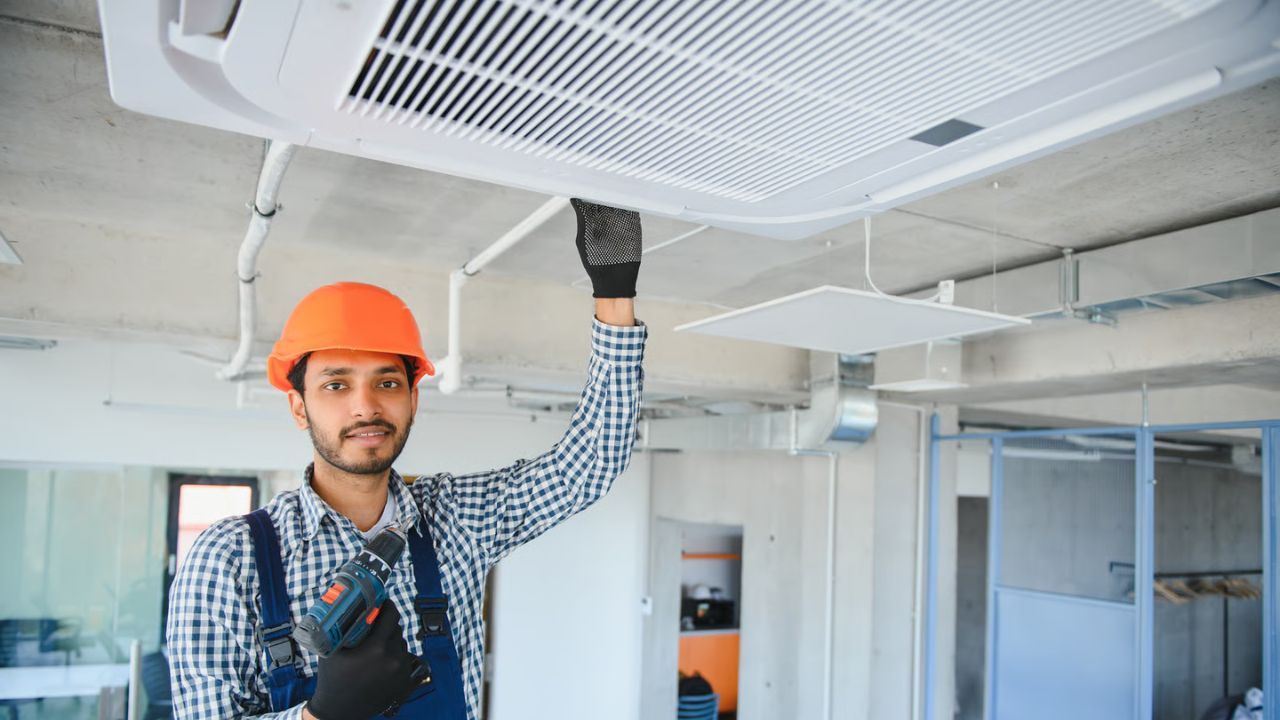
Heat pumps can struggle to extract heat from air when outdoor temperatures fall below 30°F, often requiring backup heating strips to kick in. This increases both energy use and equipment wear.
Gas furnaces face their own challenges. Cold weather causes heat exchangers to expand and contract with each heating cycle, which can lead to cracks over time. A cracked heat exchanger is not just a performance issue; it is a serious carbon monoxide safety risk, which is why understanding when to service furnace systems is critical for maintaining safety and performance during winter months.
Frozen outdoor units and burst refrigerant lines are also real concerns during hard freezes. Scheduling a pre-winter HVAC inspection ensures your heating system is ready before the cold arrives.
How Do Tulsa's Sudden Weather Swings Cause HVAC Wear and Tear?
One of the most underappreciated weather challenges in Tulsa is the speed at which conditions change. Temperatures can swing 40 to 50 degrees in a single day, forcing your HVAC system to shift rapidly between heating and cooling modes.
These sudden transitions place heavy stress on electrical components, capacitors, and control boards. Frequent on-and-off cycling, known as short cycling, can develop when the system cannot keep pace with rapid temperature shifts.
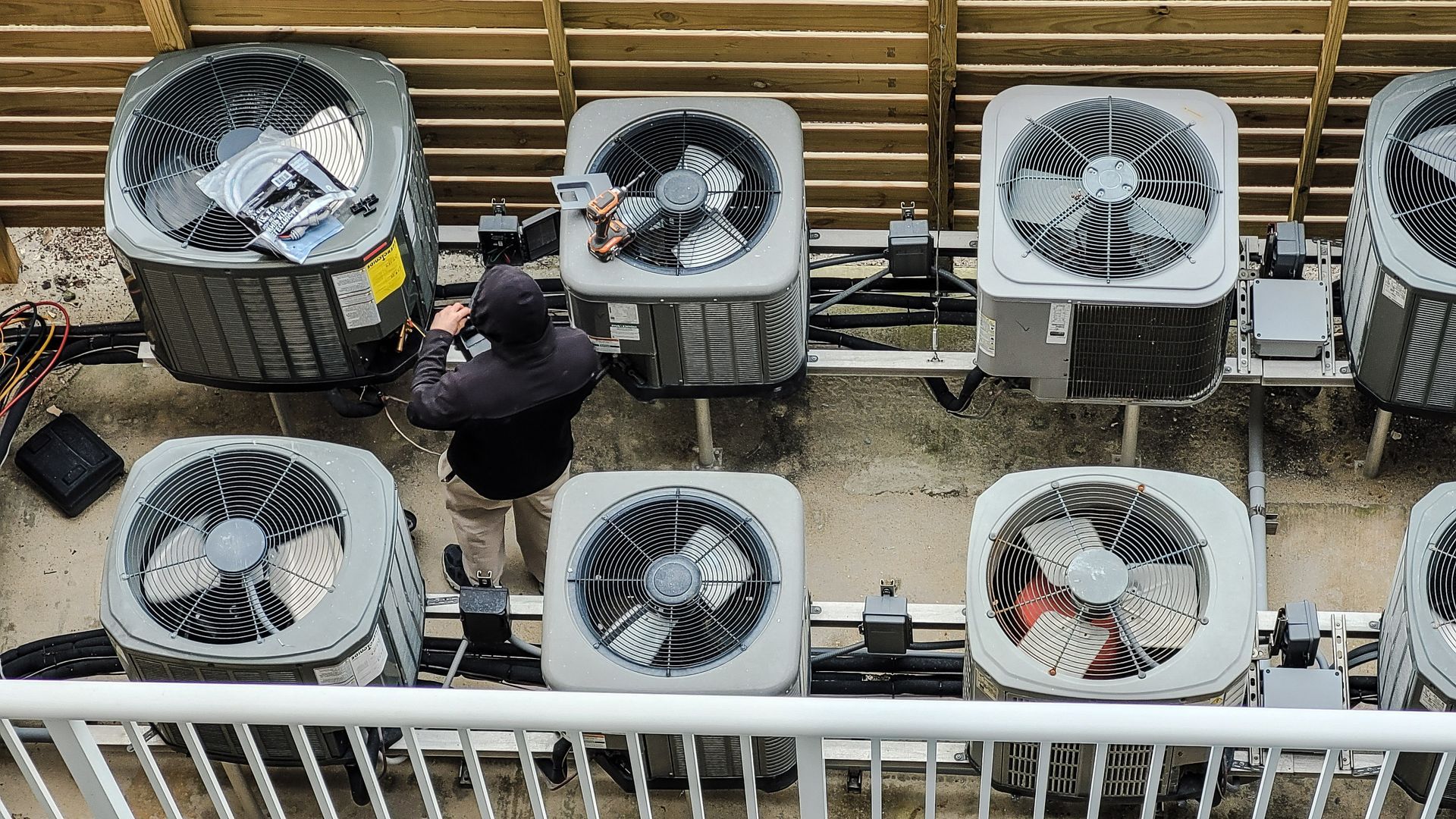
Short cycling is a significant problem because it causes excessive wear on the compressor, the most expensive part of any air conditioning system. It also reduces indoor air quality and makes it nearly impossible to maintain consistent comfort levels throughout your home. Proper ac readiness for heat ensures your cooling system is prepared to handle rising temperatures without unnecessary strain.
A properly sized and calibrated HVAC system handles Tulsa's temperature swings much more effectively than an outdated or incorrectly installed unit.
How Does Tulsa's Spring Storm Season Affect Your HVAC Performance?
Spring in Tulsa brings relief from winter, but it also brings a different set of challenges. The region is part of Tornado Alley, meaning severe thunderstorms, high winds, and hail are common seasonal events that can contribute to various Tulsa HVAC problems.
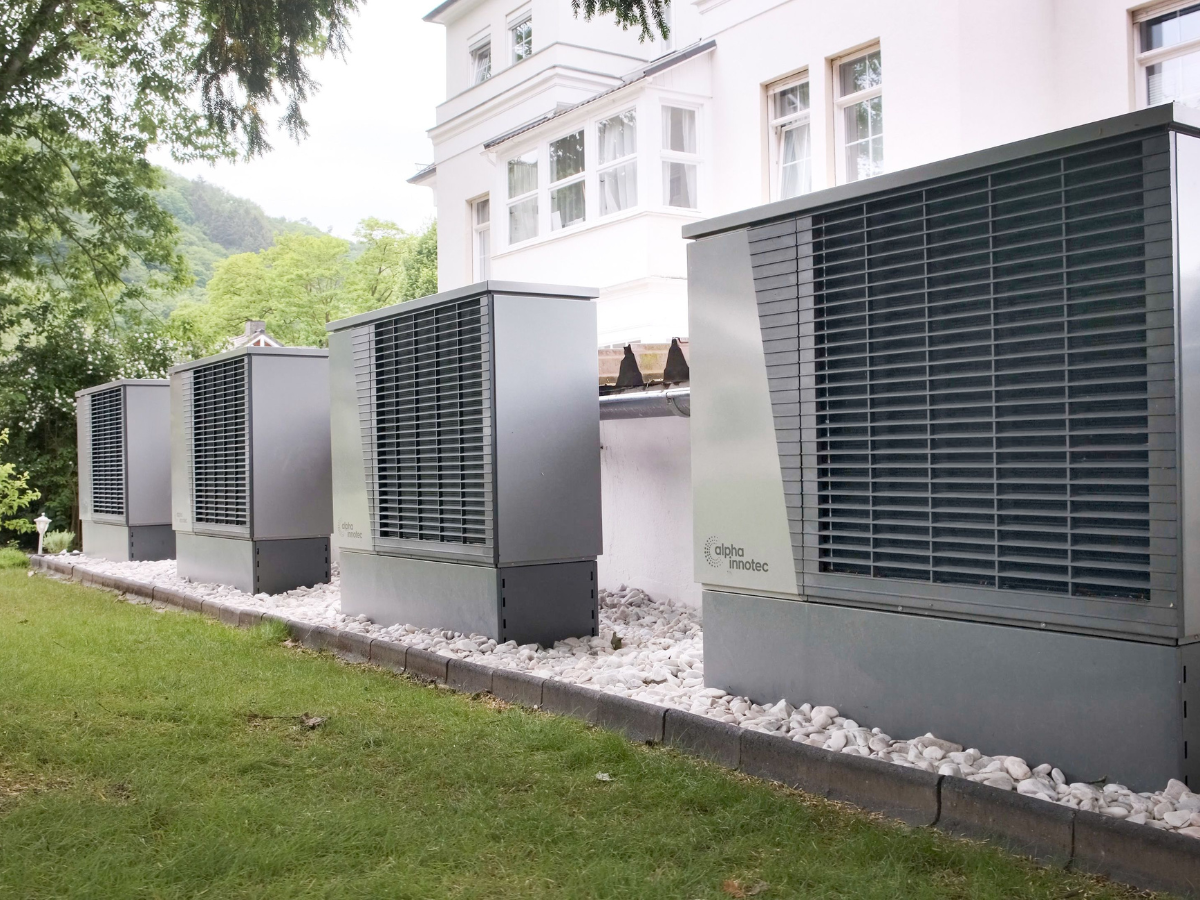
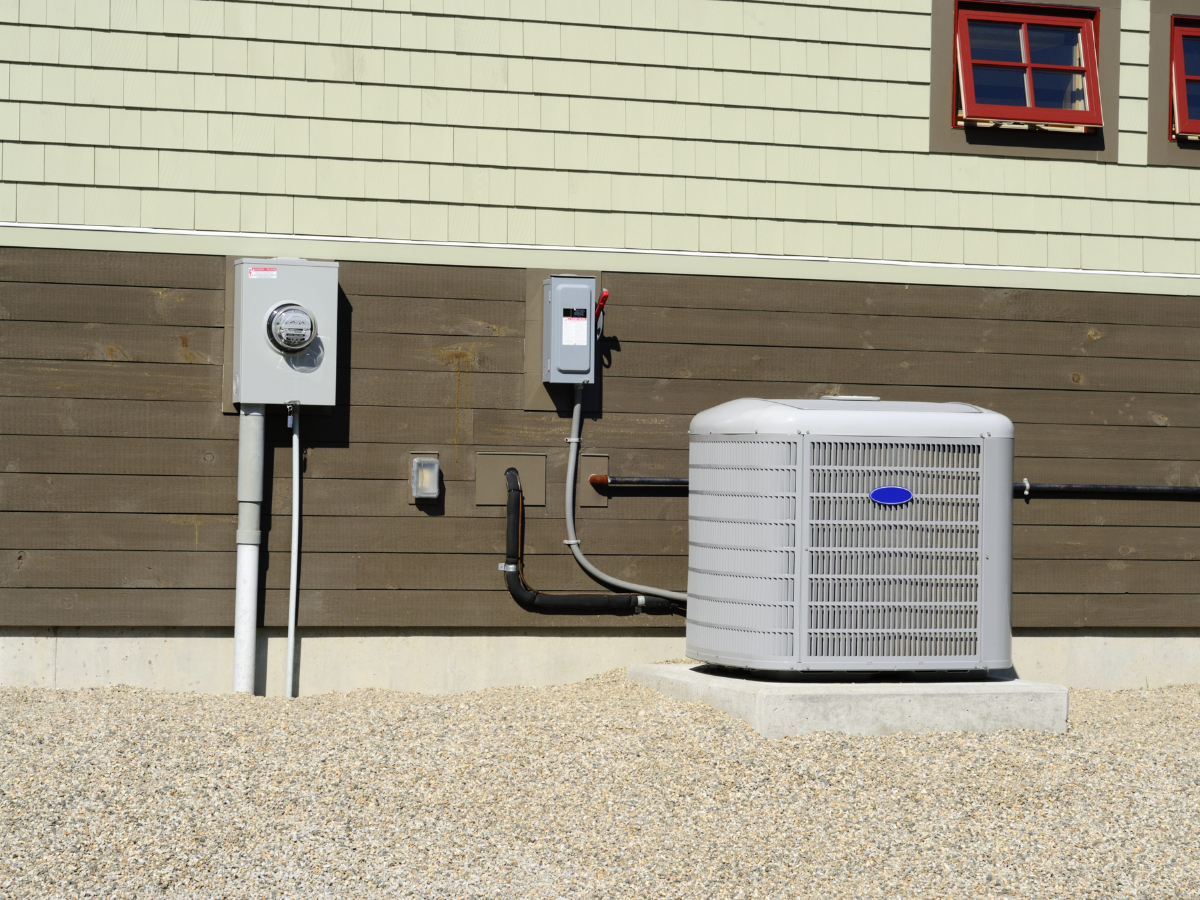
Outdoor HVAC units, including condensers and heat pump components, are directly exposed to the elements. Hailstorms can dent and damage condenser fins, reducing airflow and system efficiency. High winds can carry debris that clogs or damages the unit.
Power surges caused by lightning strikes are another significant risk during Tulsa storm season. A sudden surge can destroy electrical components, circuit boards, and motors instantly.
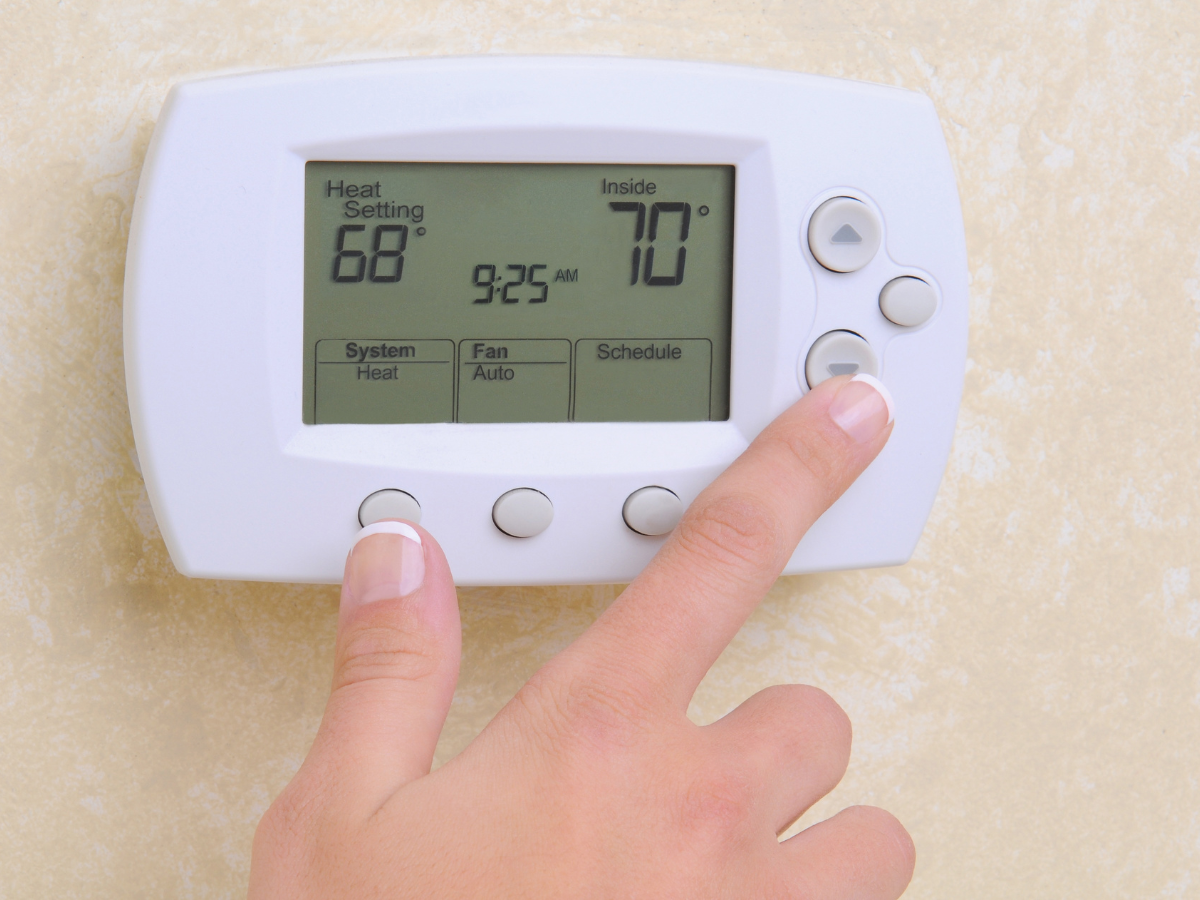
Installing a whole-home surge protector, keeping the area around outdoor units clear of debris, and covering units during hail warnings are all smart protective steps. Integrating modern controls and understanding smart thermostat benefits tulsa homeowners rely on can further optimize energy use and improve system efficiency throughout the year.
Inspecting your system after any major storm is essential to catch damage early before it becomes a costly repair. In addition, regular tulsa air quality testing helps identify hidden pollutants and ensures that your HVAC system is not only functioning well but also supporting a healthier indoor environment.
What Maintenance Steps Can Protect Your HVAC From Tulsa's Climate?
Given everything Tulsa's weather throws at HVAC systems throughout the year, proactive maintenance is not optional. It is a necessity.
Here are the key steps that protect your system across all four seasons:
- Change air filters every 1 to 3 months to maintain proper airflow and indoor air quality.
- Schedule bi-annual HVAC tune-ups, ideally in spring and fall, before peak seasons hit
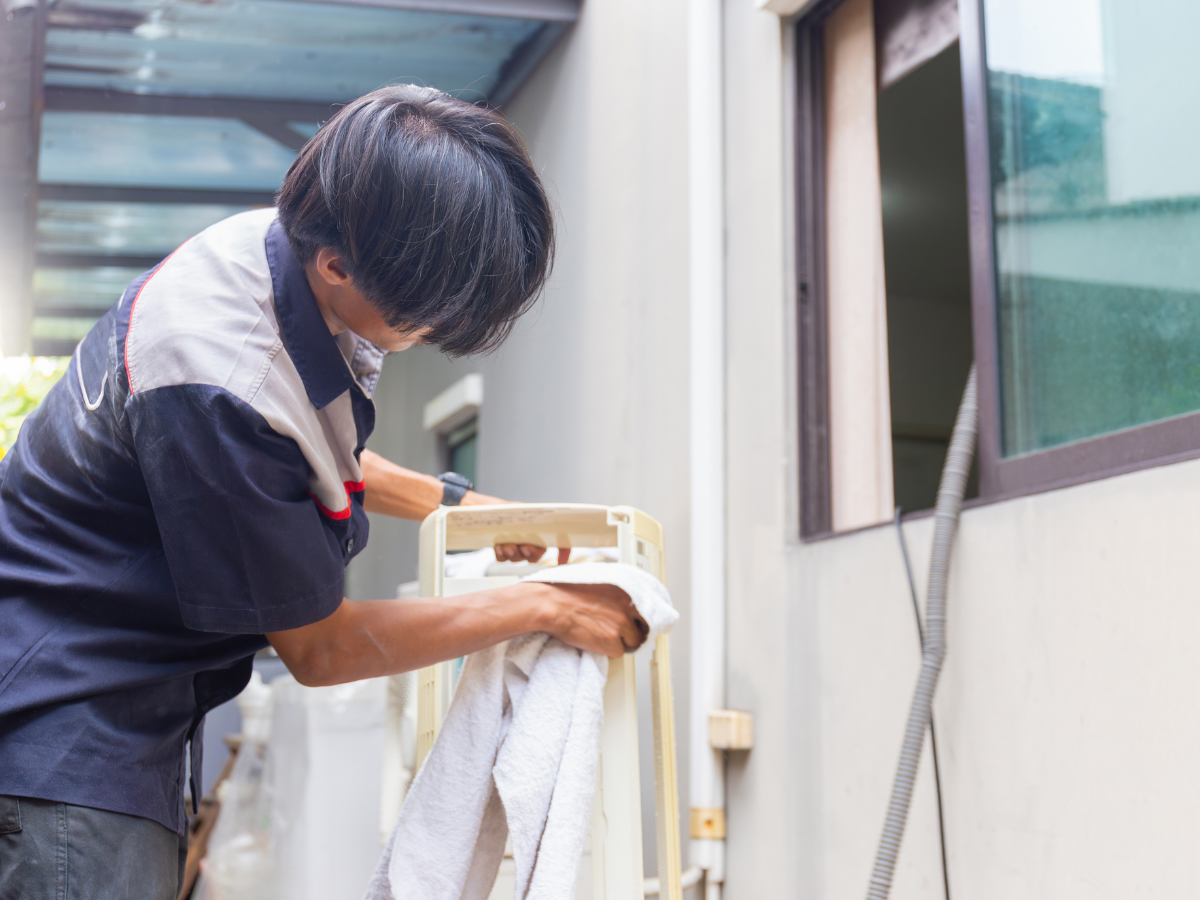
- Clean and clear debris from outdoor condenser units regularly
- Check and seal ductwork to prevent energy loss during extreme temperatures
- Test thermostat calibration to ensure accurate temperature control during sudden weather changes
- Inspect refrigerant levels annually to maintain peak cooling efficiency.
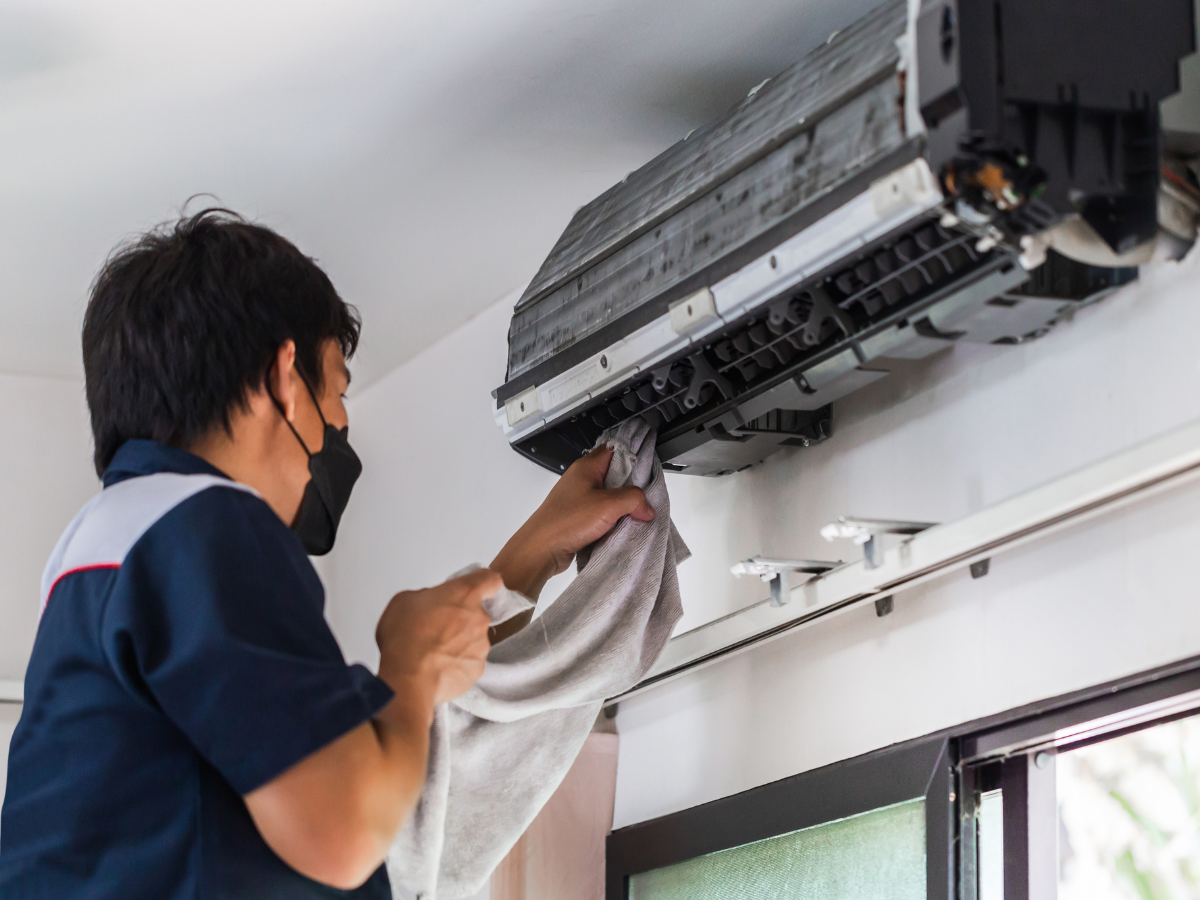
Staying on top of these steps with the help of a qualified Tulsa HVAC professional saves money on energy bills, prevents emergency breakdowns, and extends the overall life of your system. Regular maintenance can also reduce the likelihood of critical
system alerts and performance warnings.
Frequently Asked Questions
How often should I service my HVAC system in Tulsa's climate?
Twice a year is the standard recommendation. Schedule a cooling system check in spring and a heating system inspection in fall to prepare for each extreme season.
Can Tulsa's humidity permanently damage my air conditioner?
Prolonged exposure to high humidity without proper maintenance can accelerate wear on components like evaporator coils and drain lines. Regular servicing prevents moisture-related damage.
What is the best HVAC system for Tulsa's climate?
A high-efficiency heat pump with a gas furnace backup, often called a dual-fuel system, performs exceptionally well in Tulsa's mixed heating and cooling demands.
How do I know if my HVAC system was damaged after a storm?
Look for bent condenser fins, unusual noises, reduced airflow, or error codes on your thermostat. If anything seems off after a severe storm, call a licensed technician immediately.
Does extreme cold affect my outdoor AC unit?
Yes. In temperatures below freezing, outdoor units can develop ice buildup on refrigerant lines and coils. This restricts airflow and can damage the compressor if left unaddressed.
Conclusion
Tulsa's weather is beautiful, dramatic, and uniquely demanding on HVAC systems. Whether it is the relentless summer heat, bone-chilling winter freezes, sudden temperature swings, or spring storms, every season brings new stress to your heating and cooling equipment.
The good news is that with the right professional support, your system can handle everything Tulsa throws at it. Do not wait for a breakdown in the middle of a heat wave or a cold snap to take action.
Contact Air Masters Inc. today to schedule your seasonal HVAC tune-up and keep your home comfortable, safe, and energy-efficient no matter what the Tulsa weather brings.