BLOGS
How to Repair Heating and Air Conditioning
How to fix heating and air conditioning issues is a common concern for homeowners when comfort inside the home starts to feel unreliable. Temperature inconsistencies, rising energy bills, or systems that stop working without warning often leave people unsure whether the problem is minor or serious. Heating and cooling systems, including the
ac system, work quietly in the background, so when something feels off, it usually means an underlying issue needs attention.
Understanding how to repair heating and air conditioning systems starts with knowing how they operate, what problems typically occur, and which steps are safe to take on your own. This guide walks through practical information that helps homeowners recognize issues early, avoid unnecessary damage, and make informed decisions about HVAC care.
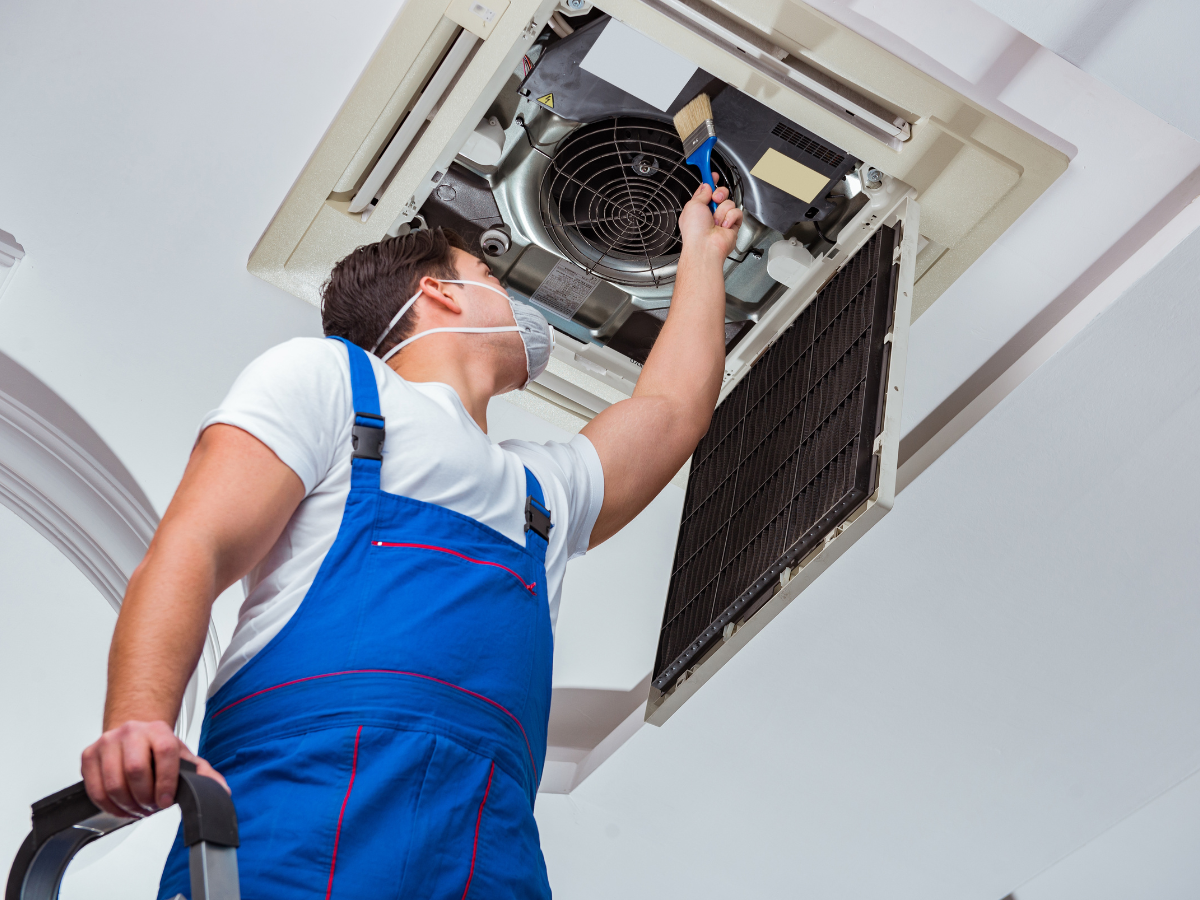
How HVAC Systems Work
To understand repairing air conditioning or heating systems, it helps to know how an HVAC system functions as a whole. These systems regulate indoor air, temperature, and comfort by moving heat in or out of the home.
A typical HVAC system includes:
- An air conditioner or heat pump that removes heat from indoor air
- A furnace or heat pump that provides warmth during colder months
- A thermostat that controls temperature settings
- Ductwork that circulates conditioned air throughout the home
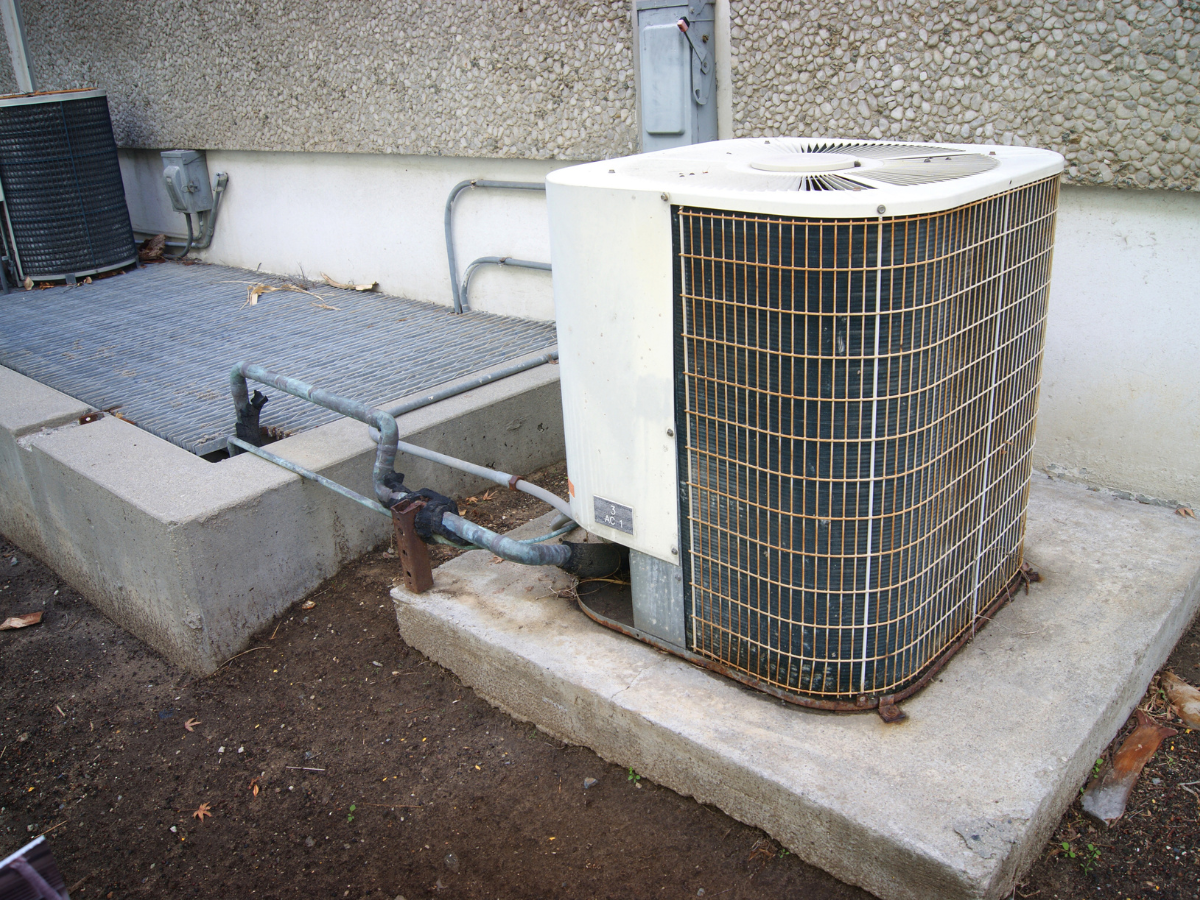
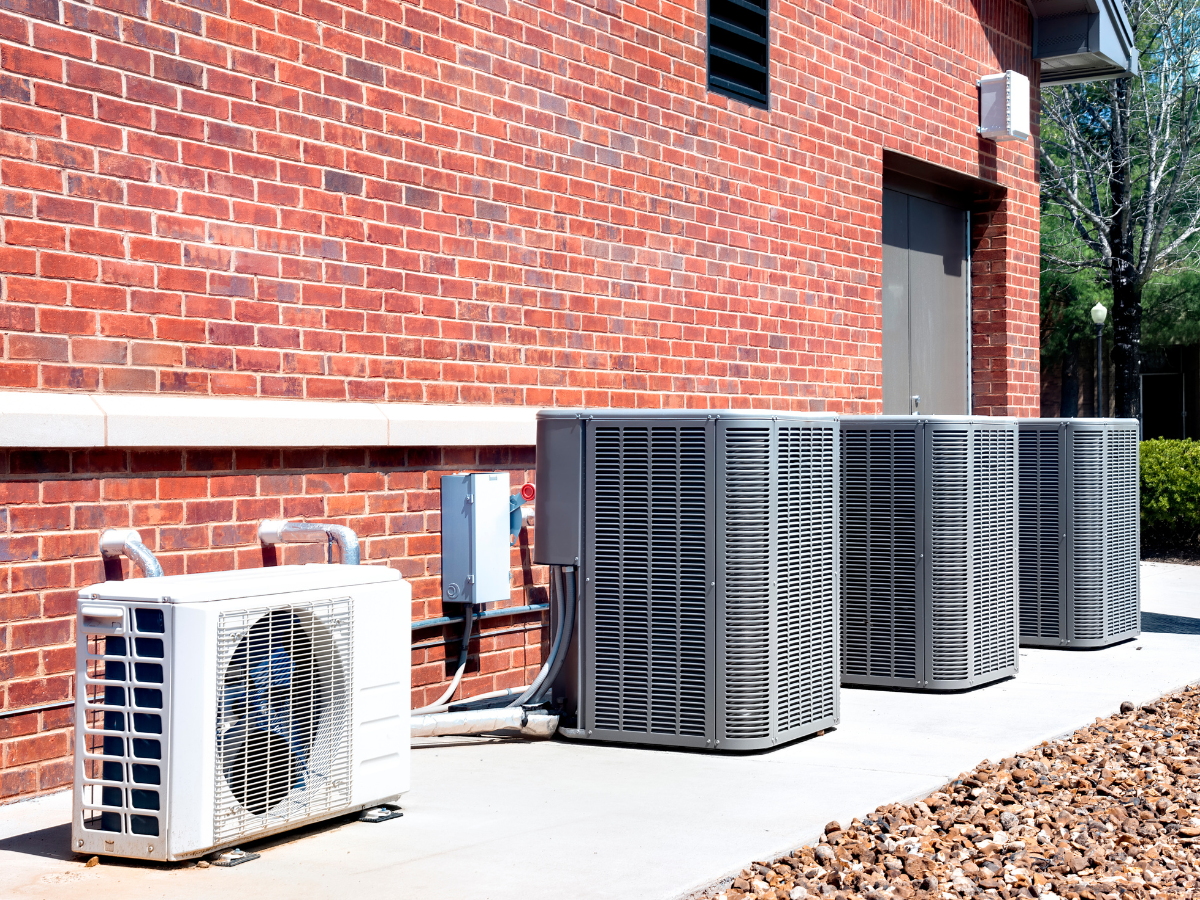
- An outdoor AC unit that releases heat outside
When one component struggles, airflow and temperature balance are affected. Knowing how these parts interact makes diagnosing problems easier and helps homeowners decide whether fixing an air conditioner is a reasonable DIY task or requires HVAC help.
Common Heating & Cooling Problems
Many heating and cooling issues begin subtly and grow worse over time. Recognizing these signs early can prevent more expensive air conditioning system repair later.
Common problems include:
- Air conditioner blowing warm air
- Weak airflow from vents
- System turning on and off frequently
- Unusual noises coming from the HVAC unit
- Thermostat not responding or reading incorrectly
These symptoms often indicate mechanical strain, airflow restrictions, or electrical issues. In some cases, repairing AC problems early can restore performance quickly. In others, professional
heating and AC repair evaluation becomes necessary.
How to Troubleshoot HVAC Issues Safely
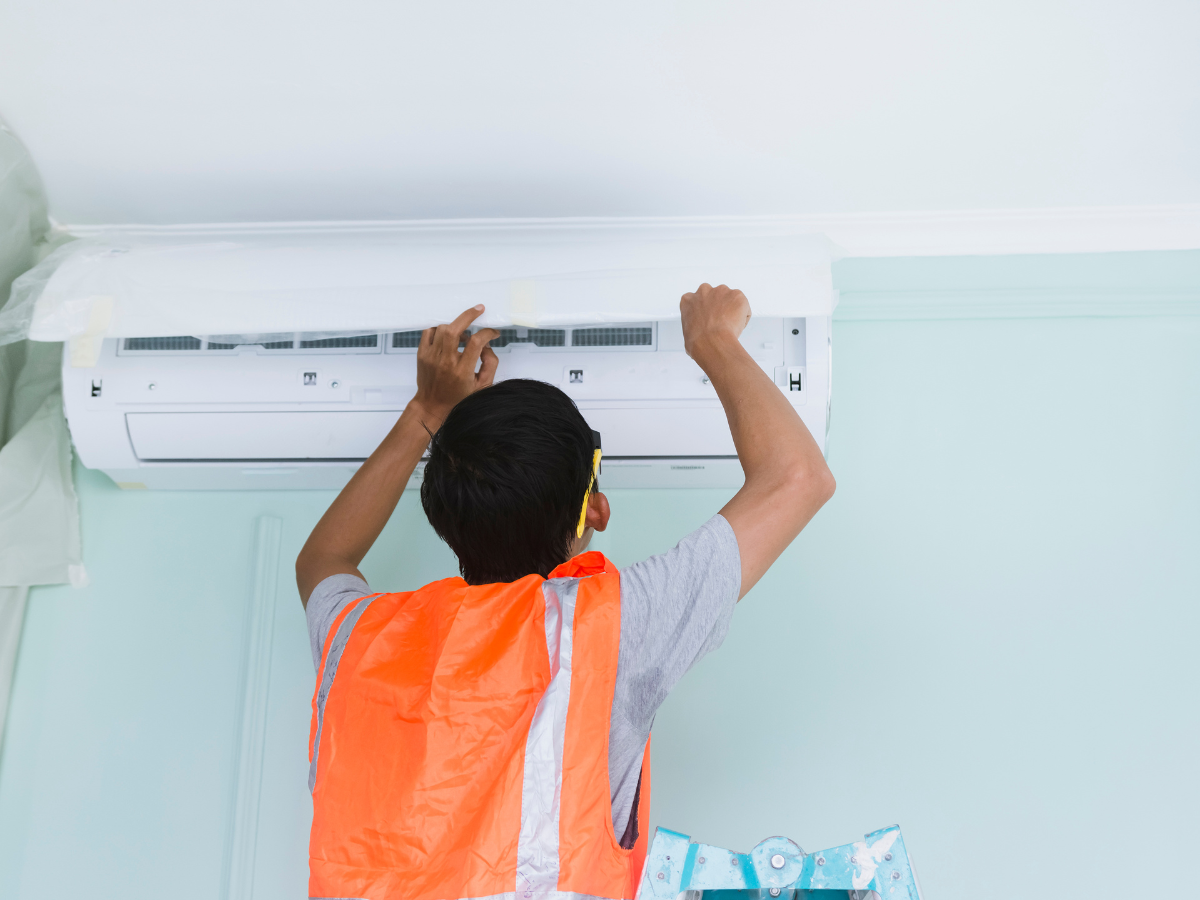
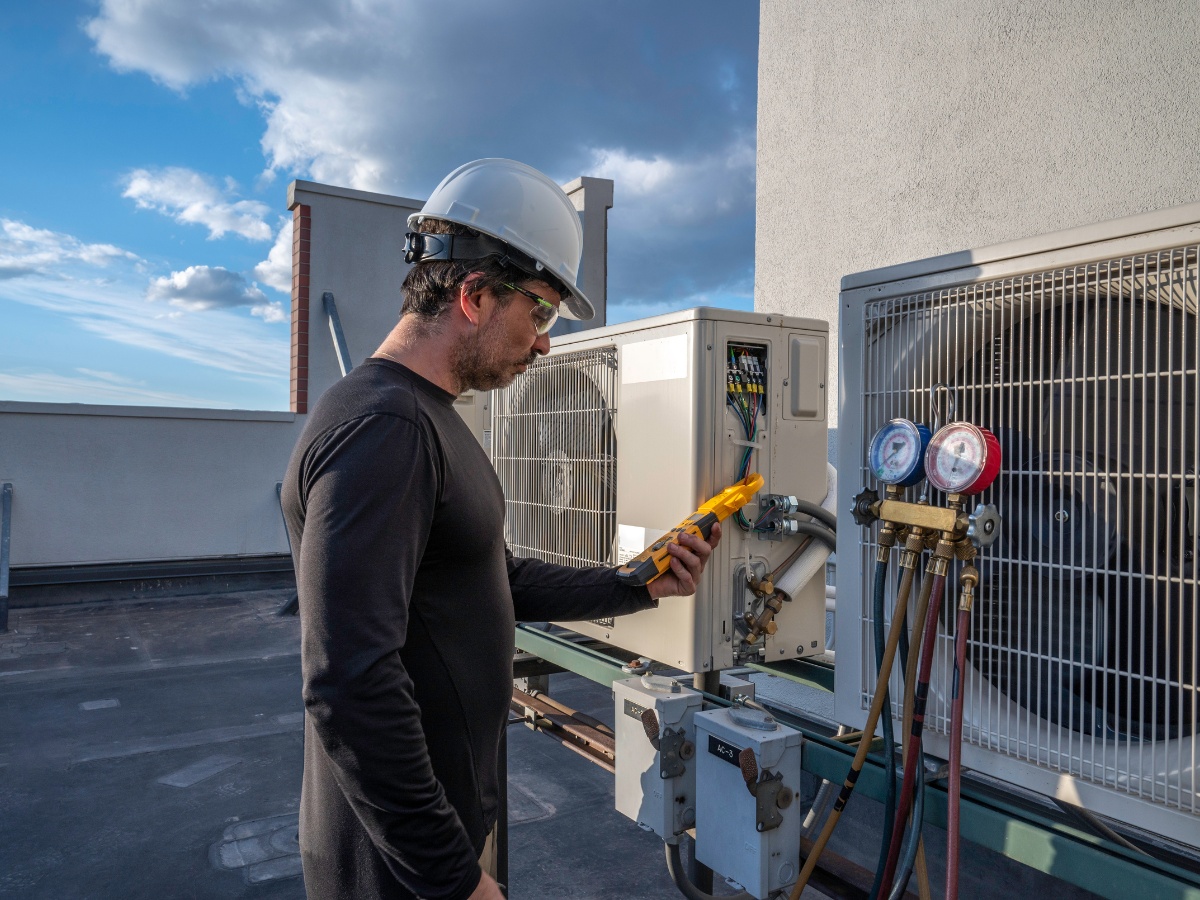
Safety is critical when repairing AC or heating systems. HVAC equipment involves electrical components, moving parts, and refrigerant that should never be handled carelessly.
Safe troubleshooting steps include:
- Turning off power at the thermostat and breaker before inspection
- Checking thermostat settings and replacing batteries if needed
- Inspecting air filters for dirt or blockage
- Making sure vents are open and unobstructed
These checks help determine whether fixing an AC unit is simple or if deeper system problems exist. Avoid opening sealed components or attempting refrigerant handling without training, as this can cause injury or further damage
Why Regular Maintenance Matters
Many homeowners seek an HVAC fix only after a breakdown occurs. Regular maintenance helps prevent sudden failures and improves long term system reliability.
Routine HVAC maintenance provides:
- Improved energy efficiency
- Fewer emergency repairs
- Better indoor air quality
- Consistent heating and cooling performance
By addressing minor issues early, homeowners reduce the risk of major air conditioning system repair later. Maintenance also keeps internal components clean, helping systems operate as intended throughout the year.
What DIY HVAC Repairs You Can Try
DIY HVAC repairs include:
- Replacing dirty or clogged air filters
- Resetting the thermostat to correct settings
- Cleaning debris around the outdoor AC unit
- Checking for tripped breakers
- Tightening loose vent covers
These actions often restore airflow and improve efficiency. If problems continue after these steps, further repairing air conditioning issues without professional HVAC help may increase risk.
When to Call a Professional Technician
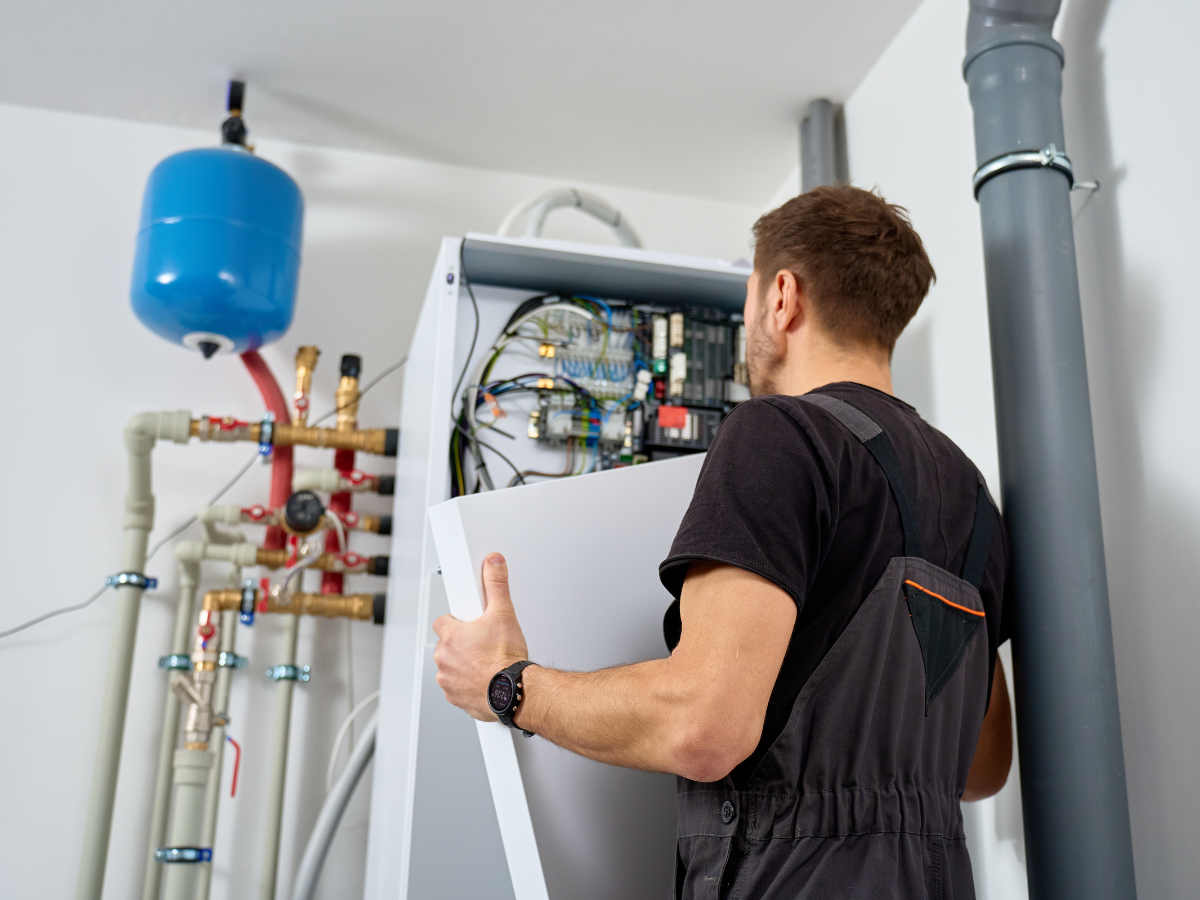
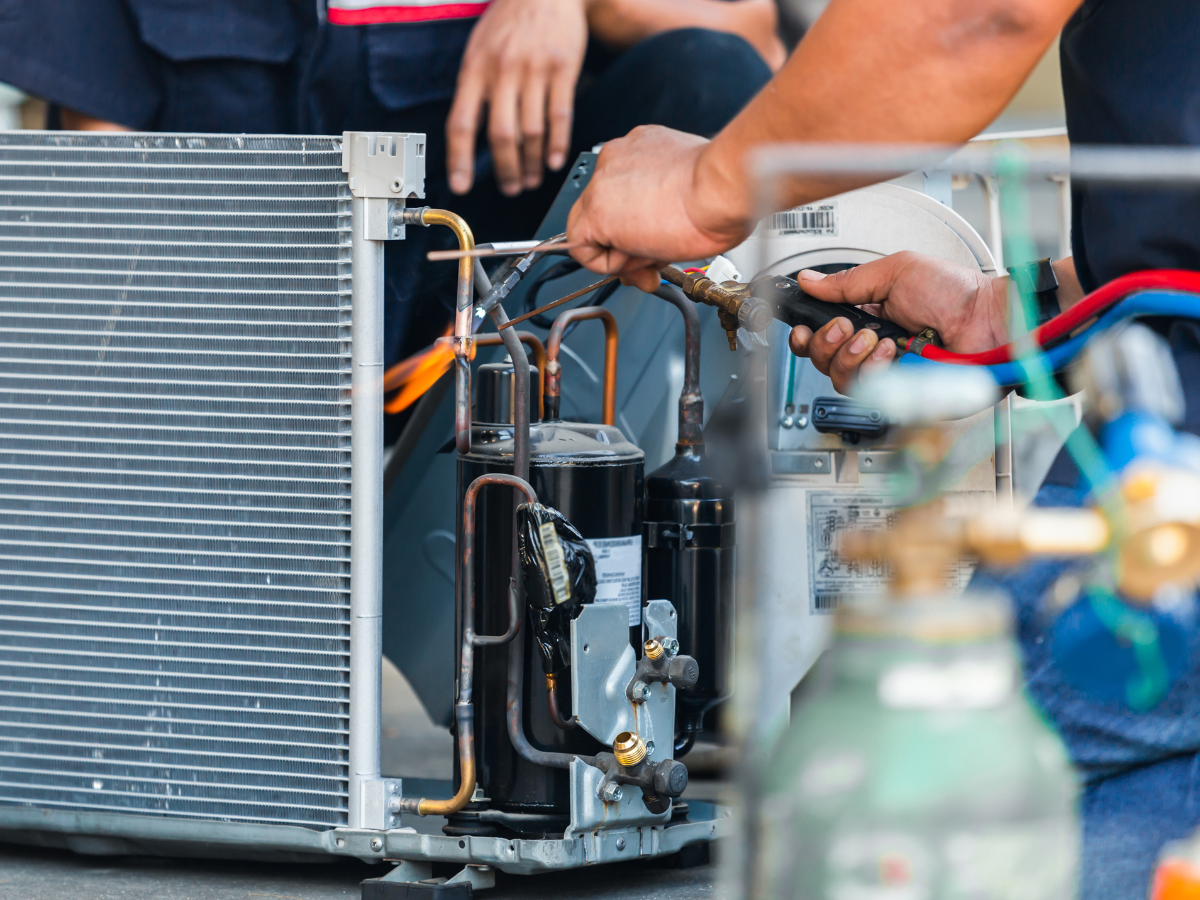
Certain HVAC problems require trained technicians. Attempting complex repairs without proper expertise can worsen damage or create safety hazards.
Professional help is recommended when:
- Refrigerant leaks are suspected
- The heat pump fails to switch between heating and cooling
- The air conditioner produces grinding or screeching noises
- Electrical components show visible damage
- Repairs do not resolve ongoing performance issues
For complex cooling concerns, professional services such as AC Repair provide safe and accurate solutions. Heating system issues are best handled through HVAC Repair and Installation services to ensure long term reliability.
Preventive Tips to Avoid Future Breakdowns
Preventing HVAC issues is often easier and less expensive than repairing them. Small habits can significantly reduce strain on heating and cooling systems.
Helpful preventive tips include:
- Changing air filters every one to three months
- Keeping the area around the AC unit clear of debris
- Scheduling seasonal HVAC inspections
- Monitoring thermostat performance regularly
- Addressing unusual sounds or odors promptly
These steps help maintain airflow, protect the air conditioner and heat pump, and reduce the need for repeated HVAC fix services.
How Local Climate Affects HVAC Performance
Climate conditions across the US play a major role in HVAC system performance. Hot summers and cold winters increase system workload and wear.
Local factors that influence HVAC performance include:
- Seasonal temperature extremes
- Humidity levels
- Dust and debris exposure
- Home insulation quality
Understanding these conditions helps homeowners adjust maintenance schedules and recognize when repairing AC or heating components becomes necessary due to environmental stress.
Cost Considerations When Repairing HVAC Systems
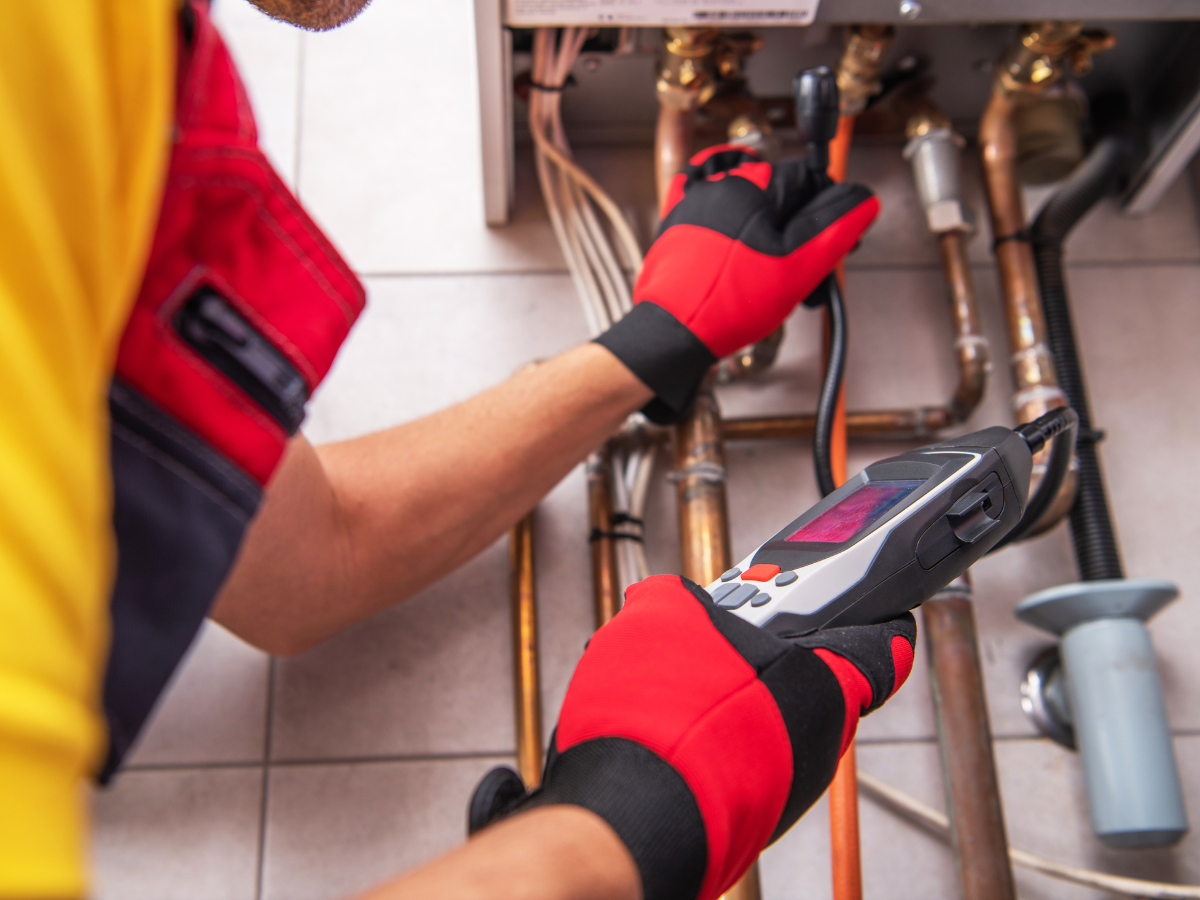
Repairing air conditioning and heating systems varies in cost depending on the issue. Minor fixes are often affordable, while major component failures require greater investment.
Cost factors include:
- Age of the HVAC system
- Availability of replacement parts
- Severity of damage
- Labor and diagnostic requirements
Regular maintenance reduces unexpected expenses by limiting emergency air conditioning system repair needs and extending equipment lifespan.
How to Know If Repair or Replacement Makes Sense
Sometimes repeated repairs signal that replacement may be more practical. Homeowners should consider system age, efficiency, and frequency of breakdowns when deciding.
Signs replacement may be the better option include:
- Rising energy bills
- Frequent HVAC breakdowns
- Inconsistent temperature control
- Outdated or inefficient equipment
Professional assessment helps determine whether continued HVAC fix efforts are worthwhile or if upgrading provides better long term value.
Conclusion
Learning how to repair heating and air conditioning systems starts with understanding how they work and recognizing problems early. While basic troubleshooting and maintenance can resolve minor issues, professional HVAC help is essential for complex repairs. Consistent care, safe practices, and timely service keep heating and cooling systems dependable and efficient throughout the year, making how to fix heating and air conditioning issues a manageable task rather than a stressful one.
How Often Should I Service My Hvac System?
Most HVAC systems should be serviced at least once per year, ideally before peak heating or cooling seasons.
What Are the Most Common Heating and Cooling Problems?
Common issues include airflow restrictions, thermostat malfunctions, refrigerant leaks, and electrical failures.
Can I Fix My Hvac System Myself?
Homeowners can handle basic tasks like filter replacement and thermostat checks, but complex repairs require professional HVAC help.
Why Is My System Not Blowing Cool or Warm Air?
This may be caused by clogged filters, thermostat issues, refrigerant problems, or mechanical failures.
How Can Regular Maintenance Save Me Money?
Routine maintenance reduces emergency repairs, improves efficiency, and extends system lifespan, lowering overall HVAC costs.
Frequently Asked Questions