BLOGS

What is head pressure HVAC is a question that often comes up when an HVAC system struggles to cool properly, runs inefficiently, or shuts down unexpectedly. Head pressure is a critical measurement inside an HVAC system that directly affects performance, energy use, and system safety. When head pressure is too high or too low, it places extra stress on major components and can shorten the lifespan of the AC unit.


Understanding what head pressure HVAC means helps homeowners recognize why certain cooling problems occur and why professional diagnosis is often required. This guide explains head pressure in simple terms, how it works, why it matters, and what signs may indicate a problem.


Head Pressure in HVAC


Head pressure in HVAC refers to the pressure level on the high side of the refrigeration cycle. It is measured at the discharge side of the compressor, where refrigerant leaves the compressor as a hot, high pressure gas.


Head pressure HVAC readings indicate how hard the system is working to move heat out of the home. Proper head pressure allows the system to release heat efficiently. When head pressure rises above normal levels, the system must work harder, which affects cooling performance and energy efficiency.


How Head Pressure Works in Your HVAC System


To understand head pressure, it helps to look at how an HVAC system moves heat. The refrigeration cycle relies on pressure differences to transfer heat from inside the home to the outside air.


In simple terms:


  • Refrigerant absorbs heat inside the home
  • The compressor raises refrigerant pressure and temperature
  • Hot refrigerant travels through the discharge line
  • Heat is released through the condenser
  • Refrigerant pressure drops before repeating the cycle


Head pressure HVAC measurements reflect how effectively heat is being released. If heat cannot escape properly, pressure builds up on the high side of the system.


Why Head Pressure Matters for Performance and Efficiency


Head pressure directly impacts system efficiency and component health. When head pressure is within the proper range, the HVAC system runs smoothly and delivers consistent cooling.


Head pressure problems matter because they can:


  • Reduce cooling efficiency
  • Increase energy consumption
  • Overheat the compressor
  • Trigger system shutdowns


High head pressure forces the system to work harder, which leads to higher utility bills and increased wear on components.

Common Causes of High Head Pressure


High head pressure HVAC issues are usually caused by conditions that prevent heat from leaving the system efficiently. Several common problems can lead to elevated pressure.


Common causes include:


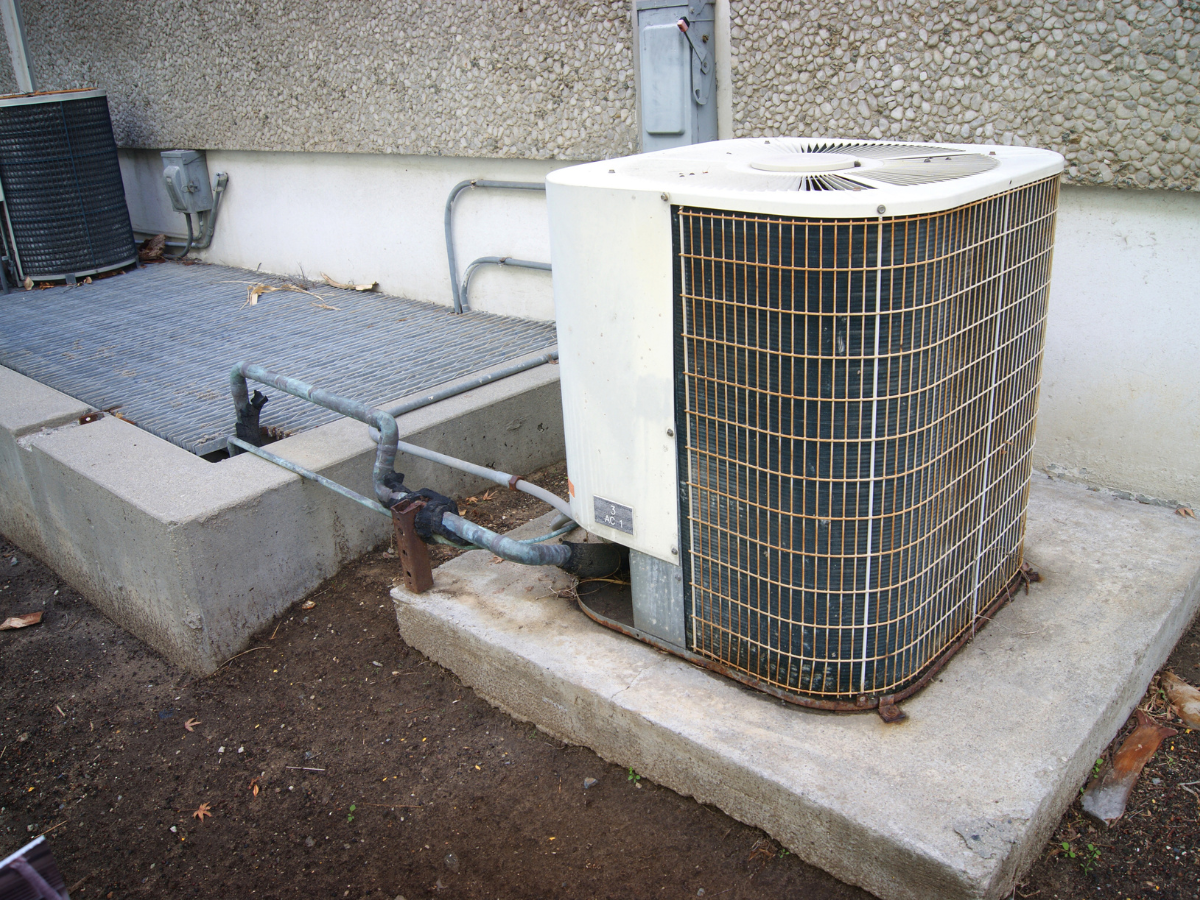
  • Dirty or blocked condenser coils
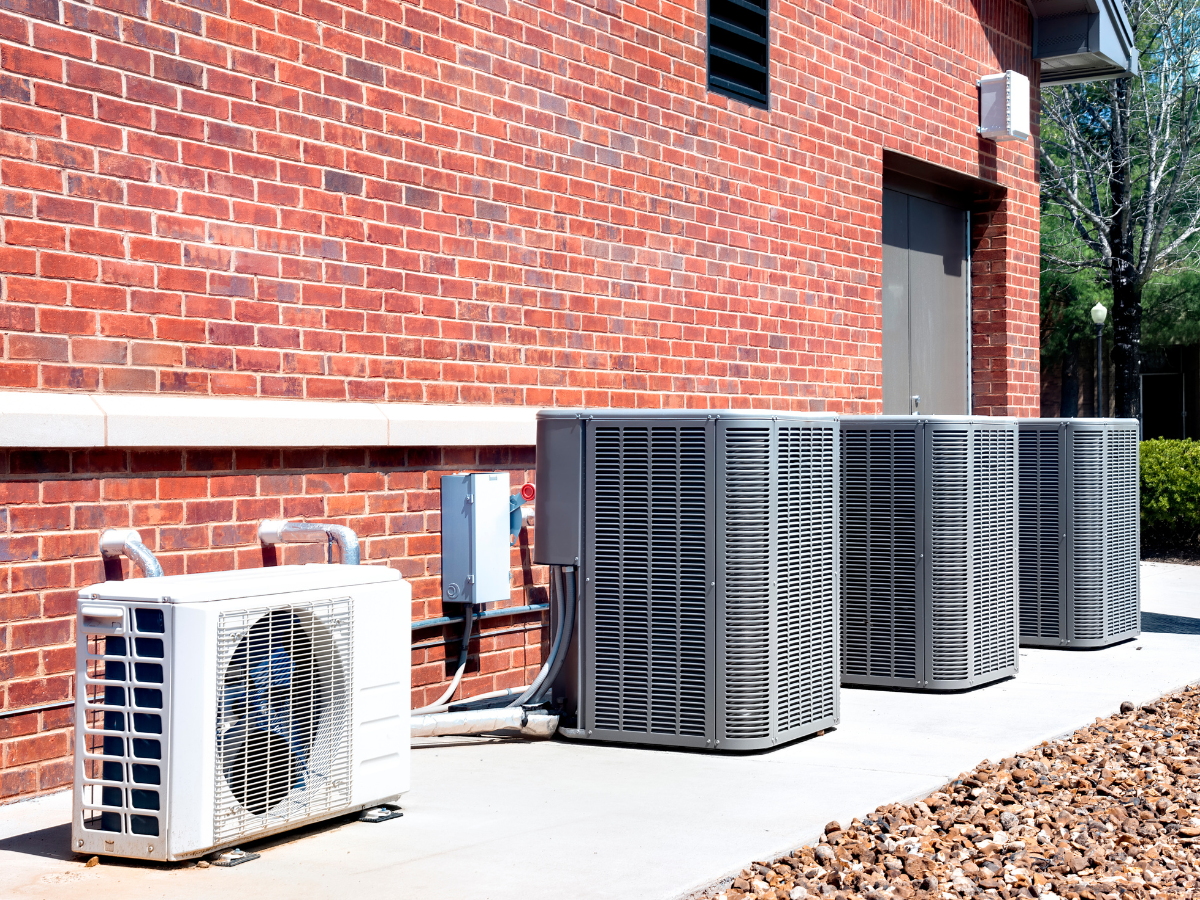
  • Restricted airflow around the outdoor unit
  • Overcharged refrigerant levels
  • Non functioning condenser fan
  • Faulty fan cycle switch

When airflow is restricted or heat cannot dissipate, refrigerant pressure increases rapidly. This often results in high head pressure combined with abnormal suction pressure readings.


Signs You Might Have Head Pressure Problems


Head pressure problems often show warning signs before major damage occurs. Paying attention to these symptoms can help prevent costly repairs.


Common signs include:


  • AC unit shutting off unexpectedly
  • Reduced cooling output
  • Hot air blowing from vents
  • Unusual noises from the system
  • Higher than normal energy bills


In many cases, high head pressure occurs alongside high suction pressure, indicating an imbalance in system operation.


How to Check and Measure Head Pressure


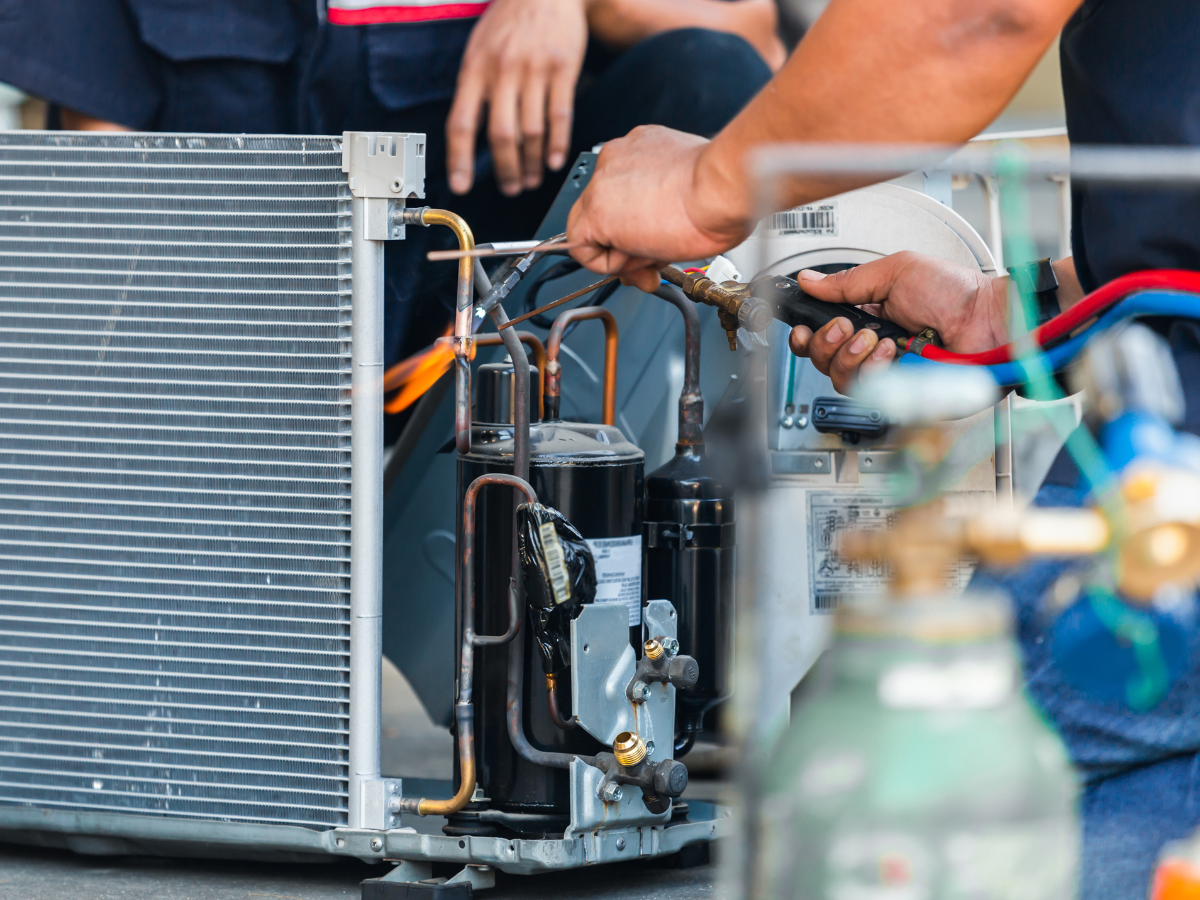
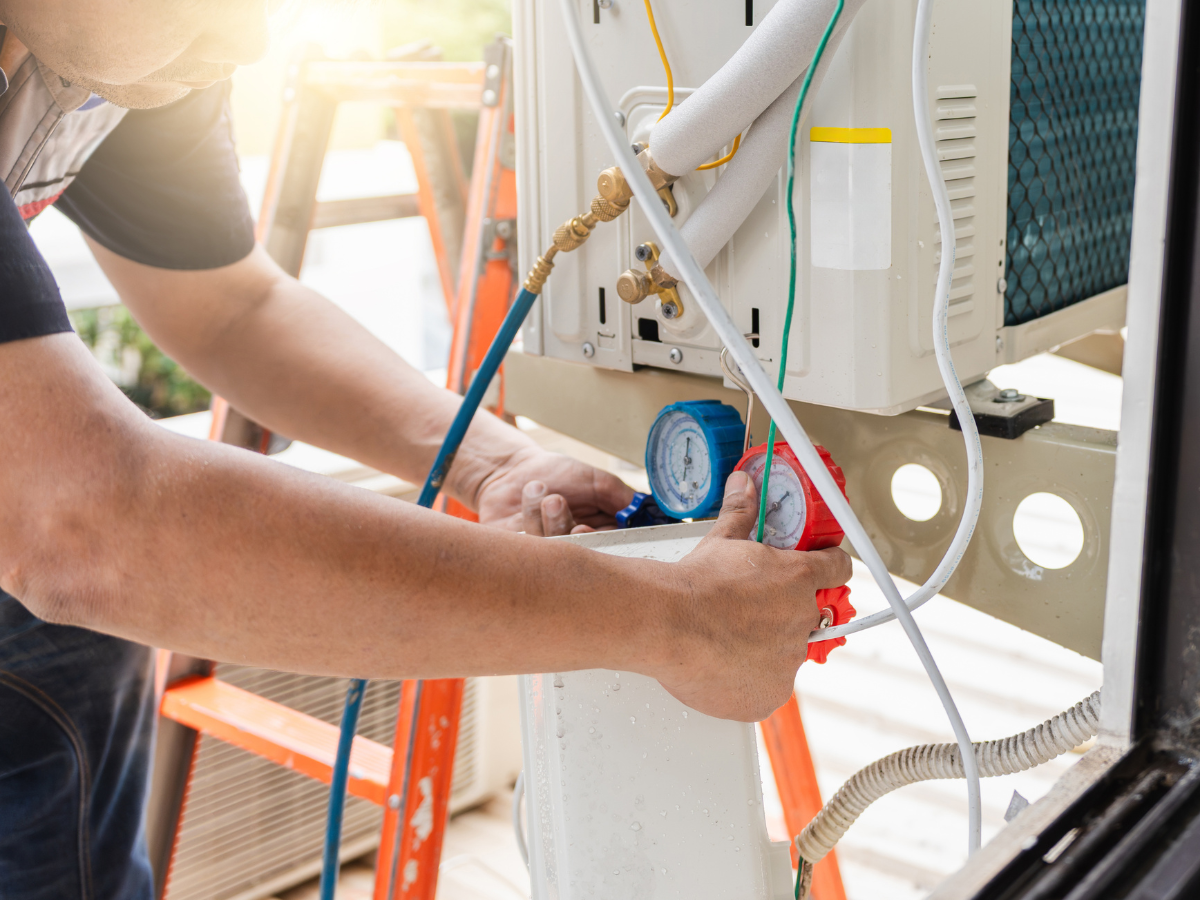
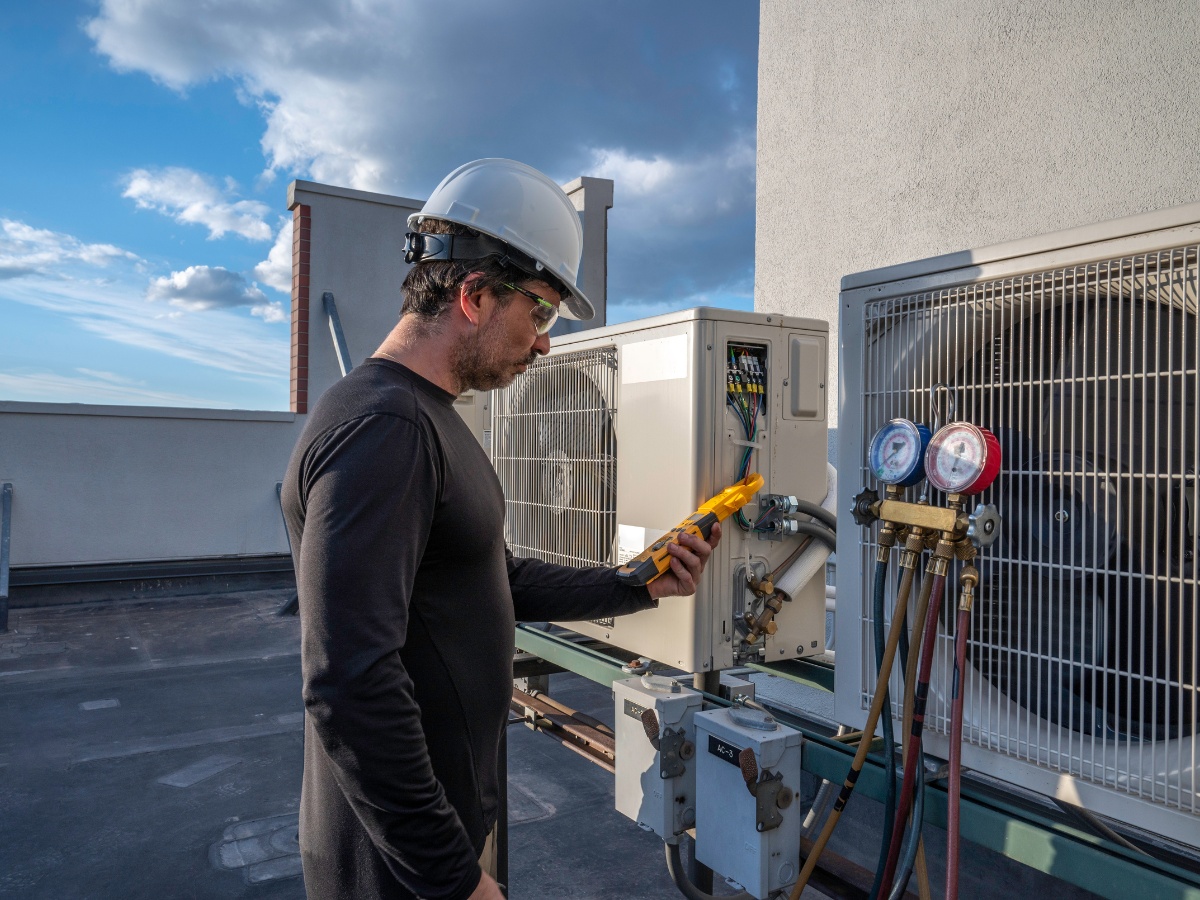
Measuring head pressure requires specialized tools and technical knowledge. It is typically done by trained technicians using pressure gauges connected to the system.


During measurement, technicians evaluate:


  • Head pressure readings
  • Suction pressure levels
  • Discharge line temperature
  • Overall system performance


Because incorrect measurements or adjustments can cause damage, homeowners should avoid attempting to check head pressure themselves. Issues related to head pressure HVAC conditions are best handled through professional HVAC Repair services.


Simple Fixes and Preventive Measures


While head pressure issues often require professional service, some preventive steps can reduce the risk of problems developing.


Helpful preventive measures include:


  • Keeping outdoor units clear of debris
  • Replacing air filters regularly
  • Ensuring proper airflow around the system
  • Scheduling routine inspections


Regular HVAC Maintenance helps identify airflow restrictions, dirty coils, and early signs of pressure imbalance before they escalate.

The Role of Airflow in Head Pressure Control


Airflow plays a major role in regulating head pressure. When airflow across the condenser is restricted, heat cannot escape efficiently.


Airflow problems may result from:


  • Dirty condenser coils
  • Blocked outdoor units
  • Failing condenser fans
  • Clogged air filters


Maintaining clean air filters and clear airflow pathways supports stable head pressure and efficient system operation.


High Head Pressure vs Low Head Pressure


While high head pressure is more common, low head pressure can also cause performance issues. Both conditions indicate imbalance within the system.


High head pressure usually results from heat rejection problems, while low head pressure may be caused by:


  • Low refrigerant charge
  • Cold outdoor temperatures
  • Metering device issues


Proper diagnosis is essential because symptoms can overlap, and incorrect adjustments may worsen the issue.


Why Head Pressure Issues Should Not Be Ignored


Ignoring head pressure HVAC problems can lead to serious damage. Compressors are especially vulnerable to prolonged high pressure conditions.


Potential consequences include:


  • Compressor failure
  • Refrigerant leaks
  • Electrical component damage
  • Complete system breakdown


Addressing pressure issues early reduces repair costs and protects system longevity.


How Regular Maintenance Helps Prevent Head Pressure Problems


Routine maintenance plays a key role in preventing head pressure issues. Regular inspections allow technicians to catch airflow restrictions and pressure irregularities early.


Maintenance helps by:


  • Cleaning condenser coils
  • Checking fan operation
  • Inspecting refrigerant levels
  • Verifying system pressure balance


Consistent HVAC Maintenance reduces the likelihood of sudden pressure related failures.


When to Call a Professional


Head pressure issues should always be evaluated by a qualified technician. Attempting DIY fixes can result in refrigerant loss, system damage, or safety risks.


Professional service is recommended when:


  • The system shuts down repeatedly
  • Cooling performance drops suddenly
  • Pressure related warnings occur


Timely HVAC Repair ensures accurate diagnosis and safe correction of head pressure HVAC problems.


Conclusion


What is head pressure HVAC comes down to understanding how pressure controls heat movement within an HVAC system. Head pressure plays a vital role in system efficiency, safety, and performance. When pressure levels rise too high, cooling efficiency drops and component damage becomes more likely. Recognizing the causes, warning signs, and preventive steps helps homeowners protect their system. With proper airflow, regular maintenance, and professional service when needed, head pressure HVAC issues can be managed before they lead to costly repairs.

Frequently Asked Questions

  • What Does Head Pressure Mean in an Hvac System?

    Head pressure refers to the pressure on the high side of the HVAC system where hot refrigerant exits the compressor.

  • What Can Cause High Head Pressure?

    Dirty condenser coils, restricted airflow, refrigerant overcharge, and fan failures are common causes.

  • How Do I Know If My Hvac Has Head Pressure Issues?

    Symptoms include system shutdowns, poor cooling, high energy bills, and unusual operating noises.

  • Is Head Pressure Something a Homeowner Can Fix?

    No, head pressure issues require professional tools and expertise to diagnose and correct safely.

  • Can Head Pressure Be Too Low?

    Yes, low head pressure can occur due to low refrigerant levels or cold conditions and can also affect performance.

By Mike Tangella January 19, 2026
Learn practical HVAC maintenance tips, filter care, DIY checks, common mistakes to avoid, and when professional service is worth it.
By Mike Tangella January 19, 2026
An air filtration system for home use has become an essential part of maintaining a healthy indoor environment. Many homeowners notice increased dust, allergy symptoms, or lingering odors and begin searching for ways to improve indoor air quality. While portable air purifiers can help in small spaces, they often fall short of addressing whole home air circulation. Choosing the best air filtration system for home comfort depends on how air moves through your living space, the types of pollutants present, and how consistently clean air is delivered. Understanding how filtration systems work and what options are available makes it easier to invest in a solution that supports long term comfort and healthier breathing. What Is a Home Air Filtration System? A home air filtration system is designed to remove airborne particles from the air circulating throughout a house. Unlike standalone air purifiers that clean air in a single room, whole home systems are integrated into the HVAC system to filter air before it reaches each room. These systems help reduce: Dust and debris Pet dander Pollen and allergens Mold spores Fine airborne particles An air filtration system for home use works continuously whenever the heating or cooling system operates, helping maintain cleaner air across the entire living space. How Do Air Filtration Systems Work? Home air filtration systems work by capturing particles as air moves through the HVAC system. Filters are installed within the airflow path so contaminants are removed before air is distributed through vents. The filtration process typically involves: Air being drawn into the HVAC system Passing through one or more filters Cleaned air moving through ductwork Filtered air delivered back into rooms Some systems also use advanced technologies such as UV light or air scrubbers to target microscopic particles that standard filters may miss. Why Invest in a Whole-Home Filtration System? Many homeowners start with portable air purifiers and later realize their limitations. While they may help in bedrooms or small spaces, they do not address air quality throughout the home. A whole home air filtration system offers: Consistent air cleaning across all rooms Reduced reliance on multiple portable units Improved airflow balance Lower dust accumulation on surfaces For households with allergies, pets, or frequent HVAC use, a whole home solution provides more comprehensive coverage than a single best air purifier for home use. How to Choose the Best System for Your Home Choosing the right air filtration system for home use depends on several practical considerations. There is no one size fits all solution. Important factors to consider include: Size of the home Existing HVAC system compatibility Types of airborne pollutants present Maintenance requirements Budget and long term operating costs Homes with allergy concerns may prioritize higher efficiency filters, while others focus on general dust control and odor reduction. What Types of Home Air Filtration Are Available Several types of air filtration systems are commonly used in residential settings. Each type addresses different air quality needs. Common options include: High efficiency media filters HEPA based filtration systems UV light air treatment systems Air scrubbers integrated into ductwork Ozone generator systems used cautiously in controlled applications  Understanding how each option works helps homeowners choose a system that aligns with health goals and home design.
By Mike Tangella January 19, 2026
How long heating systems last, what affects lifespan, warning signs of failure, and how proper maintenance can extend system life.
By Mike Tangella January 19, 2026
HVAC is a term many homeowners use daily, yet confusion still exists around what it actually includes. One of the most common questions is does HVAC include heat, or is it only related to cooling and air conditioning. This confusion often leads to misunderstandings when systems stop working, upgrades are planned, or maintenance decisions need to be made. Understanding how HVAC systems are designed helps homeowners make better decisions about comfort, efficiency, and long term system care. HVAC is not just about cooling the home in summer. Heating is a core part of most HVAC systems, and knowing how it works can prevent costly mistakes and unexpected comfort issues. How HVAC Systems Provide Heat HVAC systems are designed to manage indoor temperature year round. This includes both heating and cooling functions that work together to maintain comfort. Heating within HVAC systems is typically provided through: Furnaces that generate heat and distribute it through ducts Heat pumps that move heat into the home during colder months Hybrid systems that switch between heating methods based on conditions These heating components connect to the same ductwork, vents, and air distribution pathways used for cooling. This shared setup allows HVAC systems to regulate indoor temperature efficiently throughout the year. Why HVAC Includes Heating and Not Just Cooling HVAC stands for heating, ventilation, and air conditioning. Heating is not an optional feature in most systems, especially in regions that experience cold weather. HVAC includes heating because: Homes require temperature control in all seasons Heating and cooling share airflow systems Unified systems improve energy efficiency Centralized control simplifies operation A complete HVAC system balances heating and cooling to provide consistent indoor comfort rather than relying on separate systems. What Components Make Up an HVAC System? An HVAC system is made up of several components that work together to regulate indoor air and temperature. Heating is one of the primary functions supported by these components. Key HVAC components include: Heating equipment such as furnaces or heat pumps Cooling equipment like the home air conditioner Ductwork that moves heated and cooled air Air filters that support air quality Vents and registers such as the AC vent system Each component plays a role in delivering heating and cooling efficiently. When one part fails, overall system performance is affected. How Heat Pumps Differ from Traditional Furnaces Heat pumps and furnaces are both heating components within HVAC systems, but they operate very differently. Heat pumps work by: Moving heat from outside air into the home Reversing operation for cooling in warmer months Using electricity rather than fuel combustion Traditional furnaces: Generate heat by burning fuel or using electric elements Distribute warm air through ducts Operate separately from cooling systems Heat pumps are common in areas with moderate winters, while furnaces are often used in colder climates. Both options fall under the HVAC category.
By Mike Tangella January 19, 2026
How much a new AC unit costs with installation, what affects pricing, system types, energy efficiency, and how to budget wisely.
By Mike Tangella January 19, 2026
Why HVAC maintenance is important, how it improves efficiency, air quality, safety, and helps prevent costly system breakdowns.
hvac maintennce
By Mike Tangella January 16, 2026
How often HVAC should be serviced, why regular maintenance matters, signs your system needs attention, and how to avoid costly breakdowns.
By Mike Tangella January 16, 2026
HVAC repair cost is one of the most common concerns for homeowners when heating or cooling systems stop working as expected. Whether it is weak airflow, unusual noises, or a system that will not turn on, HVAC problems often come with uncertainty about how much repairs will cost. Because heating and cooling systems are essential for comfort, most repairs cannot be delayed for long. Understanding HVAC repair cost helps homeowners plan ahead, avoid unnecessary expenses, and make informed decisions when something goes wrong. This guide explains average repair costs, what influences pricing, which repairs are most common, and how to manage HVAC expenses more effectively. What Is the Average HVAC Repair Cost? HVAC repair cost can vary widely depending on the issue, system type, and urgency of service. Some problems are minor and inexpensive, while others involve major components that significantly increase cost. On average, HVAC repair cost typically reflects: Simple fixes like replacing air filters or adjusting thermostat settings Moderate repairs involving electrical components or airflow issues Larger repairs related to compressors, motors, or heat pump components Smaller issues are usually more affordable when addressed early. Delaying repairs often leads to higher costs over time. What Affects Your HVAC Repair Bill? Several factors influence how much homeowners pay for HVAC repair. No two systems are identical, and pricing reflects more than just the part being replaced. Key factors that affect HVAC repair cost include: Type of HVAC system Age of the equipment Availability of replacement parts Complexity of the repair Whether the repair is scheduled or emergency service Older systems may require harder to find parts, which increases repair cost. Emergency repairs outside regular service hours also tend to cost more. How Are HVAC Repair Costs Calculated? HVAC repair costs are usually calculated based on labor, parts, and diagnostic time. Understanding this breakdown helps homeowners review estimates more confidently. Typical cost components include: Service call or diagnostic fee Labor based on repair complexity Cost of replacement parts Additional charges for emergency or after hours service Some HVAC service providers include diagnostics in repair pricing, while others list it separately. Asking for clear explanations helps avoid confusion.
By Mike Tangella January 16, 2026
What is air duct cleaning is a common question among homeowners who notice dust buildup, uneven airflow, or reduced HVAC performance inside the home. Air ducts are responsible for moving heated and cooled air throughout living spaces, yet they are often overlooked until problems become noticeable. Over time, dust, debris, and other contaminants can accumulate inside ductwork and circulate whenever the HVAC system runs. Understanding what air duct cleaning involves, why it matters, and when it is truly needed helps homeowners make informed decisions. This guide explains the process in simple terms, clears up common misconceptions, and outlines what to expect before considering professional service.
By Mike Tangella January 16, 2026
AC repair cost is one of the most common concerns homeowners face when their cooling system starts acting up. When an air conditioner stops working or performs poorly, the immediate question is not only what went wrong but also how much the repair will cost. Unexpected breakdowns often happen during peak summer months, when systems are under the most stress and demand for service is high. Understanding AC repair cost helps homeowners make informed decisions, avoid unnecessary expenses, and recognize when a repair makes sense versus when replacement should be considered. Knowing what influences pricing, how service fees work, and which issues are most common allows you to plan ahead and manage cooling costs more effectively.
More Posts