BLOGS
Understanding low superheat and how it impacts your cooling system is essential for maintaining a comfortable, energy-efficient home. If you have ever wondered how your air conditioner manages to turn a hot afternoon into a crisp indoor breeze, the answer lies within the physics of the refrigeration cycle, specifically a concept called superheat.
In this guide, we will break down the technicalities of HVAC performance into simple terms, helping you understand why this measurement is the "pulse" of your air conditioning system.
Understanding Superheat in HVAC Systems
At its core, superheat refers to the number of degrees a vapor is above its boiling point (saturation temperature) at a specific pressure. In an HVAC context, this happens in the evaporator coil.
As refrigerant flows through the coils, it absorbs heat from your indoor air. This heat causes the liquid refrigerant to boil and turn into a gas. Once the liquid has completely transitioned into vapor, any additional heat it picks up is considered "superheat." Think of it like boiling water: once the water turns to steam, any extra heat makes that steam "superheated."
How Superheat Works in Refrigeration Cycles
The refrigeration cycle relies on heat transfer dynamics to move warmth from inside your home to the outdoors. The process follows a specific path:
- Absorption: Cold liquid refrigerant enters the evaporator coil.
- Saturation: The refrigerant absorbs heat from the air, reaching its boiling point.
- Superheating: Before the refrigerant leaves the evaporator, it must be 100% vapor. Superheating ensures no liquid remains.
- Compression: The vapor travels to the compressor, where it is pressurized and sent to the outdoor unit to release the heat.
Superheat vs. Subcooling: What’s the Difference?
While they sound similar, superheat and subcooling occur at opposite ends of the system.
- Superheat is measured at the evaporator (indoor) side. It ensures that only vapor enters the compressor.
- Subcooling is measured at the condenser (outdoor) side. It measures the temperature drop of the liquid refrigerant below its boiling point, ensuring that only liquid reaches the expansion valve.
Both are vital for a balanced refrigerant charge, but superheat is the primary metric used for systems with a fixed orifice metering device.

Why Does Superheat Matter for HVAC Performance?
Measuring superheat isn't just a technical chore; it is vital for compressor protection. Compressors are designed to pump gas, not liquid. If the superheat is too low, liquid refrigerant can "slug" the compressor, leading to mechanical failure and expensive repairs.
Proper superheat levels also ensure maximum HVAC efficiency. When the superheat is dialed in, your system uses the least amount of energy to provide the most cooling. Does HVAC include heat? While the principles of airflow apply to both, superheat is specifically a cooling-cycle hero.
How to Measure Superheat Correctly?
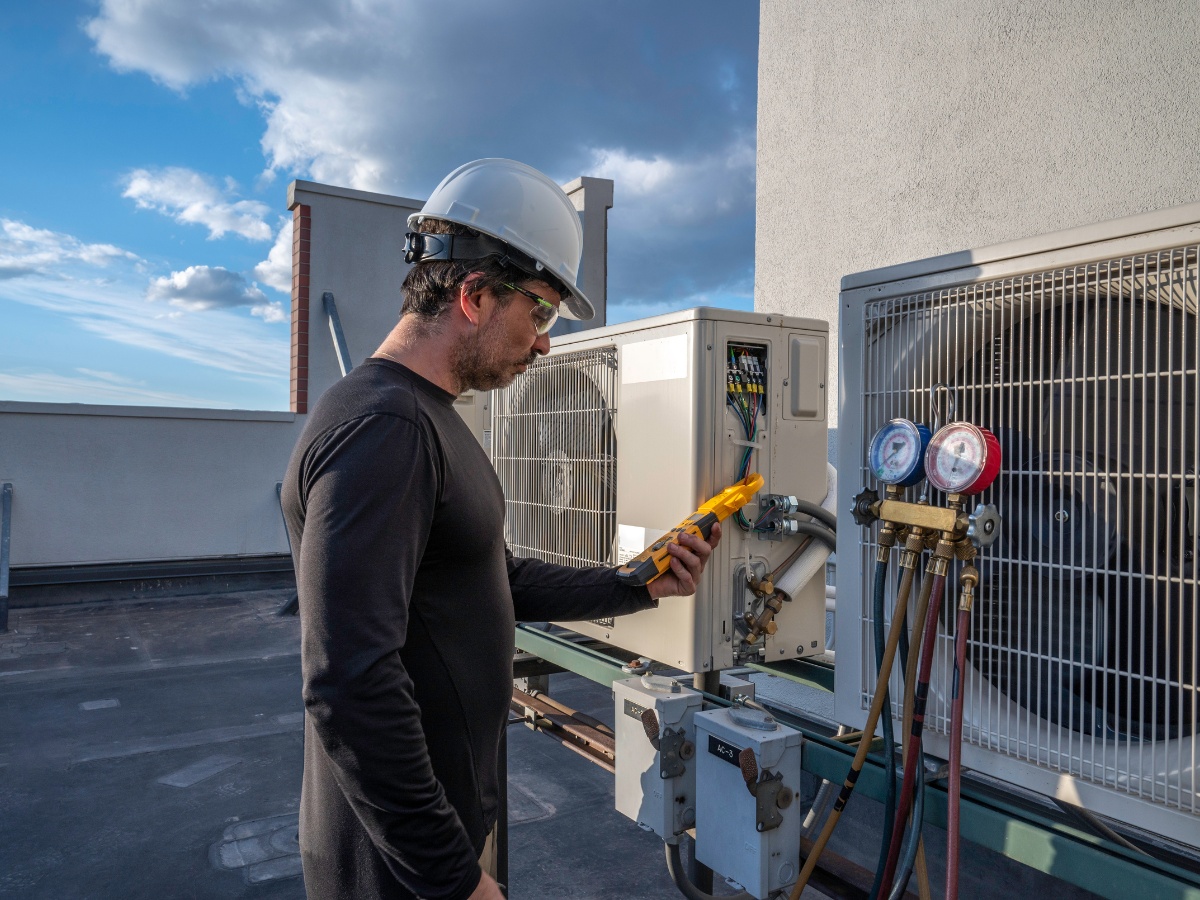
To get an accurate reading, HVAC technicians use a superheat chart and specialized tools. Here is the general process:
- Measure Pressure: Take the suction line pressure at the service valve.
- Convert to Temperature: Use a P/T (Pressure/Temperature) chart to find the saturation temperature for that specific refrigerant.
- Measure Actual Temperature: Use a pipe clamp thermometer to get the actual temperature of the suction line.
- The Calculation: Subtract the saturation temperature from the actual temperature.
- Formula: Actual Temperature - Saturation Temperature = Superheat
Common Superheat Problems and Troubleshooting
When a system isn't cooling properly, the superheat value often reveals the culprit.
High Superheat
This usually indicates a "starved" evaporator. The refrigerant is turning to gas too early, often caused by a leak, a clogged filter, or a faulty thermostatic expansion valve (TXV).
Low Superheat
Low superheat occurs when the refrigerant isn't picking up enough heat. This can be dangerous because liquid refrigerant may reach the compressor. Common causes include:
- Dirty air filters restricting airflow.
- A dirty evaporator coil.
- Overcharged refrigerant.
- Blower motor failure.
Optimizing Superheat for System Efficiency
To keep your system running at peak performance, airflow is king. A system with restricted airflow will almost always struggle with incorrect superheat. By ensuring your vents are clear and your filters are changed regularly, you support the natural heat exchange process, making it easier for the system to maintain the "sweet spot" of superheat.
Professional Tips for HVAC Technicians
For those in the field, remember that superheat should be checked only after the system has reached a "steady state," usually after 10 to 15 minutes of continuous operation. Always account for the "total" superheat at the compressor inlet to ensure long-term reliability.

FAQ
Q. What is an ideal superheat value for HVAC systems?
Typically, for a system with a TXV, the target superheat is between 8°F and 12°F. For fixed orifice systems, the target varies based on indoor wet-bulb and outdoor dry-bulb temperatures
.
Q. How does incorrect superheat affect HVAC performance?
Incorrect superheat can lead to frozen coils, high energy bills, insufficient cooling, and eventually, total compressor failure.
Q. Can I measure superheat without professional tools?
Not accurately. It requires precise pressure gauges and digital thermometers to calculate the difference between the refrigerant's boiling point and its actual temperature.
Q. What causes superheat to be too high or too low?
High superheat is often caused by low refrigerant or restrictions. Low superheat is typically caused by airflow issues or an overcharged system.
Q. How often should superheat be checked during maintenance?
Superheat should be verified during every annual professional maintenance visit to ensure the system is operating within manufacturer specifications.
Conclusion
Understanding what superheat is and why it matters is the first step toward a longer-lasting air conditioning system. Whether you are dealing with the risks of low superheat or simply trying to lower your utility bills, keeping an eye on these technical vitals is essential. Is your AC acting up or failing to keep you cool? Don't wait for a small issue to turn into a costly compressor replacement. Contact a professional today to schedule a comprehensive system check-up and ensure your low superheat isn't putting your home comfort at risk!