BLOGS
HVAC and Allergy Season in Tulsa: What Upgrades Actually Help
If you live in Tulsa, you already know allergy season does not play fair. Oak and cedar pollen, ragweed, and humidity swings all take turns making life harder for anyone with allergies or asthma. Your home should be the one place where you can breathe easy, but if your HVAC system isn't set up for it, your house might be working against you.
The good news is that a few smart upgrades can make a real difference. At Air Masters Inc, we help homeowners understand which HVAC upgrades can improve indoor air quality in Tulsa homes and which solutions may not provide meaningful benefits. If you are ready to breathe easier this season, get a free quote and let's talk about your home.
Why Allergy Season Hits Different in Tulsa
Tulsa's climate is part of the problem. We get high pollen counts in spring from oak, elm, and cedar trees, followed by ragweed season in late summer and fall. Add in Oklahoma's humidity, and you have a recipe for mold growth, dust mites, and airborne irritants that circulate right through your home's ductwork.
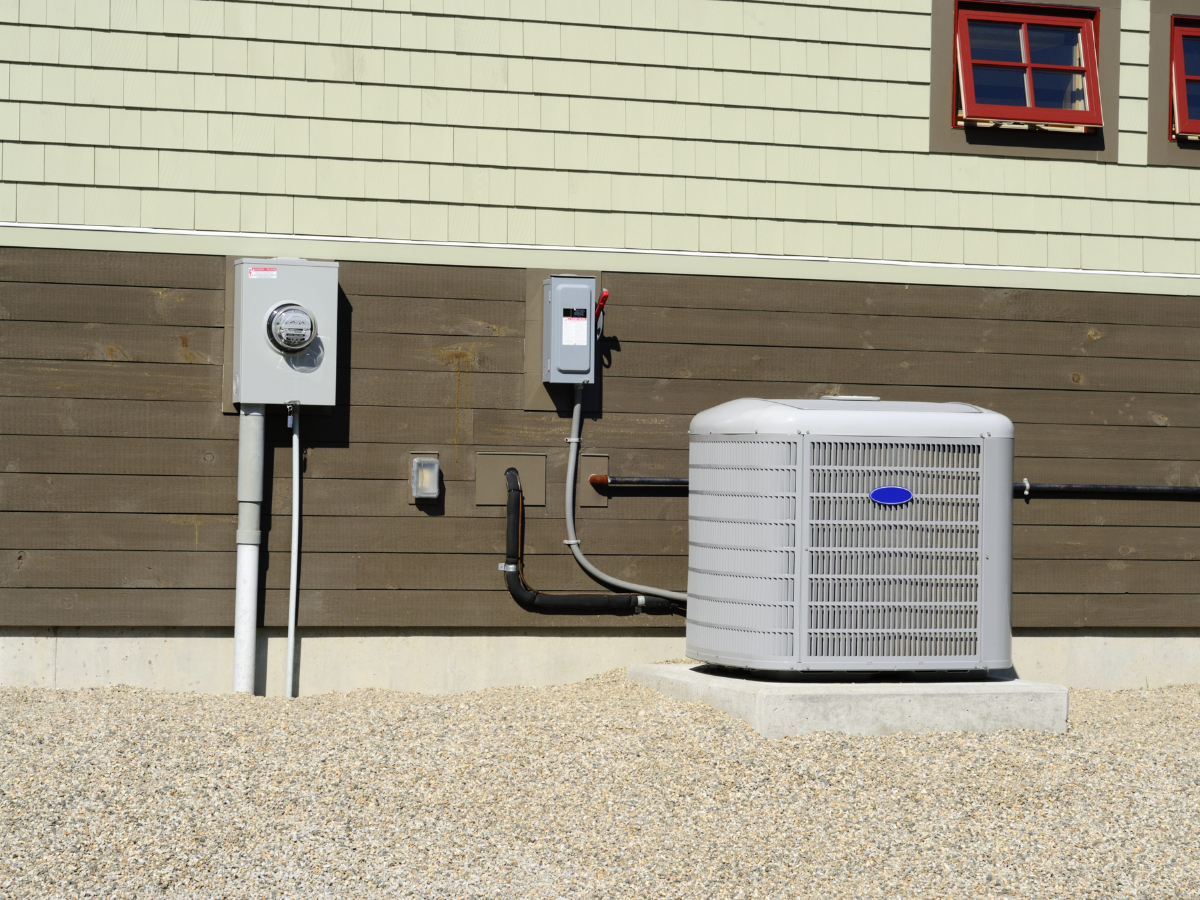
Your HVAC system is not just about temperature. It is also the main system that pulls air through your home, filters it, and pushes it back out. When it is not set up to handle allergens, it can end up spreading them room to room instead of clearing them out. A professional zoning system installation in Tulsa can also help by giving different areas of your home more precise temperature and airflow control, which can improve overall comfort during allergy season.
Start With the Right Air Filter
The simplest upgrade is often the most effective one: your air filter. Filters are rated using a MERV scale, which stands for Minimum Efficiency Reporting Value. It measures how well a filter captures small particles.
For most Tulsa homes dealing with seasonal allergies, a filter in the MERV 11 to MERV 13 range does a solid job of capturing pollen, pet dander, dust, and mold spores. That said, not every system can handle a higher MERV filter without a drop in airflow, so it is worth having a technician check your equipment before you upgrade. This is exactly the kind of detail our team looks at during routine HVAC maintenance visits. If dry indoor air is also affecting comfort, a whole-home humidifier in Tulsa can help maintain more balanced humidity throughout the house without relying on portable units.
A quick note: HEPA-level filtration is excellent, but standard HEPA filters are usually too dense for typical residential ductwork and can strain your system. A well-matched MERV 11 to 13 filter is usually the more practical choice for whole-home filtration.
Get Your Ductwork Checked
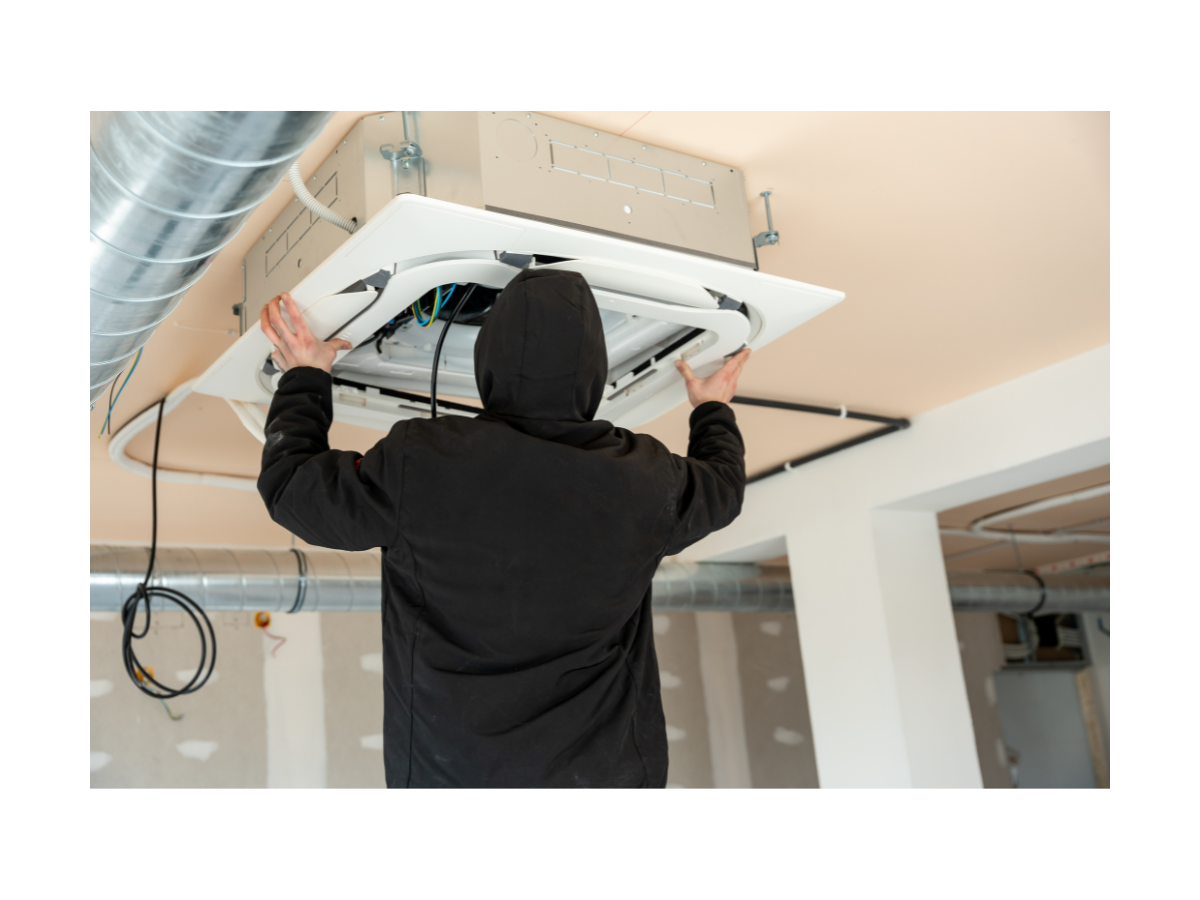
Here is something many homeowners overlook: your air filter can only do so much if your ducts are leaking, dusty, or poorly sealed. Air escaping through gaps in your ductwork pulls in dust, insulation particles, and attic or crawlspace air, and pushes it right into your living space.
If it has been a while since anyone looked at your ducts, or if you notice dust building up quickly around vents, it may be time for an inspection. Our ductwork services include inspecting, sealing, and repairing ducts to help improve airflow and reduce the circulation of airborne contaminants during allergy season.
Keep Up With Routine Maintenance
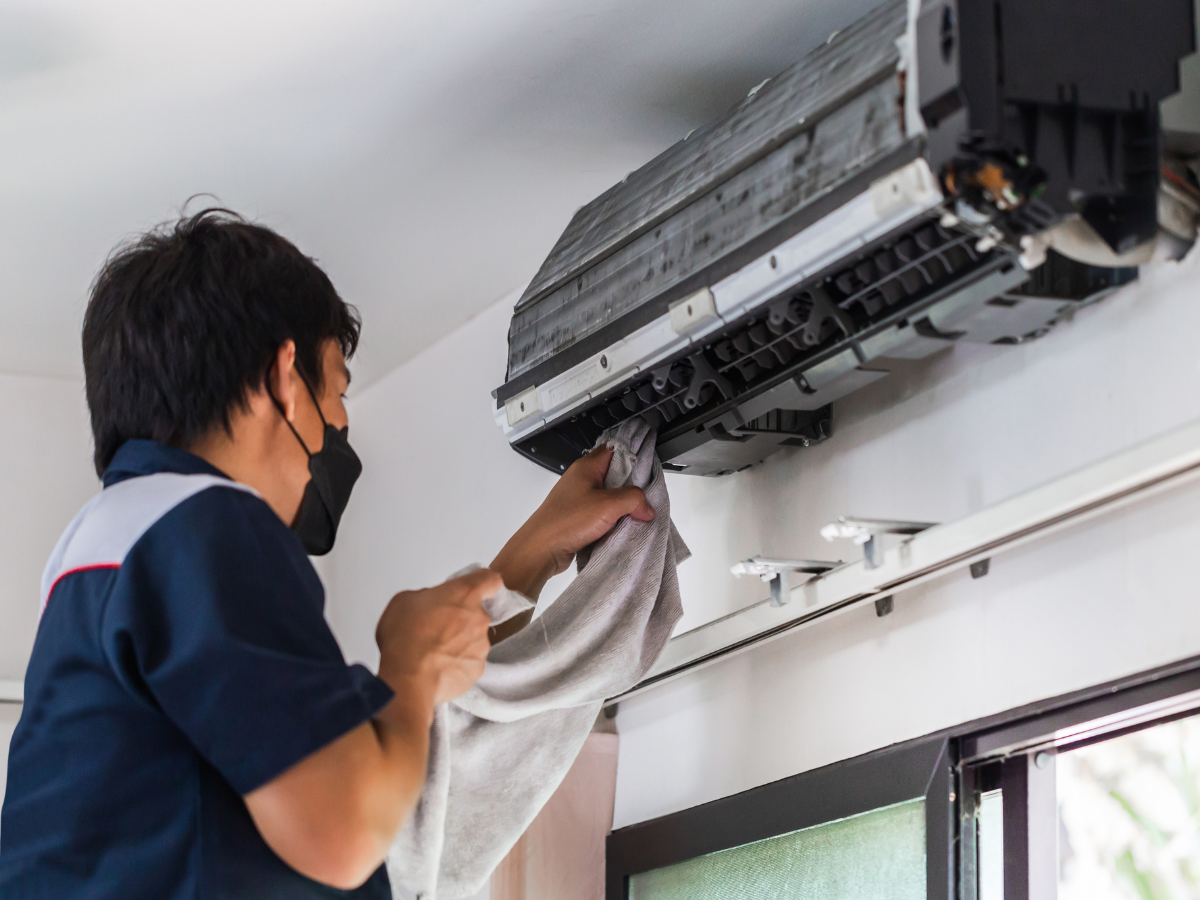
A dirty system recirculates more than it filters. Dust and debris on coils, blowers, and in the ductwork give allergens more surfaces to collect on and more chances to get pushed back into your home.
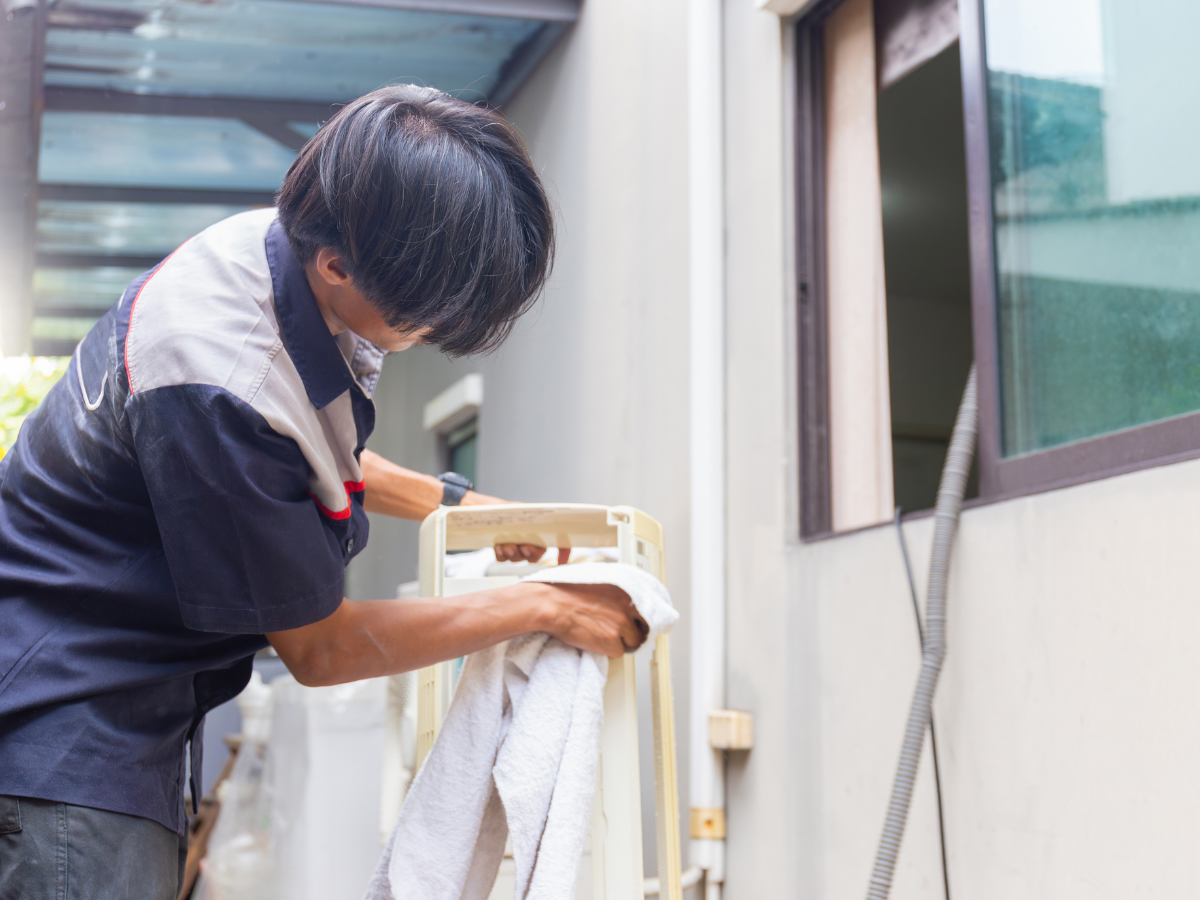
Scheduling routine maintenance twice a year, ideally before allergy season ramps up in spring and again before fall, helps keep your system running as it should. It also gives a technician a chance to catch small issues, such as a clogged filter or a failing blower motor, before they become bigger problems.
Consider a Newer, Higher-Efficiency System
If your current HVAC system is older, it may not support advanced filtration or consistent airflow as effectively as newer equipment. Modern systems with higher SEER2 ratings and variable-speed technology are designed to deliver steadier airflow, improved humidity control, and better compatibility with higher-efficiency air filters, helping create a healthier indoor environment.
Upgrading to a newer HVAC system is a larger investment, but it can improve indoor comfort, energy efficiency, and air quality over the long term. If you're already considering a replacement because of age, frequent repairs, or declining performance, it may be the right time to explore systems that better support your home's filtration and ventilation needs.
Don't Forget About Humidity
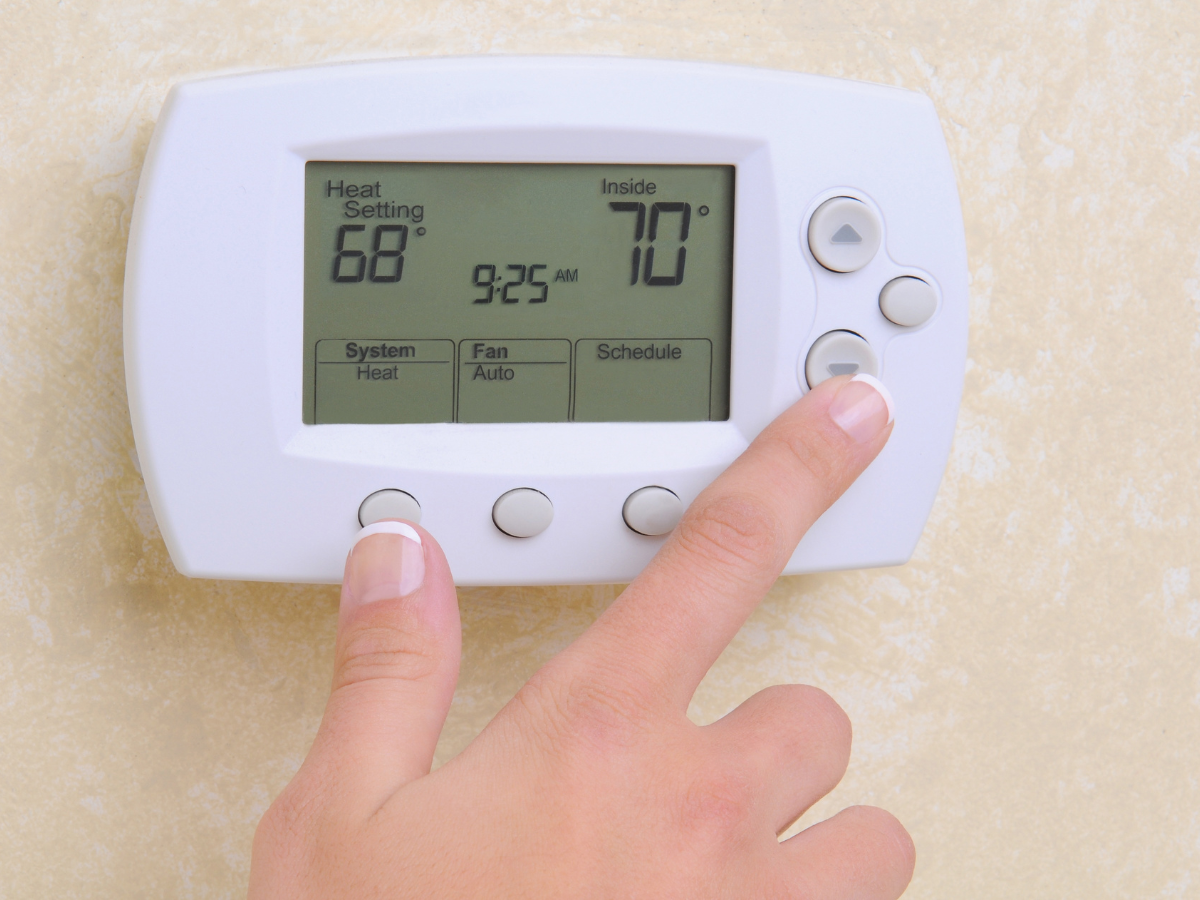
Oklahoma's humidity can have a major impact on indoor air quality. Too much moisture encourages mold growth and dust mites, while overly dry air can irritate your nose and throat. Keeping indoor humidity between 30% and 50% helps create a healthier and more comfortable indoor environment.
Regular HVAC maintenance helps ensure your system continues controlling humidity efficiently throughout the year. During routine service, our technicians inspect system performance, airflow, and key components to help maintain balanced indoor humidity and consistent comfort.
What About Air Purifiers?
Whole-home air purification systems can be a valuable addition for households with persistent allergy concerns, but they work best when paired with a properly maintained HVAC system rather than as a standalone solution. Sealed ductwork, the right MERV-rated air filter, balanced airflow, and routine HVAC maintenance create the foundation for cleaner indoor air and better system performance.
Once those essentials are in place, a whole-home air purification system can provide an additional layer of protection by helping reduce airborne particles that circulate through your home. A professional evaluation can help determine whether this upgrade is a good fit for your HVAC system and indoor air quality goals.
Ready to Breathe Easier This Allergy Season?
Improving indoor air quality in Tulsa homes during allergy season comes down to a few steps: the right filter, sealed ducts, consistent maintenance, and humidity kept in a healthy range. For some households, a system upgrade adds another layer of relief. None of this requires guesswork, and a technician can walk you through what your home actually needs.
If allergy season has been rough on your household, we would be glad to take a look.
Contact us today to schedule a visit, and let's get your home breathing easier.
Frequently Asked Questions
Can a new air filter really help with allergies at home?
Yes, a properly matched filter can reduce airborne pollen, dust, and dander. Results vary by home and system, so a technician can help you choose the right fit.
How often should I replace my HVAC filter during allergy season?
Most homes benefit from checking filters monthly during high-pollen months and replacing them as needed, though this depends on your household and system.
Does duct cleaning actually improve indoor air quality?
Clean, sealed ducts can reduce dust and allergen circulation in many homes. An inspection helps determine whether cleaning or sealing would benefit your system.
Is it worth upgrading my HVAC system just for allergies?
It can be, especially with an older system. Newer equipment often supports better filtration and airflow, which may help reduce allergy symptoms at home.
What humidity level is best for reducing allergens indoors?
Many experts suggest keeping indoor humidity between 30 and 50 percent, which can help limit mold growth and dust mite activity in the home.