BLOGS
Zoning System Installation in Tulsa: Cost vs Comfort Payoff
Do you have a room that's always too hot while another stays too cold? You're not alone. Many Tulsa homes experience uneven temperatures because a single thermostat is trying to heat or cool the whole house at once.
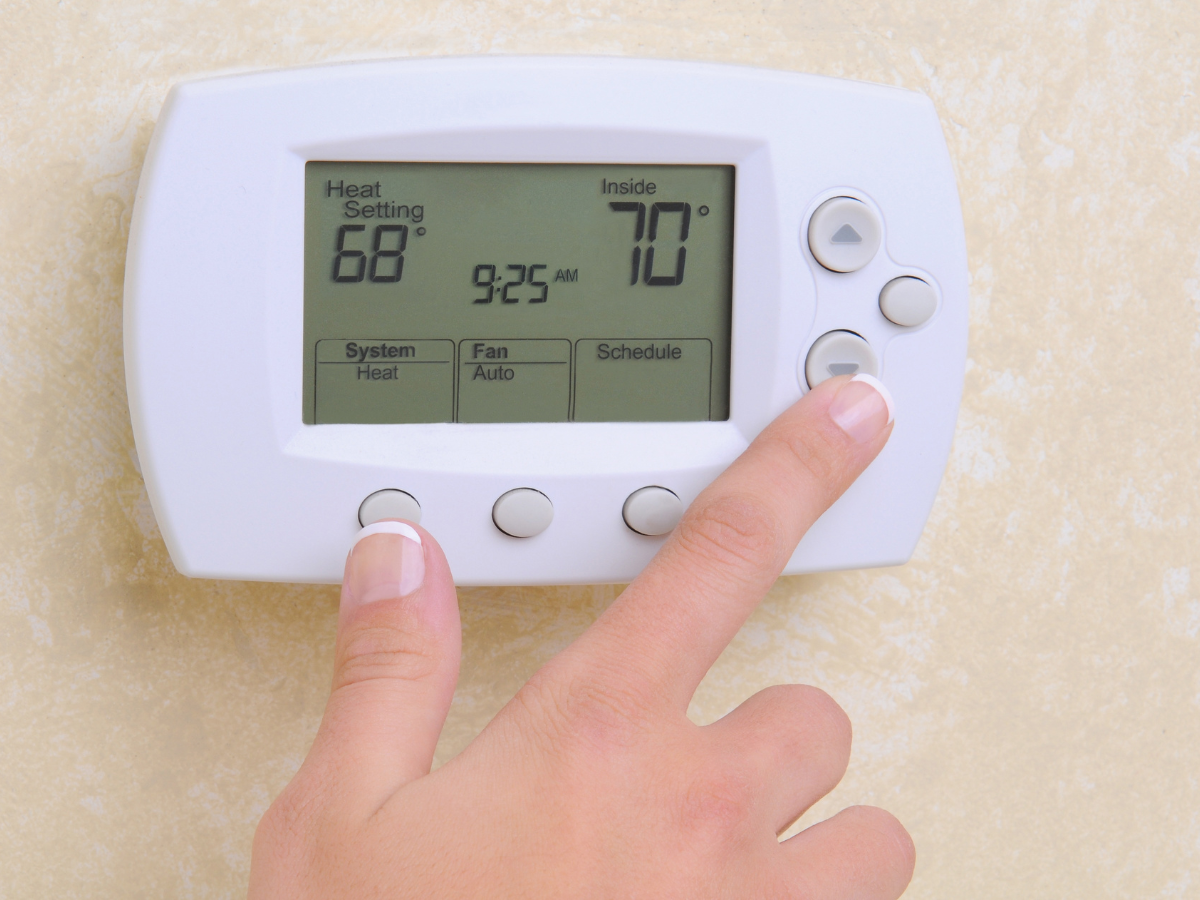
This is where HVAC zoning in Tulsa comes in. A zoning system splits your home into separate areas, each with its own thermostat and airflow control. That means every room can be set to the temperature people actually want, instead of one setting for the entire house.
In this guide, we'll walk through what zoning costs, what comfort it delivers, and whether it makes sense for your home. At Air Masters Inc., we've helped many Tulsa homeowners solve exactly this kind of comfort problem. If you're ready to talk specifics, get a free quote, and we'll help you figure out the right fit.
What Is HVAC Zoning, and How Does It Work?
A zoned HVAC system divides your home into sections, or zones, based on how the space is used. Each zone gets its own thermostat, and dampers inside the ductwork open or close to direct airflow where needed.
A two-story Tulsa home might have one zone upstairs and one downstairs, so bedrooms run cooler at night while a daytime living room holds a different temperature, all automatically. Zoning works with central air conditioning, heat pumps, and furnaces, relying on a zone control panel, dampers, and multiple thermostats working with your existing equipment. The same approach can be scaled for larger buildings with
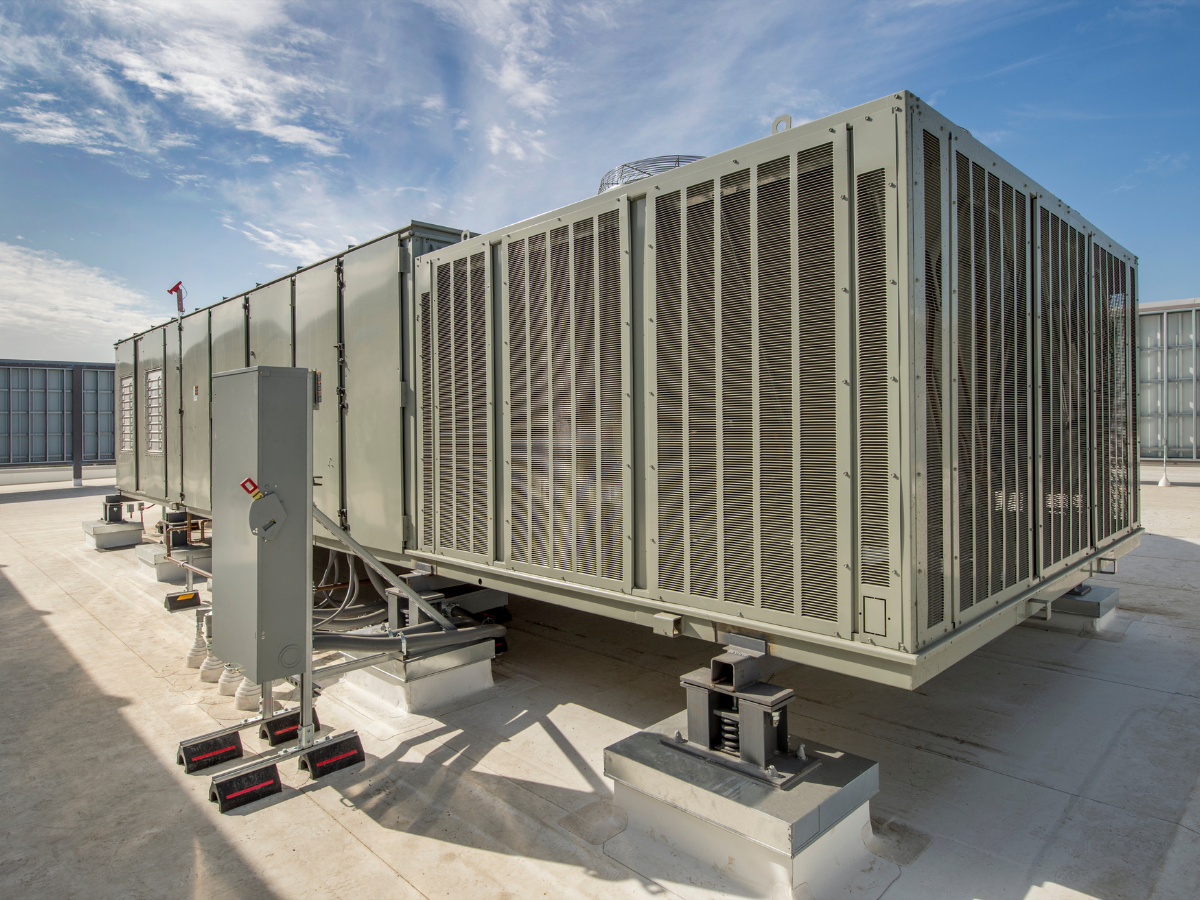
multi-zone commercial HVAC in Bixby, where offices, conference rooms, and other areas may have different heating and cooling needs.

Why Tulsa Homes Often Need Zoning
Tulsa's climate swings from hot summers to cold snaps, pressuring a single-zone system. Common reasons for zoning:
- Multi-level homes: Heat rises, so upper floors often run warmer than main levels.
- Additions or bonus rooms: Rooms added onto a house often sit far from the main air handler, making them harder to heat or cool evenly.
- Large or open floor plans: Bigger homes have more square footage for one thermostat to manage.
- Sun exposure: Rooms with west-facing windows can heat up faster in the afternoon than the rest of the house.
If any of these sound like your home, zoning may solve what a standard thermostat can't.
What Does Zoning System Installation Cost in Tulsa?
Cost is usually the first question homeowners ask, and it's a fair one. Zoning system pricing depends on several factors:
- Number of zones
- Ductwork condition
- Home size and layout
- Equipment compatibility
The best way to determine the cost is with a professional home evaluation. We assess your existing HVAC system, ductwork, and layout to provide a clear, accurate estimate tailored to your home's needs.
The Comfort Payoff: Is Zoning Worth It?
Cost is only half the picture. For many Tulsa households, the comfort improvement is significant:
- Room-by-room control: Each zone adjusts to how that space is used, so a home office stays cool by day and a bedroom stays warmer at night.
- Fewer hot and cold spots: Zoning directs airflow where it's needed most, evening out swings from sun exposure, multiple floors, or additions.
- Better efficiency potential: When your system isn't conditioning unused rooms as heavily, it can run more efficiently, though savings vary by home.
- Extended equipment life: By reducing unnecessary runtime and improving airflow management, zoning may help reduce wear on HVAC equipment over time.
Zoning, Your Ductwork, and Your Home's Fit
Zoning depends heavily on your home's ductwork. Undersized, leaky, or poorly routed ducts won't deliver the results you expect. A proper installation often starts with inspecting the duct system. Our ductwork services can address this as part of a zoning project.
Not every home needs zoning. Smaller, single-story homes may already have even temperatures, while larger, multi-story, or mismatched homes tend to see the biggest difference.
If you're building a new home in Tulsa, this is a great time to plan for zoning, since ductwork can be designed for it from the start. Our new construction services include this planning.
How Zoning Fits Into a Full HVAC System
A zoning system works alongside your HVAC equipment, thermostats, and ductwork to deliver more personalized comfort throughout your home. Zoning systems often perform best when paired with variable-speed HVAC equipment, allowing airflow and temperature to adjust more precisely throughout your home. If you're planning a new HVAC installation, it's worth discussing zoning during the design process, as installing both together is often more efficient than adding zoning later. Routine maintenance also helps keep the entire system operating reliably and efficiently over time.
Questions to Ask Before Moving Forward
- Which rooms are too hot or too cold?
- Do you have multiple floors or open spaces?
- Is your ductwork in good condition?
- What's your budget for the project?
- Are you due for a system upgrade?
A technician can walk through these to build a plan that fits your home.
Final Thoughts: Weighing Cost Against Comfort
While zoning requires an upfront investment, many homeowners find the improved comfort, better temperature control, and potential efficiency benefits well worth the cost. The right solution depends on your home's layout, ductwork, and how your family uses each space.
At Air Masters Inc., we take the time to evaluate your home's unique needs and recommend solutions that make sense for your comfort and budget.
Contact us today for a free quote, and let us help you determine whether HVAC zoning in Tulsa is the right fit for your home.
Frequently Asked Questions
How long does zoning system installation usually take?
Timing depends on your home's size and the condition of your ductwork. Most installations take a few days. A technician can give you a clearer timeline after an inspection.
Can zoning be added to an existing HVAC system?
In many cases, yes. It depends on your current ductwork and equipment. A home visit helps confirm whether your system is a good fit.
Does zoning reduce energy bills?
Zoning may help improve efficiency by directing airflow where it's needed. Actual savings vary based on home layout and usage habits.
How many zones does a typical home need?
This depends on square footage, floor count, and how rooms are used. Two to three zones are common, but every home is different.
Is zoning only useful for large homes?
Not always. While larger homes often benefit most, any home with uneven temperatures or distinct room usage patterns may see improvement.