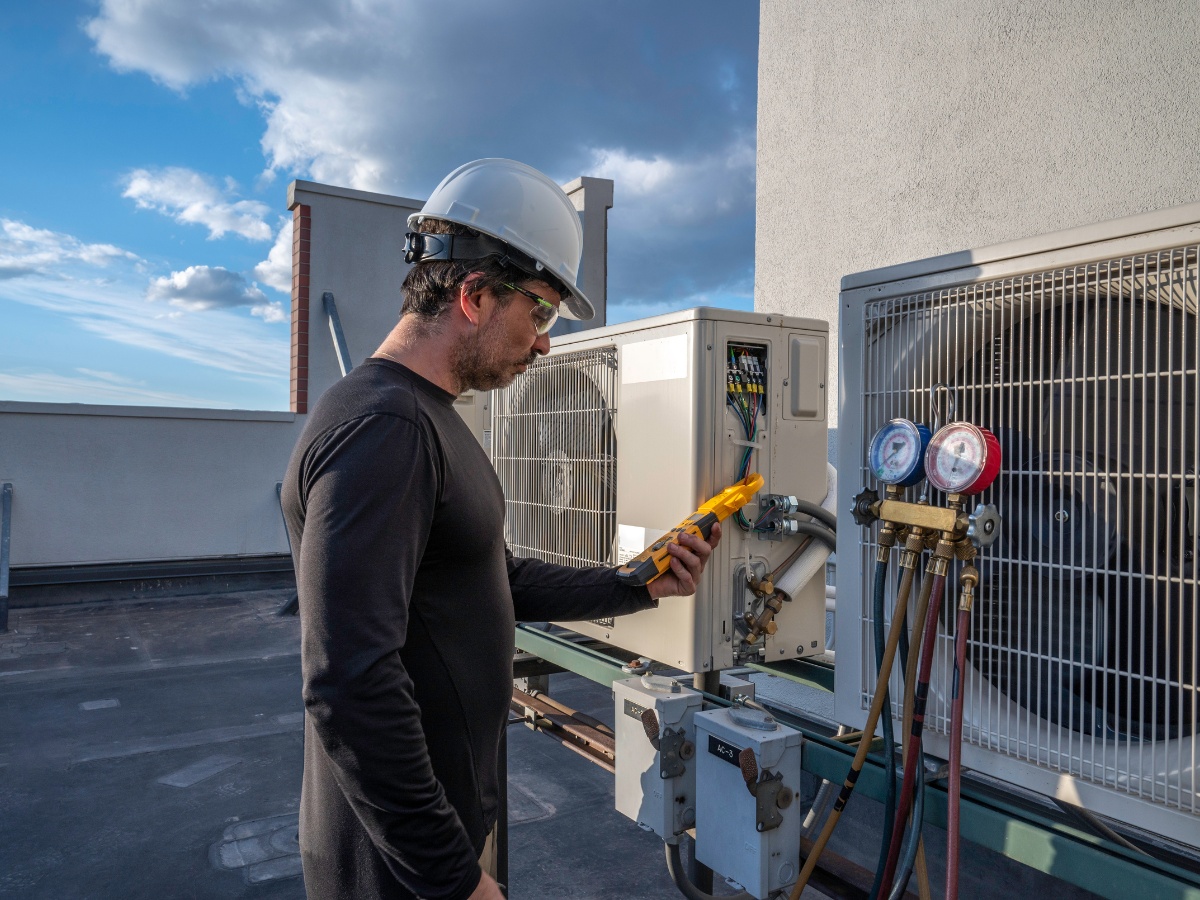
BLOGS
What Is Static Pressure in HVAC?
Understanding how your heating and cooling system works behind the scenes is key to keeping your home comfortable and energy efficient. One of the most important, yet often misunderstood, concepts is static pressure HVAC professionals frequently talk about. Simply put, static pressure is the resistance air faces as it travels through your ductwork, filters, and other system components. In many systems, a static pressure sensor helps monitor these levels to make sure everything stays within a safe operating range.
When static pressure is properly balanced, air moves evenly and efficiently throughout your home. But if that resistance becomes too high or too low, it can strain your equipment and lead to a variety of mechanical problems over time.
Introduction to Static Pressure in HVAC
In heating and cooling systems, static pressure is often compared to blood pressure in the human body. When blood pressure is too high, the heart has to work harder. In the same way, high static pressure puts extra strain on your air handler and blower motor. It measures the force of air pushing against the inside walls of your ductwork and other internal components.
For proper HVAC performance optimization, that pressure has to stay balanced. When it does, your system runs smoothly and delivers steady airflow to every room. But when it is too high or too low, you may start noticing uneven temperatures, higher energy bills, and loud airflow noises coming from the vents.
How Static Pressure Works in HVAC Systems?
To really understand how static pressure works, you have to look at both the air handler and the duct system. The blower motor creates the force needed to push air through the filters, coils, and ductwork. As that air travels through the system, it naturally runs into friction and resistance from the surfaces inside. The ductwork pressure impact plays a major role in this process. If ducts are undersized, dirty, or poorly designed, airflow resistance increases. When that happens, the system has to work harder to push air where it needs to go. The balance between the blower’s force and the resistance inside the system is what ultimately determines your static pressure reading.
Difference Between Static Pressure and Dynamic Pressure
Although they may sound alike, static and dynamic pressure play very different roles when it comes to HVAC system efficiency factors.
- Static Pressure: This is the pressure pushing outward in all directions inside the ductwork. It reflects the resistance the fan has to overcome to keep air moving.
- Dynamic Pressure: Often called velocity pressure, this is created by the actual movement of air as it flows in a specific direction through the system.
In a properly functioning system, technicians check the total external static pressure (TESP) to make sure internal components are not under too much strain. It is also helpful to understand what is head pressure HVAC connection is, since different types of pressure work together to influence both refrigeration performance and overall airflow.
How Does Static Pressure Affect HVAC System Performance?
The performance of your heating and cooling equipment is directly tied to air volume. Most systems are designed to move a specific number of cubic feet per minute (CFM). When high static pressure HVAC issues arise, the CFM drops.
When airflow is restricted, you may experience:
- Reduced Comfort: Rooms further away from the air handler may not receive enough conditioned air.
- System Wear and Tear: The blower motor must spin faster or work harder, leading to premature failure.
- Energy Inefficiency: Your system runs for longer cycles to achieve the temperature set on the thermostat, spiking your energy costs.
Common Causes of High Static Pressure
Identifying the source of airflow resistance in HVAC systems is the first step toward a solution. Several factors can lead to an increase in pressure:
- Dirty Air Filters: A clogged filter is the most common culprit. It acts as a wall, preventing air from entering the system.
- Undersized Ductwork: If the ducts are too small for the capacity of the air handler, the air is "squeezed," causing pressure to skyrocket.
- Closed or Blocked Registers: Closing too many vents in unused rooms can actually damage your system by increasing internal resistance.
- Dirty Evaporator Coils: Dust and debris on the cooling coils restrict the air as it passes through the air handler.
Effects of Low Static Pressure on HVAC Operation
While high pressure is a frequent topic, low static pressure can be equally problematic. Low pressure usually indicates that there is a leak in the system or that the fan speed is improperly set.
- Air Leaks: Disconnected or torn ducts allow air to escape into attics or crawlspaces, resulting in low pressure and wasted energy.
- Inadequate Air Mixing: Without enough pressure, air doesn't "throw" across the room properly, leading to stagnant air and poor indoor air quality.
Measuring Static Pressure in HVAC Systems
A professional HVAC static pressure measurement is performed using a tool called a manometer. Technicians insert probes into the supply and return sides of the air handler to determine the total external static pressure.
By comparing these readings to the manufacturer's data plate (usually found on the air handler), a technician can determine if the system is operating within its design parameters. This diagnostic step is vital before making any adjustments to the fan speed or ductwork.
Tips to Control and Improve Static Pressure
Improving the health of your system doesn't always require a total overhaul. Here are a few ways to manage air handler static pressure:
- Use the Right Filter: High-MERV filters provide great filtration but can increase resistance. Ensure your system is rated for the filter you choose.
- Regular Maintenance: Keep coils clean and ensure your blower wheel is free of debris.
- Ductwork Repair: Seal leaks with mastic or specialized tape and ensure there are no kinks in flexible ducting.
- Add Return Air: If your system is "starving" for air, adding a return vent can lower the pressure and improve balance.
FAQs
Q. What is considered normal static pressure in an HVAC system?
For most residential systems, a total external static pressure of 0.5 inches of water column (wc) is considered the standard design goal. However, some modern high-efficiency systems can operate effectively at slightly higher levels.
Q. How does static pressure affect indoor comfort?
High static pressure reduces the volume of air reaching your living spaces. This leads to uneven temperatures, increased humidity levels, and loud whistling or "whooshing" noises from the vents.
Q. Can high static pressure cause HVAC system breakdowns?
Yes. Consistently high pressure forces the blower motor to work beyond its design limits, which can lead to overheating and electrical failure. It can also cause the evaporator coil to freeze during the summer.
Q. What tools are used to measure static pressure in HVAC systems?
HVAC professionals use a digital or analog manometer along with static pressure probes (pressure tips) and rubber tubing to get an accurate reading of the resistance within the system.
Q. How often should static pressure be checked in HVAC equipment?
It is best practice to have your static pressure checked during your annual professional maintenance visit. It should also be tested whenever you replace a major component like the blower motor or the evaporator coil.
Conclusion
Understanding
static pressure HVAC
basics is the key to longevity for your heating and cooling equipment. By monitoring airflow resistance and ensuring your ductwork is properly sized and maintained, you can enjoy a more comfortable home and lower monthly utility bills. If you suspect your system is struggling with high resistance, consulting a professional for a comprehensive
static pressure HVAC
evaluation is the best way to ensure long-term efficiency.