BLOGS
Does Homeowners Insurance Cover HVAC
Navigating the complexities of air conditioner insurance is essential for every homeowner who wants to avoid massive out-of-pocket repair bills. When your cooling system fails during a sweltering July afternoon, your first thought is likely centered on the cost of a replacement. While we often rely on our insurance policies to catch us when things go wrong, the fine print regarding heating and cooling systems can be surprisingly specific.
Understanding your coverage now ensures you aren't left in the heat later. Whether it is a fallen tree limb or a sudden electrical fire, knowing how your policy interacts with your mechanical systems is the key to financial peace of mind.
HVAC Coverage in Homeowners Insurance
A standard homeowners insurance policy generally treats your HVAC system as a vital part of the home structure. In most cases, your homeowners policy coverage for AC is bundled into your dwelling coverage. This means the system is protected against the same "named perils" as your roof or walls.
Because these systems are permanently installed, insurance companies view them as fixtures. However, the type of unit you have determines which part of your policy kicks in. For instance, an ac system comparison shows that central units are handled differently than window units, which we will explore in detail below.
When Homeowners Insurance Covers HVAC Repairs or Replacement
Insurance is designed to cover sudden and accidental damage. If a disaster occurs that is out of your control, you may be eligible for an air conditioner replacement coverage claim. For example, if a severe storm causes a heavy branch to crush your outdoor condenser, your insurer will likely pay for the repairs.
The goal of the insurance company is to restore your home to its previous state. If the damage is so extensive that a repair is impossible, they may cover the full cost of a new unit, minus your deductible. If a replacement isn't covered by your policy, you might explore hvac payment plans to help manage the investment without breaking your budget.
Covered Perils That May Damage HVAC Systems
Your policy typically lists specific events, known as "covered perils," that trigger coverage. If your system is damaged by one of the following, you likely have a valid HVAC repair insurance claim:
- Fire or lightning strikes.
- Heavy snow or ice collapse.
- Vandalism or malicious mischief.
- Falling objects like trees or power poles.
- Damage from vehicles or aircraft.
If a lightning strike fries the sensitive circuit boards in your high-efficiency furnace, this is generally a covered event under home insurance HVAC damage guidelines.
Situations When HVAC Damage Is Not Covered by Insurance
It is important to remember that insurance is not a maintenance plan. Most denials happen because the damage is attributed to "wear and tear." If your AC unit is fifteen years old and the compressor simply stops working due to age, insurance will not pay for it.
Other common exclusions include:
- Damage caused by lack of regular maintenance.
- Pest or rodent infestations.
- Cosmetic damage that does not affect function.
- Flooding (unless you have a separate flood insurance policy).
- Earthquakes (unless you have a specific rider).
How Dwelling Coverage Protects Central HVAC Systems
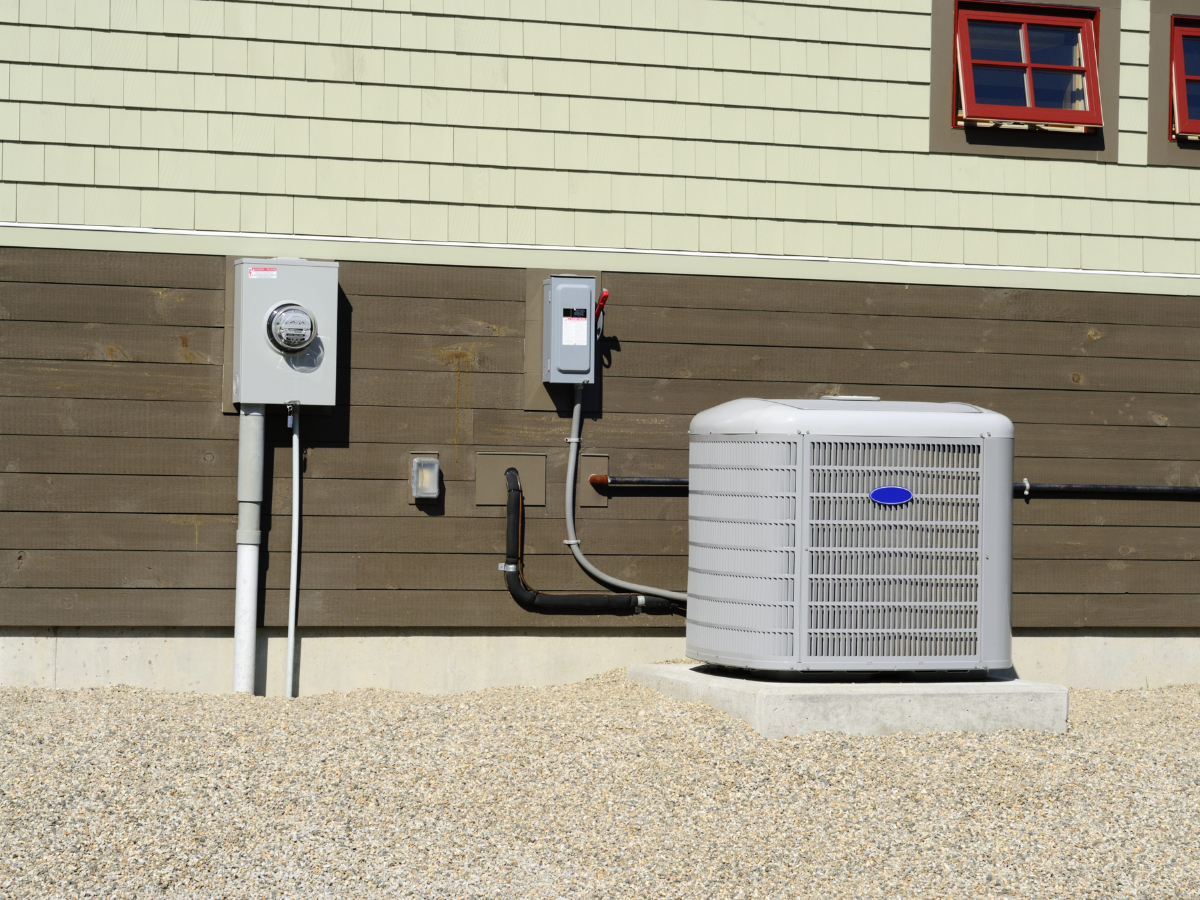
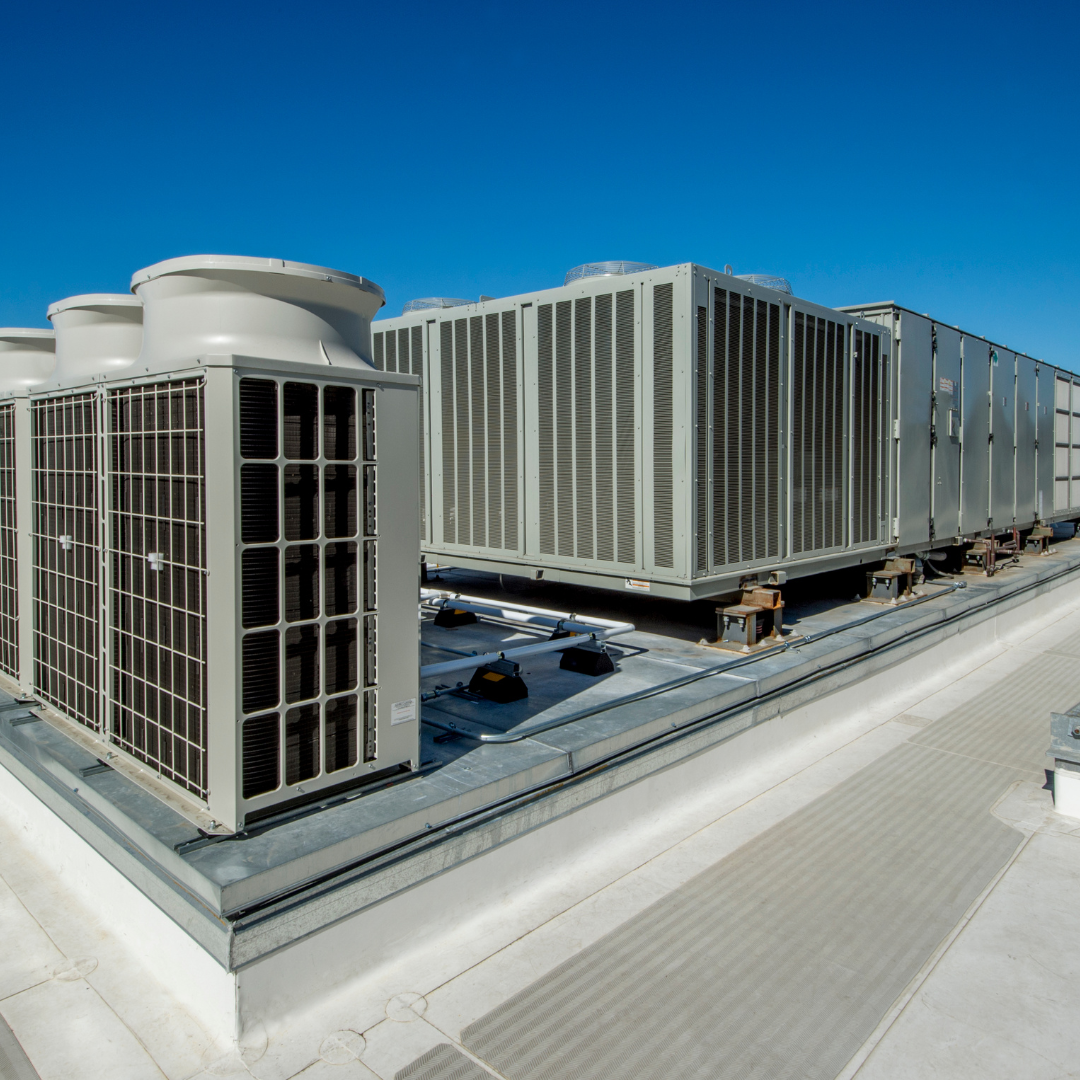
Dwelling coverage is the backbone of your insurance policy. It protects the physical structure of your home, including built-in appliances. Since central heating and cooling system insurance is tied to the dwelling, your outdoor condenser and indoor air handler are protected against major disasters.
If a fire breaks out in your kitchen and the smoke or heat ruins your ductwork and AC unit, dwelling coverage steps in. To help visualize this, we suggest adding an HVAC system diagram here to show which components are considered part of the permanent structure.
Personal Property Coverage for Window and Portable AC Units
Not all cooling systems are bolted down. If you use window units or portable floor models, these are usually classified as "personal property" rather than part of the dwelling. This is a subtle but important distinction in AC unit insurance protection.
If a thief breaks into your home and steals a portable AC unit, you would file a claim under your personal property coverage. The reimbursement might be based on actual cash value (depreciated) or replacement cost, depending on your specific policy terms.
Equipment Breakdown Coverage and Home Warranty Options
Since standard insurance excludes mechanical failure, many homeowners opt for equipment breakdown coverage. This is often an affordable endorsement or "rider" you can add to your existing policy. It bridges the gap by covering electrical or mechanical failures that aren't caused by outside forces.
Alternatively, a home warranty plan is a separate contract that covers repairs due to age and normal use. Adding a coverage comparison chart here would be a great way to show the differences between standard insurance, equipment breakdown riders, and home warranties.
Steps to File an HVAC Insurance Claim Successfully
If you believe you have a valid claim, acting quickly is vital. Follow these steps to improve your chances of approval:
- Document the damage: Take clear photos and videos of the unit and the cause of damage.
- Prevent further loss: If a pipe is leaking, turn off the water, but do not throw away any broken parts. Understanding common ac leaking water causes can help you explain the situation more clearly to your adjuster.
- Contact Air Master Inc.: Get a professional assessment and a written repair estimate.
- Review your policy: Check your deductible to see if the claim is worth filing.
- File the claim: Provide your insurer with the documentation and our professional diagnostic report.
Using a claim process infographic can help you keep track of these steps during a stressful situation.
Tips to Protect Your HVAC System and Avoid Claim Denials
The best way to handle an insurance claim is to prevent the need for one. Insurers often look for reasons to deny claims, and a "lack of maintenance" is their favorite excuse. By keeping a paper trail of professional service, you prove that you are a responsible homeowner.
- Schedule annual tune-ups: This creates a history of professional care.
- Keep the area clear: Ensure your outdoor unit has at least two feet of clearance from brush.
- Install surge protectors: Protect your HVAC insurance coverage by preventing electrical spikes.
Check your filters: Clean filters reduce strain on the motor and prevent overheating.
Does homeowners insurance cover HVAC replacement?
Yes, but only if the replacement is required due to a covered peril like fire, lightning, or a fallen tree. It does not cover replacement due to old age.
Is a broken air conditioner covered under homeowners insurance?
It depends on why it broke. If it broke because of a power surge during a storm, it might be covered. If it broke because a part wore out over time, it is usually not covered.
Does homeowners insurance cover HVAC leaks?
Insurance may cover the resulting water damage to your floor or drywall, but it rarely pays for the repair of the AC unit itself if the leak was caused by poor maintenance or a clogged drain line.
Are outdoor AC units covered by home insurance?
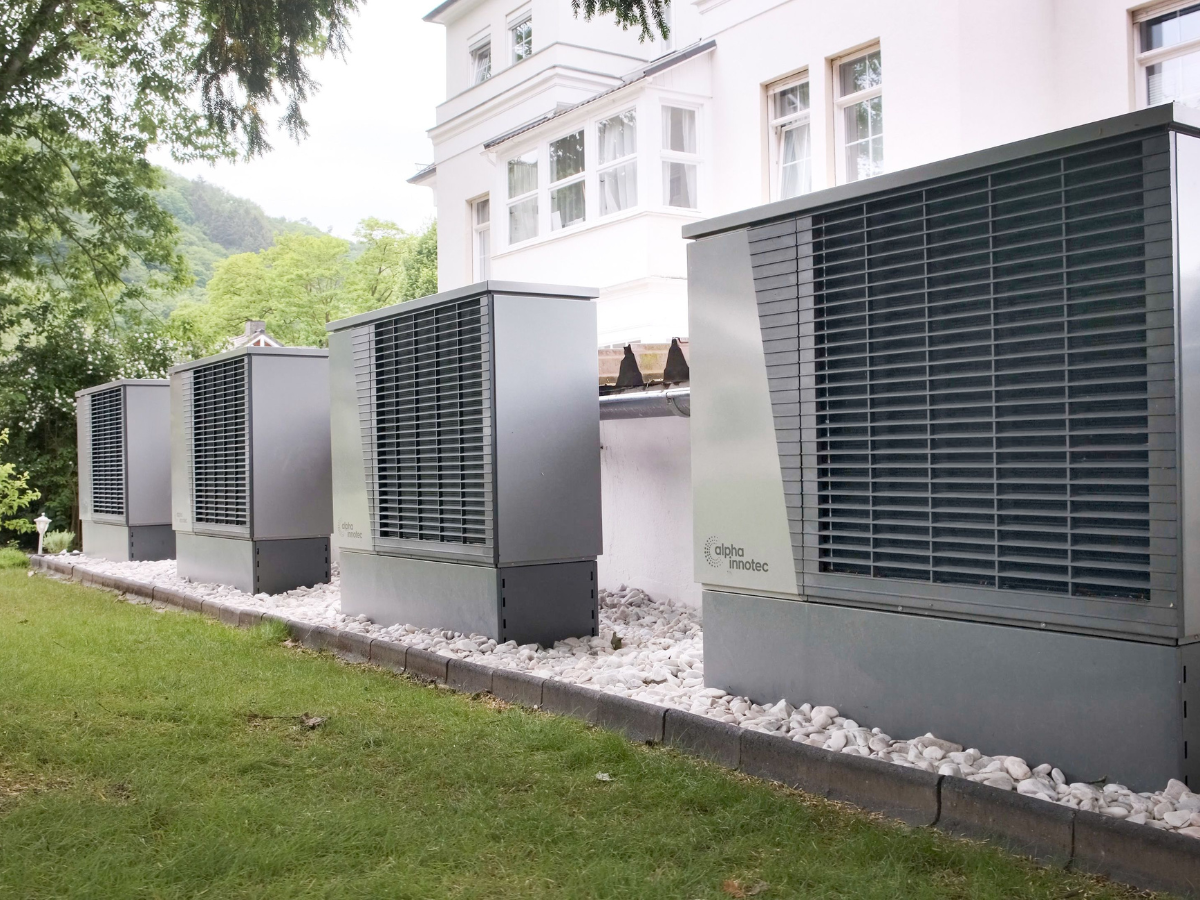
Yes, outdoor condensers are typically covered under dwelling coverage against theft, vandalism, and physical damage from covered storms.
Does insurance cover HVAC damage from power surges?
Many policies cover power surges if they are caused by a lightning strike. However, general surges from the utility grid may require a specific "Equipment Breakdown" rider.
Frequently Asked Questions
Conclusion
Understanding the limits of your homeowners policy is the first step toward total home protection. While insurance is there for emergencies, regular care from Air Master Inc. is what keeps your system running efficiently day in and day out. Don't wait for a breakdown to find out what your policy covers. We recommend scheduling a professional inspection to document the current health of your system. This documentation can be invaluable if you ever need to prove the condition of your unit for an HVAC insurance coverage claim.
Are you worried about the age or performance of your system? Schedule a maintenance visit with Air Master Inc. today or contact our experts to learn more about protecting your investment. We are here to ensure your home stays cool and your claims get approved by providing the professional documentation you need for your air conditioner insurance.