BLOGS
What Is a Plenum in HVAC?
A plenum is a critical air distribution chamber in your HVAC system. Acting as a central hub, it collects and directs heated or cooled air into your ductwork. Without a properly designed plenum, your system can't circulate air efficiently, leading to uneven temperatures and higher energy bills. This guide will break down everything you need to know about this essential HVAC plenum box, from its basic function to the different types and common problems you might encounter. Understanding the plenum is the first step toward better HVAC airflow management and improved indoor air quality.
What Is a Plenum in HVAC and Why It Matters
A plenum is an air distribution chamber connected directly to your main HVAC unit, such as the furnace or air handler. Its primary job is to receive conditioned air from the unit and distribute it evenly into the ductwork that runs throughout your house. Think of it as a grand central station for air. The air handler creates the warm or cool air, pushes it into the plenum, and the plenum then directs that air down the various 'tracks'—your ducts—to reach every room.
Why does it matter? A well-designed plenum ensures balanced airflow, preventing situations where one room is too hot while another is too cold. It's critical for the overall efficiency of your HVAC system. A poorly sized or leaky plenum can lead to wasted energy, higher utility bills, and unnecessary strain on your air conditioning system. To maximize performance, modern setups often integrate an erv system to exchange stale indoor air with fresh outdoor air without losing the energy used to heat or cool the space.
How a Plenum Works Inside an HVAC System
The process is straightforward but vital for your HVAC air circulation system. Here’s a step-by-step look at how it functions:
Air Conditioning/Heating: Your furnace or air conditioner heats or cools a volume of air.
Pressurization: The blower fan in the air handler pushes this conditioned air into the first plenum, known as the supply plenum. This creates a high-pressure area inside the box. To manage this motor speed and pressure efficiently, some systems utilize a vfd hvac component to vary the frequency and voltage of the power.
Distribution: This pressurized air seeks a way out, and it finds it through the various ducts connected to the plenum. The plenum's large size ensures that air is distributed at a consistent pressure and volume across all the ducts.
Circulation: As the conditioned air flows into your rooms, it displaces the existing, stale air. This air is then pulled back toward the HVAC unit through another set of ducts and into a second plenum, the return plenum.
Supply Plenum vs. Return Plenum – Understanding the Difference
Your HVAC system uses two distinct plenums to manage the complete air cycle. Understanding the difference between the supply plenum and the return plenum is key to grasping how your system achieves continuous circulation.
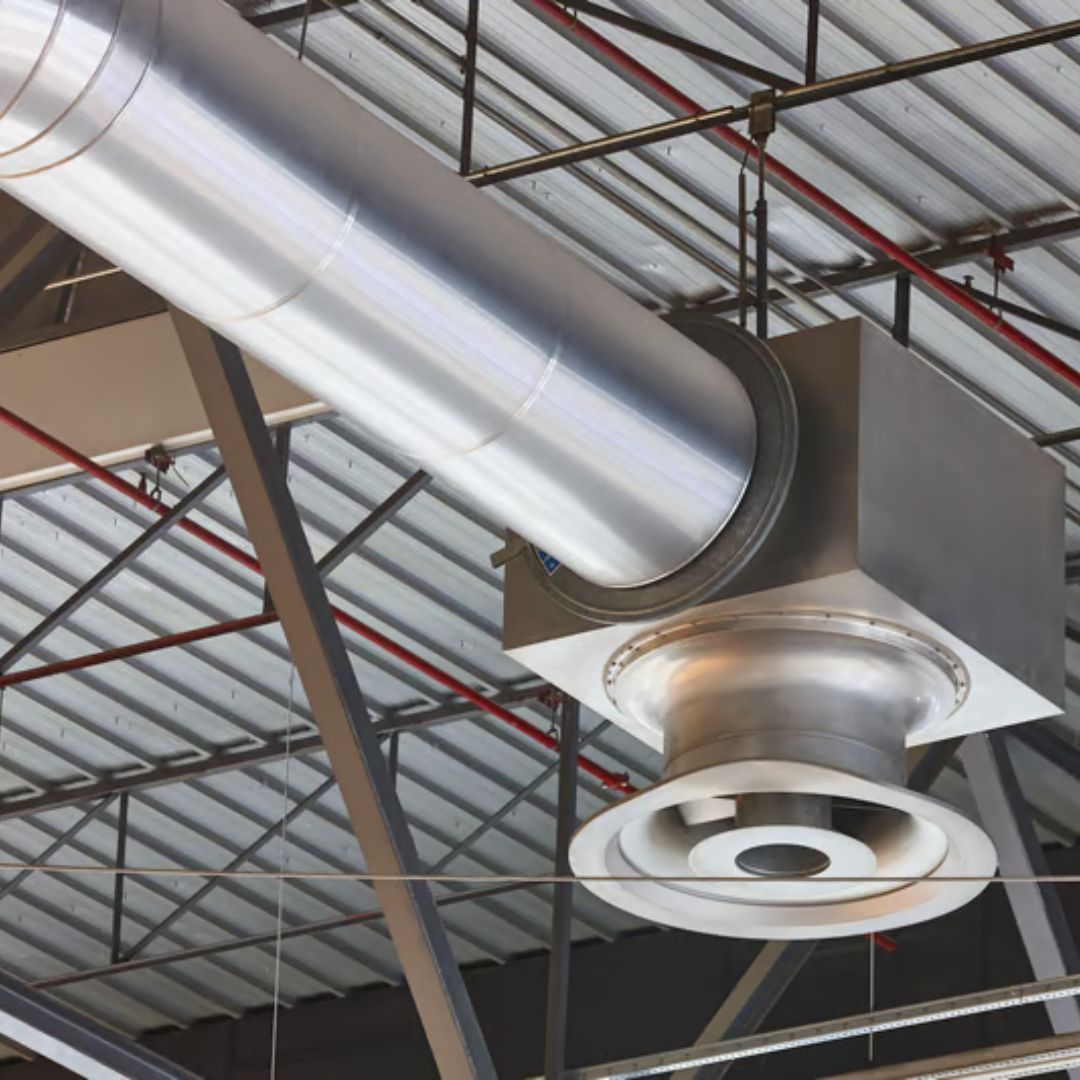
Supply Air Plenum: This is the 'sending' box. It's attached to the output side of your air handler or furnace. Its job is to take the freshly heated or cooled air and push it out into the ductwork system that supplies your home with comfortable air. It's a high-pressure chamber that acts as the starting point for your home's conditioned airflow.
Return Air Plenum: This is the 'receiving' box. It's connected to the input side of your HVAC unit. It pulls stale, unconditioned air from your rooms through the return ducts. This air then passes through a filter before entering the air handler to be heated or cooled again. The return plenum is a low-pressure chamber that completes the air circulation loop.
Where Is the Plenum Located in a Typical HVAC Setup?
You will find the plenums directly connected to your central HVAC unit. The exact location depends on where your air handler or furnace is installed.
Supply Plenum: Look for a large metal box attached to the main outlet of your furnace or air handler, where the main ducts begin their journey through your home.
Return Plenum: This box is attached to the inlet side of the unit, often located just before the air filter compartment.
Common locations for the entire assembly, including the plenums, are in a basement, attic, crawlspace, or a dedicated utility closet.
Materials Used for HVAC Plenum Boxes
HVAC plenums, sometimes called HVAC duct connection boxes, must be durable and well-insulated. They are typically constructed from a few common materials:
Sheet Metal (Galvanized Steel or Aluminum): This is the most common material. It's durable, long-lasting, and resistant to mold growth. Metal plenums are often wrapped in external insulation to prevent energy loss.
Fiberglass Duct Board (FDB): This material consists of rigid fiberglass panels with a foil exterior. It offers built-in insulation, which can improve efficiency and reduce noise. However, it can be susceptible to damage and potential fiber erosion if not properly maintained.
Wood or Drywall: In some older systems, you might find plenums constructed from wood or drywall. This is no longer a standard practice, as these materials are more prone to mold, moisture damage, and fire risks.
Key Benefits of a Properly Designed HVAC Plenum
A correctly sized and sealed plenum is more than just a box; it's a cornerstone of an efficient HVAC system. The key benefits include the following:
Improved Energy Efficiency: By preventing air leaks and ensuring smooth airflow, a proper plenum reduces the workload on your HVAC unit, lowering energy consumption. This plays a significant role in maintaining a high seer hvac rating for your overall system.
Enhanced Comfort: It guarantees balanced air distribution, leading to consistent temperatures throughout your home and eliminating hot or cold spots.
Better Indoor Air Quality: A sealed plenum prevents dust, debris, and allergens from unconditioned spaces (like attics or crawlspaces) from being pulled into your airflow.
Longer System Lifespan: By allowing the system to operate as intended, a well-designed plenum reduces wear and tear on the blower motor and other critical components.
Common HVAC Plenum Problems and How to Fix Them
Even the best systems can have issues. Here are some common plenum problems:
Air Leaks: Seams and connections can develop leaks over time, wasting energy. These can be sealed with mastic sealant or specialized foil tape.
Improper Sizing: A plenum that is too small can restrict airflow, causing noise and inefficiency. One that is too large can lead to poor air velocity. This issue requires professional assessment and potential replacement.
Dirt and Debris: The return plenum can accumulate dust and debris, especially if filters aren't changed regularly. This restricts airflow and harms indoor air quality. Professional duct and plenum cleaning is the best solution.
Poor Insulation: An uninsulated or poorly insulated plenum, especially in an unconditioned space, can lead to significant energy loss. Adding or improving insulation can fix this.
HVAC Plenum Sizing and Design Best Practices
Proper plenum sizing and design are not a DIY job. They require precise calculations based on your HVAC unit's capacity (measured in
cfm hvac, or cubic feet per minute), the size of your home, and the layout of your ductwork system. A professional technician will follow industry standards to ensure the plenum is built to optimize airflow, minimize pressure drop, and maximize efficiency.
Frequently Asked Questions
What is the purpose of a plenum in HVAC?
The primary purpose of a plenum is to serve as a central chamber to distribute conditioned air from the HVAC unit into the ductwork or to collect return air from the house to be reconditioned.
What are the two types of HVAC plenums?
The two types are the supply plenum, which distributes heated or cooled air to the house, and the return plenum, which pulls stale air back into the HVAC unit.
Where is the plenum located in an HVAC system?
The plenums are large boxes connected directly to the main air handler or furnace, typically found in a basement, attic, or utility closet.
What materials are HVAC plenums made from?
They are most commonly made from sheet metal (like galvanized steel) or insulated fiberglass duct board.
Is a plenum the same as ductwork?
No. A plenum is the large box that connects the HVAC unit to the ductwork. The ductwork is the network of smaller tubes or channels that transport the air from the plenum to the individual rooms.
Conclusion
Understanding the components of your HVAC system, like the plenum, is crucial for maintaining a comfortable and efficient home. A properly designed, sealed, and maintained plenum ensures your system runs smoothly, saves you money on energy bills, and provides clean air for your family. If you suspect issues with your system's airflow or want to know more about what a plenum in HVAC can do for your home's efficiency, it's time to call the experts. Contact Air Master Inc. today for a professional inspection and service you can trust.