BLOGS
How Much to Install Central Air?
Investing in a central air conditioning system is one of the most significant upgrades you can make for your home. It provides consistent cooling and improves indoor air quality throughout every room. While some homeowners also consider a split system ac for targeted cooling, understanding the financial commitment is essential before you begin the process of a professional HVAC installation.
Most homeowners find that the total price ranges significantly based on several variables. On average, you might spend anywhere from $5,000 to over $12,000 for a complete setup. This range covers the equipment, labor, and necessary permits required to ensure a code-compliant cooling system.
How Much Does a Central Air Installation Cost on Average?
While the national average often hovers around $7,000, your specific needs will dictate the final invoice. A small residential property requiring a basic condensing unit will sit at the lower end of the spectrum. Conversely, a large multistory house needing extensive modifications will reach the higher end.

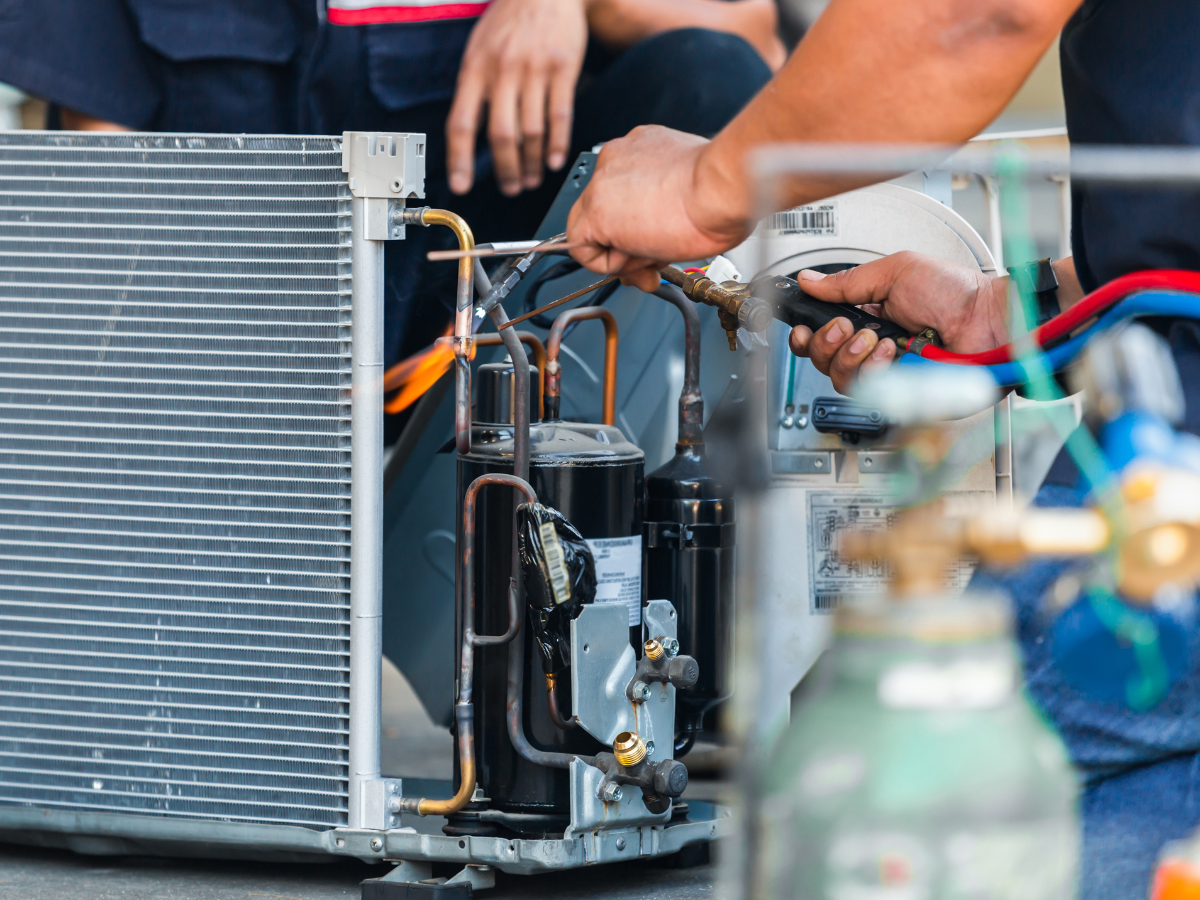
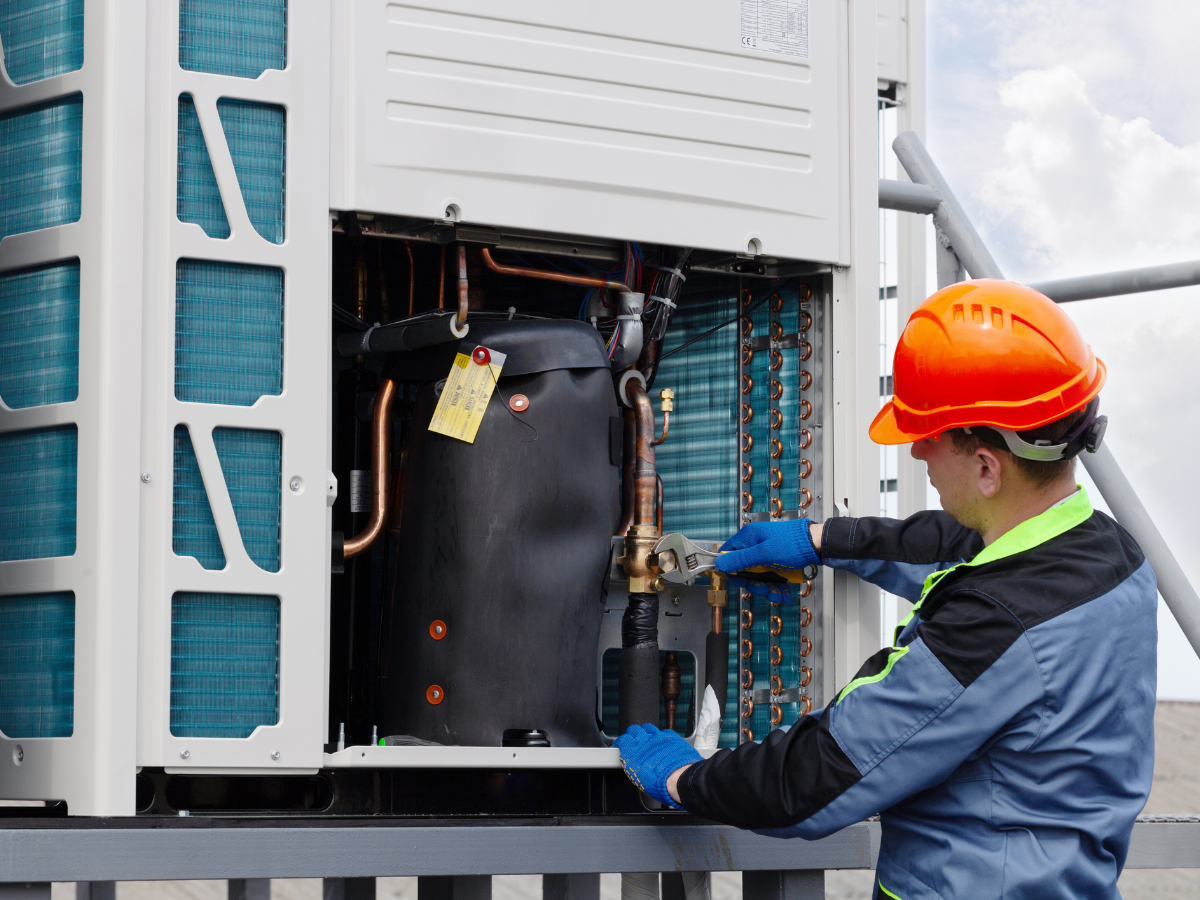
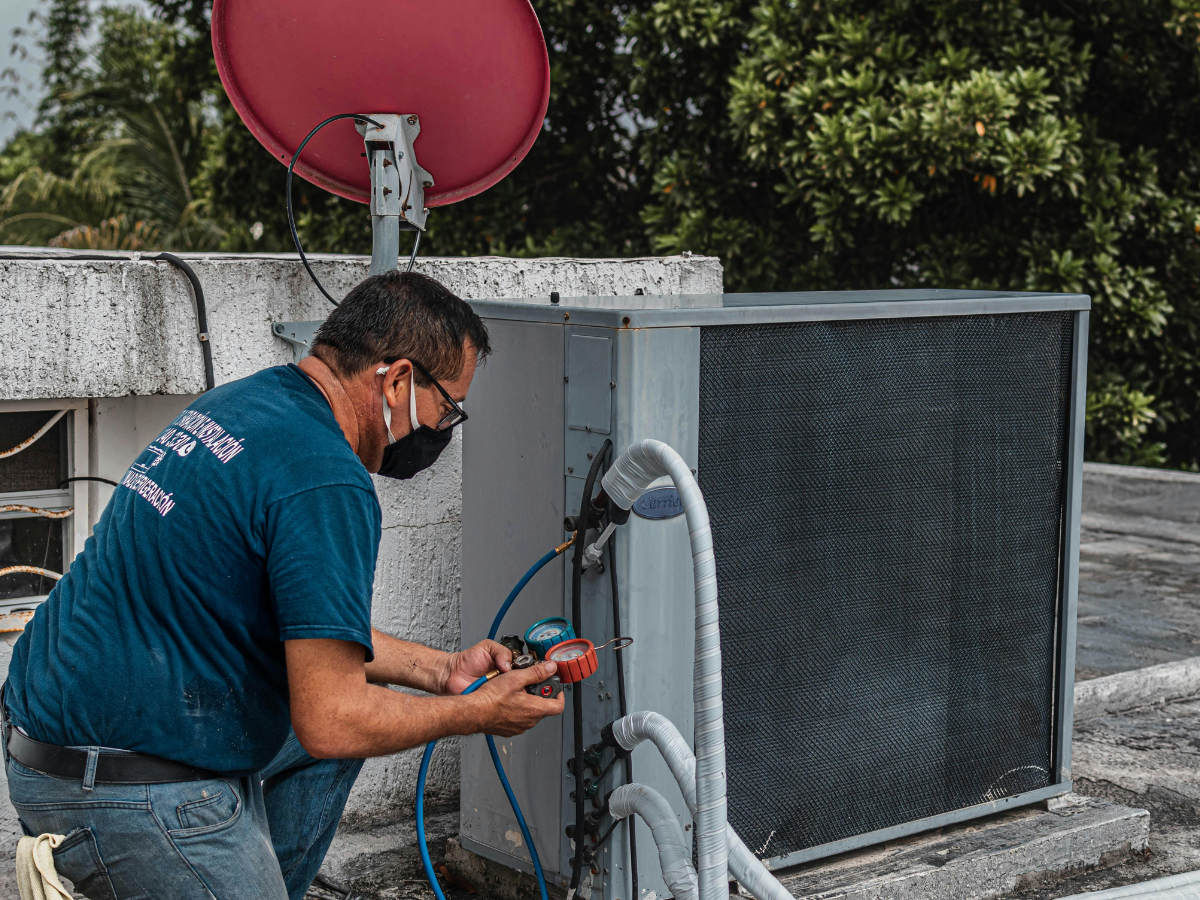
Labor costs typically account for a large portion of the total budget. Hiring a licensed HVAC technician ensures that the system is charged with the correct amount of refrigerant and that all electrical connections are secure. Quality workmanship prevents future breakdowns and ensures the manufacturer warranty remains valid.
Which Main Factors Impact the Price of Your New AC System?
Several elements dictate the final price of your project beyond just the unit itself. The SEER2 rating is a primary factor because higher-efficiency models cost more upfront. However, these units often qualify for federal tax credits and lower your monthly utility bills significantly.
The complexity of the installation also plays a major role. If your home requires a new electrical panel or structural reinforcements for the outdoor compressor, the price will increase. It’s also important to consider factors like ac power consumption watts, as energy usage can impact your long-term operating costs. Local permit fees and disposal charges for your old equipment are also standard additions to the final quote.
What Are the Different Types of Central Air Units Available?
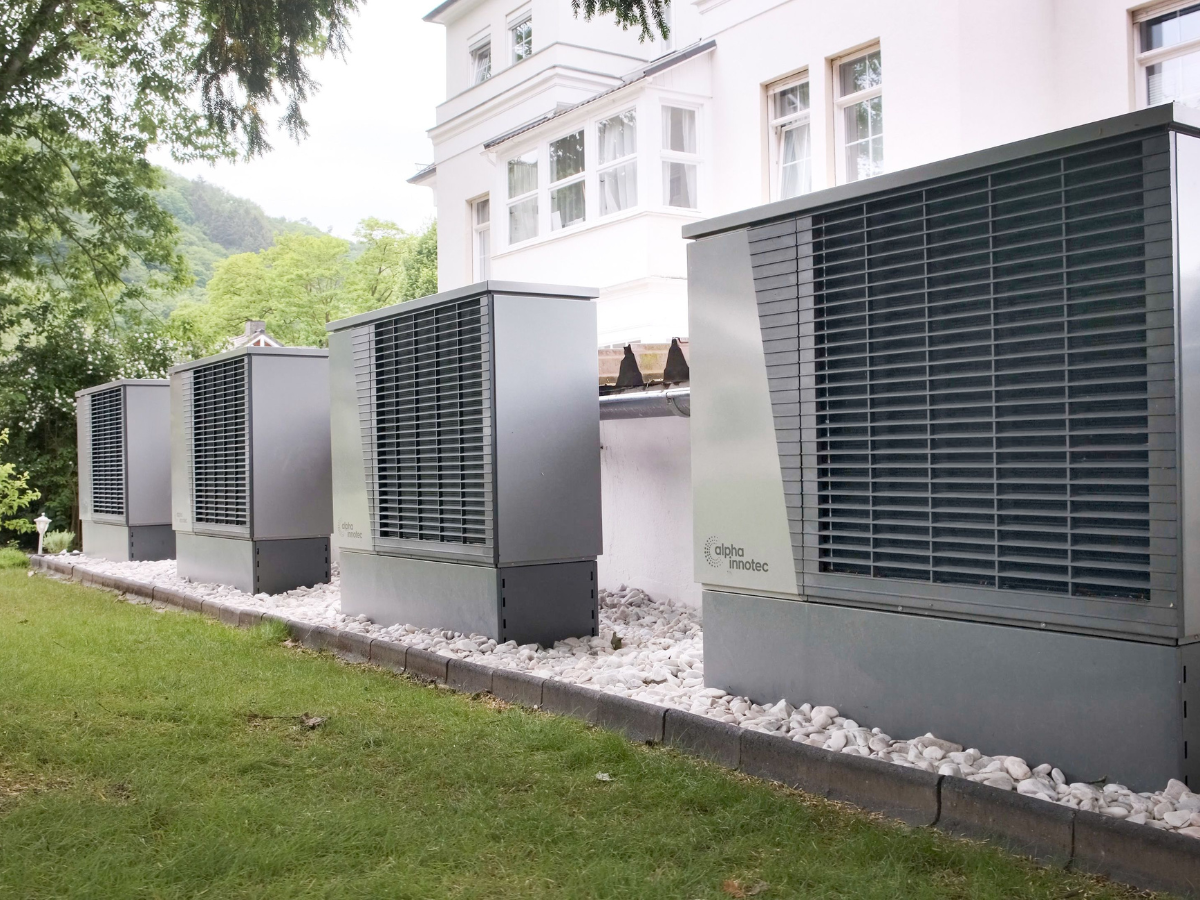
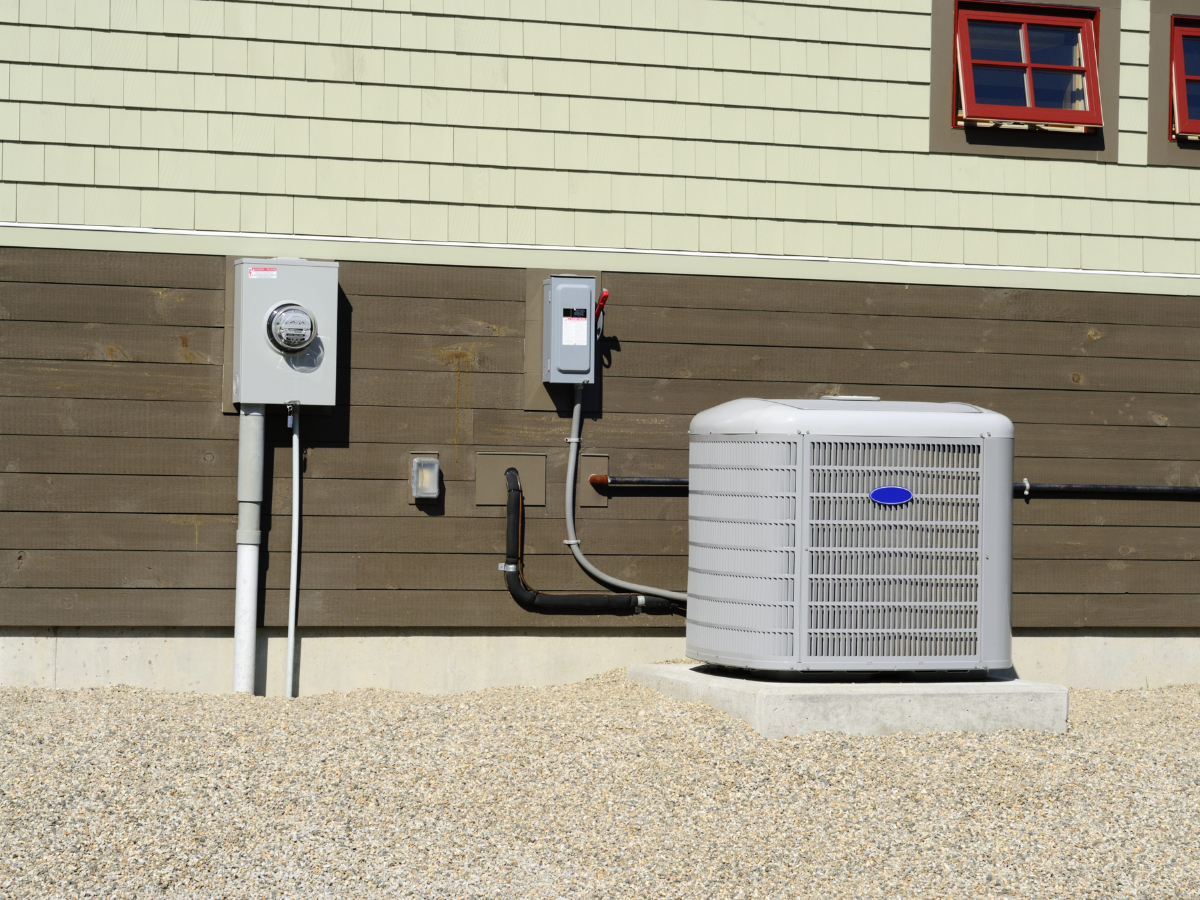
You have several options when selecting a new system for your property. A split system is the most common choice where the evaporator coil is inside and the compressor is outside. This setup is reliable and works well for homes that already have a furnace and existing air ducts.
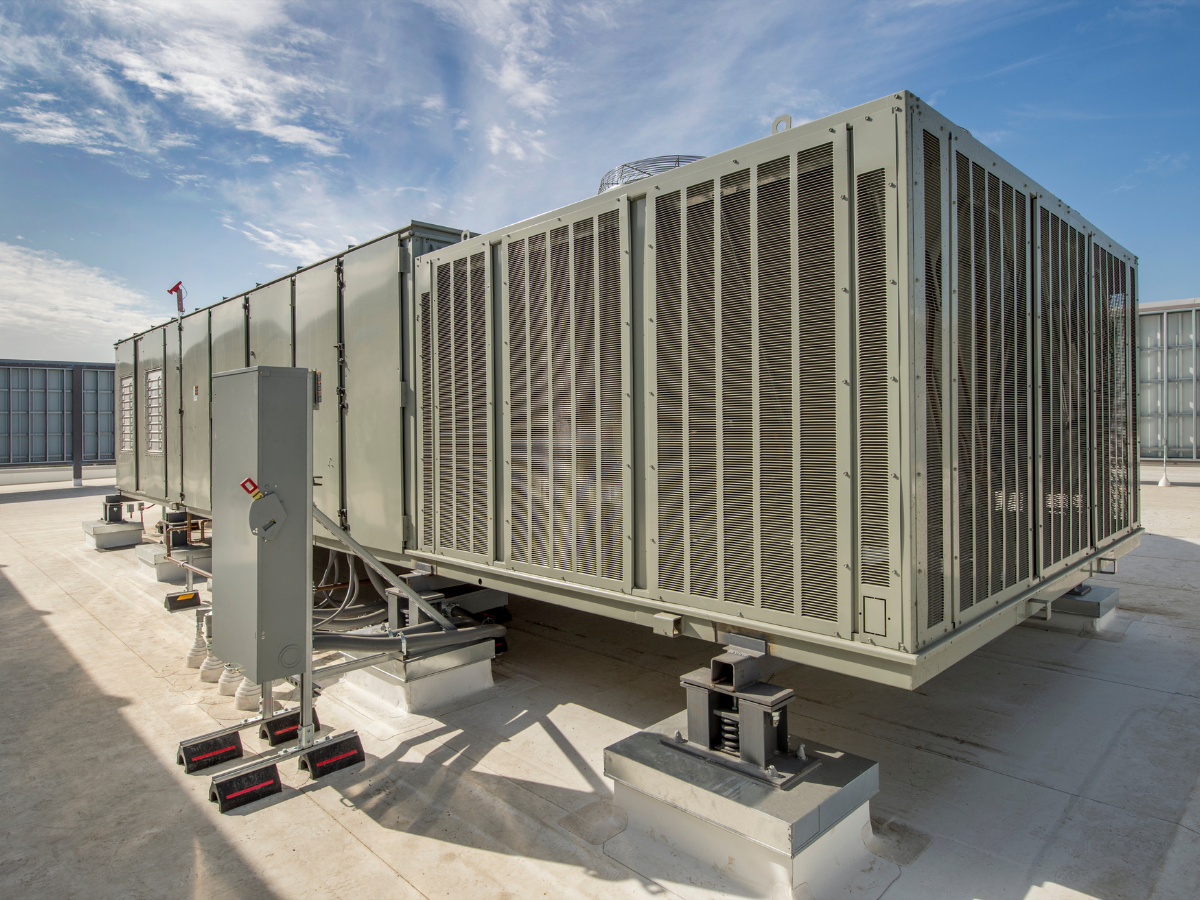
A packaged terminal air conditioner is another option where all components are housed in one outdoor cabinet. These are often used in homes with limited indoor space. Effective HVAC project planning helps ensure the right HVAC configuration is selected based on your current architecture and specific cooling goals for the summer months.
How Does the Size and Square Footage of Your Home Affect Pricing?
The size of the unit is measured in tons, and it must match the cooling load of your home. A Manual J calculation is the industry standard used to determine the exact size you need. Proper sizing helps avoid performance issues and unnecessary HVAC replacement cost in the future.

On the other hand, an oversized system will cycle on and off too quickly. This leads to uneven temperatures and high humidity levels inside. A three-ton AC unit is a common size for average American homes, but a professional assessment is the only way to be certain. Proper sizing is one of the most important steps in any HVAC Broken Arrow installation project.
Are There Additional Costs for Ductwork Repair or Replacement?
If your home does not have existing vents, the cost to install custom ductwork can double your project budget. Even if you have ducts, they may need sealing or cleaning to ensure your central AC install operates at peak performance. Leaky ducts can waste up to 30 percent of your cooled air.
Evaluating the ventilation system is a critical step during the initial consultation. Technicians look for gaps, debris, or collapsed sections that could hinder airflow efficiency. Investing in duct repair now ensures your new central air system does not work harder than necessary.
What Are the Long-Term Benefits of Investing in High-Efficiency Units?
Opting for a high Energy Star rating might seem expensive today, but the long-term savings are substantial. Modern units use advanced inverter technology to modulate cooling power. This results in a more stable indoor climate and less wear and tear on the internal components, especially when paired with a properly designed central air setup.
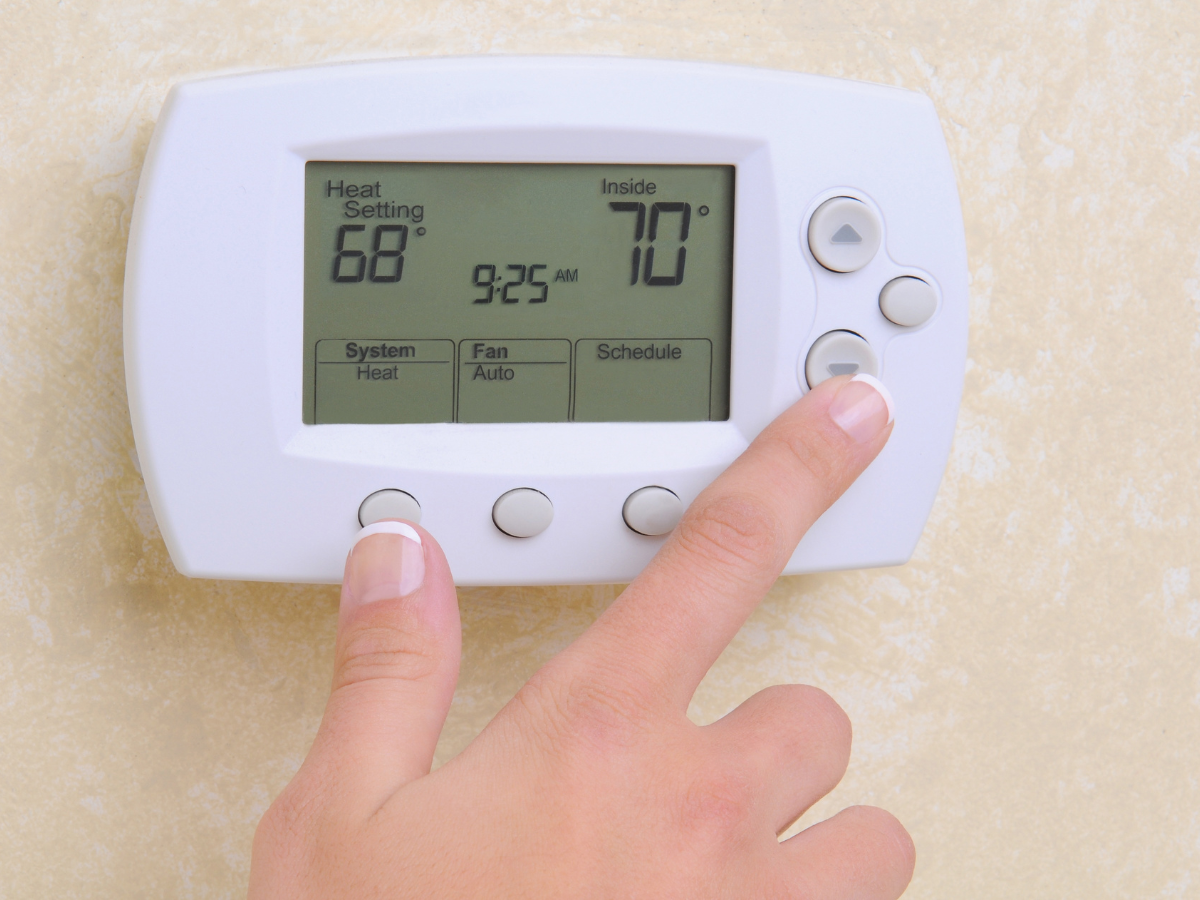
Beyond the energy savings, high-efficiency systems often come with better smart thermostat compatibility. This allows you to manage your home temperature from your phone and track your energy usage in real time. Better humidity control also protects your wood flooring and furniture from moisture damage. Higher HVAC efficiency ratings are another key advantage, helping reduce energy consumption and operating costs over time.
How Can You Choose the Best HVAC Contractor for the Job?
The quality of the installation is just as important as the brand of the equipment. You should always look for a company with a proven track record of residential cooling services. Check for valid insurance and positive customer reviews to ensure you are working with a reputable team.
A reliable contractor provides a detailed written estimate that breaks down every cost, helping homeowners better understand their HVAC installation cost. They should be willing to explain the benefits of different tonnage options and help you navigate local rebates.
Frequently Asked Questions
How long does a central air installation typically take?
Most standard installations are completed within one to two days. If your project requires brand new ductwork or significant electrical upgrades, it may take up to a week to finish the entire process.
Can I install central air without existing ducts?
Yes, you can install a high-velocity system or a series of mini-splits if your home lacks traditional vents. However, adding a full central system with new ducts is possible and often adds significant resale value to your property.
When is the best time of year to replace an AC unit?
The off-season months of spring and fall are usually the best times to schedule a replacement. Contractors often have more availability during these windows, and you might find special seasonal discounts on equipment.
How long will a new central air system last?
A well-maintained system generally lasts between 15 and 20 years. Regular annual HVAC maintenance and changing your filters every month are the best ways to extend the lifespan of your investment.
Does a new central air system add value to my home?
Adding central air is one of the most effective ways to increase your home value. Most buyers consider a modern central cooling system a must-have feature, often providing a high return on investment at the time of sale.
Conclusion
Upgrading to a central air system is a smart move for your comfort and your finances. While the initial cost involves several factors, the benefits of reliable cooling and lower energy bills are worth the investment. You deserve a home that remains a cool sanctuary regardless of the temperature outside.
At Air Master Inc., our team specializes in providing precise installations tailored to your specific needs. We handle everything from the initial load calculation to the final system testing. Contact us today for a professional consultation and a detailed
installation estimate for your new central air system.