BLOGS
Furnace Igniter or Pilot Light Problems: Causes & Fixes
A furnace igniter that fails to light is one of the most common reasons a gas furnace blows cold air or shuts off right after it starts. The cause is usually a worn, cracked, or dirty part, though a dirty flame sensor can look the same. Here is how to spot the problem, what you can safely check, and when to stop and call a technician.
How Does a Furnace-Igniter Work?
A furnace igniter lights the gas so the burners can fire. Most modern furnaces use either a hot surface igniter, which glows bright orange before the gas valve opens, or an intermittent pilot, which uses a spark to light a small pilot flame. Older furnaces may have a standing pilot light that burns all the time.
The style matters because each one fails differently. Hot surface igniters are fragile and commonly last about 3 to 7 years. A standing pilot tends to blow out, while an electronic ignition tends to stop heating or stop sparking.
What Are the Signs of a Failing Furnace Igniter?
The clearest sign is a furnace that tries to start but never produces flame. You may hear the blower or a click, then nothing, and the house slowly cools.
Watch for these patterns:
- The igniter never glows, or glows, but the burners stay dark.
- The burners light for a moment, then shut off.
- Repeated clicking or restart attempts
- The blower runs, but only cool air comes out.
- A loud whoosh or bang at startup, which points to delayed ignition
- Flashing error codes or a furnace that locks out
Air Masters Inc. lists a heating system that will not stay lit or will not light among the common heating problems on its
heater repair and installation.

What Causes Furnace-Igniter and Pilot Light Problems?
Age, dirt, and electrical trouble cause most ignition failures. Because several parts work together, the igniter isn't always to blame.
- Normal wear. Igniters heat and cool thousands of times and eventually crack.
- Dust and soot. Buildup on the igniter, burners, or flame sensor interferes with ignition.
- A dirty flame sensor. This small rod confirms that a flame is present. If it is coated, the furnace shuts the gas off even though the igniter works.
- Wiring and power problems. Loose connections, power surges, or incorrect voltage can stop the sequence.
- Moisture and skipped maintenance. Both shorten the life of ignition parts.
That is why replacing the igniter doesn't always fix the problem. A technician tests the whole ignition sequence before deciding which part failed.
What Can You Safely Check Before Calling for Service?
Stick to the basics, and never open the furnace cabinet to handle internal parts. The igniter is delicate, and the surrounding parts carry electricity and gas.
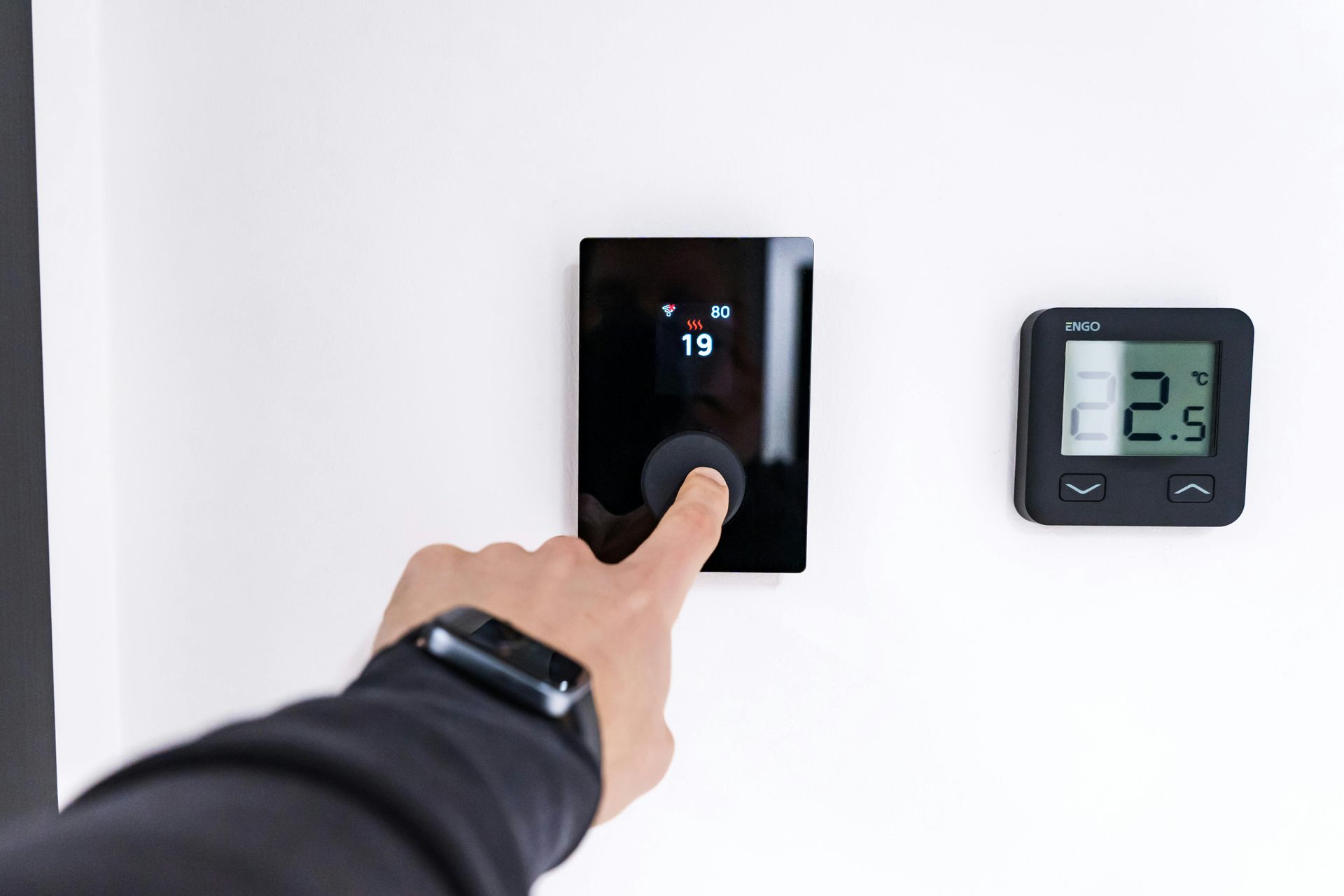
- Confirm the thermostat is set to heat and the target is above the room temperature.
- Check that the furnace power switch is on and the breaker has not tripped.
- Look at the air filter. A badly clogged filter can cause the furnace to shut down.
- Check whether other gas appliances in the home work.
Do not reset the furnace repeatedly if it keeps locking out. Repeated restarts add strain to the ignition system.
A light burning smell during the first heating cycle of the season is often dust burning off. A strong or lasting burning smell, or any smoke, means turn the furnace off and call a licensed technician. If you smell natural gas, leave the home right away and call your gas utility or 911 from outside. Do not try to relight a pilot.
When Should You Call an HVAC Professional?
Call when basic checks don't restore heat, the igniter looks cracked or discolored, the furnace keeps locking out, or you notice any gas odor. A technician can safely test the igniter, flame sensor, gas valve, and control board.
Air Masters Inc. provides furnace repair, and its HVAC repairs covers heating and cooling problems for homes in the Tulsa area. Routine HVAC maintenance includes inspecting heating elements and checking electrical connections to catch ignition wear before the first cold night.
Conclusion
A furnace-igniter problem usually shows up as a furnace that clicks, glows, or starts and then quits. Check the thermostat, power, and filter, leave internal parts alone, and treat any gas smell as an emergency. If the furnace still will not light,
contact Air Masters Inc. for inspection.
Frequently Asked Questions
Can I replace a furnace igniter myself?
It is best to leave this to a professional. The igniter is fragile, and the work involves electrical and gas components. A technician can also confirm the igniter is the actual cause.
How do I know if it is the igniter or the flame sensor?
If the igniter glows and the burners light briefly before shutting off, a dirty flame sensor is a common suspect. If the igniter never glows, the igniter itself is more likely. A technician can test both.
How long does a furnace-igniter last?
Hot surface igniters commonly last about 3 to 7 years, depending on use and conditions. Dirt, moisture, and power problems can shorten that.
Why does my furnace click but not light?
Clicking usually means the ignition sequence is trying to start. A worn igniter, a dirty flame sensor, or a gas supply issue can prevent the burners from lighting.
Is a pilot light that keeps going out dangerous?
It can be. Don't relight it if you smell gas, and call a professional if it keeps going out. A pilot that will not stay lit may point to a draft, a faulty sensor, or a gas supply problem.
Why does my furnace smell like burning the first time I use it each season?
Dust that settled on the heat exchanger and burners over the summer often burns off during the first cycle. The smell should fade quickly. If it is strong, lingers, or comes with smoke, shut off the furnace and call a technician.