BLOGS
Heat Pump Running Constantly in Cold Weather: Normal or a Problem?
Often it is normal. When a heat pump runs constantly in cold weather, the cause is usually physics and not failure. A heat pump moves heat from outdoor air into your home, and the colder it gets outside, the more slowly it can do that while the house loses heat faster.
Normal Behavior and Warning Signs
- Normal: Long, steady run times on the coldest days; Possible problem: Running nonstop on mild days.
- Normal: House holds temperature, if slowly; Possible problem: Temperature keeps falling below the setting.
- Normal: Steam rising from the outdoor unit; Possible problem: Thick ice that does not clear.
- Normal: Warm, not hot, air from vents; Possible problem: Cool air from vents for long periods.
- Normal: Brief switch to defrost mode; Possible problem: Loud grinding, banging, or clicking.
Why Long Run Times Are Normal
A furnace fires hard in short bursts. A heat pump works more gently and for longer, and that steady style helps it deliver even heat. Long cycles on freezing days are expected.
Think of a slow, steady heater compared with a fast, brief one. Both can warm a house, but the slow one takes more hours.
If your heat pump runs constantly in cold weather but the house stays comfortable, the system is likely doing its job.
How Cold Is Too Cold for a Heat Pump?
A heat pump gives up some output as the outdoor temperature falls. Past a certain outdoor temperature, called the balance point, it cannot meet the home’s heat loss alone, and backup heat helps.
Newer cold-climate models hold their output at lower temperatures than older ones. Your installer can tell you where your own equipment falls.
Does Your Home Have a Dual-Fuel Setup?
Some homes pair a heat pump with a gas furnace. The heat pump handles mild weather, and the furnace takes over when it gets very cold.
In that setup, the heat pump runs constantly in cold weather until it reaches the switchover temperature, and that is by design. Ask what temperature your system is set to change over.
Defrost Mode and Steam
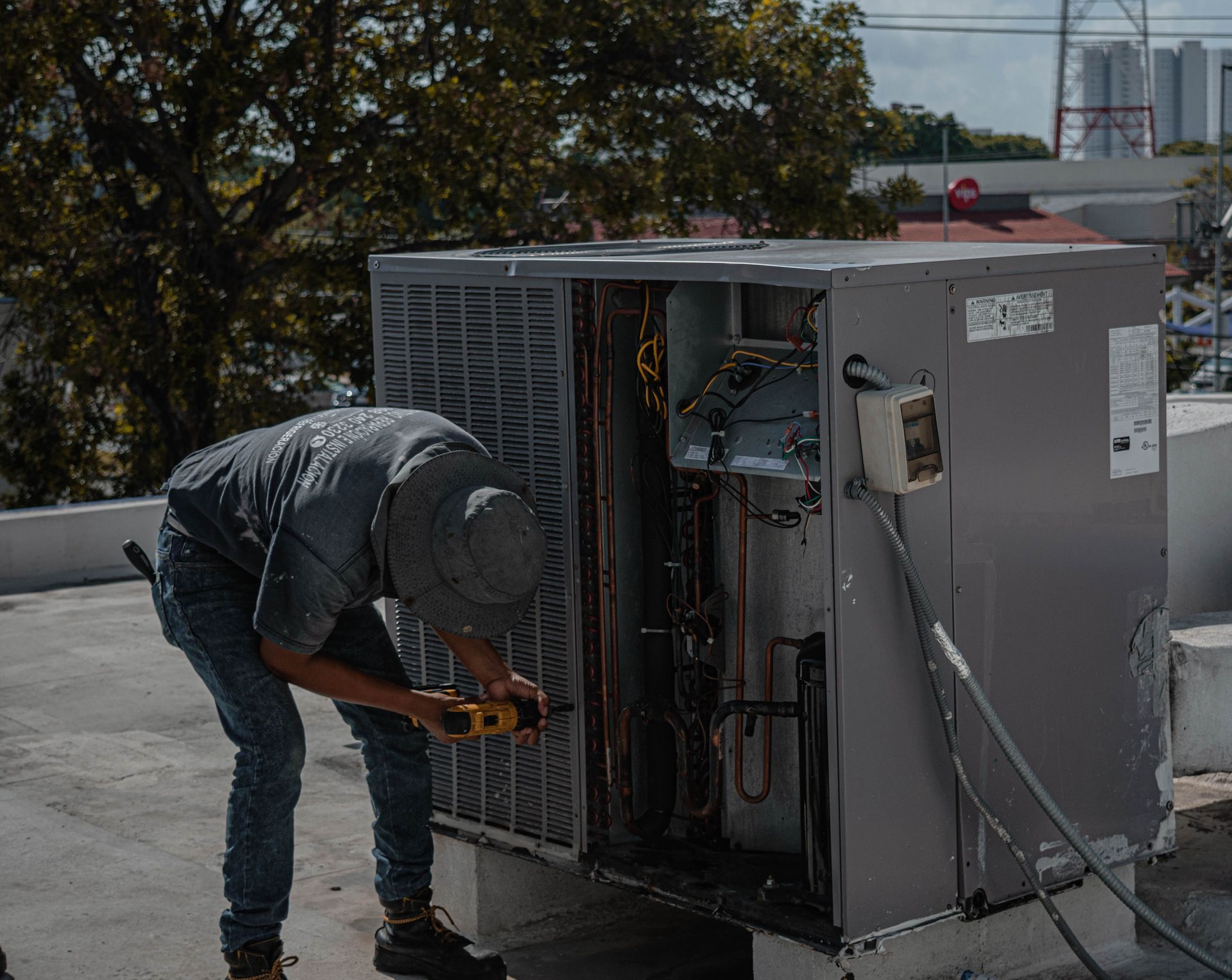
Frost builds on the outdoor coil when it is cold and damp. To clear it, the heat pump briefly reverses direction, melts the frost, and then resumes heating. This usually takes a few minutes, and the outdoor unit may steam during it.
That steam is melting frost, not smoke. The system may blow cooler air indoors briefly during defrost.
Auxiliary Heat Versus Emergency Heat
Many heat pumps have electric backup, called auxiliary heat. It joins in when the pump alone cannot keep up, such as after a big thermostat jump. It is normal in short stretches but costs more to run.
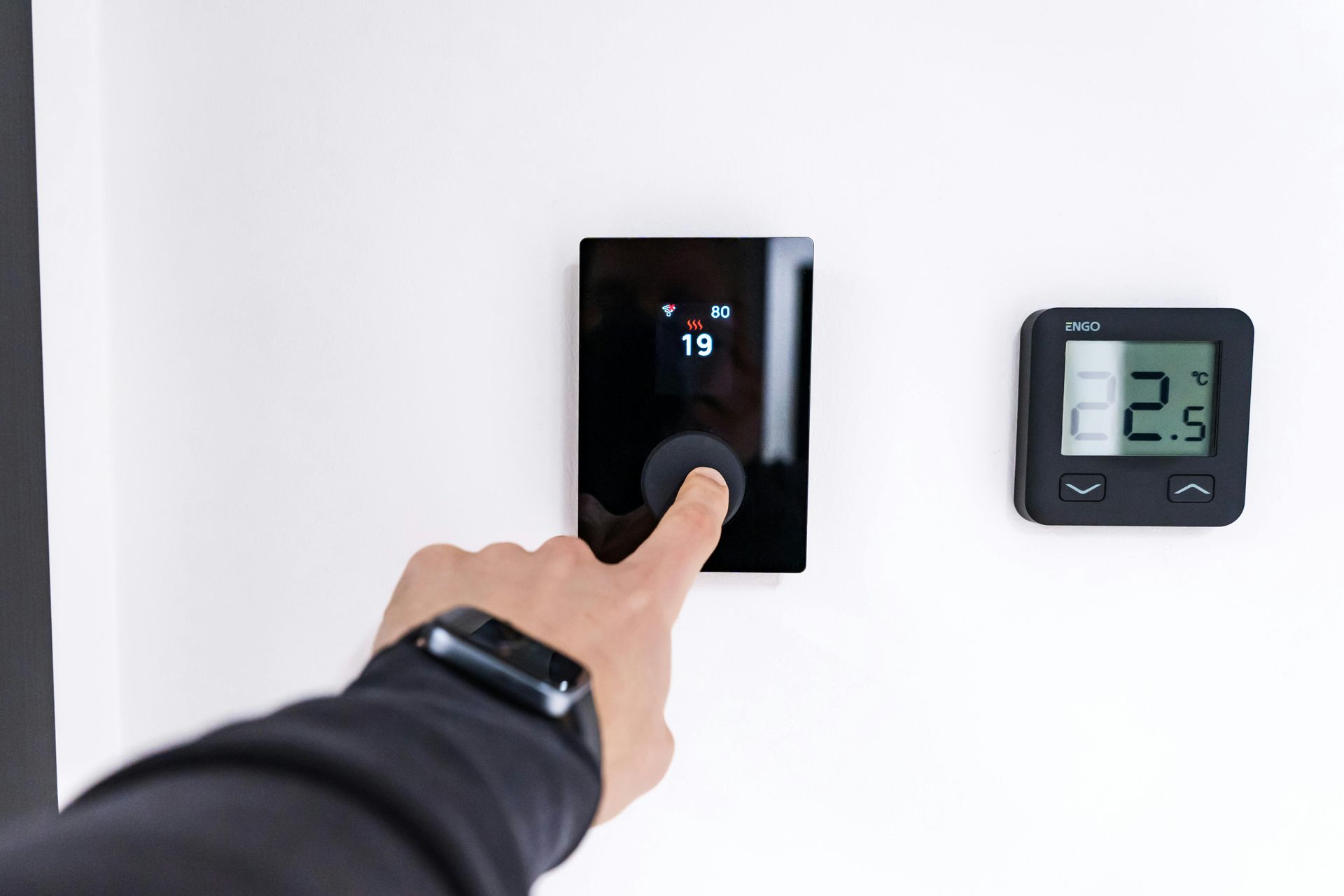
Emergency heat is a manual setting that turns the heat pump off and uses only backup heat. Use it only if the heat pump itself has failed. A thermostat display that reads AUX or EM HEAT shows which mode is active, so check it before you worry about the bill.
Signs of a Real Problem
- The house falls well below the thermostat setting for hours.
- Ice keeps growing and never clears.
- Auxiliary heat runs on mild days.
- Heating bills jump with no weather change.
- Strange noises, burning smells, or frequent shutoffs appear.
A dirty filter, low refrigerant, or a failing part can cause these.
Note the date, the outdoor temperature, and what the thermostat shows, and photograph the outdoor unit. Those details help a technician quickly tell whether the cause is ice, airflow, or controls.
What a Technician Looks At
When a heat pump needs attention, a technician typically checks several things.
- Refrigerant charge and signs of leaks
- The outdoor coil for dirt and ice
- The defrost controls and reversing valve
- How the backup heat stages on
- Airflow through the filter, ducts, and indoor coil
Each can cause long run times, and a quick inspection usually narrows the list.
Is Your Thermostat Fighting the Heat Pump?
Big setbacks hurt heat pumps. If you drop the temperature several degrees overnight, the system faces a long climb in the morning and often calls on electric backup to catch up.
A steady setting, or a gentle change of a couple of degrees, usually works better and costs less to run.
What You Can Do Today
- Check the filter and replace it if it is dirty.
- Clear leaves, snow, and debris from around the outdoor unit.
- Open every supply and return vent in use.
- Hold the thermostat steady for a day and watch the results.
Steady settings keep backup heat from kicking on.
Not sure which column your system fits? Air Masters installs and services heat pumps, as explained on the Heating page. If something looks wrong, reach out through the contact page and mention the model, its age, and what the thermostat shows.
Frequently Asked Questions
Is it bad if my heat pump runs constantly in cold weather?
Not necessarily. Long run times are normal in very cold weather. It becomes a concern when the house will not warm up, or the problem shows up on mild days.
Why is there steam coming from my outdoor unit?
That is usually defrost mode melting frost from the coil. It should clear within minutes.
Should I use emergency heat when it gets very cold?
No. Use emergency heat only if the heat pump fails. Auxiliary heat turns on automatically when needed.
Does a bigger thermostat jump help the house warm faster?
No. It often triggers the costly backup heat instead. Small, steady changes work better.
How often should a heat pump be serviced?
Annual maintenance is a common recommendation. Air Masters lists routine maintenance for heating and cooling equipment.
Will a larger heat pump fix long run times?
Not always. An oversized unit can short-cycle and heat unevenly. A correct size, good ducts, and proper settings usually matter more.
Why does my heat pump blow cool air in winter?
Air from a heat pump feels cooler than furnace air, even when it is heating. Persistently cold air, or air that feels cool during defrost for long stretches, deserves a technician’s look.