BLOGS
How Long Does a Furnace Last?
How long does a furnace last? Manufacturers generally rate a gas furnace at 15 to 20 years with proper care. Maintenance, installation quality, sizing, and how hard the system works all move that number up or down. Here is what shortens a furnace’s life, the signs it is near the end, and how to decide between repair and replacement.
What Affects How Long a Furnace Lasts?
Maintenance and installation quality matter most. Two identical furnaces can age very differently depending on how they were installed and cared for.
- Maintenance. Dirty filters and blower parts make the furnace work harder. Regular filter changes and professional tune-ups help it last.
- Installation quality. Poor ductwork, sealing, or venting limits airflow and adds wear.
- Sizing. An oversized furnace turns on and off too often. An undersized one runs too long. Both add stress.
- Thermostat use. Setting it well past recommended levels can cause long run cycles.
Local conditions matter too. Heavy dust makes filters clog faster, which is why a steady filter replacement schedule protects the equipment.
What Are the Signs a Furnace Is Near the End?
Age, rising bills, and repeat repairs are the strongest signals. One sign alone is not a verdict, but several together usually are.
- The furnace is past 15 years old.
- Energy bills climb with no change in habits.
- Repairs are getting more frequent.
- New or louder noises during operation
- Some rooms heat unevenly or stay cold.
- The system will not shut off, or it blows cool air.
Air Masters Inc. lists several of these, including rising energy bills and areas of the house that no longer heat as they used to, among the common problems on its heater repair and installation.
Does the Type of Heating System Change the Answer?
Yes. Lifespan depends on the equipment type, and a gas furnace sits in the middle of the range.
- Gas furnaces: about 15 to 20 years
- Electric furnaces: about 20 to 30 years
- Boilers: about 15 to 30 years
- Heat pumps: about 15 years
These are general ranges from manufacturer guidance, not guarantees. A furnace in a clean, well-ducted home with yearly service can beat the average, while one in a dusty home with skipped maintenance may fall short. Your own system matters more than any chart.

Should You Repair or Replace an Older Furnace?
Repair a younger furnace with a single, isolated fault. Consider replacement when an older furnace needs repeated or major repairs. A common rule of thumb is to replace it when a repair costs more than half the price of a new furnace.
A cracked heat exchanger or other safety issue is different, since it can put carbon monoxide at risk. Any home with a gas furnace should have working carbon monoxide alarms. When a technician finds a safety problem, replacement is often the sensible path.
Ask for a written explanation of the problem, what the repair covers, and what is likely to fail next. That makes the decision clearer than age alone.
What Should You Ask Before Replacing a Furnace?
A good replacement starts with questions about the whole system, not just the furnace. Poor sizing or leaky ductwork can shorten even a new unit's life.
- Is the new furnace sized for the home, not just matched to the old one?
- What condition is the ductwork and venting in?
- What efficiency level does the new unit offer?
- Who installs it, and how is the work inspected?
Installation quality affects how long equipment lasts, so the installer matters as much as the model. Air Masters Inc. handles heating installation and repair, along with ductwork, so that we can review airflow during the same visit.
How Can You Help a Furnace Last Longer?
Consistent upkeep is the best protection. You cannot stop aging, but you can slow it.
- Replace the filter on schedule.
- Keep vents and returns clear of furniture and boxes.
- Schedule professional maintenance every year before heating season.
- Fix small problems early, such as odd noises or weak airflow.
- Use sensible thermostat settings. The U.S. Department of Energy suggests about 68 degrees while you are home and awake.
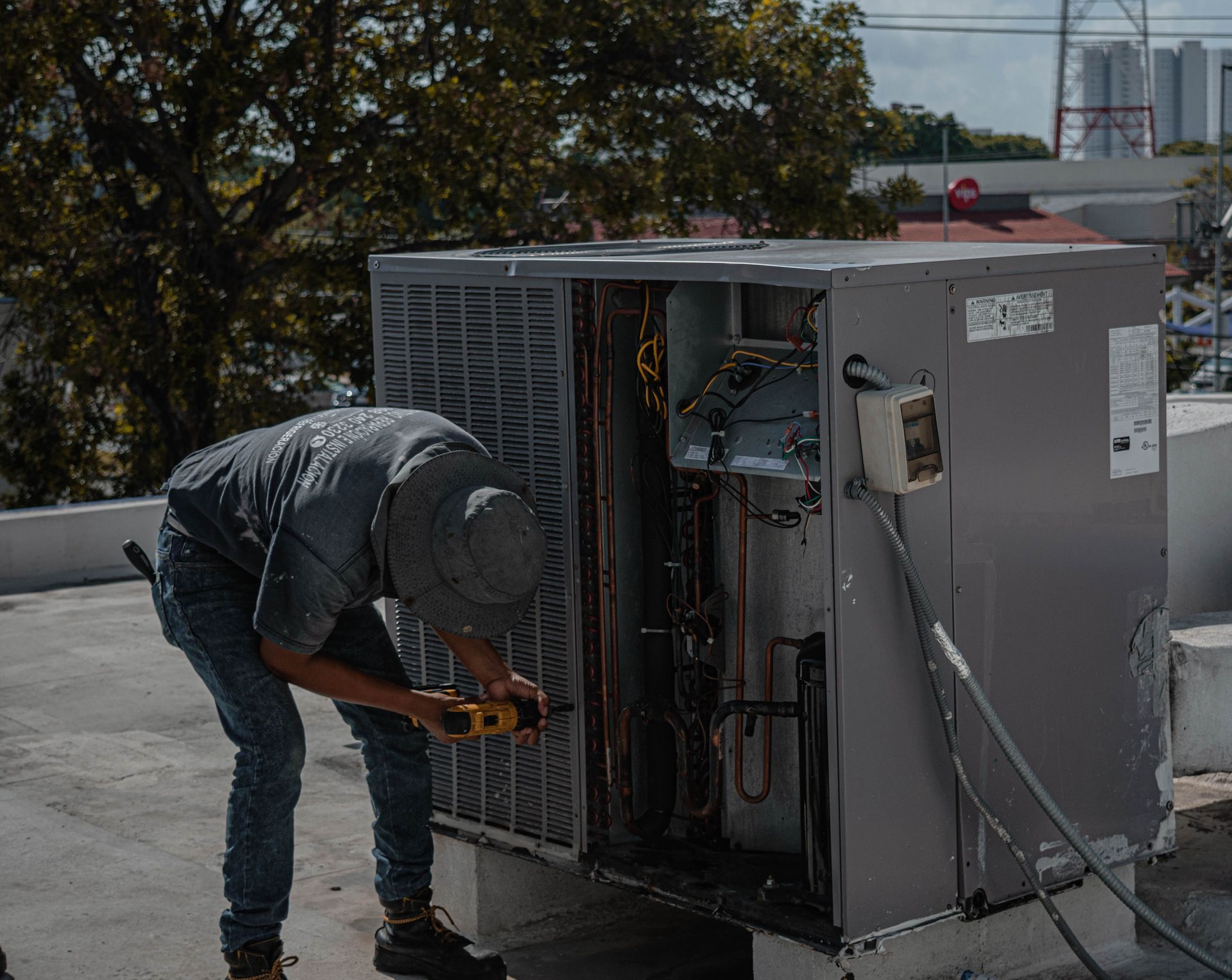
Routine HVAC maintenance from Air Masters Inc. includes blower maintenance, coil cleaning, lubrication, an electrical connection check, and air filter replacement. That inspection focuses on the parts that wear out first.
Conclusion
So, how long does a furnace last? Most last 15 to 20 years, and proper maintenance can help them reach the upper end. If yours is aging and the signs are stacking up, a professional assessment will tell you whether repair or replacement makes more sense. To discuss your system,
contact Air Masters Inc. or learn about
furnace replacement and installation options.
Frequently Asked Questions
What is the average lifespan of a gas furnace?
With proper care, most gas furnaces last about 15 to 20 years. Poor maintenance or installation can shorten that.
Can a furnace last 30 years?
Some do, but it is uncommon for a gas furnace. An older unit may also be less efficient and harder to repair.
Does maintenance really extend furnace life?
It helps. Clean filters and inspected parts reduce strain on the system and can catch small faults before they become failures.
Is it worth repairing a 15-year-old furnace?
It depends on the repair. A small, isolated fix can make sense. Several repairs, rising bills, or a safety issue usually point toward replacement.
What is the most common reason furnaces fail early?
Skipped maintenance, restricted airflow from dirty filters, and poor installation often cause early wear.
Does an oversized furnace wear out faster?
It can, an oversized unit cycles on and off too often, which adds wear. Proper sizing at installation helps the system run steadily.
How often should a furnace be serviced?
Annual service before heating season is a common recommendation. A technician can inspect wear parts and catch small problems early.