BLOGS
High Gas Bill This Winter? Furnace Habits That Waste Energy
If you keep asking why is my gas bill so high, start with the furnace. Heating is usually a home's biggest energy use in winter, so small habits and small faults add up quickly. Colder weather, a high thermostat setting, a clogged filter, leaky ducts, or an aging furnace are the usual suspects. Here is how to sort them out.
Why Is My Gas Bill So High Compared With Last Year?
The furnace is often not the only reason. Colder weather, a longer billing period, or a rate change can raise a bill even when your habits stay the same.
Check the usage amount on your bill, not just the dollar total. If gas use is up while the weather and household stay similar, look at the furnace and the house. If usage is flat and only the total rose, the cause is likely the rate or the calendar. Extra time at home, overnight guests, or one unusually cold month can also push usage up, so note anything that changed in your household.
Which Thermostat Habits Waste the Most Gas?
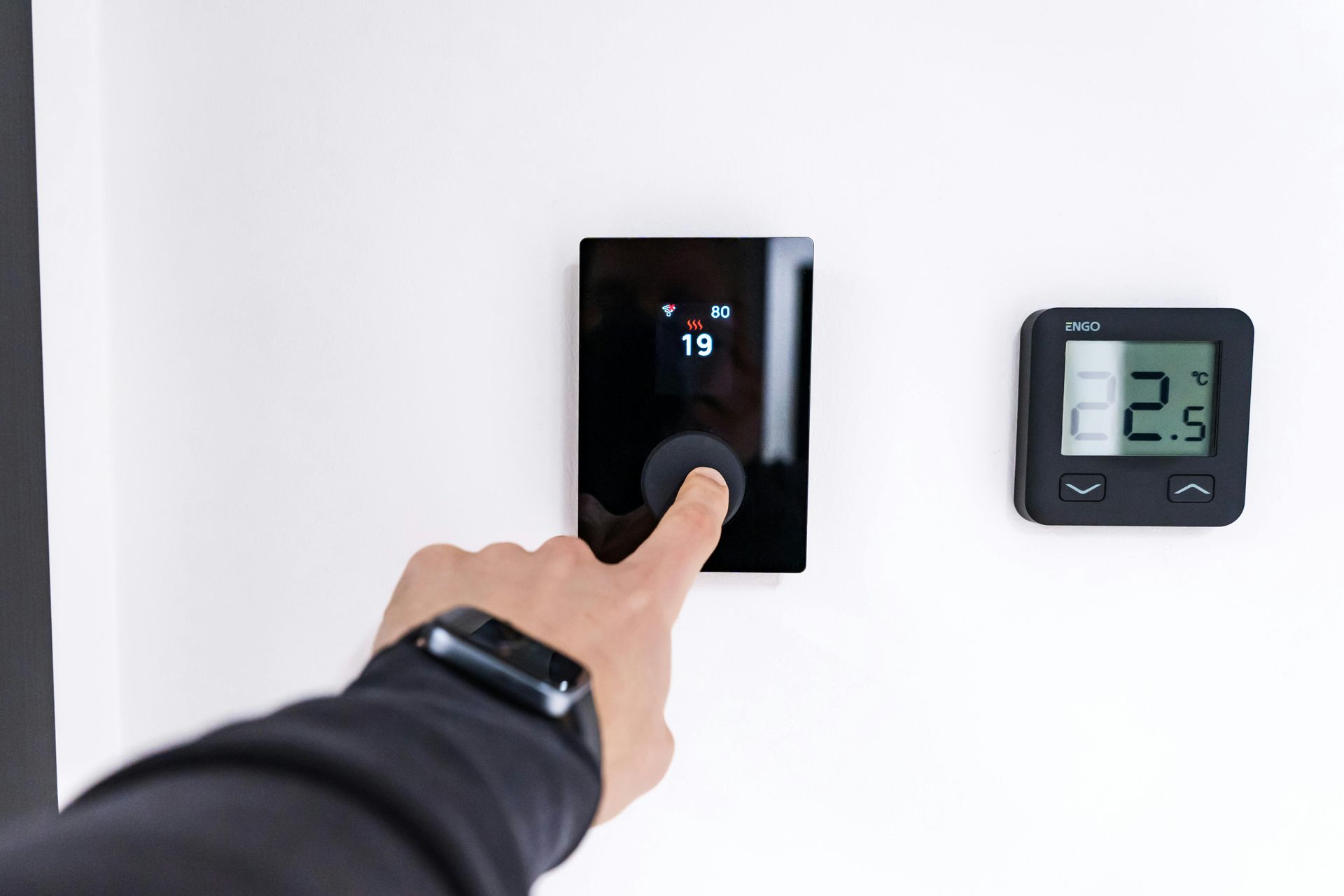
Setting the thermostat higher than you need is the most common waste. The U.S. Department of Energy recommends about 68 degrees while you are awake and at home, and a lower setting while you sleep or are away.
The Department also says turning the thermostat back 7 to 10 degrees for eight hours a day can save as much as 10 percent a year on heating. Habits that cost you:
- Raising the setting several degrees to heat the house faster, which does not speed up the furnace
- Leaving the same temperature running all night and all day
- Adjusting the dial many times a day
- Placing the thermostat near a sunny window or drafty doorway, so it misreads the room
Don't set it below 55 degrees in winter, since colder indoor temperatures increase the risk of frozen pipes.
How Do a Dirty Filter and Leaky Ducts Raise Your Bill?
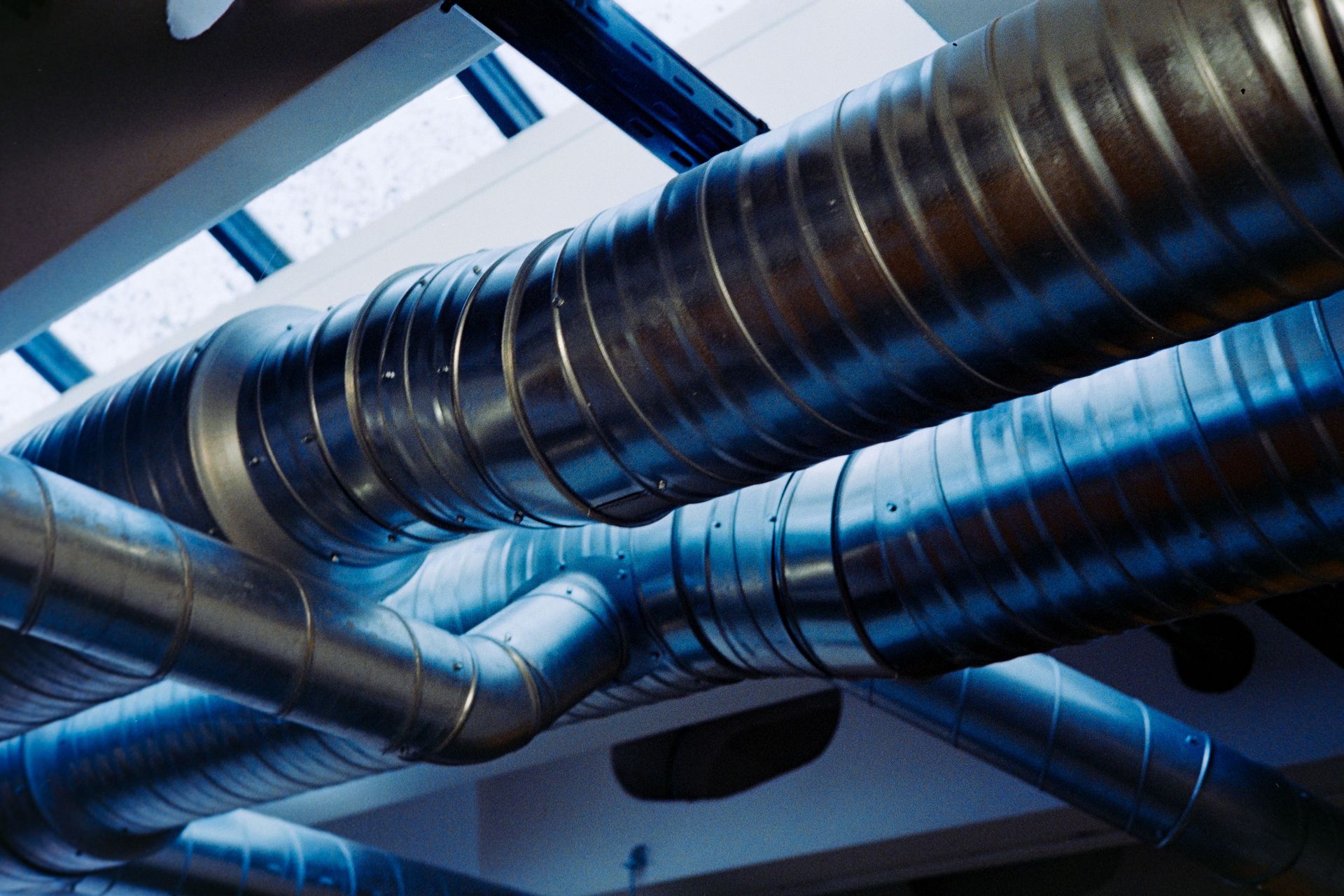
A clogged filter and leaking ducts make the furnace run longer to deliver the same heat. Dirty filters restrict airflow and force the system to work harder, while duct leaks can lose heated air before it reaches the rooms.
Check the filter monthly during heating season and replace it when it looks gray and clogged. This
HVAC filter replacement schedule for Tulsa’s dusty climate explains how local dust affects timing. If some rooms stay cold while the furnace runs constantly, the ductwork may be to blame, and Air Masters Inc. offers ductwork services for homes in the Tulsa area.

Could an Aging Furnace Be the Reason?
Yes. An aging furnace that loses efficiency uses more gas to produce the same warmth, and rising energy bills are a common warning sign. Other signs include new noises, uneven heating from room to room, and frequent repairs.
Manufacturers generally rate gas furnaces for 15 to 20 years with proper care. If yours is in that range and your bills keep climbing, have a technician evaluate it. Air Masters Inc. lists rising energy bills among the common heating problems on its heater repair and installation page, and routine HVAC maintenance includes blower maintenance, an electrical connection check, and filter replacement to keep the system running as designed.
What Small Changes Cut Gas Use Without Losing Comfort?
Trim the heat the house loses and the time the furnace runs, and the bill follows. These changes cost little and work with the habits above.
- Open curtains on sunny windows during the day, and close them at night to slow heat loss.
- Stop drafts at exterior doors with sweeps or weatherstripping.
- Keep vents and returns clear so warm air can move through the house.
- Use a programmable or smart thermostat so the setback happens automatically.
- Close the fireplace damper when you're not using it.
None of these replaces a repair. If the furnace itself is the problem, no amount of weatherstripping will hide it, so use these steps alongside an inspection, not instead of one.
Conclusion
Why is my gas bill so high is rarely answered by one cause. Compare usage first, then work through thermostat habits, the filter, the ducts, and the age of the furnace. If the numbers do not add up,
contact Air Masters Inc. to have the heating system checked.
Frequently Asked Questions
Does a higher thermostat setting heat the house faster?
No. A standard furnace heats at the same rate regardless of the setting. A higher number only makes it run longer before shutting off, which uses more gas.
Is it cheaper to leave the heat on all day?
Turning the thermostat back for part of the day is generally cheaper. The Department of Energy says a furnace does not work harder than normal to recover after a setback.
Can a furnace tune-up lower my gas bill?
It can help keep the system running as designed by catching dirty parts and airflow problems. Savings vary by home and system.
What should I set the thermostat to at night?
Many households lower it 7 to 10 degrees from the daytime setting while sleeping, but keep it above 55 degrees. Let comfort and the needs of anyone in the home guide your choice.
Can drafts and poor insulation raise my gas bill?
Yes. Heat that escapes through gaps and weak spots has to be replaced, so the furnace runs longer. Sealing drafts is one of the least expensive ways to reduce the load.
When should I worry about a sudden spike in my gas bill?
Compare usage and weather first. If the increase is large with no clear reason, have the system inspected. If you smell gas, leave the home and call your gas utility or 911 from outside.