BLOGS
Ice Storm Prep: Protecting Your Furnace and Home in an Oklahoma Winter Storm
Picture the lights going out at 2 a.m. while ice snaps branches outside and the thermostat starts to fall. Furnace winter preparation decides if that night is merely uncomfortable or actually dangerous. Most of the work happens days earlier, and most of it is simple.
Before the Ice Arrives
- Replace the filter. A clogged filter strains the blower. Air Masters offers a filter replacement schedule for Tulsa’s dusty climate.
- Book a tune-up. Routine maintenance includes blower maintenance, electrical connection checks, and a look at heating elements.
- Clear the vents. On high-efficiency furnaces, the plastic exhaust and intake pipes outside can ice over or fill with snow.
- Test alarms. Put fresh batteries in carbon monoxide and smoke detectors.
- Stock basics. Flashlights, blankets, water, medications, and phone chargers.
Also write down your furnace’s make and model and your service provider’s contact details, so they are handy if the lights are out.
A Simple Timeline for the Days Before a Storm
Good furnace winter preparation follows the forecast, not the first outage.
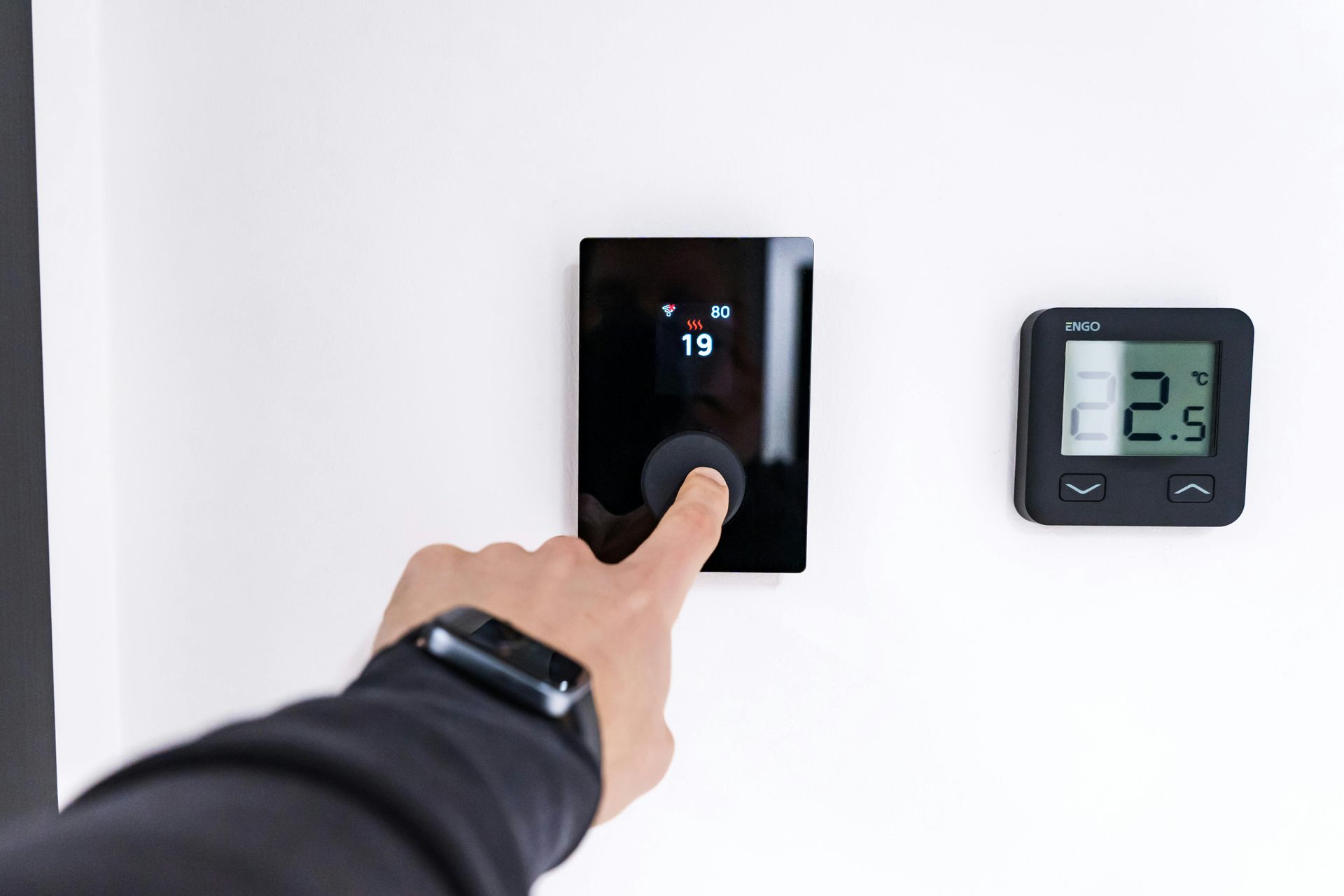
- Several days out: Change the filter, test the alarms, and check that the thermostat responds.
- One day out: Charge phones and power banks, fill water containers, and move blankets and flashlights to one room.
- Hours out: Check the outdoor vents and clear anything stacked near the unit.
What Ice Does to a Heating System
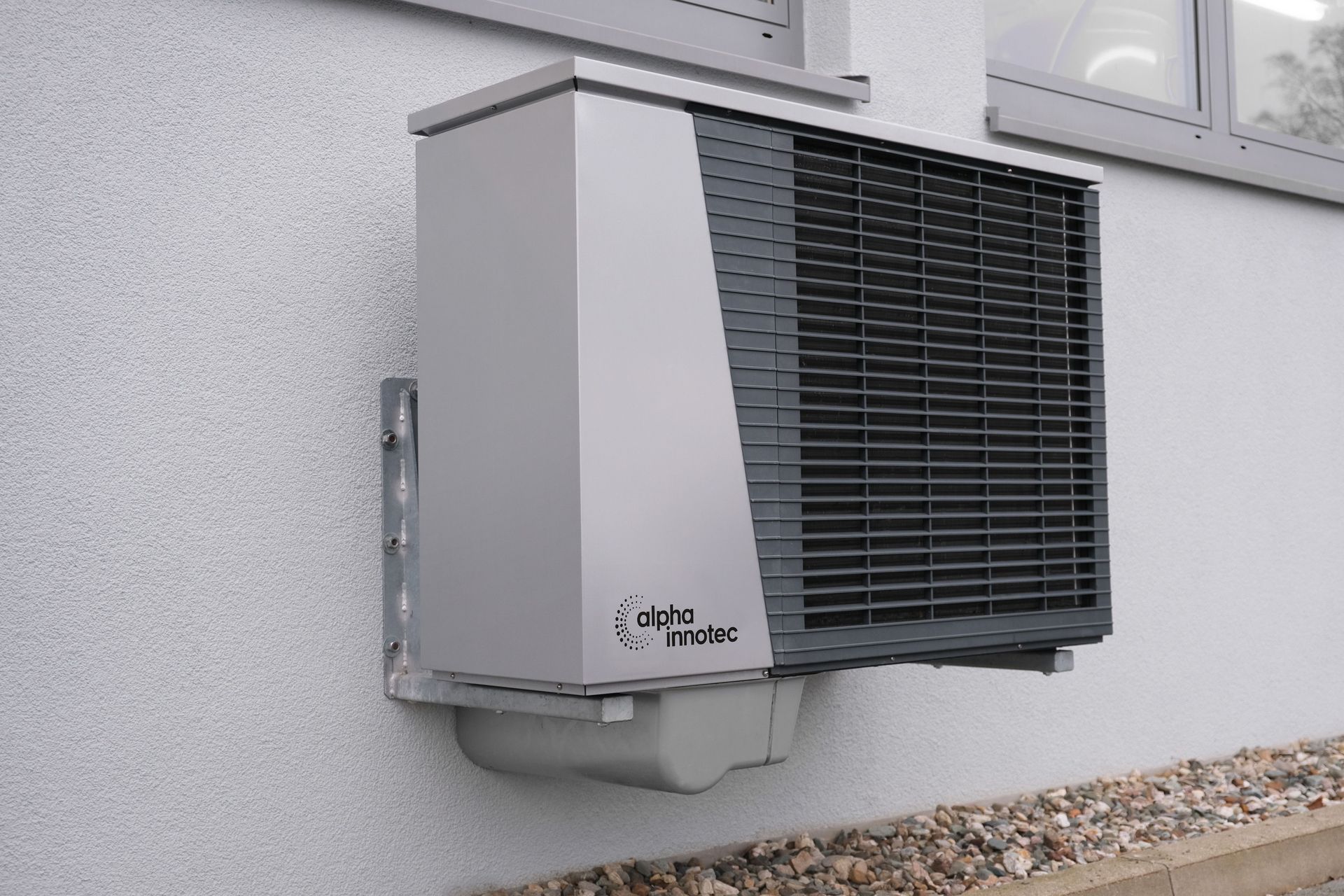
Ice adds weight and blocks airflow. It can coat the outdoor exhaust and intake pipes, bury the base of a heat pump, and snap branches onto equipment.
A blocked vent can trigger a safety shutoff. That is the furnace protecting you, and you shouldn't bypass it.
Why a Gas Furnace Still Needs Power
A gas furnace burns gas, but the blower, igniter, and control board run on electricity. When the power fails, most furnaces stop. Gas heat is not automatic backup heat. Some older furnaces with standing pilot lights work differently, so check your manual or ask a technician what yours needs.
Generator Safety
Run a generator outdoors only, at least 20 feet from the house, doors, and windows, a distance recommended by the Centers for Disease Control and Prevention. Never run one in a garage or basement. Carbon monoxide has no smell, and it can kill.
A licensed electrician should install any transfer switch. It keeps power from flowing back onto the lines and endangering utility workers.
During the Storm
- Keep the thermostat at a steady, moderate setting instead of cranking it.
- Close doors to unused rooms and gather in one space.
- Let faucets on exterior walls drip to help protect pipes.
- Never heat with an oven, grill, or camp stove. They produce carbon monoxide.
If the Furnace Stops Mid-Storm
- Check that the thermostat is on heat and the display is lit.
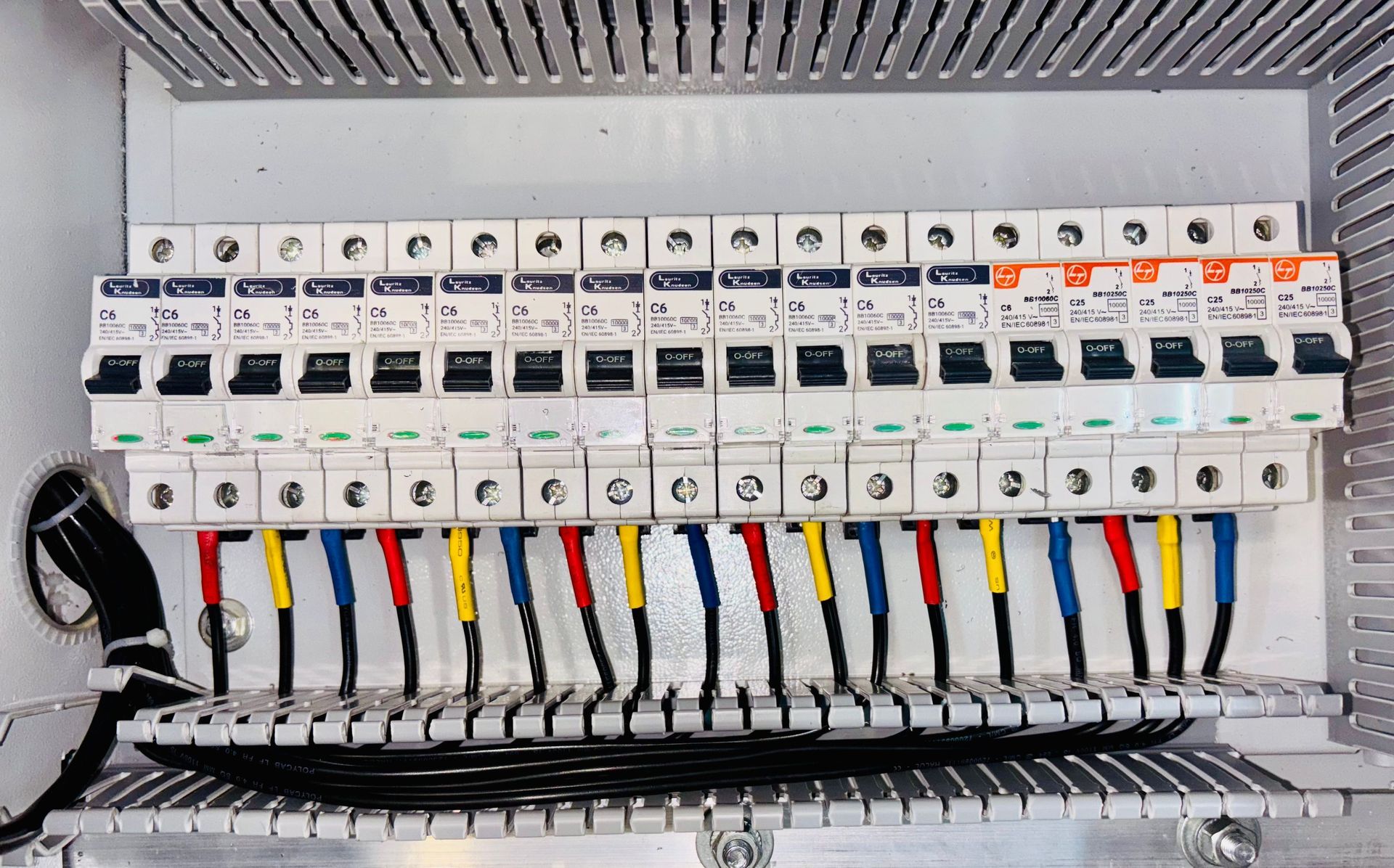
- Look at the breaker panel for a tripped switch, and reset it once.
- If the power is out, wait for it to return before judging the furnace.
- Never bypass a safety switch or reset the furnace repeatedly.
If it still will not start once power is back, call for service.
Build a Warm-Room Plan
Pick the smallest room with the fewest windows and make it your base. Close the door, hang a blanket over any drafty window, and dress in layers. Dry clothes, hot drinks, and gentle movement help too, because wet or cold clothing drains body heat faster than cool air alone.
Keep a battery-powered carbon monoxide alarm in the same room if you use any backup heat source.
Protecting the Pipes and the People
Frozen pipes cause as much damage as a cold house. Locate your main water shutoff before the storm, and open cabinet doors under sinks on exterior walls so warm air reaches the pipes.
Check on neighbors, especially older adults and anyone who relies on powered medical equipment. A warm room and a charged phone make a real difference.
After the Storm
Check the outside vents again once the ice melts. If the furnace short cycles, shows an error code, or smells like burning, switch it off and call for service.
If you smell gas, leave the house at once and call your gas utility from outside. Do not use switches, lighters, or phones indoors.
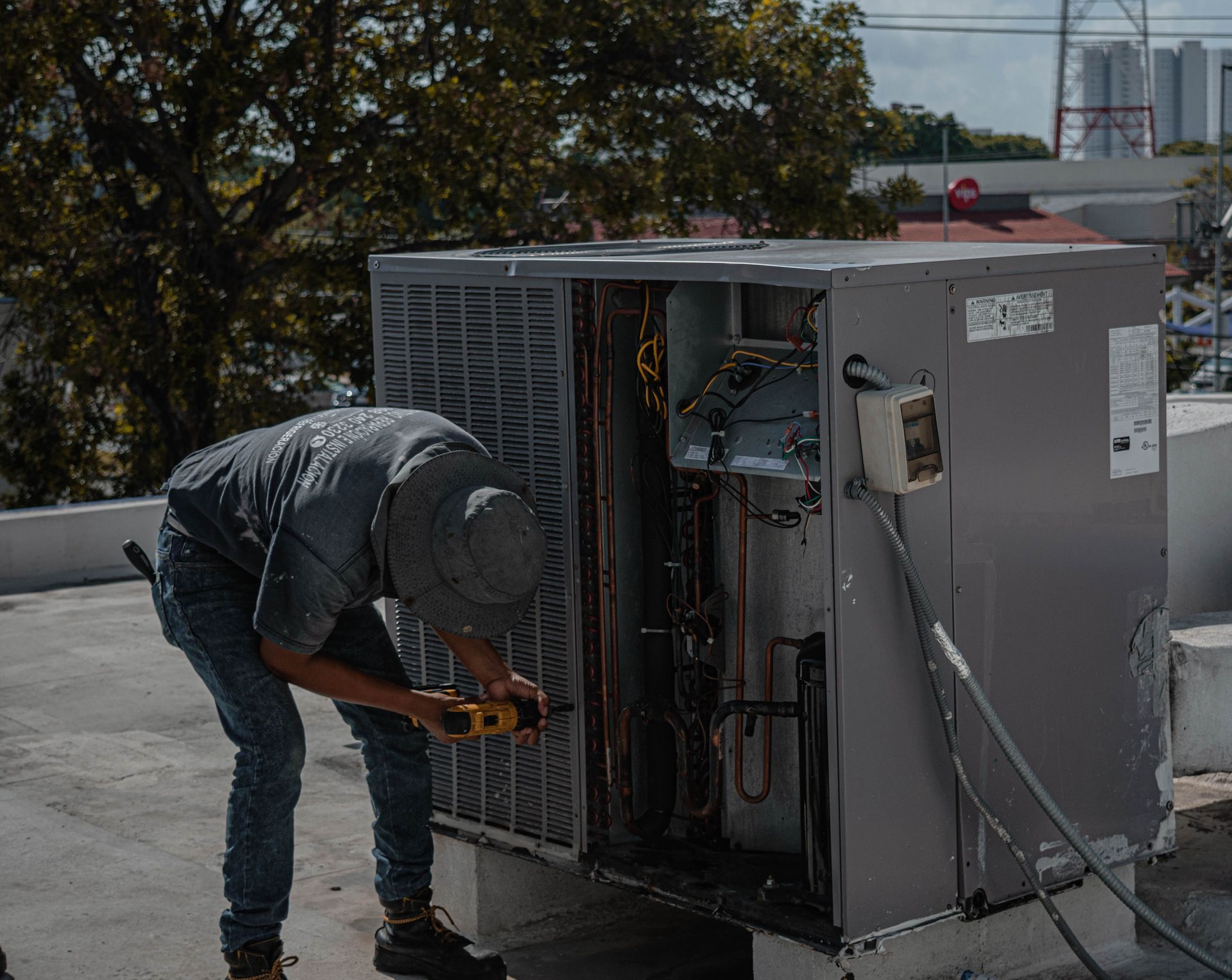
Heat pump and air conditioner units outside may carry ice. Clear fallen branches, but do not chip at the ice, since tools can damage the coils. If equipment is damaged, photograph it for your records before clearing debris.
Make the Call Before the Forecast Does
Good furnace winter preparation is easiest on a calm, dry day. If your heater hasn't been checked this year, contact Air Masters while the office is open Monday through Friday, 8:00 a.m. to 5:00 p.m. For problems after a storm, see the HVAC repair page, which includes emergency service.
Frequently Asked Questions
How do I keep my furnace running during an ice storm?
It needs electricity, so a safely installed generator is the main option. Without power, focus on staying warm in one room instead.
Should I turn the heat up before the storm?
A modest, steady setting is better than a high one. Heating the house far above normal wastes fuel and does not help if the power goes out.
Can ice block a furnace vent?
Yes. High-efficiency furnaces vent through outside pipes that can freeze shut, which may shut the furnace down. Keep them clear of ice and snow.
Is a space heater safe during an outage?
Only if it is made for indoor use, plugged directly into a wall outlet, and kept away from anything that burns. Never leave it running unattended.
What does furnace winter preparation include?
It includes a fresh filter, a professional tune-up, clear outdoor vents, working carbon monoxide alarms, and a plan for staying warm if the power fails.
When should I call for furnace service?
Call when you notice a burning smell, repeated shutdowns, strange noises, or no heat after power returns.
Should I cover my outdoor unit before a storm?
Check the manufacturer’s guidance first. A tight cover can trap moisture and give pests a place to nest, and most units are built to handle winter weather.