BLOGS

How to Buy a New Hvac System

Buying a new HVAC system is a major "adulting" milestone; it’s a big investment that dictates your comfort and utility bills for the next 15 years. Whether your AC unit died in a heatwave or your furnace sounds like a jet engine, the process is overwhelming.


Between the alphabet soup of efficiency ratings and technical jargon, it’s a lot to digest. This guide cuts through the noise to show you how to buy a new HVAC system without overpaying. We’ll help you find a setup that keeps your home cozy and your electric bill manageable, so you can shop like an expert and choose the right HVAC service.


Signs It’s Time to Replace Your HVAC System


Before dropping thousands, check if your system is actually toast. Modern HVAC units are tough, but after 10–15 years, they’re basically in retirement. The biggest red flag? Your repairman is over so often he’s practically family.

If you're paying for HVAC service every few months, you’re throwing money away. Watch for "sneaky" signs like spiking bills, hot and cold spots, or a house that feels like a swamp. If your air conditioner is noisy or dusty, it’s waving the white flag. Replace it now on your terms before an emergency forces your hand.


Types of HVAC Systems Available


When you're figuring out how to buy a new HVAC system, you'll see a few different setups built for specific home layouts. 

  • Split systems are the standard go-to, using an indoor furnace or air handler paired with an outdoor AC unit
  • For more versatility, 
  • Hybrid heat pump systems team up an electric heat pump with a gas furnace to stay efficient no matter the weather. 
  • Ductless mini-splits are the heroes for older homes without ducts or new additions, giving you total zone control. 
  • Finally, packaged systems cram everything into one outdoor cabinet—perfect if you're tight on indoor space and need it on the roof or side yard.


Understanding HVAC System Sizing and Load Calculations


Don’t just replace your old unit with the same size. If you've upgraded your windows or insulation, your home's needs have changed. To avoid a guessing game with your AC unit, have a pro run a Manual J calculation. This ensures your HVAC system isn't oversized, causing "short cycling" and swampy humidity, or undersized, which forces the air conditioner to run 24/7. Getting the size right keeps your HVAC service visits focused on simple maintenance, not costly repairs.
Energy Efficiency Ratings Explained


Efficiency is your ticket to long-term savings, but you have to navigate some serious alphabet soup first. SEER2 measures how efficiently an AC unit cools your home; basically, higher numbers mean you keep more cash in your pocket. For furnaces, AFUE efficiency tells you how much fuel actually turns into heat instead of just escaping up the chimney. If you’re eyeing a heat pump, check the HSPF2 for its heating performance. To keep things simple, just look for the ENERGY STAR certification. That little sticker proves the HVAC  equipment hits the strict efficiency benchmarks set by the EPA, ensuring you aren't just burning money to stay comfortable.


Key Features to Look for in a New HVAC System


Modern technology has introduced features that significantly enhance comfort and convenience. When shopping, consider:

  • Variable-speed compressor: Unlike standard compressors that are either "on" or "off," these adjust their speed to match the cooling needs of your home exactly, providing smoother temperature control.
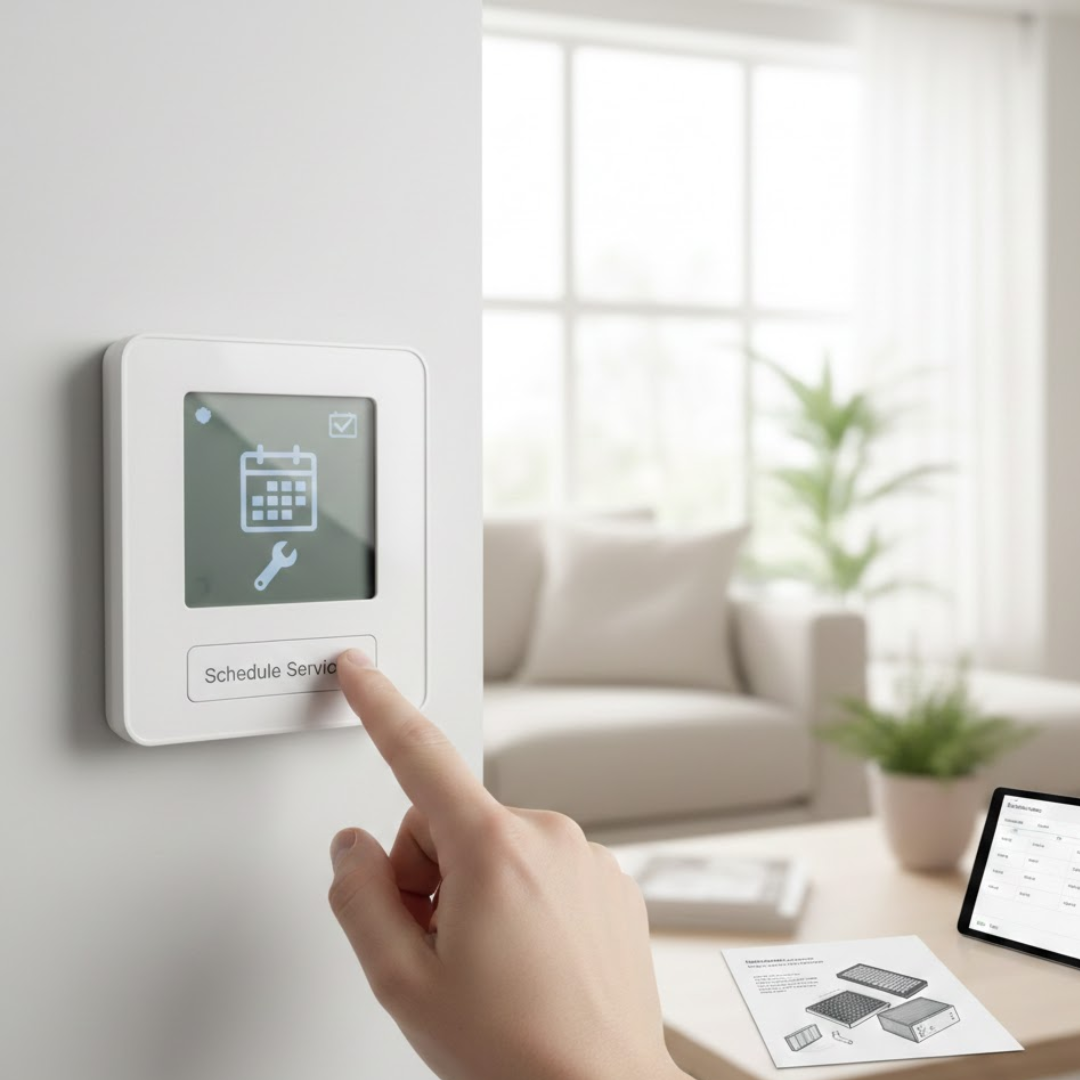
  • Smart thermostat integration: Many new systems are designed to work seamlessly with Wi-Fi-enabled thermostats, allowing you to control your home's climate from your smartphone.
  • Noise Reduction: Look for units with insulated blower compartments and advanced fan blade designs if the unit is located near a bedroom or patio.


Comparing Costs: Equipment, Installation, and Maintenance


The total cost of a new HVAC system goes beyond just the price of the unit. You need to consider the cost of the equipment, professional installation, and any necessary ductwork repairs. While it might be tempting to go with the lowest bid, remember that the quality of the installation is just as important as the HVAC system itself. Poor installation can lower your system’s efficiency by up to 30%, costing you more in the long run. Don’t forget to factor in annual HVAC maintenance, too. Regular tune-ups help your air conditioner or furnace run smoothly, maintain peak performance, and keep your manufacturer’s warranty valid.


Rebates, Financing, and Tax Credits


Let's be real: the sticker price on a high-efficiency HVAC  system can give anyone a heart attack. But here is the good news: you don't have to shoulder that cost alone. Thanks to the Inflation Reduction Act, you can snag some pretty sweet federal tax credits for installing an eco-friendly furnace or heat pump.


Your local utility companies often get in on the action too, offering rebates just for choosing an ENERGY STAR-certified model. Plus, most pros offering HVAC service provide financing. This lets you pay off your new air conditioner in small bites while the unit basically pays for itself through much lower monthly power bills.

Choosing the Right HVAC Contractor


Picking the right contractor is honestly the most important part of this whole puzzle. You need a team that’s licensed, insured, and actually knows your neighborhood. A solid pro won't just guess; they’ll give you a written estimate and handle those complex load calculations to ensure your HVAC system is the perfect fit.

They should be open books, explaining why one air conditioner beats another for your specific home. If your current AC unit is acting up but you aren't ready to pull the trigger on a full replacement, it might be worth checking into professional HVAC Repair Tulsa. Sometimes an expert HVAC service fix is all you need to bridge the gap before a total overhaul.


FAQ


Q. How long does a new HVAC system typically last? 

Most modern systems last between 15 and 20 years with proper maintenance. Air conditioners in salt air or extreme heat environments may have a slightly shorter lifespan of 10 to 12 years.


Q. What size HVAC system do I need for my home? 

Size is determined by a Manual J load calculation. A general rule of thumb is 1 ton of cooling for every 500–600 square feet, but this varies based on insulation, window quality, and local climate.


Q. Is a high-efficiency HVAC system worth the investment? 

Yes. While the initial cost is higher, the savings on monthly utility bills and available tax credits often allow the system to pay for itself within a few years.


Q. How much does it cost to buy and install a new HVAC system? 

Costs typically range from $5,000 to $12,000+, depending on the size of the home, the efficiency rating of the unit, and whether ductwork needs to be replaced.


Q. Should I replace my furnace and air conditioner at the same time? 

Usually, yes. HVAC components are designed to work together. Replacing both ensures maximum efficiency and prevents an old furnace from compromising the performance of a new AC unit.


Conclusion


Understanding how to buy a new HVAC system empowers you to make a choice that balances upfront costs with long-term reliability. By focusing on proper sizing, high efficiency ratings, and professional installation, you can ensure your home remains a sanctuary of comfort regardless of the weather outside. Don't wait for a total system failure in the middle of a heatwave or a freeze. If you're ready to upgrade your home’s comfort, contact your local HVAC service experts today to schedule a consultation and learn how to buy a new HVAC system.

By Mike Tangella February 24, 2026
Master your window air conditioner installation with our expert guide. Learn how to measure, mount, and seal your AC unit for maximum summer cooling efficiency.
By Mike Tangella February 24, 2026
How to drain water from the AC window unit effectively. Our guide covers proper tilt, drainage solutions, and maintenance to prevent leaks and mold growth.
By Mike Tangella February 24, 2026
Learn about the AC capacitor, how it works, and signs of failure. Discover why this electrical component is vital for your HVAC condenser unit and compressor motor.
By Mike Tangella February 24, 2026
How Can I Schedule Routine HVAC Maintenance? Maintaining a comfortable home shouldn’t be a guessing game. For many homeowners, the heating and cooling system is "out of sight, out of mind" until it stops working on the hottest or coldest day of the year. That is where routine HVAC maintenance comes into play. In this guide, we will break down exactly how to schedule your service, what to expect during a visit, and why being proactive is the best way to protect your investment. By the end of this post, you'll know how to keep your home comfortable year-round without the stress of unexpected breakdowns or the need for Emergency AC Repair Service at the worst possible time. Regular upkeep is the secret to a long-lasting HVAC system. It ensures your air conditioning unit and furnace system operate at peak performance while keeping your monthly utility bills in check. Why Regular HVAC Tune-Ups Keep Your System Running Strong Think of your HVAC system like a vehicle. You wouldn't drive 50,000 miles without an oil change, and your home comfort system deserves the same level of care. A seasonal HVAC tune-up ensures that every mechanical component is lubricated, calibrated, and ready for heavy use. When you invest in energy-efficient heating and cooling , you aren't just paying for a technician to look at your unit. You are investing in: Extended Equipment Life: Small fixes now prevent total system failures later. Lower Utility Bills: Clean systems don’t have to work as hard to move air. Safety: Checking gas connections and electrical heat strips prevents fire hazards. Warranty Protection: Many manufacturers require proof of professional maintenance to honor equipment warranties. The Best Time of Year to Book Your HVAC Service Appointment Timing is everything. Most homeowners wait until their system breaks to call a licensed HVAC contractor , but the smartest move is to beat the seasonal rush. The ideal schedule for residential HVAC service follows a twice-a-year rule: Spring: Schedule maintenance for your AC or heat pump before the summer humidity hits. Fall: Schedule a furnace or heating inspection before the first frost of winter. Booking during these "shoulder seasons" ensures you get a convenient time slot and ensures your system is primed for HVAC system performance optimization before extreme temperatures put it to the test.
By Mike Tangella February 24, 2026
Looking for who installs HVAC systems in Tulsa? Air Master Inc., offers professional, energy-efficient heating and cooling solutions for homes and businesses.
By Mike Tangella February 24, 2026
How to find an emergency AC repair company fast with our expert guide on 24/7 services, costs, and troubleshooting tips for homeowners.
By Mike Tangella February 24, 2026
Planning a replacement? The real new HVAC system cost in 2026. Explore pricing for central air, heat pumps, and furnaces with Air Master Inc.’s expert guide.
By Mike Tangella February 24, 2026
When the summer heat kicks in, your air conditioning is more than just a luxury—it’s a necessity. However, many homeowners overlook the fact that their cooling system is a hardworking machine that requires regular upkeep. If you’ve noticed your energy bills creeping up or your home taking longer to cool down, it might be time for a thorough central AC cleaning . Learning how to clean HVAC unit components isn't just about aesthetics; it’s about protecting your investment. A clean system runs more smoothly, lasts longer, and provides much better air quality for your family. In this guide, we will walk you through the essential steps to maintain your system like a pro, ensuring you stay cool all season long. Why Cleaning Your HVAC Unit Is Important Maintaining a clean system is the backbone of effective AC maintenance . Over time, dust, pollen, and outdoor debris like grass clippings and leaves accumulate on your unit’s internal and external parts. This buildup acts as an insulating blanket, forcing the system to work twice as hard to move heat out of your home. When you prioritize cleaning, you improve your energy efficiency rating , which directly translates to lower monthly utility bills. Furthermore, regular cleaning prevents the premature need for an expensive AC repair . By keeping the air conditioner condenser coil and evaporator coil cleaning on your annual to-do list, you ensure that the mechanical components aren't under constant stress, extending the overall lifespan of your equipment. Tools and Materials Needed to Clean an HVAC Unit Before you dive in, gather the right tools. Having everything ready will make the process much smoother and prevent mid-project trips to the hardware store. Screwdriver or Nut Driver: To remove the access panels and protective grilles. Soft-Bristle Brush or Shop Vac: For removing loose debris and dust. Fin Comb: To straighten any bent aluminum fins on the coils. Commercial Coil Cleaner: A specialized spray for the evaporator coil cleaning process. Garden Hose: With a spray nozzle (avoid high-pressure settings). Replacement Air Filter: For your routine air filter replacement . Safety Gear: Gloves, eye protection, and a mask to avoid inhaling dust. Safety Precautions Before You Start Safety is the most critical step when learning how to clean HVAC unit setups. You are dealing with electrical components and moving parts, so never skip these steps: Shut Off the Power: Locate the exterior disconnect box near the outdoor unit and pull the plug or flip the switch to "off." Turn Off the Thermostat: Ensure the system won't try to kick on while you are working on it. Breaker Box: For extra safety, turn off the specific breaker for the HVAC system in your home’s main electrical panel. Wait for the Fan: Ensure the fan blades have completely stopped spinning before removing any protective casing.
By Mike Tangella February 24, 2026
HVAC system maintenance is essential for keeping your heating and cooling equipment running efficiently, safely, and reliably. Many homeowners know they need maintenance, but they are not always sure what it actually includes. Proper inspections also ensure your system matches your home’s needs by referencing tools like an HVAC Sizing Chart , which helps prevent energy waste and uneven temperatures. In this guide, we break down every key component of professional HVAC maintenance, explain why each step matters, and help you understand how regular service protects your investment. Whether you rely on your system for summer cooling or winter heating, routine care—such as making sure technicians clean HVAC unit components—improves airflow, efficiency, and indoor air quality. What Is HVAC Maintenance? At its core, HVAC maintenance is a scheduled series of inspections, cleanings, and calibrations designed to keep your heating, ventilation, and air conditioning units in peak condition. This also includes tasks like checking condensate lines and learning how to Drain Window AC systems properly to avoid leaks, moisture buildup, and unexpected system damage. Unlike an air conditioner repair visit, which happens after a failure occurs, maintenance is preventative. It involves a technician looking for signs of wear and tear, ensuring safety protocols are functioning, and optimizing the system for the lowest possible energy consumption. Whether it’s AC maintenance in the spring or furnace maintenance in the fall, the goal remains the same: reliability and efficiency. Why Regular HVAC Maintenance Matters Routine HVAC services provide long-term benefits that go beyond simple performance checks. Improved Energy Efficiency: When components are clean and properly adjusted, your system does not have to work as hard. This reduces energy consumption and lowers monthly utility bills. Longer Equipment Lifespan: Wear and tear increases when maintenance is skipped. Regular inspections and adjustments help extend the life of both your air conditioner and furnace. Fewer Emergency Repairs: Small issues discovered during maintenance can be corrected before they become expensive air conditioner repair calls. Better Indoor Comfort: Proper airflow and calibrated controls help maintain consistent temperatures throughout your home. For homeowners across the US, preventive HVAC maintenance is one of the most cost-effective ways to protect comfort and efficiency. Air Filter Inspection & Replacement: Air filter replacement is one of the most important parts of HVAC system maintenance.
By Mike Tangella February 24, 2026
How to clean HVAC system components effectively. Improve indoor air quality and efficiency with our DIY HVAC system cleaning tips and maintenance checklist.
More Posts