BLOGS
How to Vent a Portable Air Conditioner Without a Window?
A portable air conditioner is one of the most flexible cooling solutions available. But what happens when there is no window nearby? Whether you are cooling a basement, an interior office, or a garage, venting a portable AC without a window may seem impossible at first.
The good news is there are several windowless room cooling solutions that work effectively. In this guide, Air Master Inc. walks you through every viable option, so you can stay cool without compromising your space or safety.
Why Does a Portable Air Conditioner Need to Be Vented in the First Place?
Before exploring alternatives, it is important to understand why portable AC venting is necessary. As a portable unit cools the air, it produces hot exhaust air and moisture as byproducts.
Without a proper exhaust duct for an air conditioner, that hot air simply recirculates back into the room, making your AC work harder while raising your energy bills.
Proper heat exhaust removal is what allows the unit to maintain a lower indoor temperature. Skipping this step defeats the entire purpose of running the unit.
Can You Vent a Portable AC Through a Wall?
Yes, and this is one of the most reliable alternative AC venting methods. Venting a portable AC through a wall involves cutting a hole sized to fit the exhaust hose, typically 5 to 6 inches in diameter.
A wall vent kit for a portable air conditioner can be purchased at most hardware stores. Once installed, the hose connects directly from the unit through the wall to the outside.
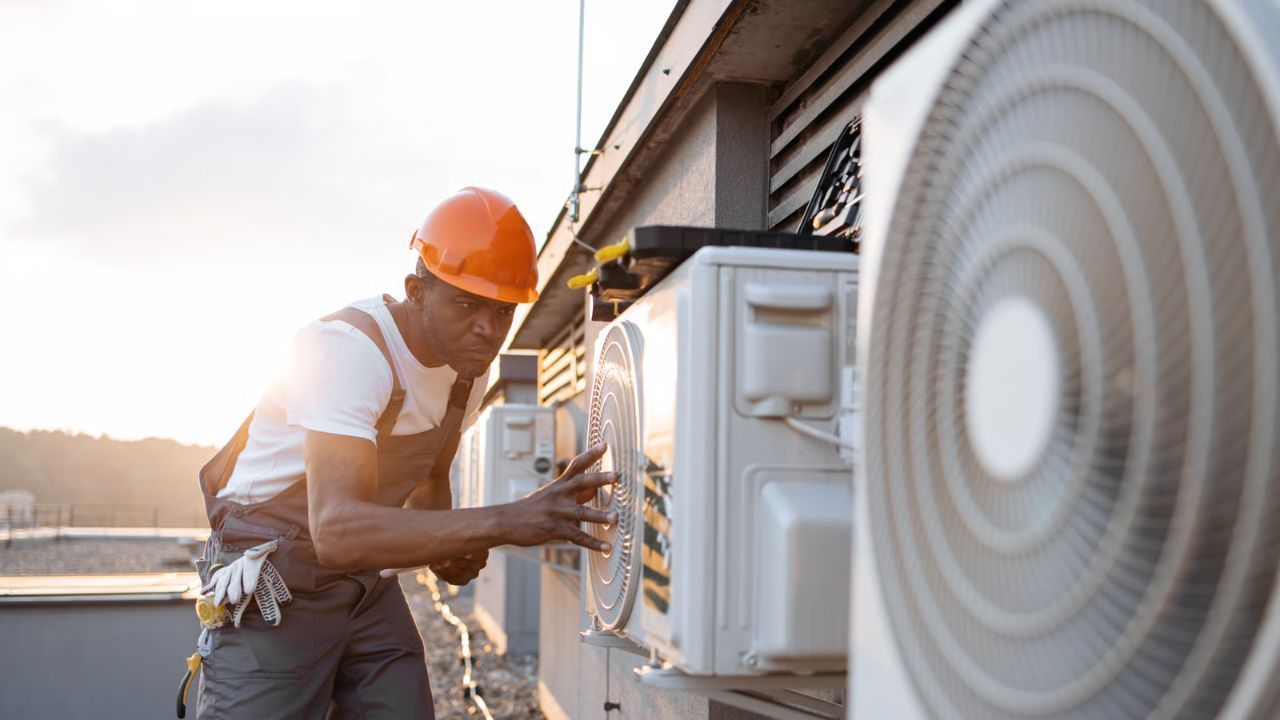
This solution works well in basements, garages, and interior rooms. However, it does involve a permanent alteration to your wall structure, so it is best handled by a professional HVAC technician to ensure proper sealing and airflow.
How Can You Vent a Portable Air Conditioner Through the Ceiling or Drop Ceiling?
If you have a drop ceiling or suspended ceiling, this method is one of the cleanest options available. You can route the exhaust hose up through a ceiling tile and into the space above.
This is particularly useful in ductless room cooling for offices and commercial spaces. The hot air rises into the plenum space above the ceiling and eventually dissipates.
Be sure the ceiling plenum is not a sealed or fire-rated space. If you are unsure, consult an HVAC professional before attempting this type of portable air conditioner installation.
Is It Possible to Vent a Portable AC Through a Door?
Absolutely. Venting a portable AC through a sliding door or even a standard door is one of the easiest no-window cooling options. Most portable AC kits come with a sliding door kit, but door panels are also sold separately.
For standard doors, you can use a vertical door vent panel for portable AC that seals the gap where the hose passes through. These panels are adjustable and do not require any permanent modifications.
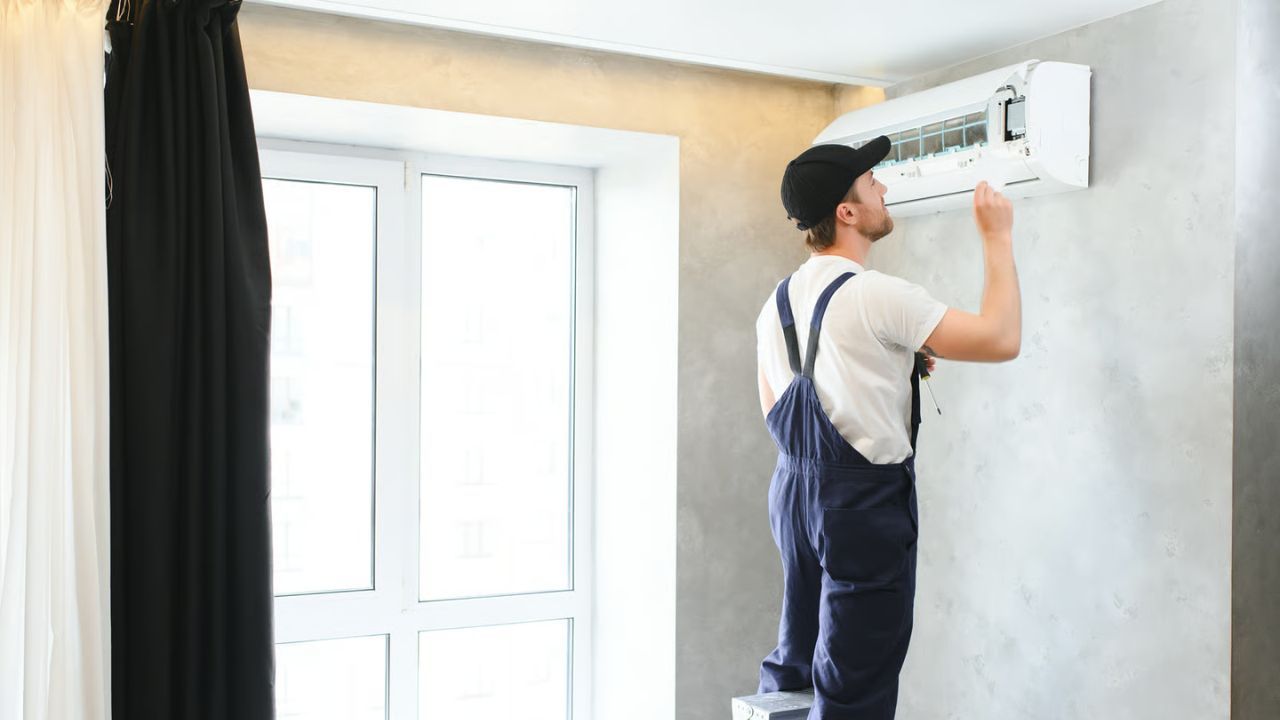
This method is ideal for temporary setups or rental properties where you cannot make structural changes. Just ensure the panel fits snugly to avoid hot air from leaking back inside.
What Are the Other Creative Venting Options for Windowless Rooms?
If walls, ceilings, and doors are not an option, there are a few more portable AC exhaust alternatives to consider:
- Through a chimney or fireplace flue: If the flue is inactive, you can route the hose through it. Make sure it is properly cleaned and clear of obstructions.
- Through a skylight or attic hatch: If your room has a skylight that opens or an attic hatch, the exhaust hose can be routed upward through it.
- Into an adjacent vented space: Sometimes routing the hose into a hallway or utility closet that has its own ventilation can work as a short-term solution.
- Custom ductwork solutions: A licensed HVAC technician can design custom ductwork that connects your portable unit to an existing HVAC exhaust system.
Each of these non-window AC venting options has trade-offs in efficiency and effort. Choosing the right one depends on your specific room layout and needs.
What Happens If You Run a Portable AC Without Proper Venting?
Running a portable air conditioner without an exhaust hose is one of the most common mistakes homeowners make. It may seem to produce cool air at first, but the hot air byproduct quickly warms the room right back up.
Beyond poor performance, improper venting can lead to excessive humidity buildup, mold growth, and potential damage to the unit itself. The compressor can overheat when hot air has nowhere to go.
Always ensure your portable AC ventilation is fully functional before operating the unit. If you are uncertain about your setup, it is worth having a professional inspect it.
When Should You Call a Professional HVAC Technician Instead of DIYing?
While some venting setups are straightforward, there are situations where calling a certified HVAC professional is the smarter, safer choice.
- You need to cut through a wall or structural surface.
- You are working in a space with fire-rated materials or building code restrictions.
- You want to connect the unit to existing ductwork.
- Your portable AC is not cooling effectively despite proper venting.
- You are setting up cooling in a commercial or industrial space.
At Air Master Inc., our certified technicians specialize in portable air conditioner installation, HVAC duct repair, and custom
ductless cooling and cooling system solutions for both residential and commercial clients. We do not just offer advice. We provide hands-on service that ensures your unit performs at peak efficiency, safely and correctly, every single time.
Frequently Asked Questions
Can I use a portable air conditioner without any venting at all?
No. Without proper portable AC venting, the unit cannot expel hot air, and the room will not cool down. It will also put extra strain on the compressor, shortening the lifespan of the unit.
How long can the exhaust hose of a portable AC be?
Most manufacturers recommend keeping the AC exhaust hose length under 5 to 7 feet. Longer hoses reduce efficiency because the motor has to work harder to push hot air through a longer path.
Is venting through a wall safe for my home?
Yes, when done correctly. Wall venting for portable air conditioners is safe as long as proper sealing is used and building codes are followed. It is best to have this done by a licensed HVAC professional.
Can I vent into another room instead of outside?
This is not recommended. Venting hot air into another interior room simply moves the heat problem rather than solving it. The exhaust air must always be directed outside or into a large, properly ventilated space.
Do I need a special hose kit to vent through a door or wall?
Yes. A portable AC venting kit with the correct diameter hose and adapter is required. Universal kits are available, but custom fits are often needed for wall installations.
Conclusion
Not having a window does not mean you have to endure the heat. With the right approach, from wall venting and drop ceiling solutions to door panels and custom ductwork, you can enjoy efficient cooling in any room. The key is choosing a method that fits your space, respects building codes, and maintains strong portable air conditioner airflow. When in doubt, always consult a professional.
Air Master Inc. is ready to help. Whether you need a full portable AC installation, a custom venting solution, or just expert advice tailored to your space, our team has the skills and experience to deliver results. Contact Air Master Inc. today and let our certified HVAC experts keep you cool all season long.