BLOGS
What Is a Split System Air Conditioner?
If you have been searching for a smarter, quieter, and more efficient way to cool your home, you have probably come across the term "split system air conditioner." But what exactly is it, and why do so many US homeowners prefer it over traditional cooling options? Compared to older systems, many people find it a more balanced option when evaluating the overall cost to install central ac versus long-term performance and comfort.
This guide breaks down everything you need to know, from how the system works to whether it is the right fit for your home.
What Exactly Is a Split System Air Conditioner and How Does It Work?
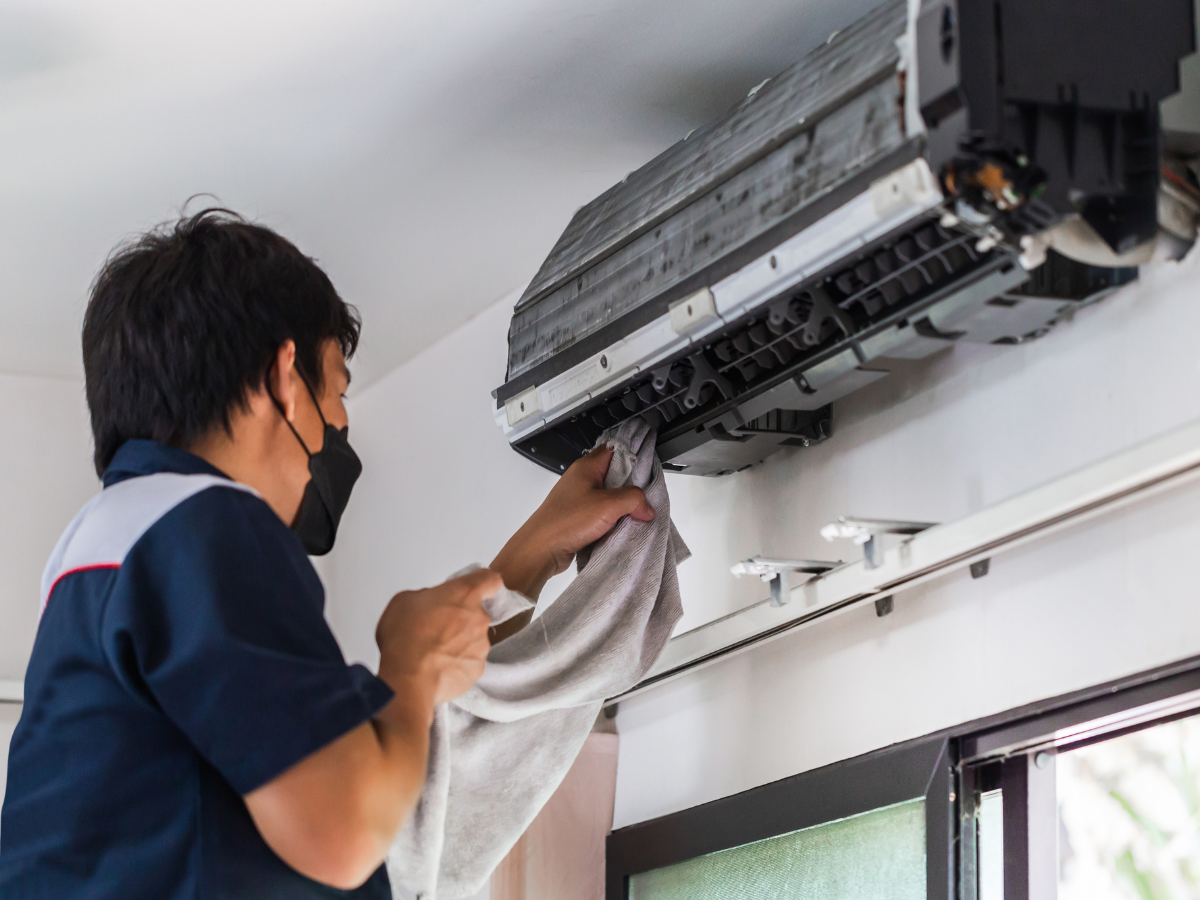
A split system air conditioner is a type of HVAC system that consists of two main units: one installed inside your home and one placed outside. Unlike a window unit, there are no bulky components blocking your view or requiring a window cutout.
The system works by circulating refrigerant between the indoor and outdoor units through a set of copper lines. The indoor unit absorbs heat energy from the room air, while the outdoor unit releases that heat outside, leaving your living space cool and comfortable. This setup is often considered more effective than temporary solutions like window ac venting, especially for consistent, whole-home cooling.
Because the two units are "split" apart, the system operates much more quietly than older cooling technologies, making it a favorite for bedrooms, living rooms, and home offices.
What Are the Main Components of a Split System Air Conditioner?
Understanding the parts helps you better appreciate what you are investing in:
- Indoor unit (air handler): Mounted on a wall or ceiling, it contains the evaporator coil and a blower fan that distributes cool air throughout the room.
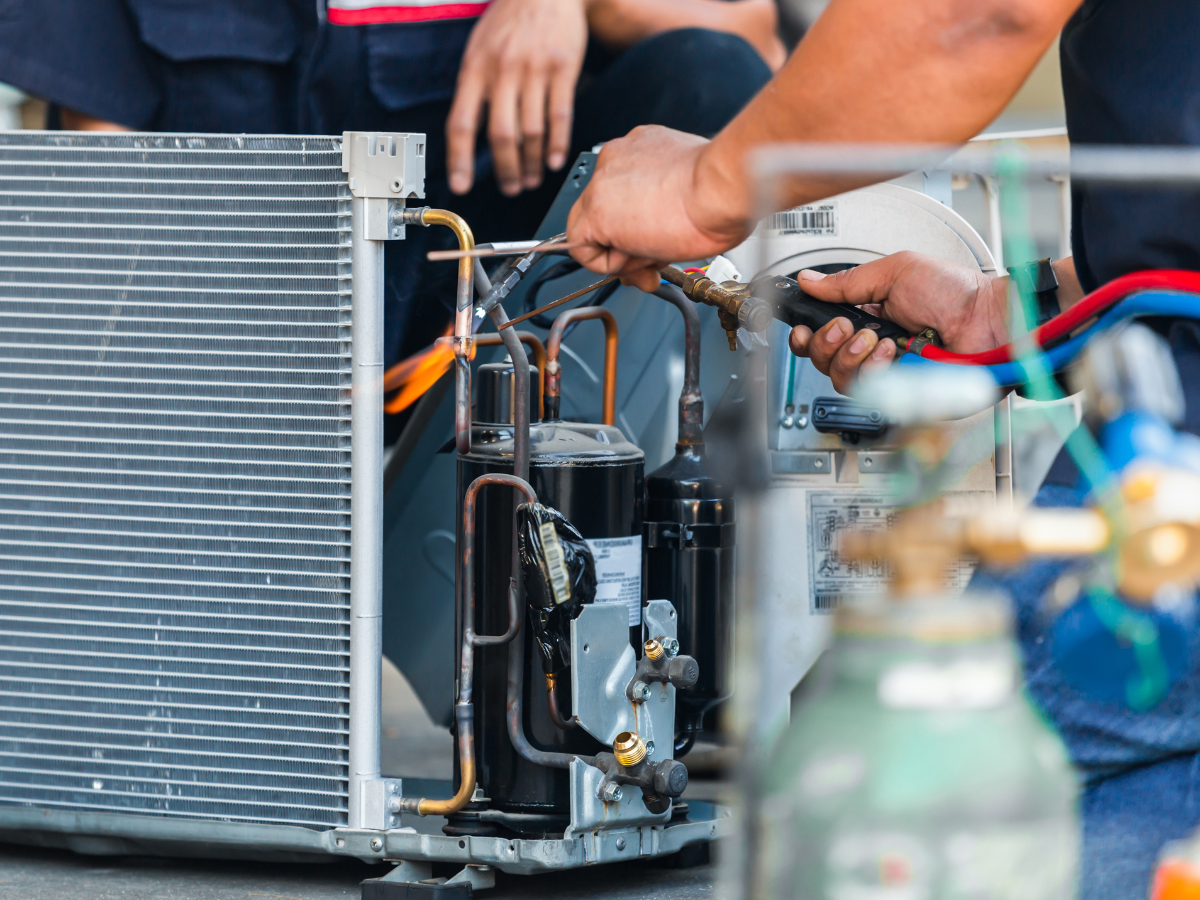
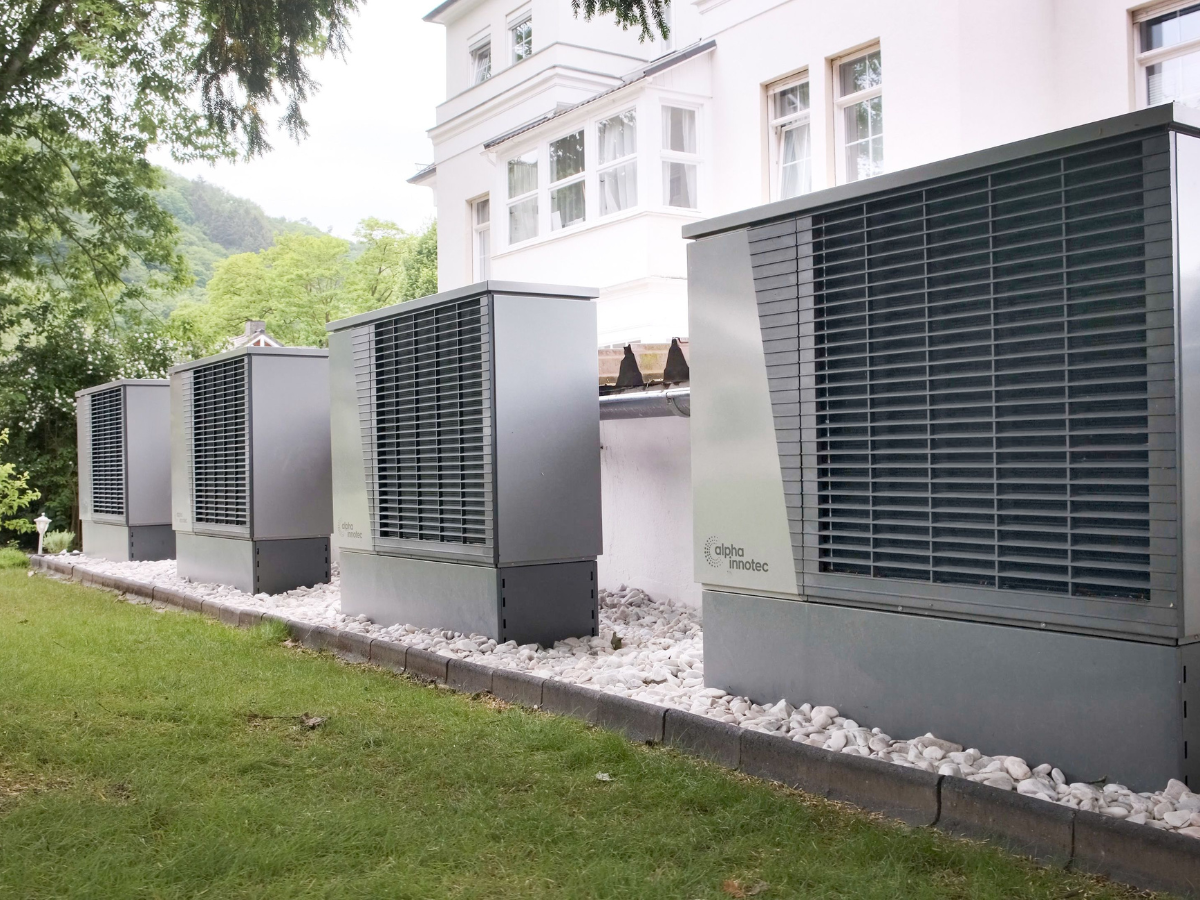
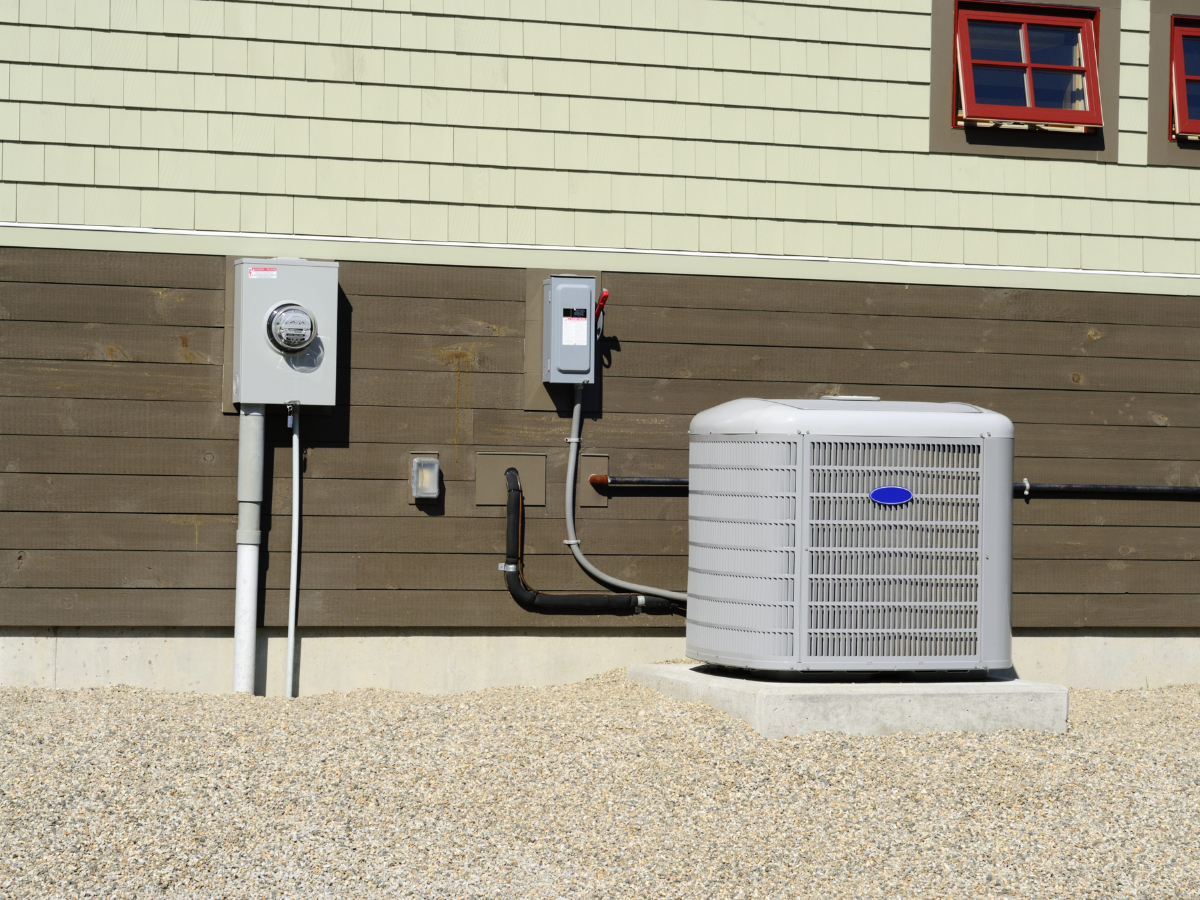
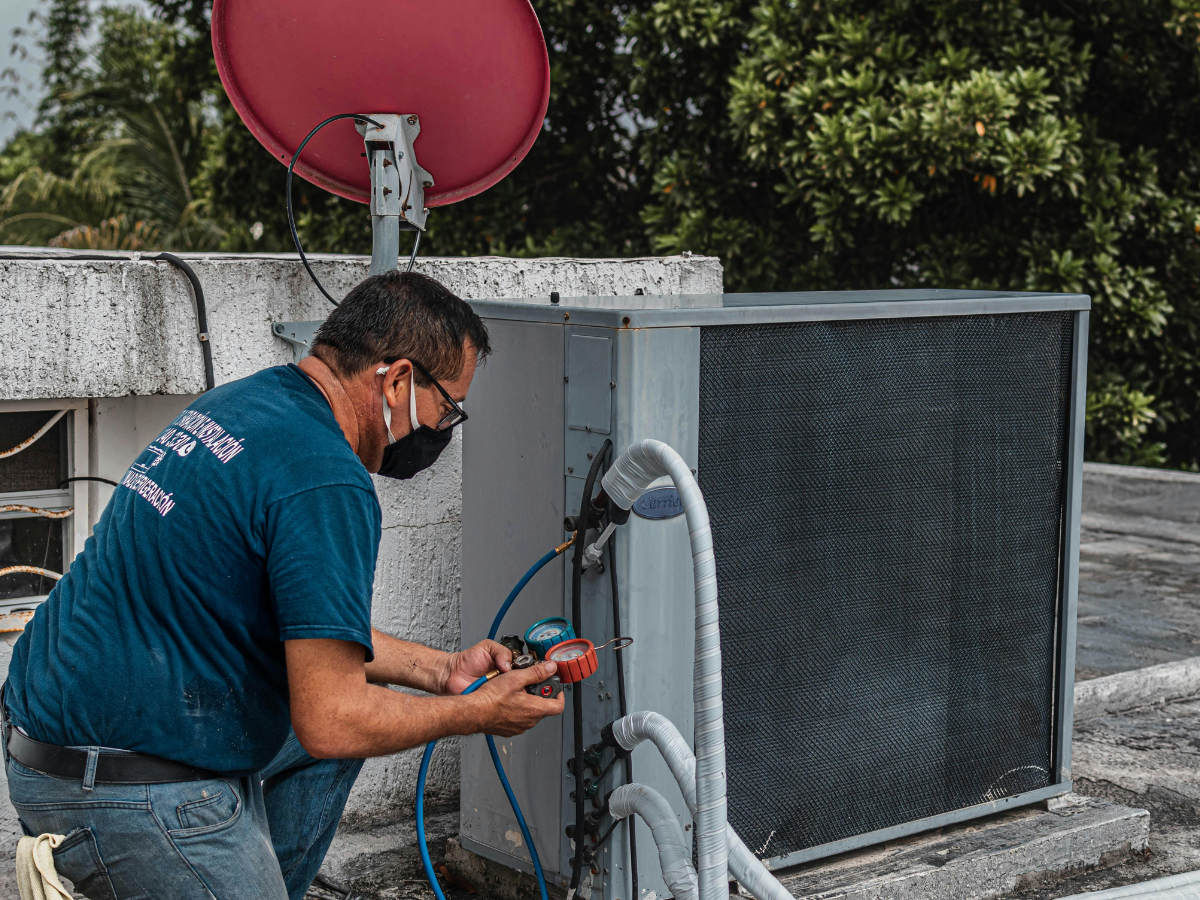
- Outdoor unit (condenser): Houses the compressor, condenser coil, and a fan that expels heat from the refrigerant.
- Refrigerant lines: Copper tubing connects the two units, allowing the refrigerant cycle to flow continuously.
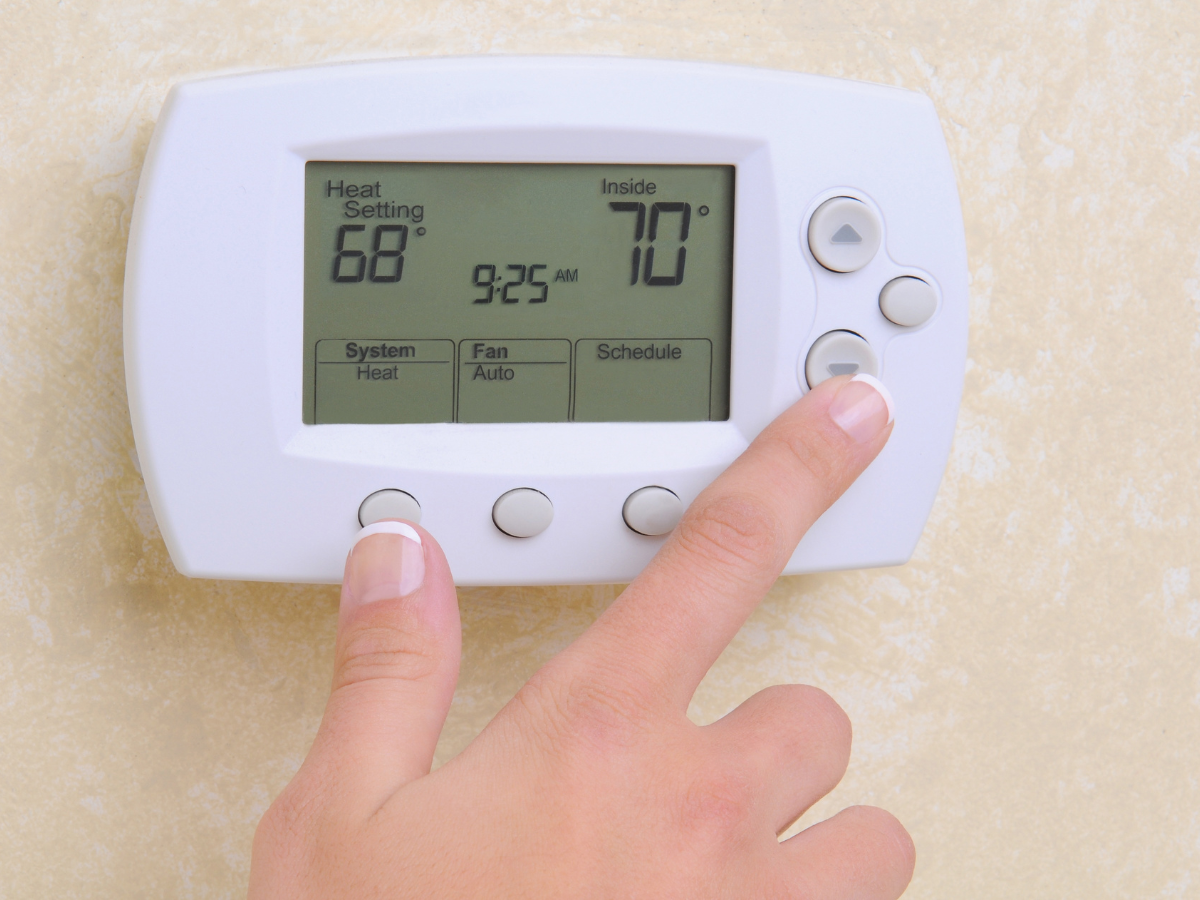
- Thermostat or remote control: Allows precise control over temperature settings, fan speed, and operating modes.
What Are the Key Benefits of Installing a Split System Air Conditioner?
There are several compelling reasons homeowners across the country are making the switch to split system cooling.

- Quiet operation: The compressor, which is the loudest part, sits outdoors, so indoor noise levels stay low.
- No ductwork required: Ductless mini-split systems are perfect for older homes or room additions where installing duct systems would be expensive or impossible.
- Zoned comfort: With a multi-zone split system, you can independently control temperatures in different rooms, reducing unnecessary energy use.
- Improved indoor air quality: Many units include built-in air filtration, dehumidification, and purification features that window units simply cannot match.
How Is a Split System Air Conditioner Different From a Central AC or Window Unit?
This is one of the most common questions homeowners ask when exploring their options.
- Central air conditioning relies on a network of ducts to distribute cooled air across the entire home. While effective, it can lead to significant energy loss through duct leakage and requires more extensive installation, whereas a split system AC operates without the need for whole-home ductwork.
- Window units are self-contained and affordable but offer poor energy efficiency, limited coverage, and considerable noise.
- Split systems hit a sweet spot: they are far more efficient than window units, require no ductwork, and offer flexible room-by-room temperature control that central systems generally cannot provide without smart zoning upgrades.
Is a Split System Air Conditioner Energy Efficient?
Yes, and this is one of its biggest selling points. Split systems use inverter technology to adjust the compressor speed based on how much cooling is actually needed, rather than constantly cycling on and off.

Look for units with a high SEER rating (Seasonal Energy Efficiency Ratio). Models with a SEER rating of 20 or above can deliver outstanding performance while helping to significantly lower your monthly energy bills. A higher rating also means better control over central ac energy usage, making your system more efficient throughout the year.
Many homeowners also qualify for federal energy efficiency tax credits when upgrading to high-efficiency split systems, making the investment even more financially sound.
What Types of Split System Air Conditioners Are Available?
Not all split systems are created equal. Here are the main types you should know:
- Single-zone mini-split: One outdoor unit paired with one indoor unit. Ideal for cooling a single room or open-concept space.
- Multi-zone mini-split: One outdoor unit connected to multiple indoor units, allowing customized zoned cooling throughout the home without ductwork.
- Ducted split system: Combines the efficiency of a split system with a duct network, offering a discreet solution for homes that already have ductwork installed.
- Heat pump split system: Functions as both a cooling and heating system, making it a year-round comfort solution for moderate climates.
How Do You Know If a Split System Air Conditioner Is Right for Your Home?
A split system could be the right choice if you are dealing with any of the following situations:
- Your home does not have existing ductwork, or your ducts are outdated and leaking.
- You have a room addition, sunroom, or garage that your central system does not reach.
- You want individualized temperature control for different household members without upgrading your entire HVAC system.
- You are focused on reducing energy consumption and want a cooling system with advanced smart thermostat compatibility.
The best way to confirm the right system for your home is to consult with a licensed HVAC professional who can assess your space, load requirements, and budget before recommending a solution.
Frequently Asked Questions
How long does a split system air conditioner last?
With proper maintenance, a split system can last 15 to 20 years. Regular filter cleaning, annual professional servicing, and timely refrigerant checks are key to maximizing the lifespan of your unit.
Can a split system air conditioner heat my home as well?
Yes, if you choose a heat pump split system, it can both cool and heat your home by reversing the refrigeration cycle. This makes it a highly versatile and cost-effective option for year-round climate control.
How difficult is it to install a split-system air conditioner?
Installation requires a small hole in the wall for the refrigerant lines and should always be handled by a certified HVAC technician. It is generally faster and less disruptive than central AC installation, often completed within a single day.
Do split system air conditioners require a lot of maintenance?
Routine maintenance is straightforward. Cleaning or replacing air filters every 4 to 6 weeks, scheduling an annual professional tune-up, and keeping the outdoor unit clear of debris are the main tasks required to keep your system running efficiently.
How much does a split system air conditioner cost to run?
Operating costs depend on your unit's SEER rating, local electricity rates, and how often you run the system. However, because of inverter-driven compressors and zoned cooling, most homeowners report noticeably lower utility bills compared to central AC systems.
Ready to Upgrade Your Home Comfort?
A split system air conditioner is one of the smartest investments a homeowner can make for long-term comfort, energy savings, and improved indoor air quality. Whether you need to cool one room with a ductless mini split or your entire home, there is a split system solution designed to meet your needs.
At Air Master Inc., our team of certified HVAC specialists is ready to help you find, install, and maintain the perfect split system for your home. Do not let another hot summer or freezing winter catch you off guard.
Contact Air Master Inc. today for a free consultation. Let our experts design the ideal cooling and heating solution for your home so you can stay comfortable all year long.