BLOGS
HVAC system maintenance is essential for keeping your heating and cooling equipment running efficiently, safely, and reliably. Many homeowners know they need maintenance, but they are not always sure what it actually includes. Proper inspections also ensure your system matches your home’s needs by referencing tools like an HVAC Sizing Chart, which helps prevent energy waste and uneven temperatures.
In this guide, we break down every key component of professional HVAC maintenance, explain why each step matters, and help you understand how regular service protects your investment. Whether you rely on your system for summer cooling or winter heating, routine care—such as making sure technicians clean HVAC unit components—improves airflow, efficiency, and indoor air quality.
What Is HVAC Maintenance?
At its core, HVAC maintenance is a scheduled series of inspections, cleanings, and calibrations designed to keep your heating, ventilation, and air conditioning units in peak condition. This also includes tasks like checking condensate lines and learning how to Drain Window AC systems properly to avoid leaks, moisture buildup, and unexpected system damage.
Unlike an air conditioner repair visit, which happens after a failure occurs, maintenance is preventative. It involves a technician looking for signs of wear and tear, ensuring safety protocols are functioning, and optimizing the system for the lowest possible energy consumption. Whether it’s AC maintenance in the spring or furnace maintenance in the fall, the goal remains the same: reliability and efficiency.
Why Regular HVAC Maintenance Matters
Routine HVAC services provide long-term benefits that go beyond simple performance checks.
- Improved Energy Efficiency: When components are clean and properly adjusted, your system does not have to work as hard. This reduces energy consumption and lowers monthly utility bills.
- Longer Equipment Lifespan: Wear and tear increases when maintenance is skipped. Regular inspections and adjustments help extend the life of both your air conditioner and furnace.
- Fewer Emergency Repairs: Small issues discovered during maintenance can be corrected before they become expensive air conditioner repair calls.
- Better Indoor Comfort: Proper airflow and calibrated controls help maintain consistent temperatures throughout your home. For homeowners across the US, preventive HVAC maintenance is one of the most cost-effective ways to protect comfort and efficiency.
- Air Filter Inspection & Replacement: Air filter replacement is one of the most important parts of HVAC system maintenance.

Why It Matters
A clogged air filter restricts airflow, increases strain on the blower motor, and reduces overall efficiency. It can also negatively impact indoor air quality.
What Technicians Check
- Condition of the existing filter
- Proper size and installation
- Airflow performance
- Signs of excessive dust buildup
Replacing dirty filters improves system performance and helps maintain clean air inside your home.
Cleaning and Inspection of Coils
Coil cleaning and inspection play a critical role in heat transfer and system efficiency.
Evaporator Coil
This indoor coil absorbs heat from your home. Dirt buildup reduces cooling performance and can cause the system to freeze.
Condenser Coil
Located outside, this coil releases heat. Debris and grime can block airflow and force the system to overheat.
During maintenance, technicians clean both coils as needed and inspect them for damage or corrosion. Clean coils allow your system to operate efficiently and reduce the risk of costly breakdowns.
Checking Refrigerant Levels and Leaks
A refrigerant level check ensures your air conditioner can cool effectively.
Low refrigerant levels may indicate a leak and can lead to:
- Reduced cooling capacity
- Increased energy usage
- Ice buildup
- Compressor damage
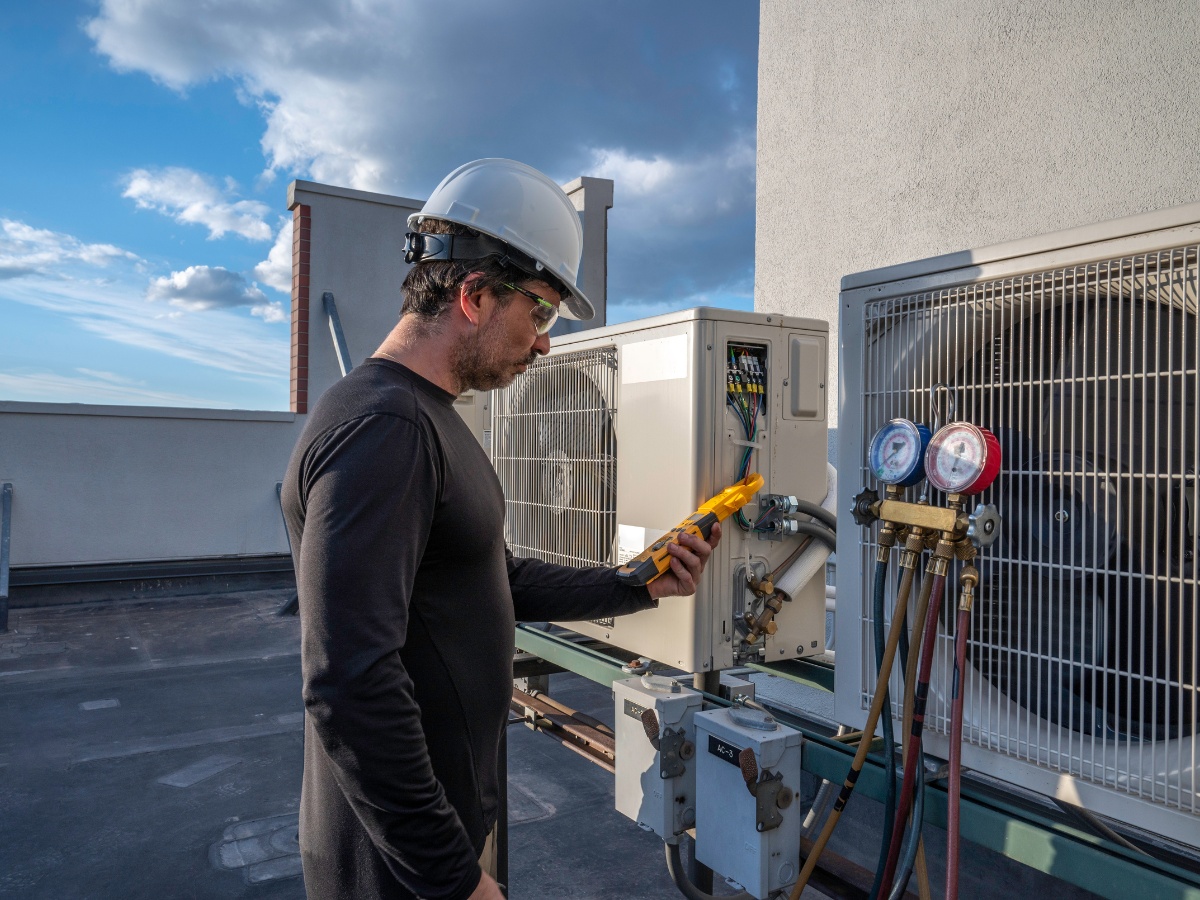
Technicians measure refrigerant pressure and confirm it matches manufacturer specifications. If leaks are suspected, further diagnostic steps are recommended to prevent long-term damage.
Electrical System Checks and Controls Testing
Electrical connections inspection is vital for both safety and reliability.
Loose or damaged wiring can cause system malfunctions, short cycling, or even safety hazards. Maintenance typically includes:
- Tightening electrical connections
- Inspecting capacitors and relays
- Testing contactors
- Verifying thermostat calibration
- Checking system controls
These checks ensure that all components communicate properly and operate safely.
Lubrication and Inspection of Moving Parts
Your HVAC system contains motors, bearings, and other moving components that require proper care.
During maintenance, technicians:
- Lubricate applicable moving parts
- Inspect blower assemblies
- Check motor performance
- Evaluate overall mechanical operation
Reducing friction helps prevent overheating and premature part failure.
Drain Line, Ductwork & Ventilation Maintenance
Drain lines and ductwork significantly affect performance and indoor air quality.
Drain Line Maintenance
Condensate drain lines remove excess moisture from the system. If clogged, they can cause water damage and mold growth. Technicians flush and clear these lines to ensure proper drainage.
Ductwork and Airflow Maintenance
Proper airflow is essential for consistent comfort. During service, technicians inspect visible ductwork for leaks, loose connections, and airflow restrictions.
If you are searching for reliable service in your area, learn more about HVAC Maintenance Tulsa to keep your system operating at peak performance.

FAQ
Q. How often should HVAC maintenance be performed?
Ideally, you should have your system serviced twice a year: once in the spring for your AC and once in the fall for your furnace or heat pump.
Q. Can homeowners do HVAC maintenance themselves?
Homeowners can handle basic tasks like changing air filters and clearing debris from around the outdoor unit. However, technical tasks like checking refrigerant pressures, cleaning internal coils, and testing electrical components should be left to the pros.
Q. Does HVAC maintenance improve energy efficiency?
Yes, significantly. A well-maintained system can run up to 15-20% more efficiently than one that has been neglected for years.
Q. What happens if HVAC maintenance is skipped?
Expect higher energy bills, more frequent breakdowns, and a system that likely won't last more than 10 years. You also risk voiding your manufacturer’s warranty.
Q. Is HVAC maintenance worth the cost?
Absolutely. The cost of a seasonal tune-up is a fraction of the price of an emergency repair or a full system replacement.
Conclusion: Stay Ahead with Professional HVAC System Maintenance
Knowing what HVAC maintenance includes helps you understand why routine service is so important. From air filter replacement and refrigerant level checks to coil cleaning and electrical connection inspection, every step supports efficiency, reliability, and safety.
Do not wait for your system to break down. Schedule professional HVAC system maintenance today to improve performance, lower energy costs, and enjoy dependable comfort throughout the year.