BLOGS
HVAC system maintenance is often overlooked until performance drops or a breakdown occurs. Many homeowners assume their heating and cooling system will continue working without regular attention, but HVAC systems operate under constant stress. Over time, small issues build up quietly, leading to reduced efficiency, rising energy bills, and unexpected failures.
Understanding why HVAC maintenance is important helps homeowners protect comfort, control long term costs, and avoid unnecessary disruptions. Regular maintenance keeps systems running efficiently, supports indoor air quality, and reduces the likelihood of emergency repairs. When HVAC system maintenance becomes a routine part of home care, it delivers both immediate and long term benefits.
What HVAC Maintenance Entails
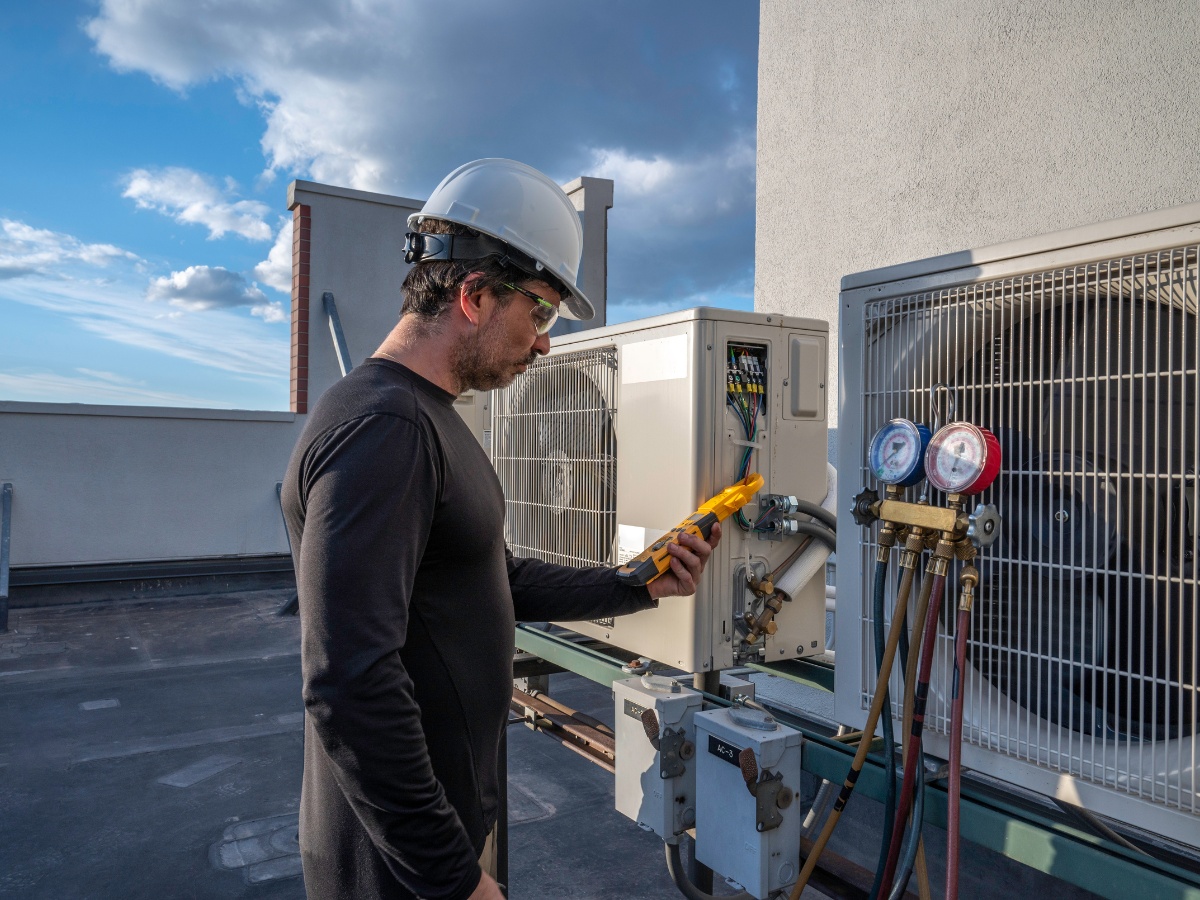
HVAC maintenance refers to a set of professional inspections, cleaning tasks, and system checks designed to keep heating and cooling equipment operating as intended. It focuses on prevention rather than reaction.
Typical HVAC maintenance includes:
- Inspecting electrical connections and controls
- Cleaning internal components and coils
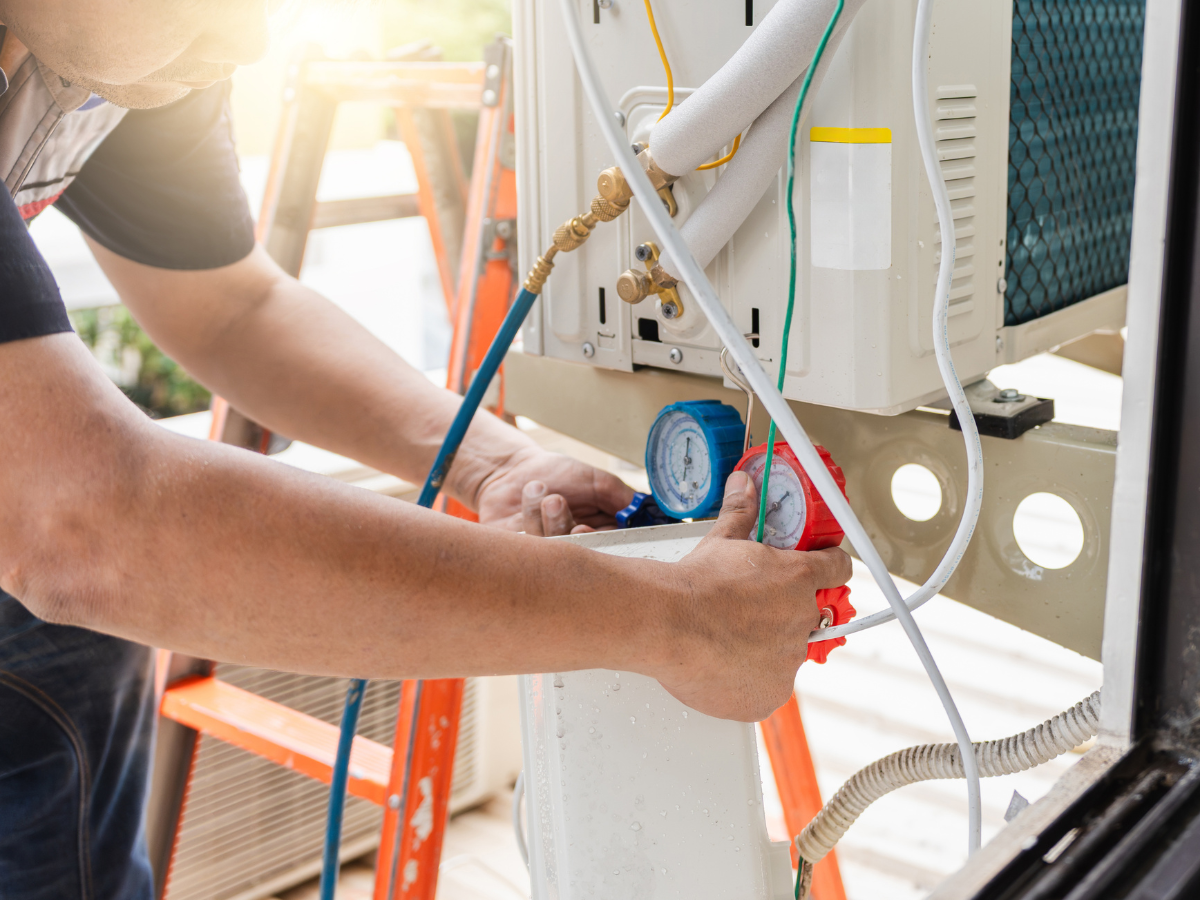
- Checking refrigerant levels
- Inspecting air filters and airflow
- Testing system performance and safety
These steps help identify early signs of wear before they turn into costly problems. Consistent HVAC system maintenance ensures the system operates reliably throughout the year.
Why Regular HVAC Maintenance Matters
Regular HVAC maintenance matters because HVAC systems work continuously to regulate indoor comfort. Even minor issues can affect performance if left unaddressed.
Routine maintenance helps:
- Maintain consistent heating and cooling
- Reduce system strain
- Prevent unexpected breakdowns
- Extend equipment lifespan
When HVAC system maintenance is skipped, components work harder than necessary. This leads to faster wear and increased risk of system failure during peak seasons.
How HVAC Maintenance Improves Energy Efficiency
Energy efficiency is one of the biggest benefits of HVAC system maintenance. Dust buildup, clogged air filters, and poorly calibrated components force systems to use more energy to achieve the same results.
HVAC maintenance improves efficiency by:
- Keeping airflow pathways clear
- Ensuring components operate at proper levels
- Reducing energy waste caused by friction and blockage
- Helping systems reach target temperatures faster
Well maintained systems use less energy, which helps lower monthly utility costs while supporting long term performance.
What Benefits You Get from Routine HVAC Care
Routine HVAC care provides benefits that go beyond basic comfort. Many homeowners notice improvements soon after maintenance is performed.
Key benefits of HVAC system maintenance include:
- Fewer emergency repair calls
- More consistent indoor temperatures
- Improved system reliability
- Better control over energy usage
When HVAC maintenance is performed regularly, systems are less likely to fail unexpectedly. Over time, these benefits add up to meaningful savings and improved comfort.
How Maintenance Enhances Indoor Air Quality
Indoor air quality is directly connected to HVAC performance. Dust, allergens, and airborne particles circulate through HVAC systems and can accumulate when maintenance is neglected.
HVAC maintenance enhances air quality by:
- Ensuring air filters are clean and effective
- Reducing dust circulation through the system
- Supporting balanced airflow throughout the home
- Limiting buildup inside system components
For homes experiencing heavy dust or airflow concerns, services such as Air Duct Cleaning may also support improved air quality when used alongside routine HVAC system maintenance.
Why Neglecting HVAC Maintenance Is Costly
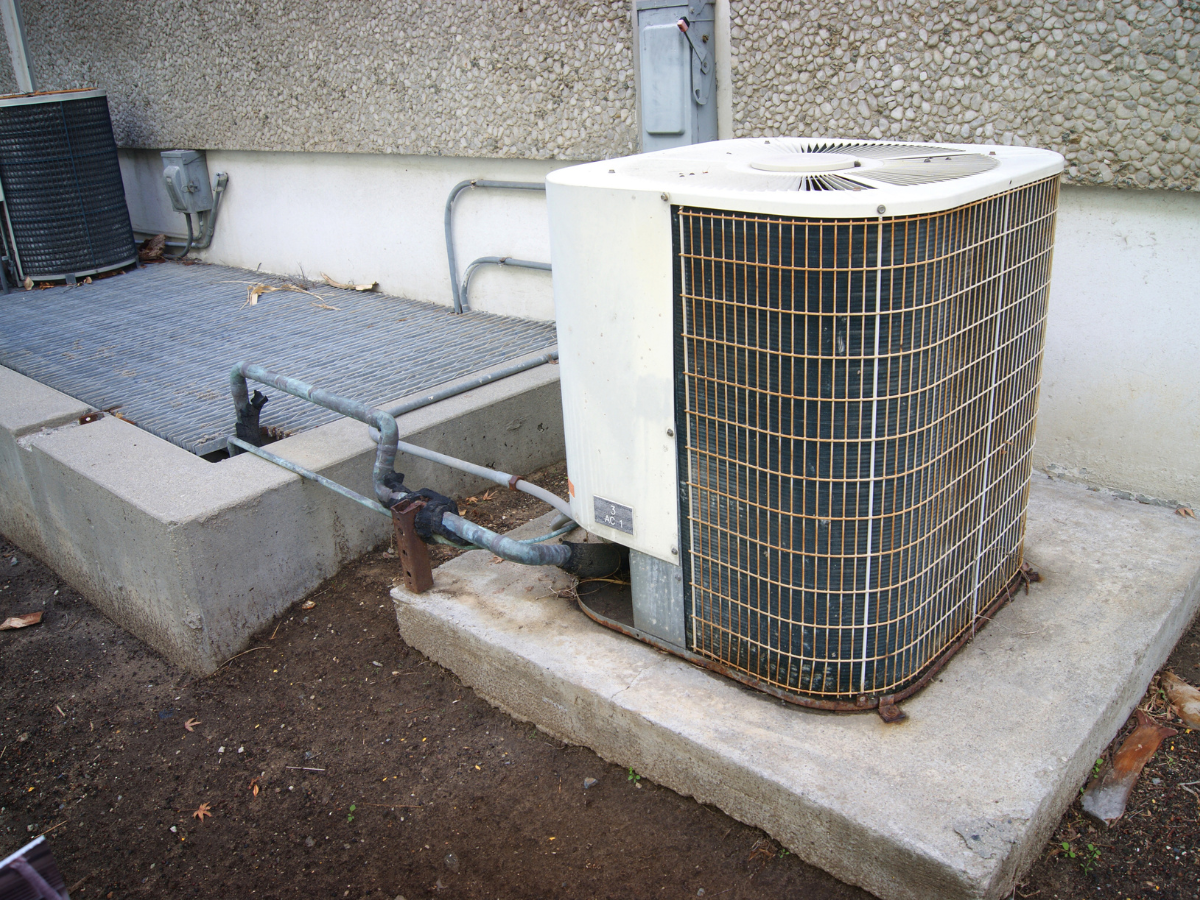
Skipping HVAC maintenance may seem like a way to save money, but it often leads to higher costs over time. Small problems become larger repairs when left unchecked.
Neglecting HVAC system maintenance can result in:
- Increased energy bills
- More frequent system repairs
- Shortened equipment lifespan
- Higher replacement costs
Many major breakdowns begin as minor issues that routine HVAC maintenance could have addressed early. Preventive care helps avoid these costly outcomes.
What Safety Risks Regular Checks Prevent
HVAC systems involve electrical components, refrigerants, and heat producing equipment. Without regular inspection, safety risks can develop unnoticed.
Routine HVAC maintenance helps prevent:
Electrical hazards from loose connections
Overheating components
Refrigerant related issues
System malfunctions that impact safety
Professional inspections reduce risks and ensure systems operate within safe limits, protecting both the home and occupants.
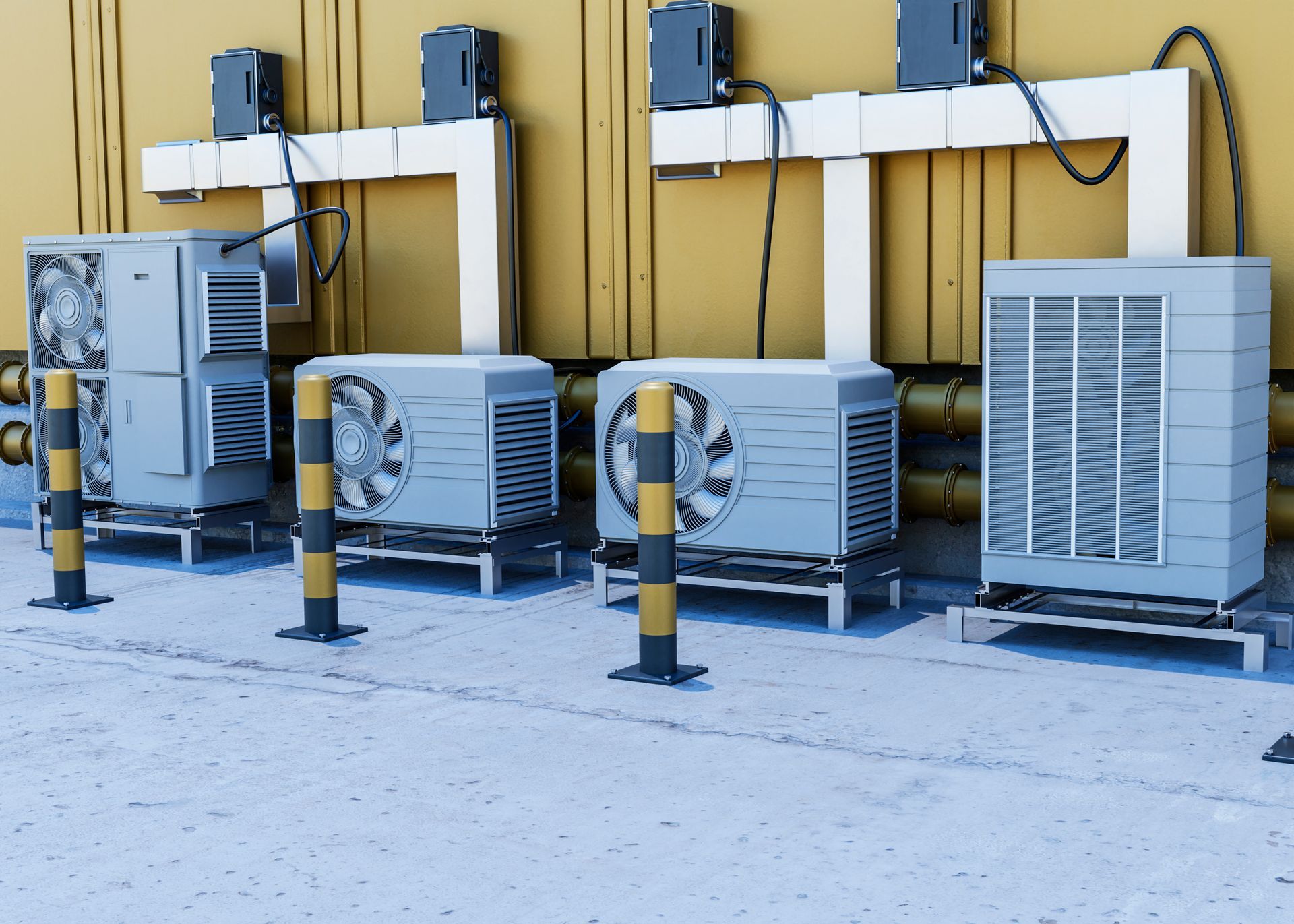
The Role of HVAC Inspections in System Longevity
HVAC inspections are a core part of system maintenance. Inspections allow technicians to assess overall system health and performance.
Regular HVAC inspections help by:
- Identifying worn components early
- Preventing system overload
- Supporting long term reliability
Systems that receive regular inspections often last longer and perform more consistently than systems that are only serviced when problems arise.
How HVAC Service Plans Support Consistent Maintenance
Many homeowners rely on HVAC service plans to keep maintenance on schedule. These plans are designed to simplify routine care.
HVAC service plans help by:
- Scheduling regular maintenance visits
- Reducing the risk of missed inspections
- Providing predictable system care
Consistent HVAC system maintenance through service plans helps prevent gaps in care that lead to unexpected breakdowns.
HVAC Maintenance vs HVAC Repair
HVAC maintenance and HVAC repair serve different purposes. Maintenance focuses on prevention, while repair addresses existing problems.
Key differences include:
Maintenance reduces the need for repairs
Repairs address failures after they occur
Preventive care costs less than emergency fixes
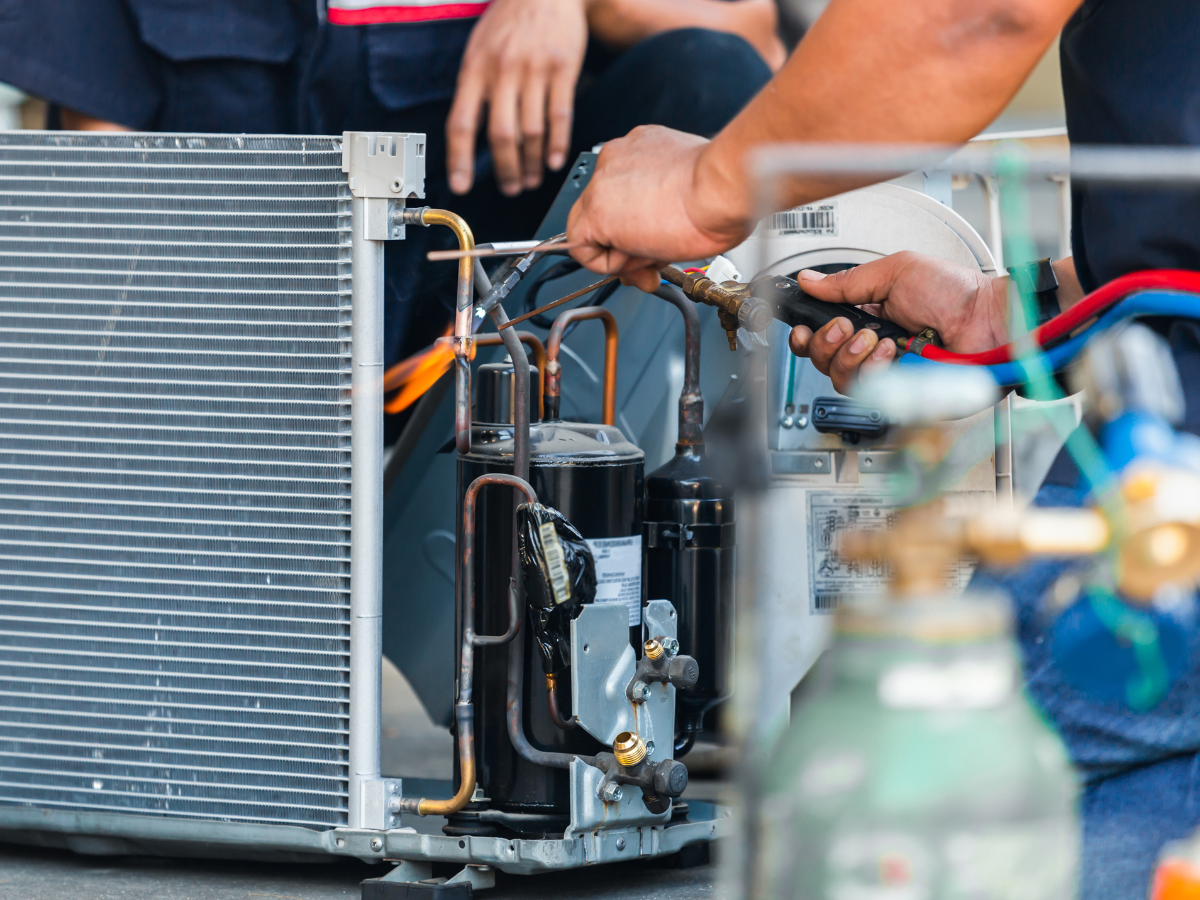
When systems experience performance issues beyond routine care, HVAC Repair may be required to restore proper operation. Regular maintenance helps minimize the frequency of these situations.
Residential and Commercial HVAC Maintenance Needs
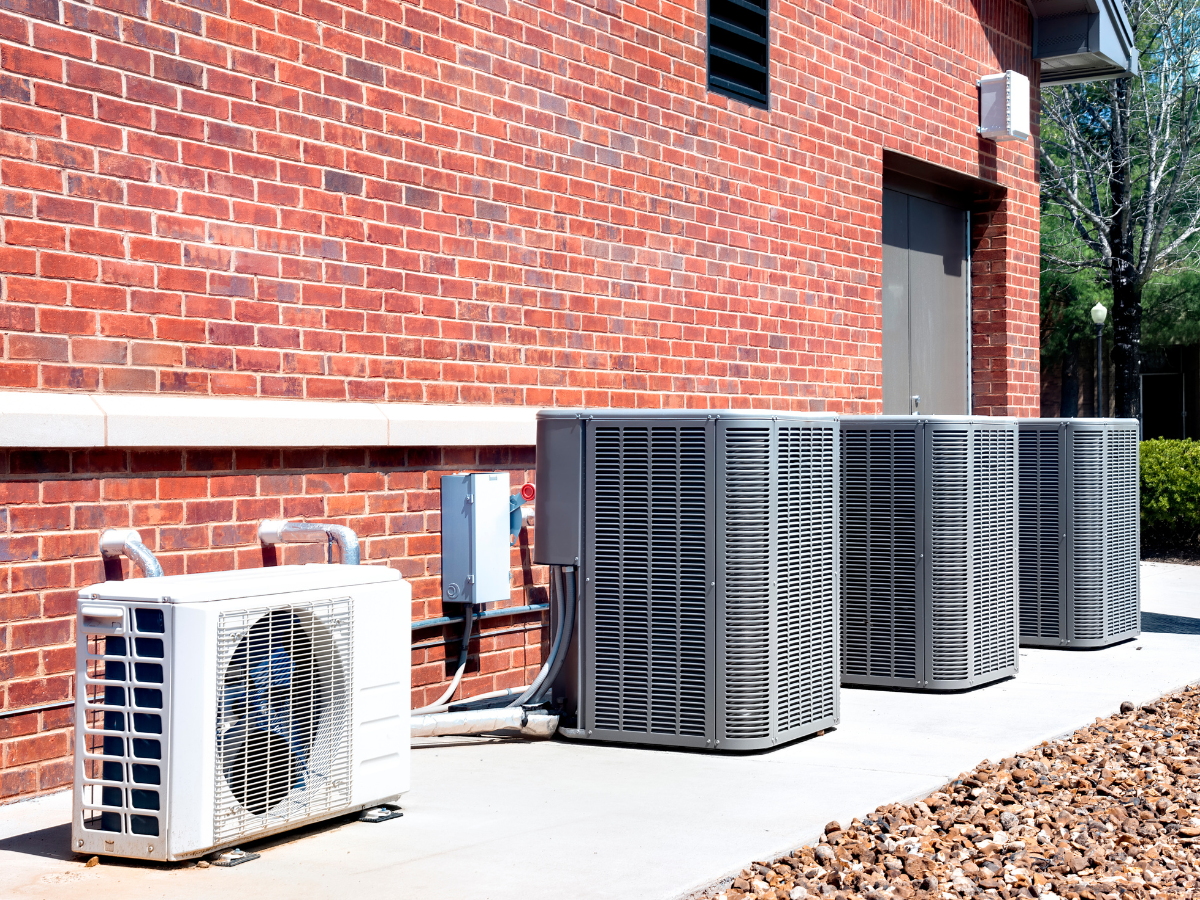
Residential and commercial HVAC systems differ in size, usage, and maintenance requirements. Commercial systems often operate longer hours and support larger spaces.
Commercial HVAC maintenance typically involves:
- More frequent inspections
- Larger system components
- Higher performance demands
Residential systems generally require less frequent service, but consistent HVAC system maintenance remains equally important for long term reliability.
Understanding the Long Term Value of HVAC Maintenance
The value of HVAC system maintenance becomes more apparent over time. Preventive care reduces unexpected expenses and protects system investment.
Long term value includes:
- Lower lifetime system costs
- Reduced emergency repairs
- Improved energy efficiency year after year
Homeowners who prioritize HVAC maintenance often experience fewer disruptions and greater peace of mind.
Conclusion
HVAC system maintenance is important because it protects comfort, efficiency, and safety while reducing long term costs. Regular maintenance improves energy performance, enhances indoor air quality, and prevents small issues from becoming major failures. By staying consistent with inspections, cleaning, and preventive care, homeowners can extend system lifespan and avoid unnecessary repairs. Understanding why HVAC maintenance is important helps ensure reliable heating and cooling while supporting a healthier and more comfortable home.
Frequently Asked Questions
What Are the 3 R's of Hvac?
The 3 R's commonly refer to repair, replace, and routine maintenance, which guide long term system care decisions.
What Are the 5 Pillars of an Hvac System?
Key pillars include efficiency, airflow, filtration, control systems, and regular maintenance.
How Much Does It Cost to Refill Refrigerant in Hvac?
Refrigerant refill costs vary based on system type, refrigerant used, and the amount required.
What Problems Can Be Prevented with Regular Hvac Maintenance?
Regular maintenance helps prevent breakdowns, energy loss, airflow issues, and premature system failure.