BLOGS
How Often to Service HVAC
How often should HVAC be serviced is a question many homeowners ask once their system starts showing small changes in performance. Maybe airflow feels weaker, energy bills are climbing, or the system runs longer than usual—sometimes raising concerns about ac repair cost if issues are ignored. HVAC systems work year-round to regulate comfort, yet they are often forgotten until something goes wrong.
Understanding how often to service HVAC systems helps prevent unexpected breakdowns, improves air quality, and supports long term system performance. This guide explains what HVAC servicing includes, how often it should be scheduled, and what homeowners can do between professional visits to keep systems running smoothly.
What Is HVAC Servicing?
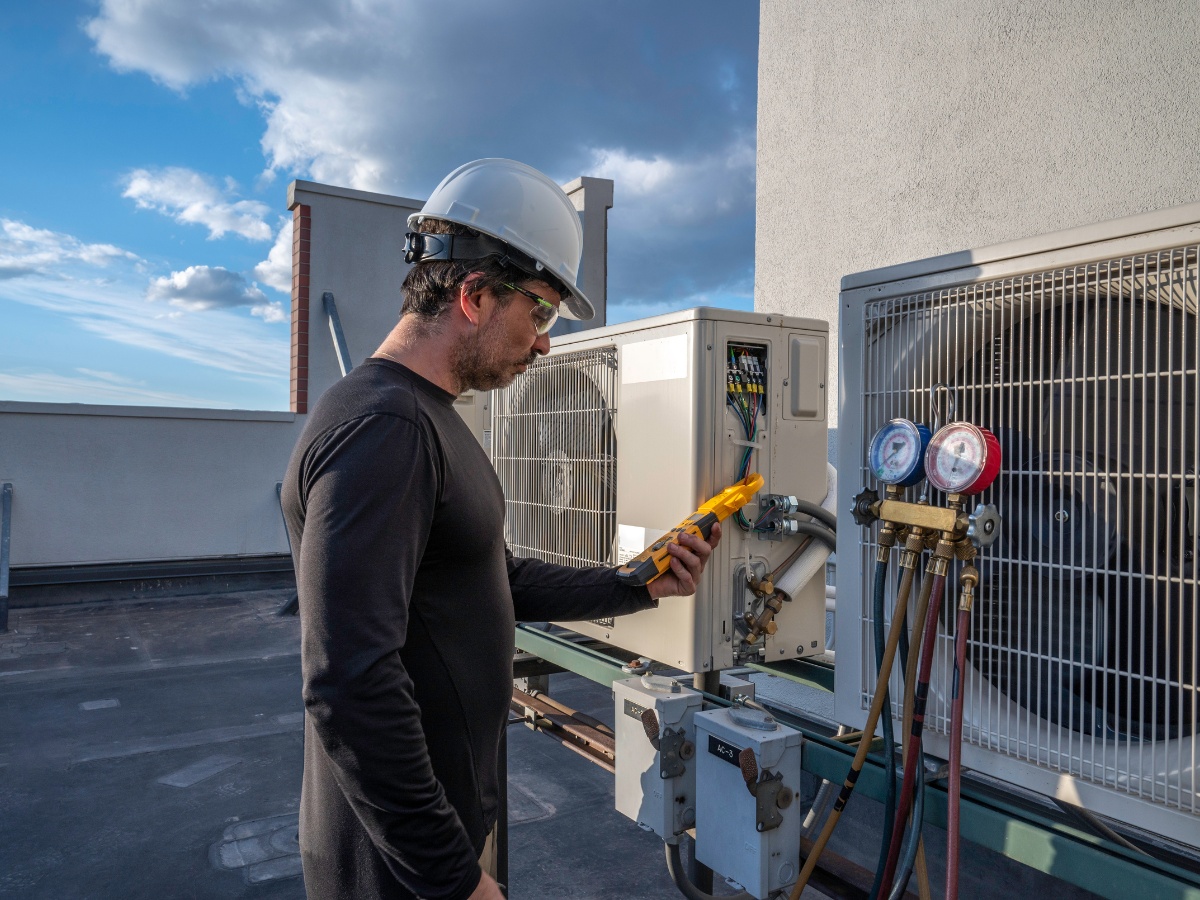
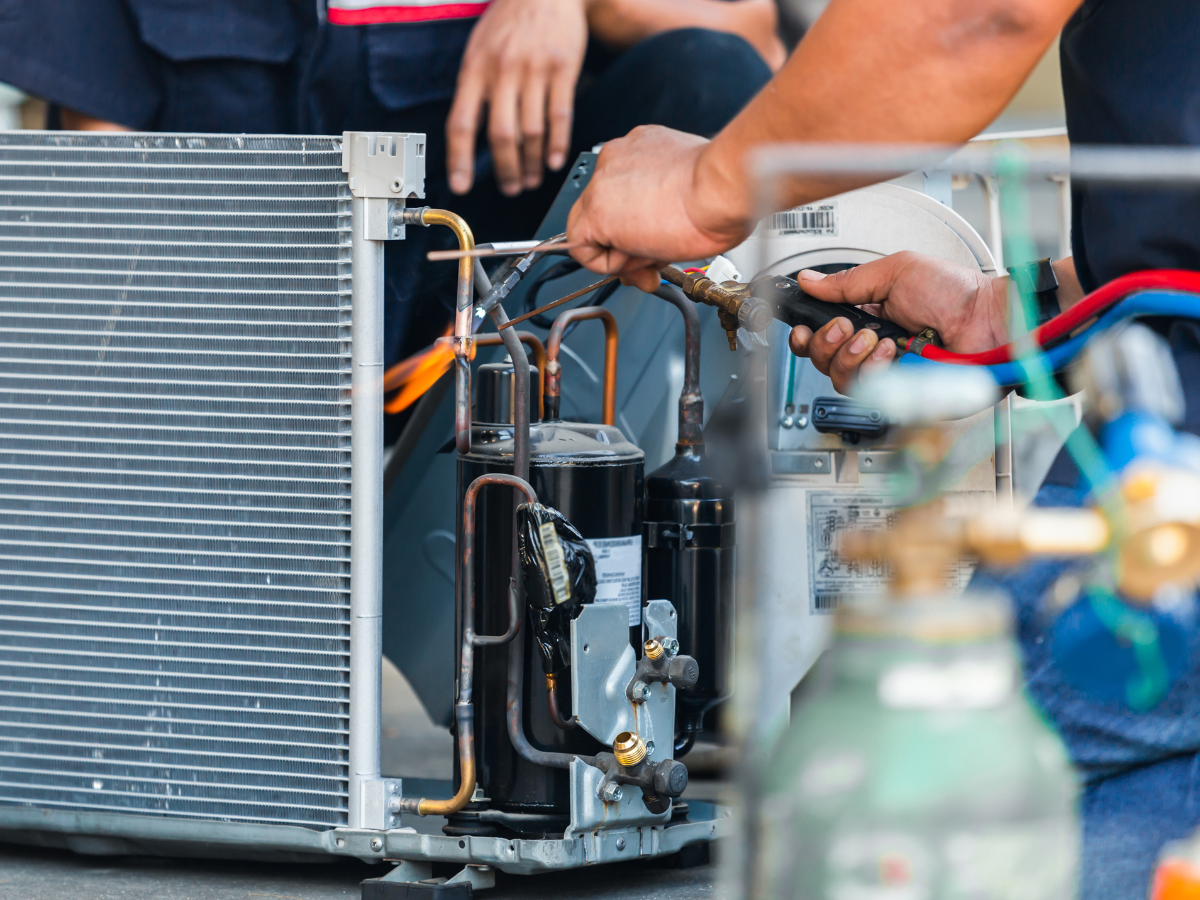
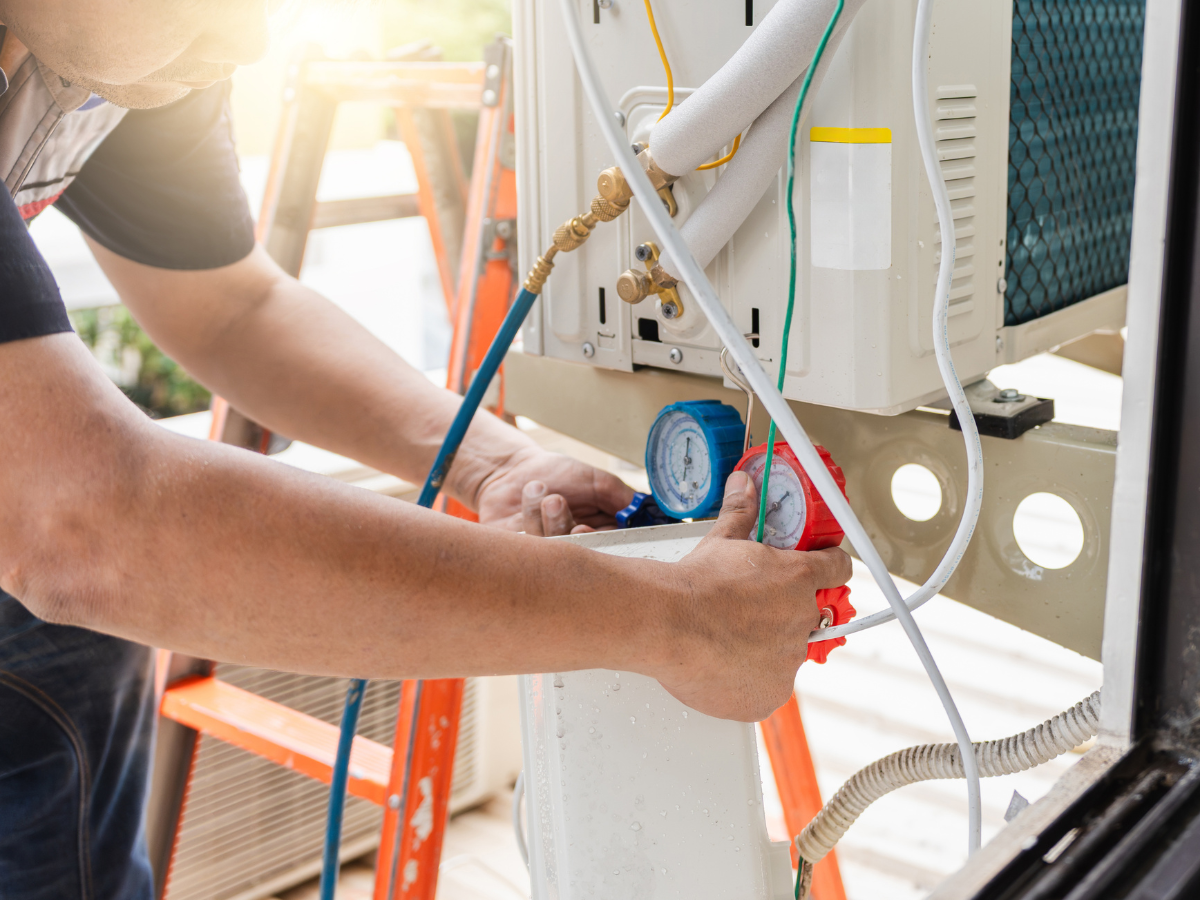
HVAC servicing refers to professional inspection, cleaning, testing, and adjustment of heating and cooling systems to ensure they operate safely and efficiently. It focuses on preventive care rather than waiting for repairs.
A typical HVAC service visit may include:
- Inspecting electrical connections and controls
- Cleaning internal components
- Checking airflow and air filters
- Testing system performance and safety
- Identifying early signs of wear
Regular HVAC maintenance helps catch problems early and keeps the system operating as designed.
Why Regular HVAC Service Matters for Performance
Skipping HVAC service may not cause immediate failure, but it often leads to gradual performance decline. Dust buildup, worn parts, and airflow issues slowly increase system strain.
Regular HVAC service matters because it:
- Helps maintain consistent heating and cooling
- Improves energy efficiency
- Reduces unexpected repair needs
- Supports better indoor air quality
Well maintained systems typically last longer and experience fewer disruptions than systems that only receive attention when problems appear.
How Often Should You Schedule HVAC Maintenance?
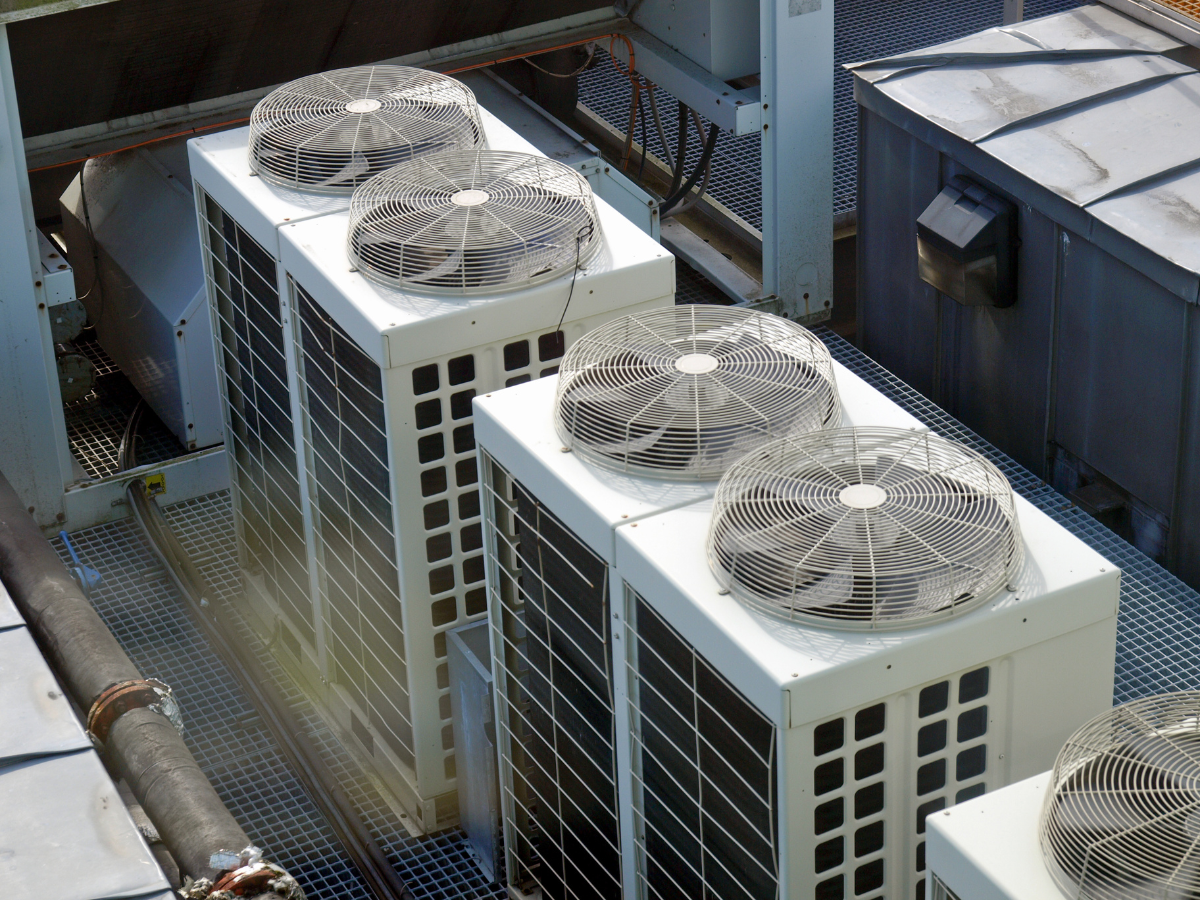
For most homes, HVAC systems should be serviced at least once per year. However, many professionals recommend twice yearly service for optimal performance.
General servicing guidelines include:
- Once before peak cooling season
- Once before peak heating season
This schedule allows technicians to prepare the system for heavy usage, check critical factors like head pressure hvac, and identify issues before extreme temperatures arrive. Homes that rely heavily on HVAC systems may benefit from more frequent HVAC inspections.
What Factors Affect HVAC Service Frequency?
Not all homes have the same HVAC needs. Several factors influence how often HVAC should be serviced.
Key factors include:
- Age of the HVAC system
- Usage frequency throughout the year
- Local climate conditions
- Home air quality concerns
- Presence of pets
Older systems and homes in areas with long heating or cooling seasons often require more frequent HVAC maintenance and seasonal HVAC service to maintain reliability.
How to Tell If Your HVAC Needs Immediate Service
Sometimes HVAC systems show warning signs that should not be ignored. Waiting too long can lead to costly breakdowns.
Signs your HVAC may need immediate service include:
- Unusual noises during operation
- Weak or uneven airflow
- Inconsistent temperatures between rooms
- Increased energy bills
- Frequent system cycling
When these signs appear, scheduling professional hvac maintenance can prevent small issues from becoming major repairs. Read more about Is heating part of HVAC?
Why Timing Your HVAC Service Is Important
Timing plays a major role in HVAC performance and cost control. Servicing too late often means dealing with problems during peak demand.
Proper timing helps by:
- Avoiding emergency repairs during extreme weather
- Ensuring system readiness before heavy use
- Reducing wait times for service appointments
Scheduling service during spring and fall gives technicians time to address issues before systems are under full load.
What DIY Maintenance You Can Do Between Professional Visits
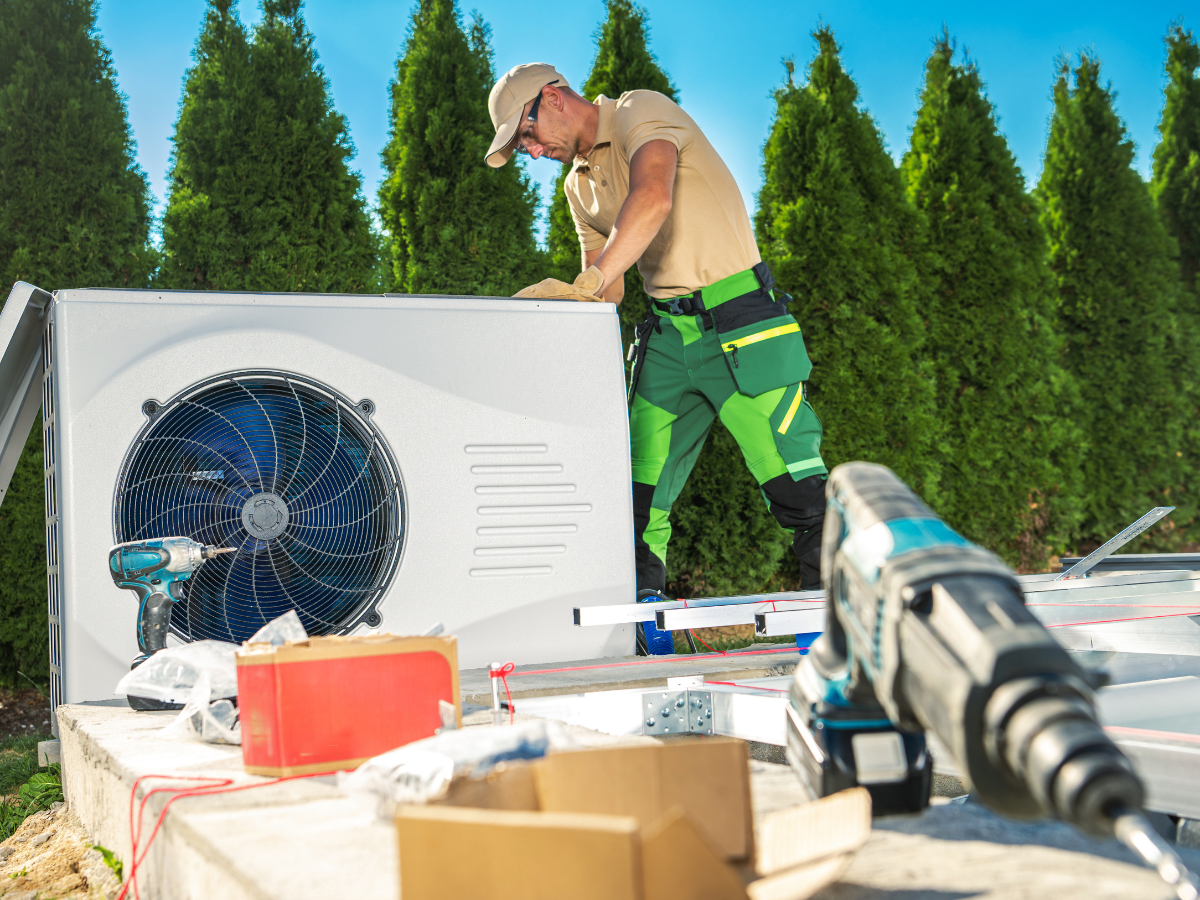
While professional service is essential, homeowners can support HVAC performance with simple maintenance tasks, especially when asking is air duct cleaning really necessary to improve indoor air quality, airflow efficiency, and overall system health.
Helpful DIY maintenance includes:
- Replacing air filters regularly
- Keeping vents clear of obstructions
- Monitoring thermostat settings
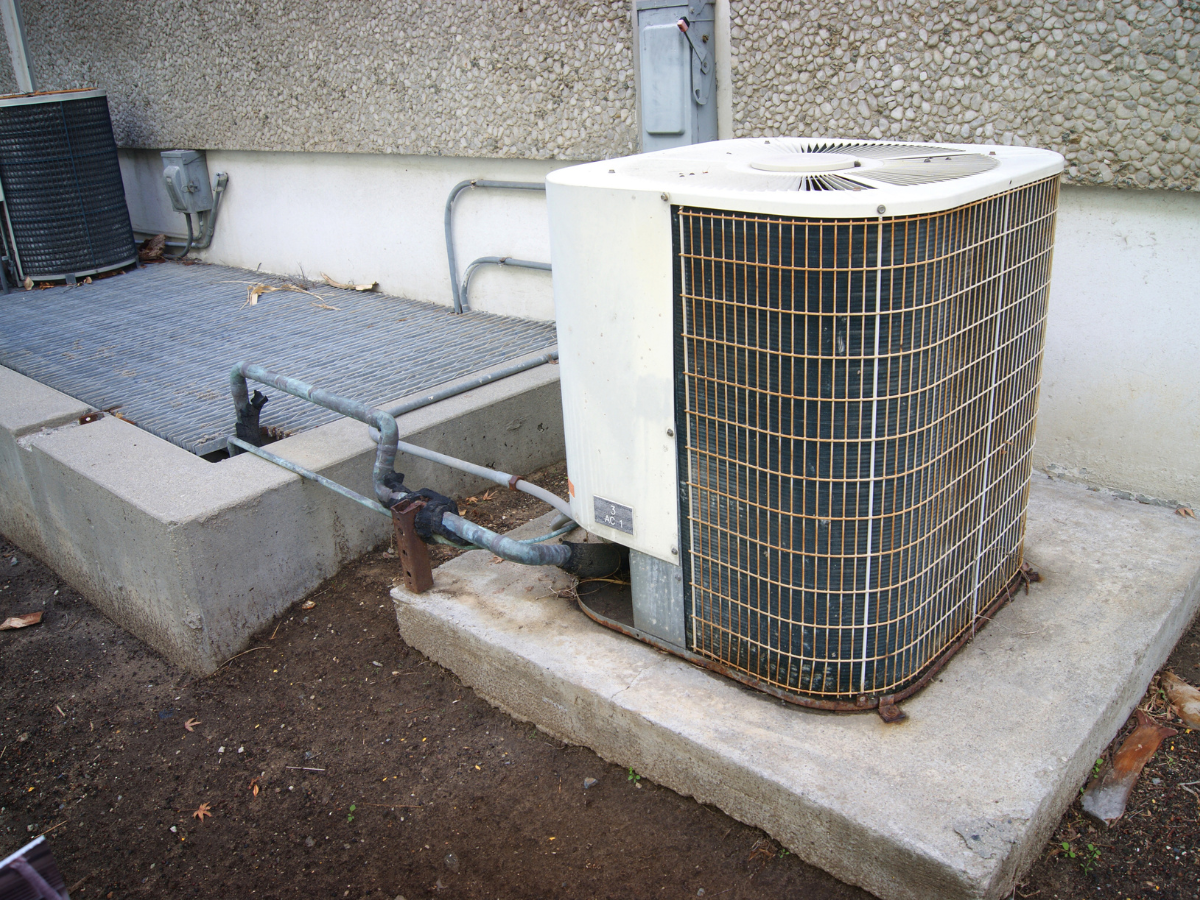
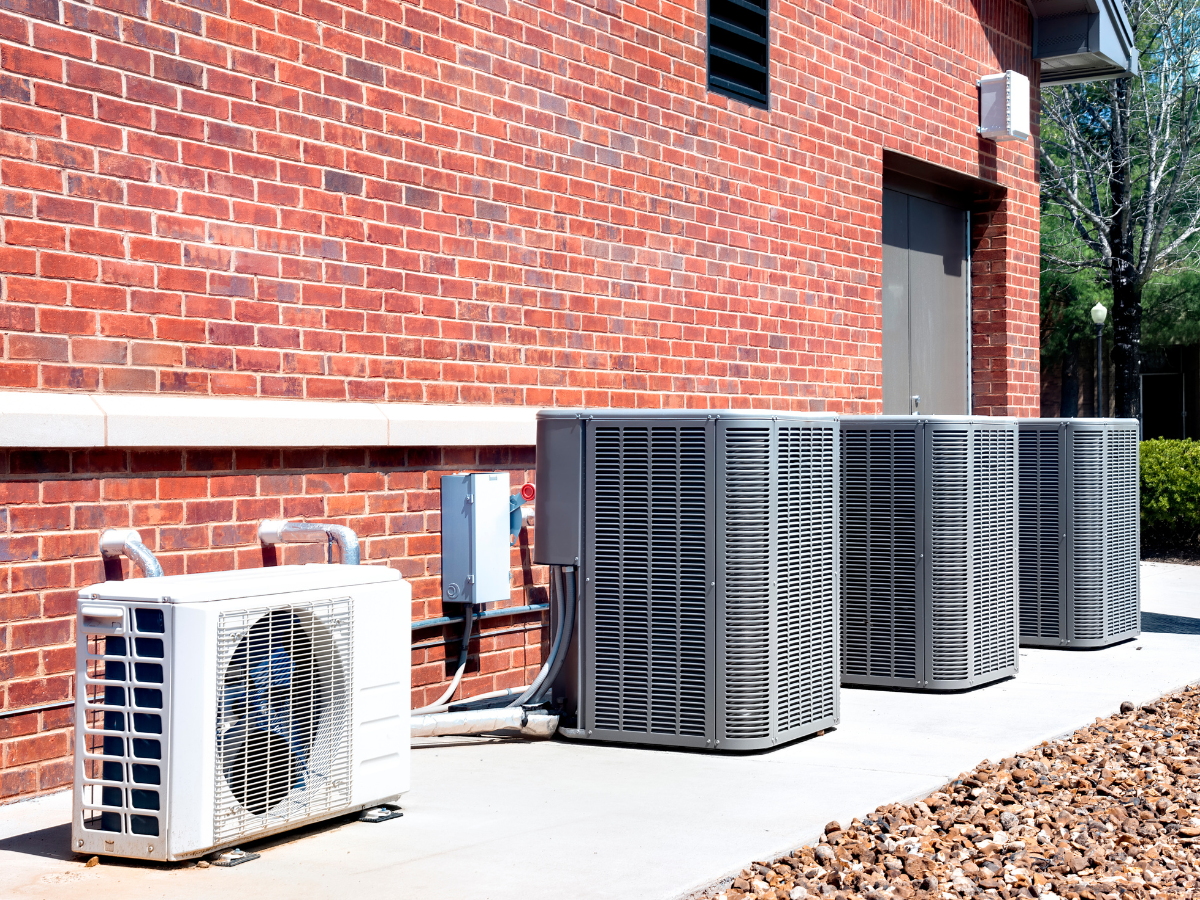
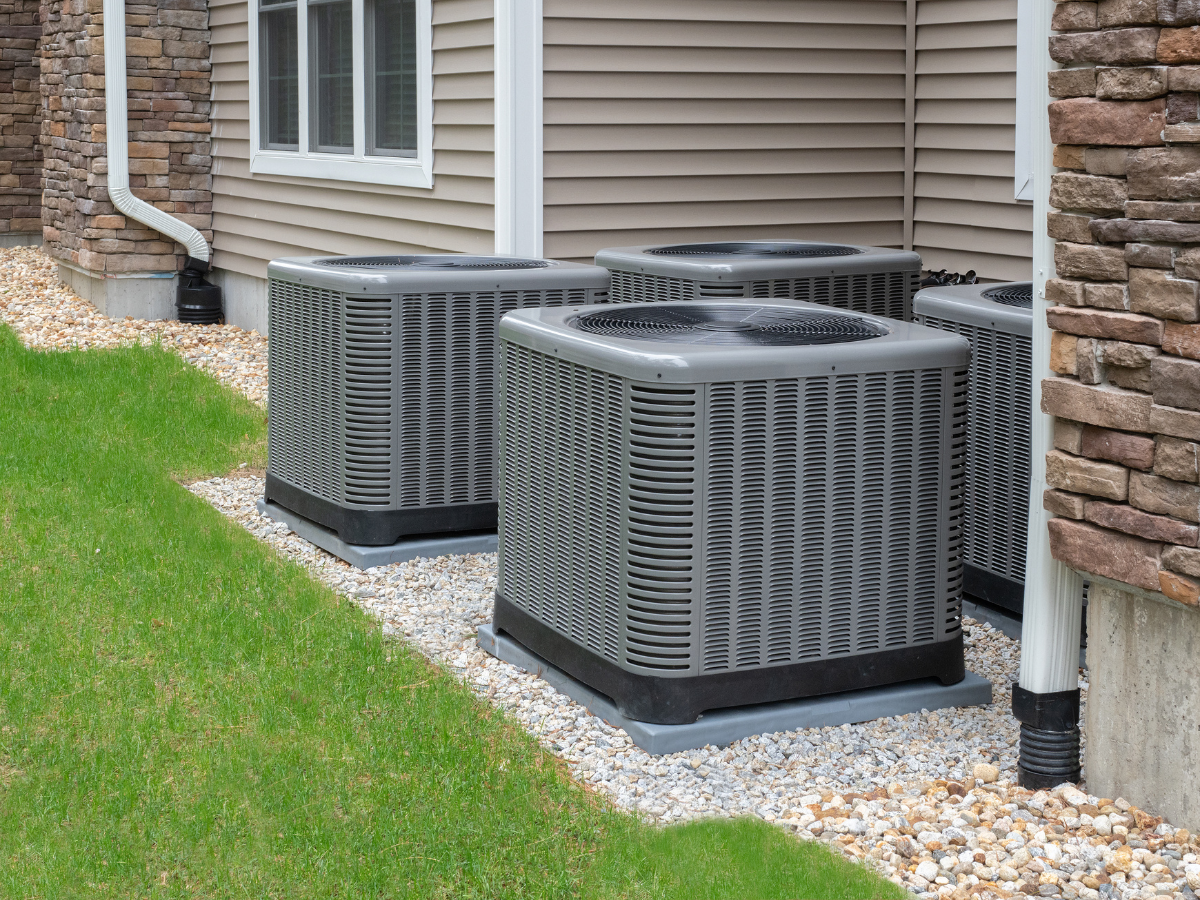
- Checking outdoor unit clearance
These steps support airflow and reduce strain on the system, but they do not replace professional hvac air conditioning service.
The Role of Air Filters in HVAC Maintenance
Air filters play a significant role in system performance and air quality. Dirty filters restrict airflow and force the system to work harder.
Benefits of clean air filters include:
- Improved airflow
- Better indoor air quality
- Reduced system strain
- Lower energy consumption
Replacing air filters regularly helps maintain system efficiency between service visits and supports better indoor air quality, especially when combined with professional air duct cleaning.
How HVAC Service Plans Help Maintain Consistency
Many homeowners choose hvac service plans to ensure maintenance stays on schedule. These plans typically include routine inspections and priority scheduling.
Service plans help by:
- Preventing missed maintenance visits
- Reducing long term repair costs
- Providing consistent system monitoring
Structured plans support reliable performance without relying on memory or last minute scheduling.
HVAC Maintenance and Indoor Air Quality
Indoor air quality is closely connected to HVAC performance. Dust, allergens, and pollutants circulate through the system when airflow pathways are compromised, which is why following practical tips for hvac maintenance can help keep the system clean, efficient, and supportive of healthier indoor air.
Regular HVAC maintenance supports air quality by:
- Keeping airflow components clean
- Supporting effective filtration
- Reducing airborne particle circulation
In some homes, services like Air Duct Cleaning may also support air quality when duct buildup becomes excessive.
Residential vs Commercial HVAC Servicing Needs
Commercial HVAC systems often require more frequent servicing due to longer operating hours and higher usage demands.
Differences include:
- Larger system size
- More complex airflow networks
- Higher indoor comfort requirements
Residential systems generally need less frequent service unless usage is heavy or conditions demand it.
What Happens If You Skip Regular HVAC Maintenance?
Skipping regular HVAC servicing often leads to gradual performance decline rather than sudden failure.
Potential consequences include:
- Higher energy bills
- Increased repair frequency
- Reduced system lifespan
- Poor indoor comfort
Routine hvac maintenance helps avoid these issues by keeping systems operating efficiently.
How Professional HVAC Service Supports Long Term Savings
Professional servicing helps control costs over time by reducing emergency repairs and extending system life.
Professional service supports:
- Accurate diagnostics
- Proper adjustments and cleaning
- Early detection of component wear
When system issues go beyond routine maintenance, services related to Hvac Maintenance help restore performance and reliability.
Conclusion
How often HVAC should be serviced depends on system age, usage, and home conditions, but regular maintenance is essential for long-term performance and managing
hvac repair cost. Scheduling service at least once per year, and ideally twice, helps prevent breakdowns, improves energy efficiency, and supports better indoor air quality. Combined with basic homeowner maintenance and timely inspections, professional HVAC servicing keeps systems dependable and operating efficiently. Knowing how often to service HVAC systems allows homeowners to protect comfort, control costs, and avoid unnecessary disruptions.
Frequently Asked Questions
Can I Maintain My Hvac Myself Between Professional Visits?
Homeowners can handle basic tasks like replacing air filters and keeping vents clear, but professional service is still required for full system care.
What Factors Might Require More Frequent Hvac Servicing?
Older systems, heavy usage, pets, and extreme climate conditions often require more frequent service.
What Happens If I Skip Regular Hvac Maintenance?
Skipping maintenance can lead to higher energy bills, more repairs, and reduced system lifespan.