BLOGS
How Can I Schedule Routine HVAC Maintenance?
Maintaining a comfortable home shouldn’t be a guessing game. For many homeowners, the heating and cooling system is "out of sight, out of mind" until it stops working on the hottest or coldest day of the year. That is where routine HVAC maintenance comes into play.
In this guide, we will break down exactly how to schedule your service, what to expect during a visit, and why being proactive is the best way to protect your investment. By the end of this post, you'll know how to keep your home comfortable year-round without the stress of unexpected breakdowns or the need for Emergency AC Repair Service at the worst possible time. Regular upkeep is the secret to a long-lasting HVAC system. Consistent Bixby AC care is an important part of keeping your cooling system running efficiently. It ensures your air conditioning unit and furnace system operate at peak performance while keeping your monthly utility bills in check.
Why Regular HVAC Tune-Ups Keep Your System Running Strong
Think of your HVAC system like a vehicle. When maintenance is no longer enough, our HVAC installation service Catoosa can help you upgrade to a modern, efficient system. You wouldn't drive 50,000 miles without an oil change, and your home comfort system deserves the same level of care. A seasonal HVAC tune-up ensures that every mechanical component is lubricated, calibrated, and ready for heavy use. When you invest in energy-efficient heating and cooling, you aren't just paying for a technician to look at your unit. You are investing in:
- Extended Equipment Life: Small fixes now prevent total system failures later.
- Lower Utility Bills: Clean systems don’t have to work as hard to move air.
- Safety: Checking gas connections and electrical heat strips prevents fire hazards.
- Warranty Protection: Many manufacturers require proof of professional maintenance to honor equipment warranties.
The Best Time of Year to Book Your HVAC Service Appointment
Timing is everything. Most homeowners wait until their system breaks to call a licensed HVAC contractor, but the smartest move is to beat the seasonal rush.
The ideal schedule for residential HVAC service follows a twice-a-year rule:
- Spring: Schedule maintenance for your AC or heat pump before the summer humidity hits.
- Fall: Schedule a furnace or heating inspection before the first frost of winter.
Booking during these "shoulder seasons" ensures you get a convenient time slot and ensures your system is primed for HVAC system performance optimization before extreme temperatures put it to the test.

Simple Steps to Set Up a Professional HVAC Maintenance Visit
Scheduling your service doesn't have to be a chore. At Air Master Inc., we’ve streamlined the process to make it as easy as possible for busy homeowners.
- Step 1: Assess Your Needs. Determine if you need a standard check-up or if you’ve noticed specific issues like odd noises or weak airflow.
- Step 2: Contact a Pro. Visit our website or call us directly to request an HVAC service appointment. For those in Oklahoma, we provide specialized HVAC maintenance in Tulsa services tailored to our local climate.
- Step 3: Prepare the Area. Ensure the technician has clear access to your indoor unit, outdoor condenser, and smart thermostat.
- Step 4: Confirm Your Appointment. We’ll provide a window of time and a notification when our technician is on the way.
What Happens During a Routine HVAC Service Check?
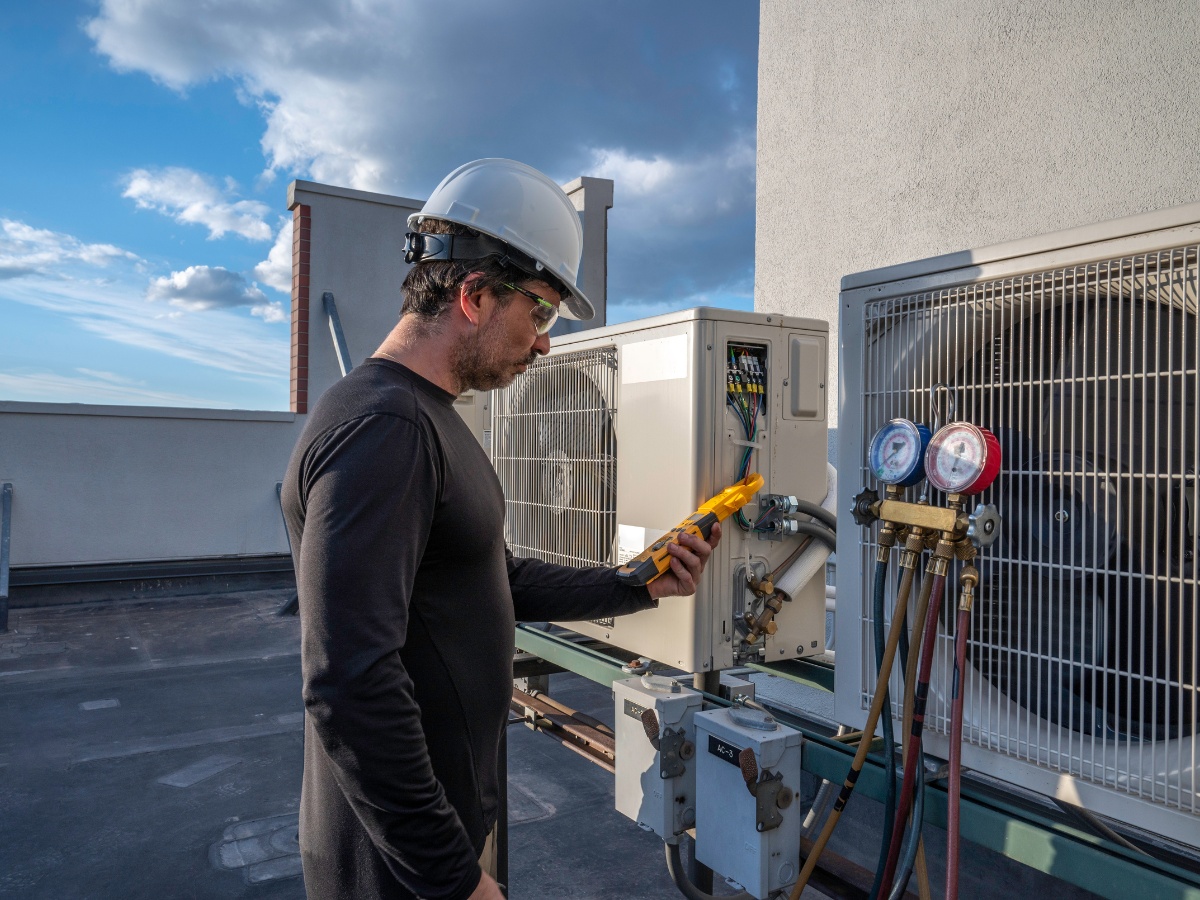
When a technician arrives for an annual HVAC inspection, they follow a comprehensive heating and cooling maintenance checklist. This isn't just a quick glance; it’s a deep dive into the health of your system.
The Inspection Checklist
- Filter Replacement: Checking and replacing the air filter to ensure proper airflow and indoor air quality.
- Coil Cleaning: Cleaning the evaporator and condenser coils to maintain heat transfer efficiency.
- Electrical Check: Tightening connections and measuring voltage and current on motors.
- Drain Line Clearing: Ensuring the condensate drain is clear to prevent water damage in your home.
- Component Lubrication: Reducing friction in moving parts to prevent wear and tear.

Should You Choose a One-Time Tune-Up or an Ongoing Maintenance Plan?
Feature
- Cost
- Reminders
- Priority
- Repairs
One-Time Tune-Up
- Standard service fee
- You have to remember to call.
- Standard queue
- Full price for parts/labor
Ongoing Maintenance Plan
- Discounted annual rate
- Automated scheduling reminders
- Priority "front-of-the-line" service
- Often includes discounts on repairs
While a one-time service is better than nothing, most homeowners find the most value in a preventative maintenance plan. Choosing a plan ensures you never miss a seasonal HVAC tune-up and provides the routine service needed to keep your system in top-tier shape year-round.
Warning Signs It’s Time to Schedule Maintenance Right Away
Sometimes, you shouldn't wait for your scheduled spring or fall visit. Your system often gives subtle hints that it’s struggling. If you notice any of the following, book an appointment immediately:
- Spiking Energy Bills: A sudden increase in costs usually means the system is losing efficiency.
- Strange Noises: Banging, whistling, or grinding sounds indicate mechanical stress.
- Frequent Cycling: If your unit turns on and off every few minutes, it’s likely overheating or has a sensor issue.
- Poor Airflow: Dust buildup or motor issues can restrict the air coming through your vents.
Frequently Asked Questions
Q. How often should I schedule HVAC maintenance?
You should ideally have your system serviced twice a year, once for the heating system and once for the cooling system.
Q. How much does routine HVAC maintenance cost?
Pricing varies based on your location and the type of system, but a standard tune-up is significantly more affordable than an emergency repair or a full system replacement.
Q. Can I perform HVAC maintenance myself?
Homeowners should regularly change their air filter and keep the outdoor unit free of debris. However, electrical testing, refrigerant checks, and internal cleaning should always be handled by a licensed HVAC contractor.
Q. How long does a typical HVAC maintenance appointment take?
A thorough inspection and cleaning usually take between 60 and 90 minutes, depending on the condition and age of your unit.
Q. Does regular HVAC maintenance really save money?
Yes! It reduces the likelihood of expensive breakdowns by up to 95% and can lower your monthly energy bills by ensuring the system runs efficiently.
Conclusion
Your home is your sanctuary, and your HVAC system is its heartbeat. By prioritizing
routine HVAC maintenance, you are choosing lower bills, better air quality, and the peace of mind that comes with a reliable system. Don't wait for a breakdown to realize how important your climate control is. Whether you need a quick spring tune-up or want to enroll in a comprehensive maintenance plan, Air Master Inc., is here to help. Our team of experts is dedicated to keeping your home comfortable in every season. Contact us today to schedule your next routine HVAC maintenance.