BLOGS
How Much Does Hvac Repair Cost
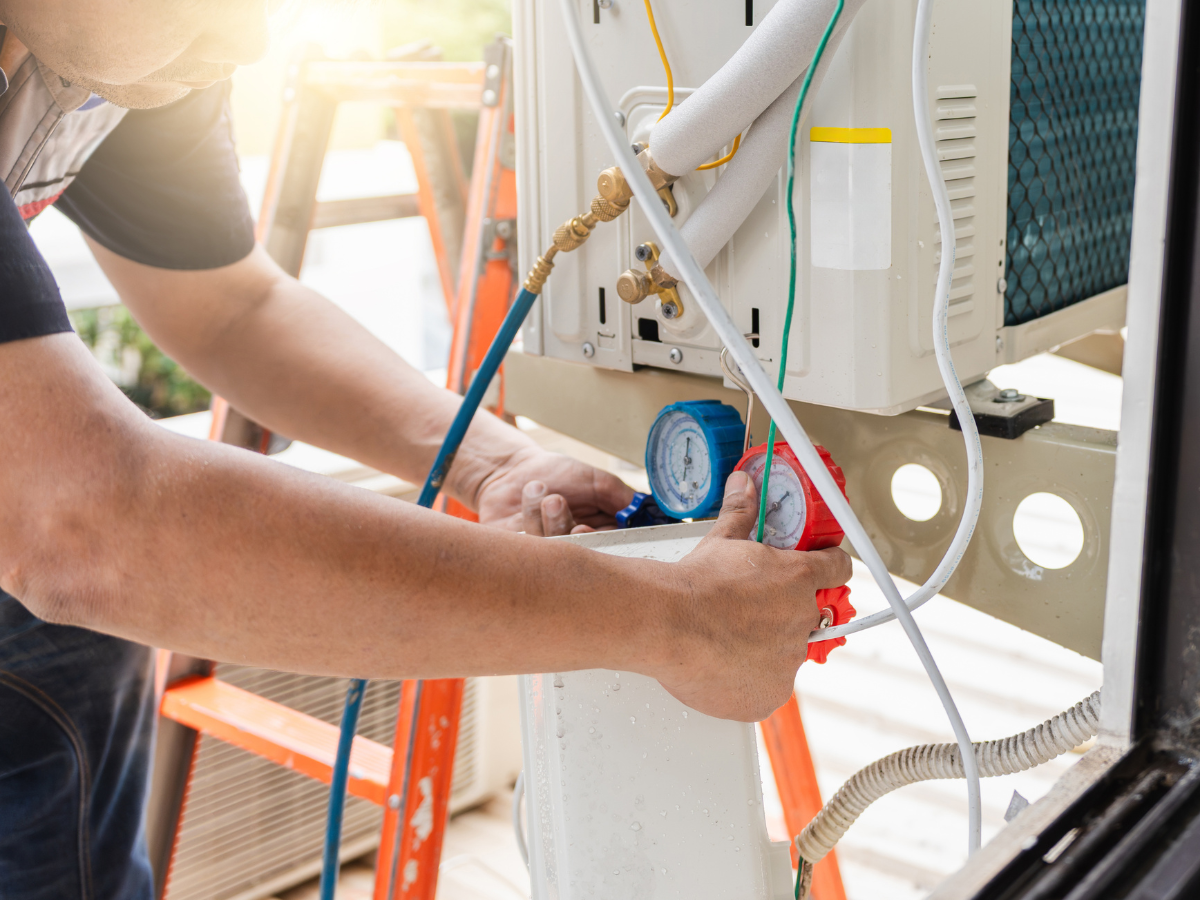
HVAC repair cost is one of the most common concerns for homeowners when heating or cooling systems stop working as expected. Whether it is weak airflow, unusual noises, or a system that will not turn on, HVAC problems often come with uncertainty about how much repairs will cost. In some cases, a technician may even recommend air conditioning replacement if the unit is outdated or too expensive to fix. Because heating and cooling systems are essential for comfort, most repairs cannot be delayed for long.
Understanding HVAC repair cost helps homeowners plan ahead, avoid unnecessary expenses, and make informed decisions when something goes wrong. This guide explains average repair costs, what influences pricing, which repairs are most common, and how to manage HVAC expenses more effectively while also considering related questions like how long do heating systems last, which can impact whether repair or replacement is the smarter choice.
What Is the Average HVAC Repair Cost?
HVAC repair cost can vary widely depending on the issue, system type, and urgency of service. Some problems are minor and inexpensive, while others involve major components that significantly increase cost. Following basic hvac maintenance tips, such as regular filter changes and routine inspections, can help prevent costly repairs over time.
On average, HVAC repair cost typically reflects:
- Simple fixes like replacing air filters or adjusting thermostat settings
- Moderate repairs involving electrical components or airflow issues
- Larger repairs related to compressors, motors, or heat pump components
Smaller issues are usually more affordable when addressed early. Delaying repairs often leads to higher costs over time.
What Affects Your HVAC Repair Bill?
Several factors influence how much homeowners pay for HVAC repair. No two systems are identical, and pricing reflects more than just the part being replaced.
Key factors that affect HVAC repair cost include:
- Type of HVAC system
- Age of the equipment
- Availability of replacement parts
- Complexity of the repair
- Whether the repair is scheduled or emergency service
Older systems may require harder to find parts, which increases repair cost. Emergency repairs outside regular service hours also tend to cost more.
How Are HVAC Repair Costs Calculated?
HVAC repair costs are usually calculated based on labor, parts, and diagnostic time. Understanding this breakdown helps homeowners evaluate quotes from local HVAC repair companies more confidently.
Typical cost components include:
- Service call or diagnostic fee
- Labor based on repair complexity
- Cost of replacement parts
- Additional charges for emergency or after hours service
Some HVAC service providers include diagnostics in repair pricing, while others list it separately. Asking for clear explanations helps avoid confusion.
Why Some HVAC Repairs Cost More Than Others
Not all HVAC repairs carry the same price tag. Some repairs are simple adjustments, while others involve major system components.
Repairs tend to cost more when they involve:
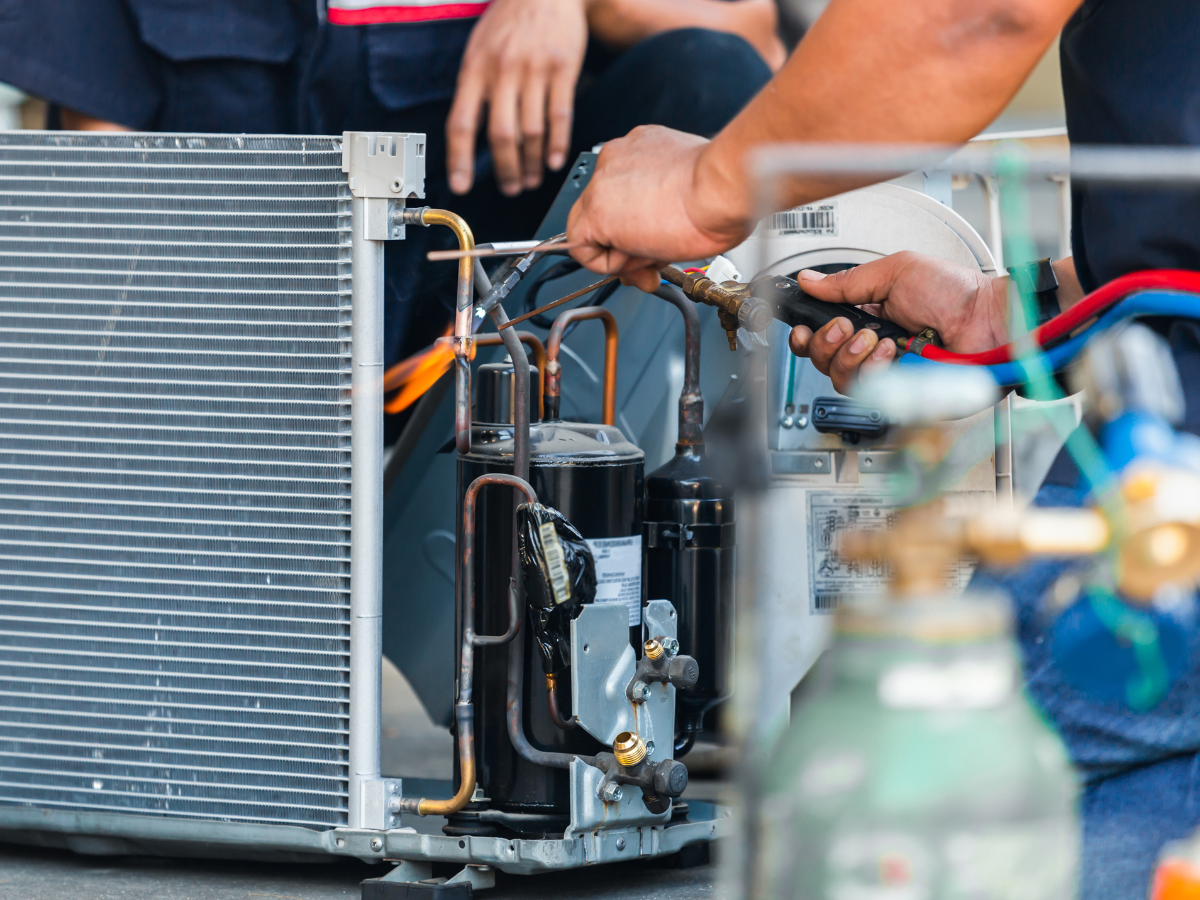
- Compressor or motor replacement
- Refrigerant related issues
- Heat pump system failures
- Electrical or control board problems
These components are essential to system operation and require specialized expertise. When repair costs approach replacement levels, homeowners may begin considering HVAC replacement instead.
What Common HVAC Repairs Should You Expect?
Most HVAC repair calls involve a predictable set of issues. Knowing what repairs are common helps homeowners understand potential costs.
Common HVAC repairs include:
- Thermostat malfunctions
- Air filter blockages
- Electrical connection issues
- Fan motor problems
- AC repair related to airflow or cooling loss
Routine ac maintenance helps reduce the frequency of these repairs and keeps systems operating efficiently.
HVAC Repair vs HVAC Replacement
At some point, homeowners must decide whether to repair or replace their system. HVAC repair cost is often compared against long term replacement value.
Repair may make sense when:
- The system is relatively new
- Repairs are minor and infrequent
- Energy efficiency remains reasonable
Replacement may be considered when:
- Repairs are frequent and costly
- The system is near the end of its lifespan
- Energy bills continue to rise
Evaluating HVAC repair cost alongside hvac replacement options helps homeowners avoid overspending on aging systems.
How to Save on HVAC Repair Costs
While HVAC repairs cannot always be avoided, homeowners can take steps to manage costs.
Ways to reduce HVAC repair cost include:
- Scheduling regular HVAC service
- Replacing air filters regularly
- Addressing small issues early
- Avoiding emergency repair situations
- Maintaining consistent ac maintenance routines
Preventive care reduces system strain and lowers the risk of major breakdowns.
Why Preventive Maintenance Matters
Preventive maintenance plays a key role in controlling HVAC repair cost. Systems that receive regular care tend to experience fewer failures.
Maintenance helps by:
- Identifying issues before they worsen
- Improving airflow and efficiency
- Reducing wear on components
- Supporting longer system lifespan
While maintenance has an upfront cost, it often reduces the total amount spent on repairs over time.
How Professional HVAC Service Supports Cost Control
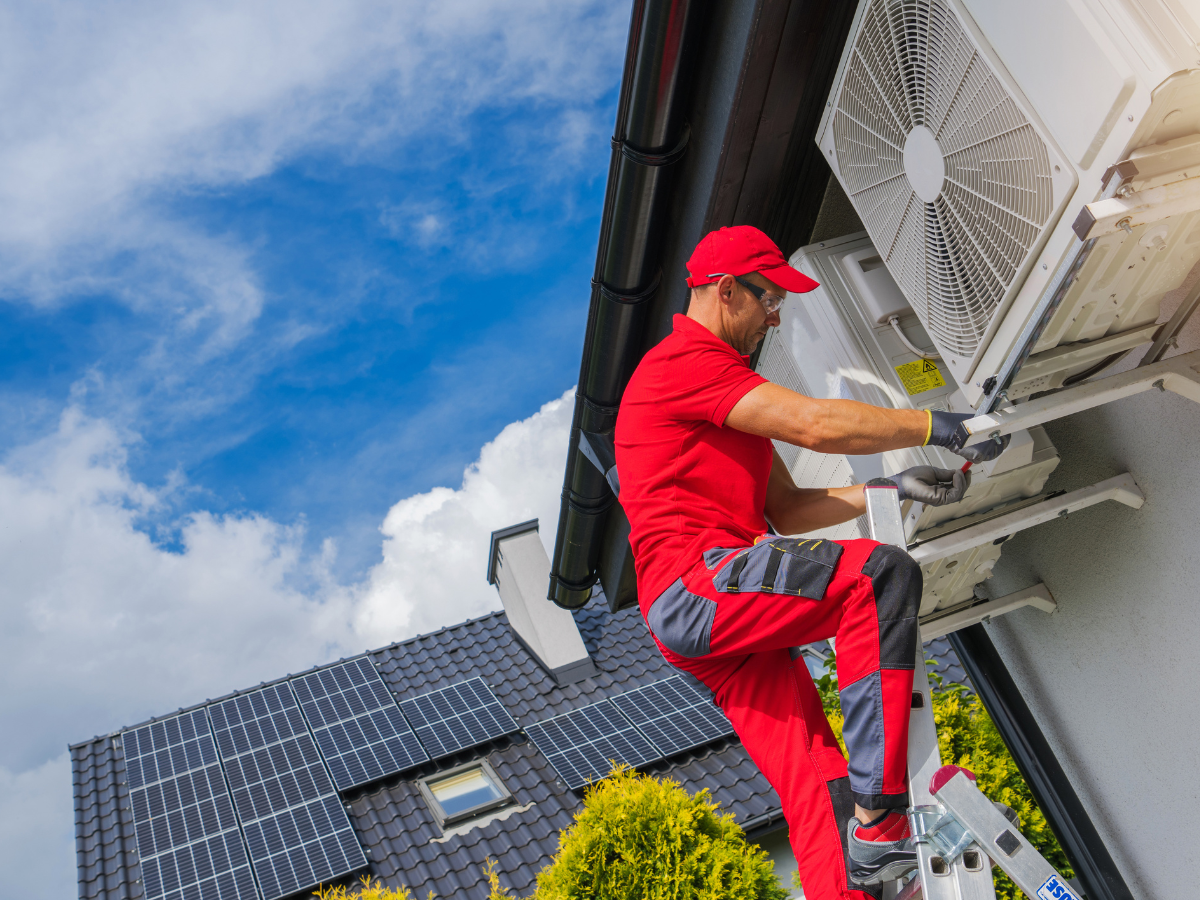
Professional HVAC service ensures repairs are performed correctly the first time. Improper repairs can lead to repeated failures and higher costs.
Professional service supports:
- Accurate diagnostics
- Proper part replacement
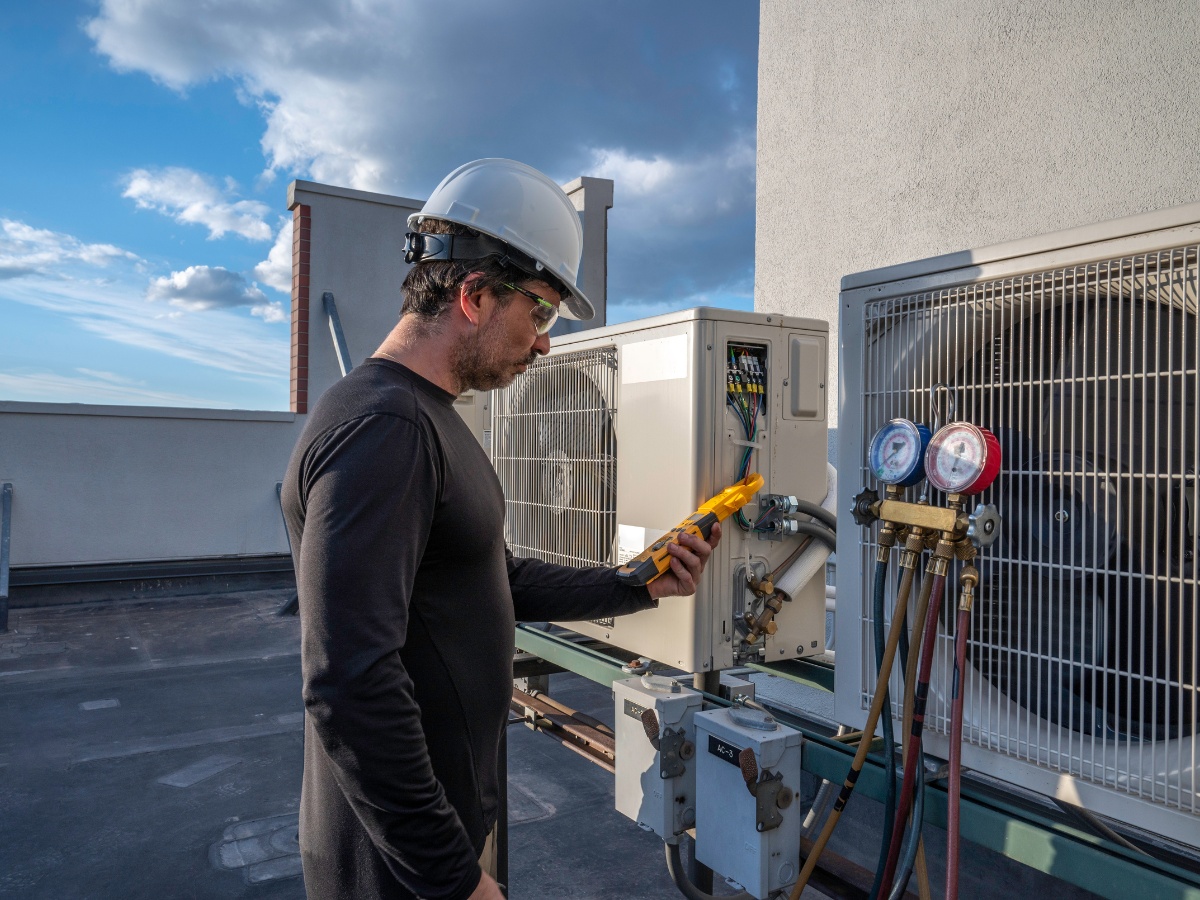
- Safe electrical and refrigerant handling
- Long term system reliability
When a system continues to underperform, professional
HVAC repair help and installation services can correct underlying issues and help prevent recurring repair costs.
Commercial HVAC Repair Cost Considerations
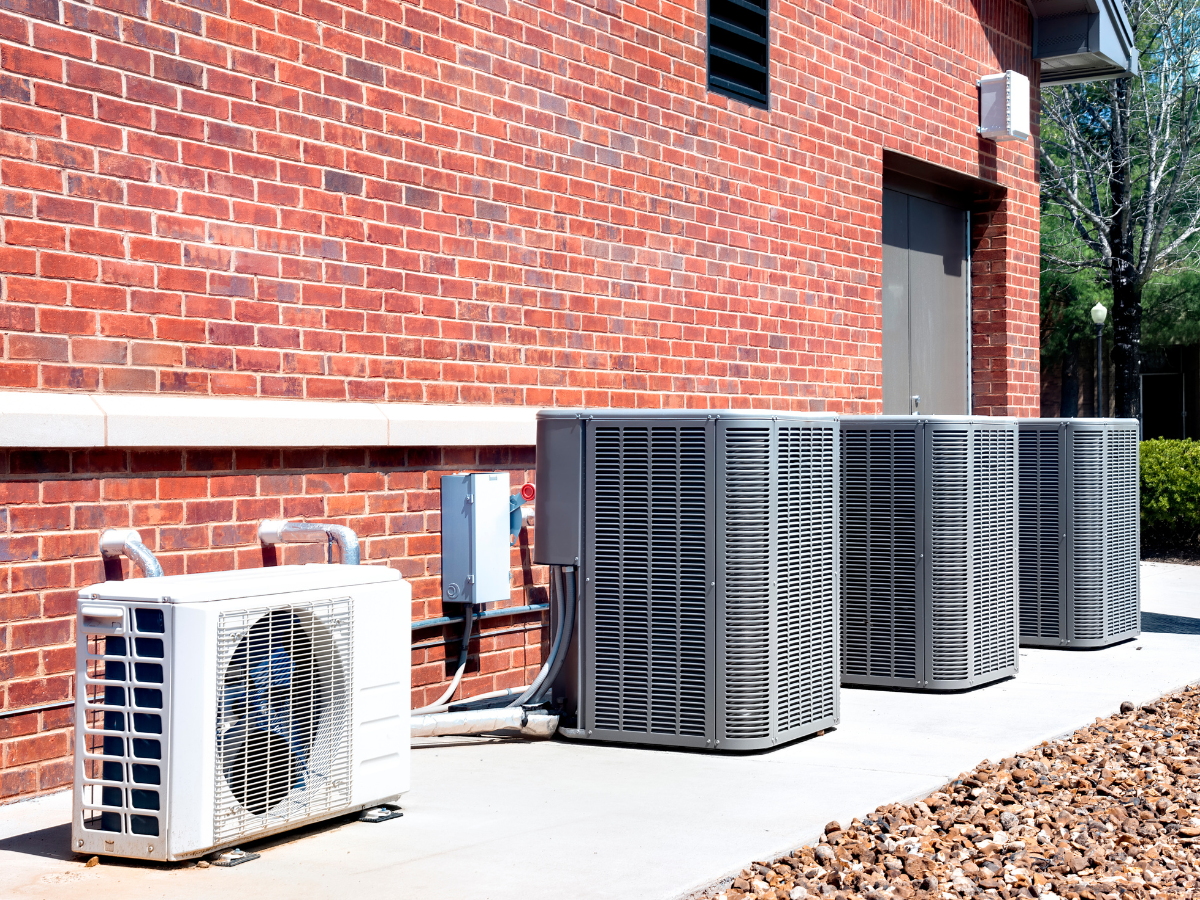
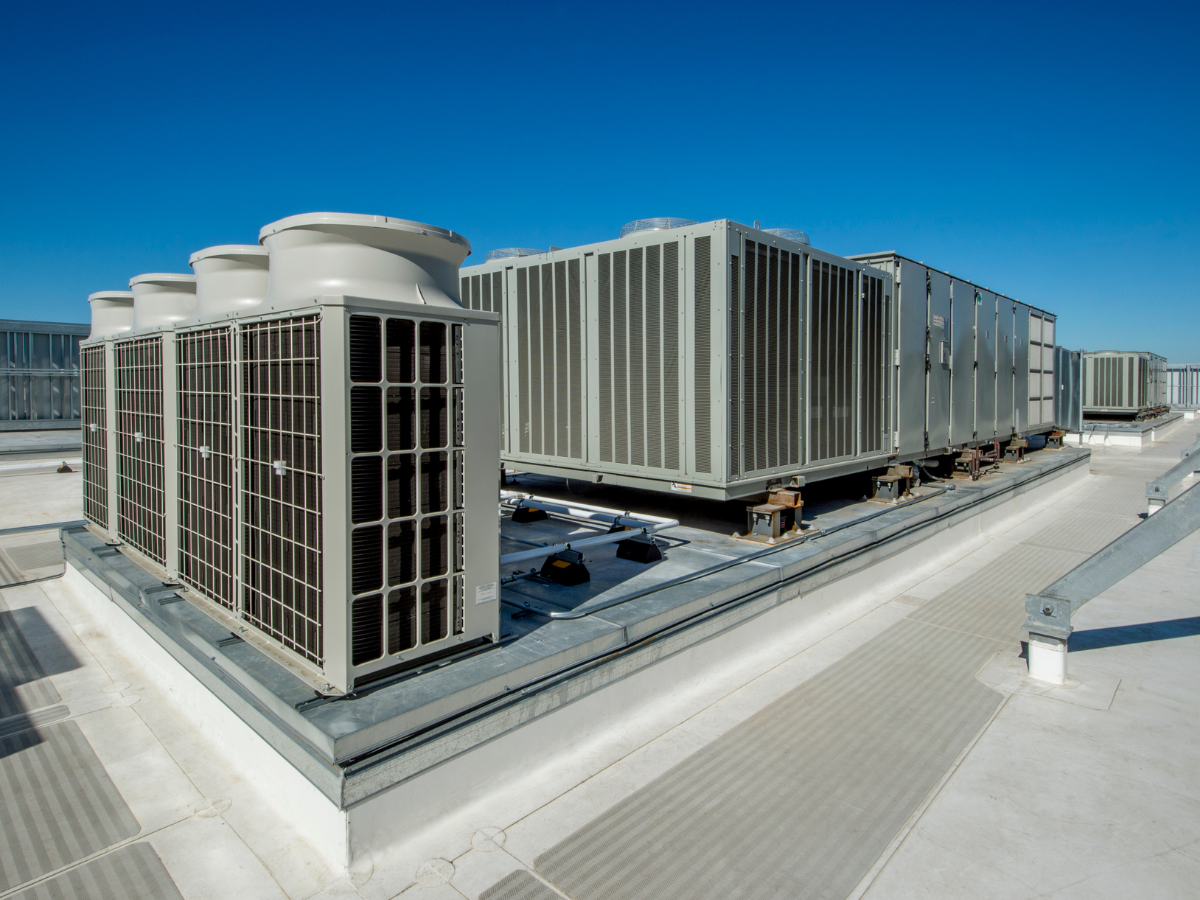
Commercial HVAC repair cost differs from residential pricing due to system size and complexity. Commercial systems often serve larger spaces and operate for longer hours.
Commercial HVAC repair costs are influenced by:
- System capacity and design
- Equipment accessibility
- Business downtime considerations
- Specialized commercial hvac components
Commercial systems often benefit from structured maintenance programs to control long term costs.
The Role of Airflow and Duct Systems in Repair Costs
Airflow problems often appear as HVAC performance issues. In some cases, duct related problems contribute to repair needs.
Issues such as restricted airflow or buildup inside ducts may require Air Duct Cleaning to support system performance. Addressing airflow problems early helps reduce strain on HVAC components and lowers repair frequency.
Emergency HVAC Repair Costs
Emergency HVAC repairs often cost more than scheduled service. Breakdowns during extreme temperatures require immediate attention.
Emergency repair costs increase due to:
- After hours labor
- Urgent service scheduling
- Limited part availability
Avoiding emergency situations through regular maintenance helps keep HVAC repair costs manageable.
Understanding Heat Pump Repair Costs
Heat pump systems provide both heating and cooling, which makes them efficient but complex. Heat pump installation cost and repair costs vary based on system design.
Heat pump repairs may involve:
- Reversing valve issues
- Refrigerant problems
- Electrical control failures
Because heat pumps operate year round, regular maintenance is especially important for cost control.
Conclusion
HVAC repair cost depends on system type, repair complexity, and timing, but understanding how pricing works helps homeowners make informed decisions. While some repairs are unavoidable, regular HVAC service, proper AC maintenance, and early problem detection reduce long-term expenses and highlight
why hvac maintenance is important for preserving system efficiency. Knowing which repairs are common, what influences pricing, and when to consider replacement allows homeowners to manage HVAC costs with confidence. When comfort issues arise, addressing HVAC repair costs proactively helps protect both the system and household comfort.
What Is the Typical Cost Range for Hvac Repair?
HVAC repair cost varies widely based on the issue, from minor fixes to major component repairs.
Do Hvac Technicians Charge a Service Call Fee?
Many technicians charge a diagnostic or service call fee, which may be applied toward repair costs.
Which Hvac Repairs Are Usually Cheapest?
Air filter replacements, thermostat adjustments, and minor electrical fixes are often the least expensive.
Why Do Emergency Hvac Repairs Cost More?
Emergency repairs involve after hours labor, urgent scheduling, and limited availability, which increases cost.