BLOGS
How to Do Maintenance on Ac Unit
Performing regular ac maintenance is the single best way to ensure your home stays cool during the scorching summer months while keeping your energy bills under control. For homeowners across the United States, a well-maintained cooling system isn't just about comfort; it is a financial investment. By taking a proactive approach to your cooling system, you can avoid emergency breakdowns, improve your home's air quality, and extend the life of your expensive equipment.
In this guide, we will walk you through the essential steps to keep your unit running like new. Whether you are a DIY enthusiast or just want to understand the difference between central vs ductless ac systems to better manage your equipment, this breakdown from Air Master Inc will give you the confidence to manage your home cooling effectively.
Why Regular AC Unit Maintenance Is Important for Home Cooling
Your HVAC system is the heart of your home’s comfort. Just like a car needs an oil change, your air conditioner needs a tune-up to handle the heavy lifting of summer.
- Better Indoor Air Quality: Over time, dust, pollen, and pet dander collect inside your unit. Regular cleaning prevents these pollutants from circulating through your house.
- Maximum Energy Efficiency: When your system is clean, it doesn't have to work as hard. This leads to lower monthly utility bills.
- Longer System Lifespan: Small issues, like a dirty sensor or a clogged drain, can cause major mechanical failures if left ignored.
Maintaining high indoor air quality and system efficiency ensures your family breathes easy and your wallet stays full
Basic Tools and Safety Steps Before Servicing Your AC Unit
Before you start poking around your unit, you need the right gear. Safety is the priority here—dealing with electrical components and moving parts requires caution.
Essential Tools:
- Work gloves and safety goggles
- Screwdriver or hex head nut driver
- A soft-bristle brush or a fin comb
- A garden hose (not a pressure washer!)
- Vacuum with a brush attachment
Safety First:
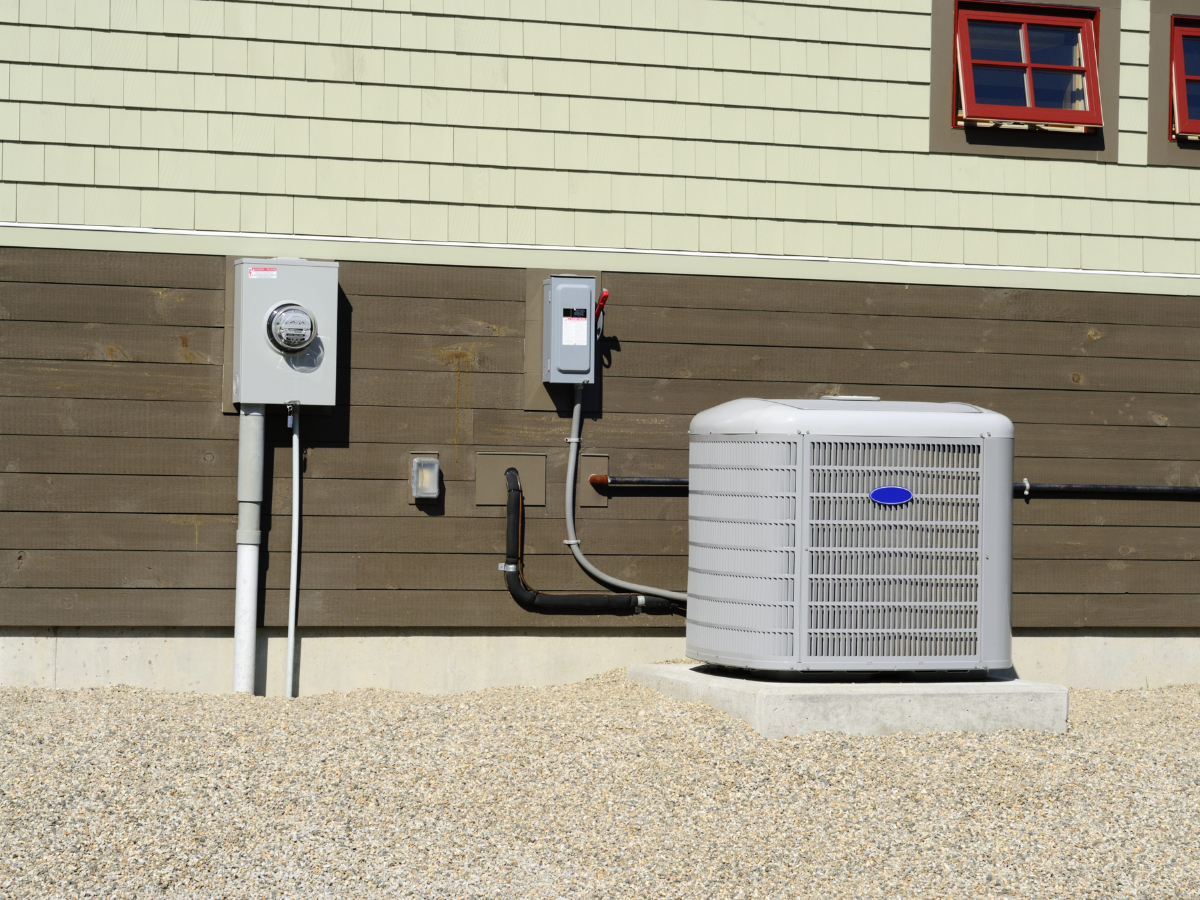
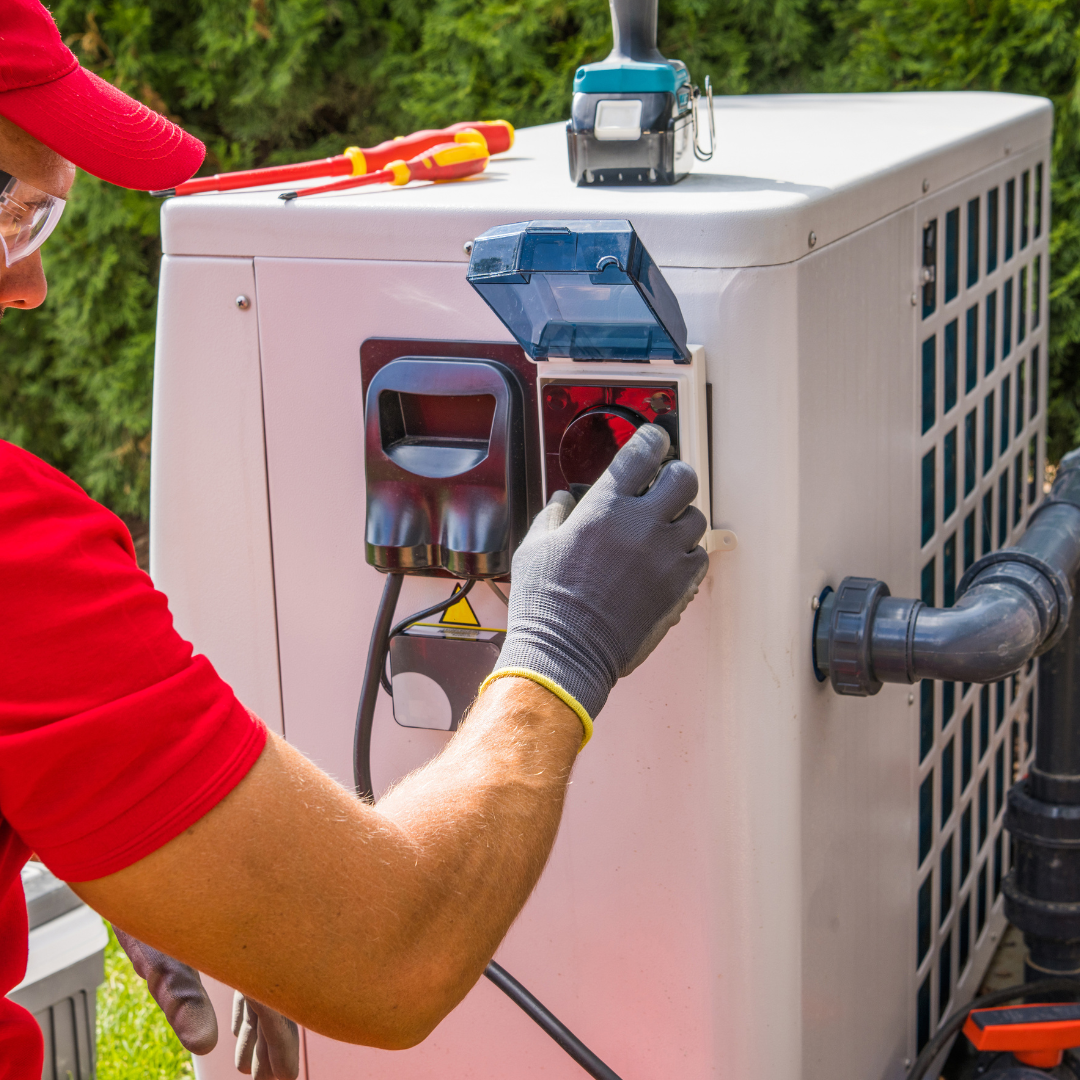
- Turn off the power: Locate the service disconnect box near the outdoor unit and pull out the "pull-out" or flip the switch to "off."
- Indoor Switch: Turn off the system at the thermostat and the main breaker panel to be 100% safe.
- Protect the Electronics: Avoid spraying water directly into the electrical control box of the unit.
How to Clean or Replace the Air Conditioner Filter Properly
The most important task for any homeowner is to replace AC air filter units regularly. A clogged filter restricts airflow, forcing your system to work overtime and potentially causing the coils to freeze. This lack of airflow is one of the primary reasons why ac isn’t cooling effectively.
To maintain your air filtration system:
- Locate the filter slot (usually near the return air duct or the indoor air handler).
- Slide out the old filter and check for dust buildup.
- If it’s a disposable filter, replace it with a new one of the same size.
- If it’s a reusable filter, wash it with mild soap, let it dry completely, and slide it back in.
Ideally, you should check your filter every 30 days, especially during high-use seasons.
Step-by-Step Guide to Cleaning the Condenser Coils
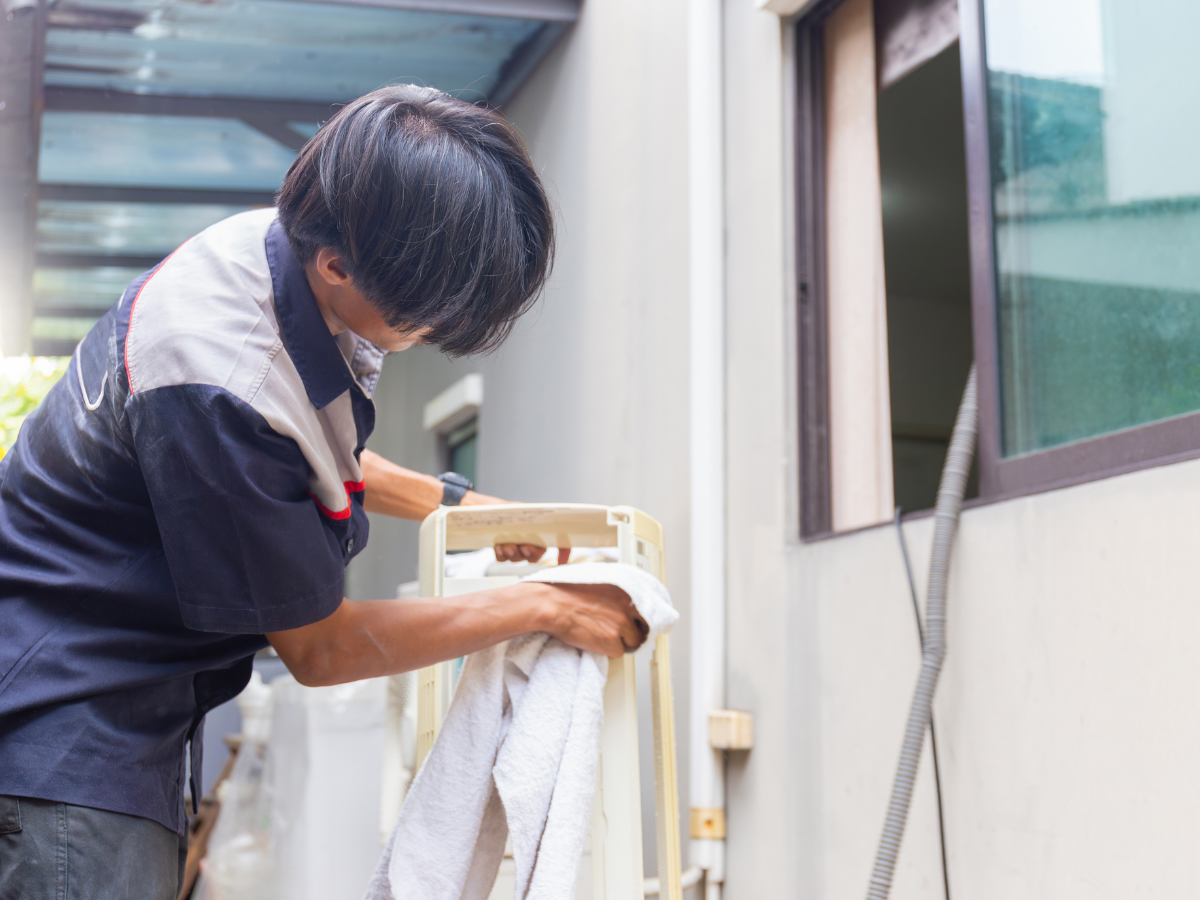
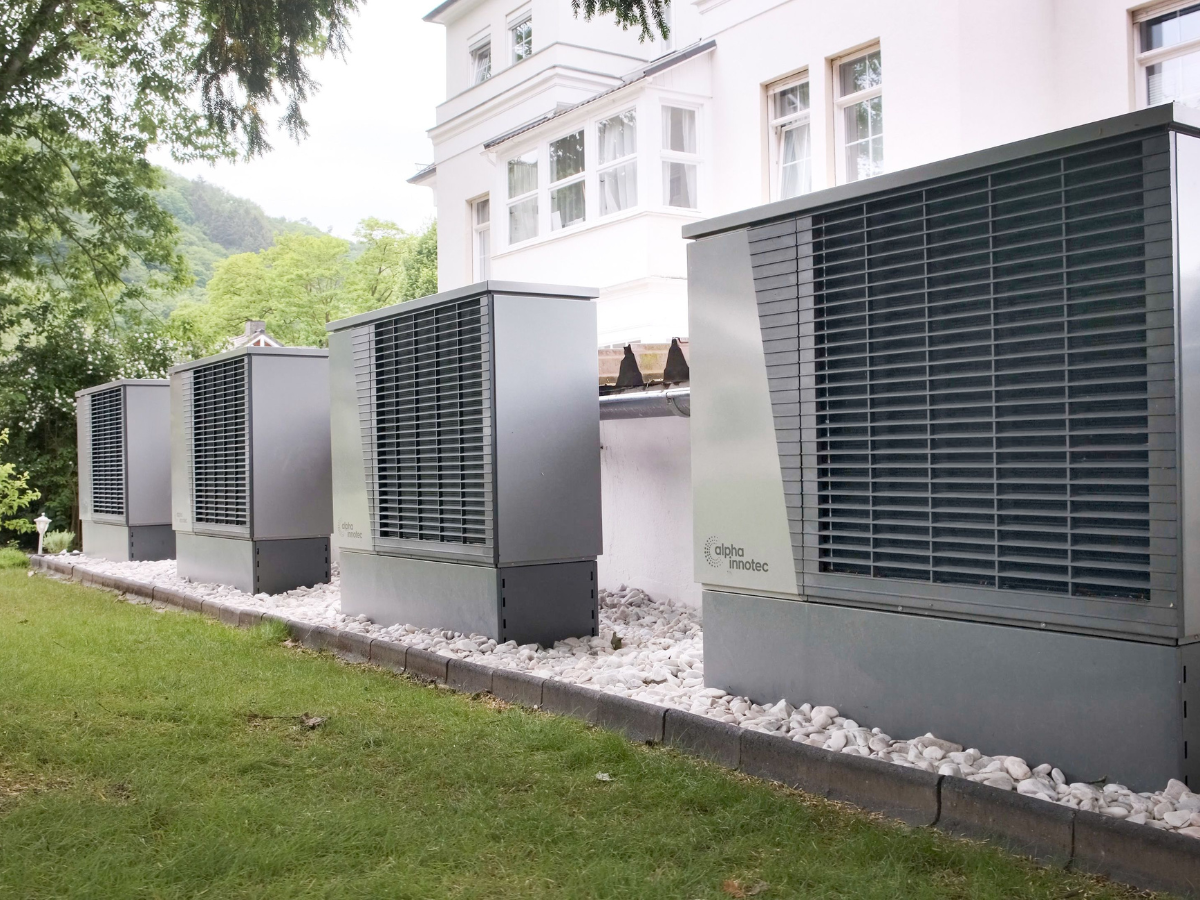
The outdoor air conditioner condenser coil is responsible for releasing the heat collected from inside your home. If it’s covered in dirt, grass clippings, or cottonwood, that heat stays trapped.
Follow these steps to clean hvac coils:
- Clear Debris: Remove any leaves, twigs, or tall weeds within two feet of the unit.
- Remove the Outer Housing: Use your screwdriver to remove the protective grille.
- Gently Brush: Use a soft brush to remove loose dirt from the fins.
- Rinse: Using a garden hose with a gentle stream, spray the coils from the inside out to push the dirt away from the unit.
- Straighten Fins: If you see bent fins, use a fin comb to carefully straighten them for better airflow.
Maintaining the Evaporator Coil for Better Cooling Efficiency
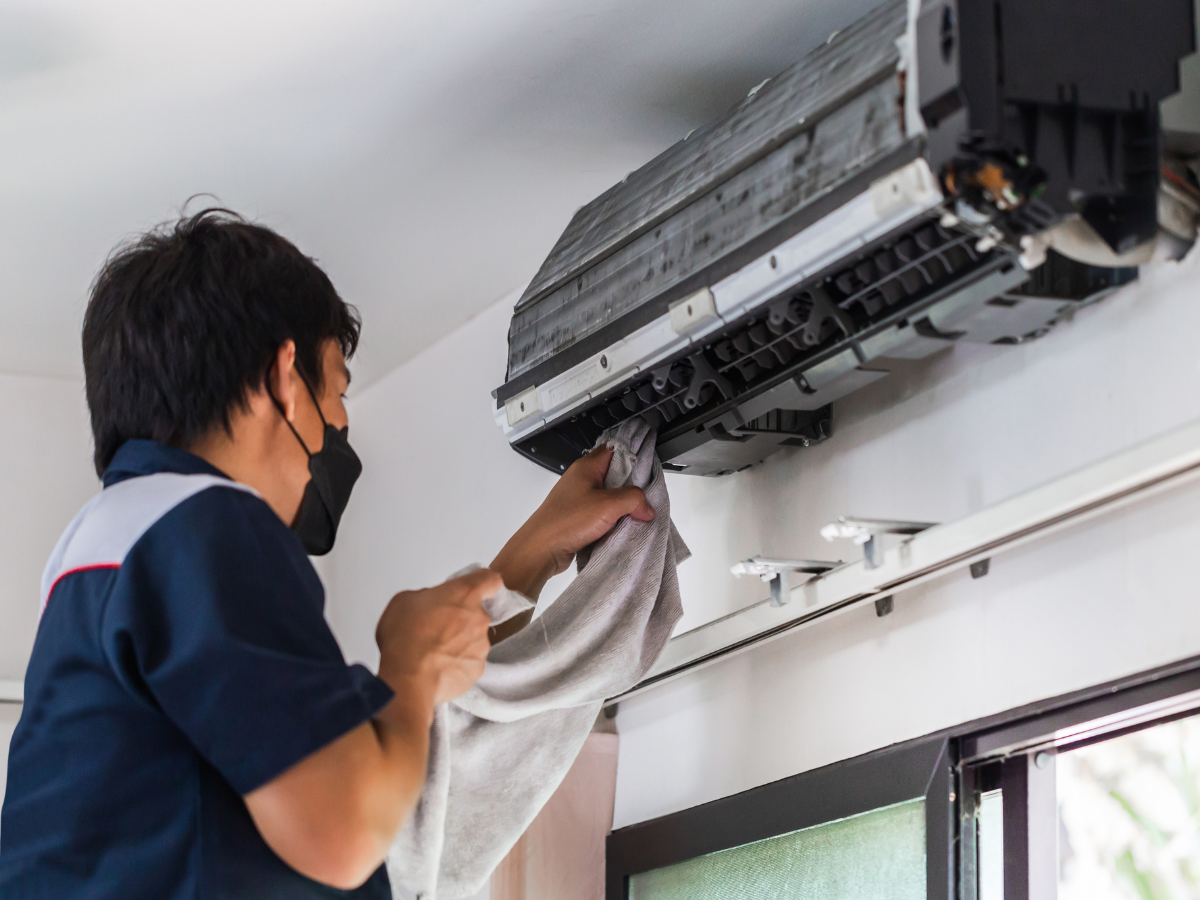
The evaporator coil, located inside your home, is where the actual "cooling" happens as refrigerant absorbs heat from the air. Over time, moisture on the coil can attract dust, leading to mold or ice buildup.
Regular evaporator coil cleaning is vital. If this coil is dirty, your AC will blow lukewarm air. You can usually access this coil by opening the door on your indoor furnace or air handler. Use a "no-rinse" coil cleaner spray; the foam will break down the dirt and drain away into the condensate pan automatically.
Clearing the AC Condensate Drain Line to Prevent Water Damage
The condensate drain line is a PVC pipe that carries the moisture (humidity) removed from your air to the outside. If this line gets clogged with algae or sludge, you may start wondering why ac drips water into your home instead of outside.
How to unclog it:
- Find the drain line access point (usually a T-shaped pipe).
- Pour about a cup of distilled white vinegar down the line to kill algae.
- If it's already backed up, use a wet/dry vacuum on the outside end of the pipe to suck out the clog.
Checking Thermostat Settings and Airflow for Optimal Performance
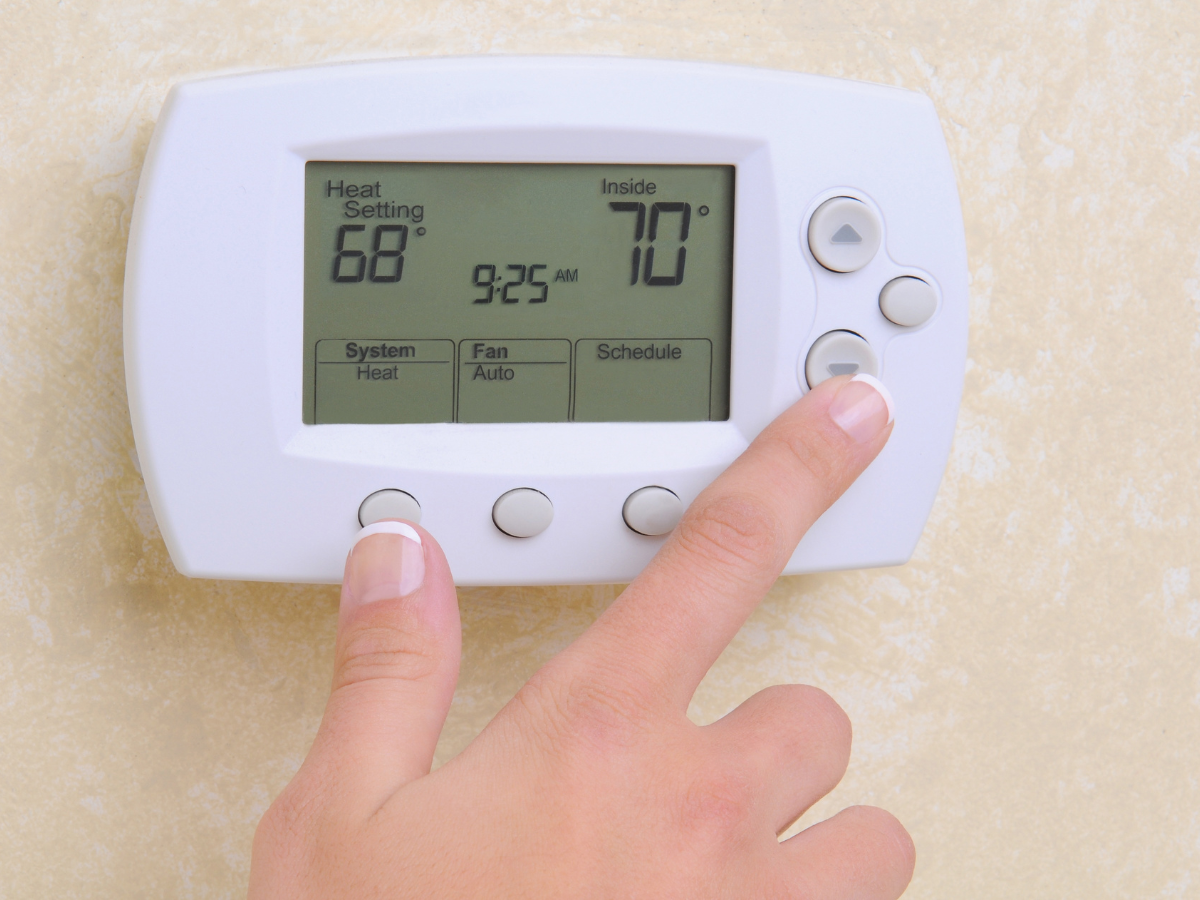
Your thermostat control system is the brain of your AC. If it isn’t calibrated correctly, your system may short-cycle (turn on and off too fast).
- Upgrade to Smart Tech: Consider a programmable thermostat to save money while you're away.
- Clear Vents: Ensure that furniture, curtains, or rugs are not blocking the return or supply vents in your rooms.
- Check the Fan: Ensure the "Auto" setting is used rather than "On" to manage humidity better.
When to Schedule Professional AC Maintenance Services
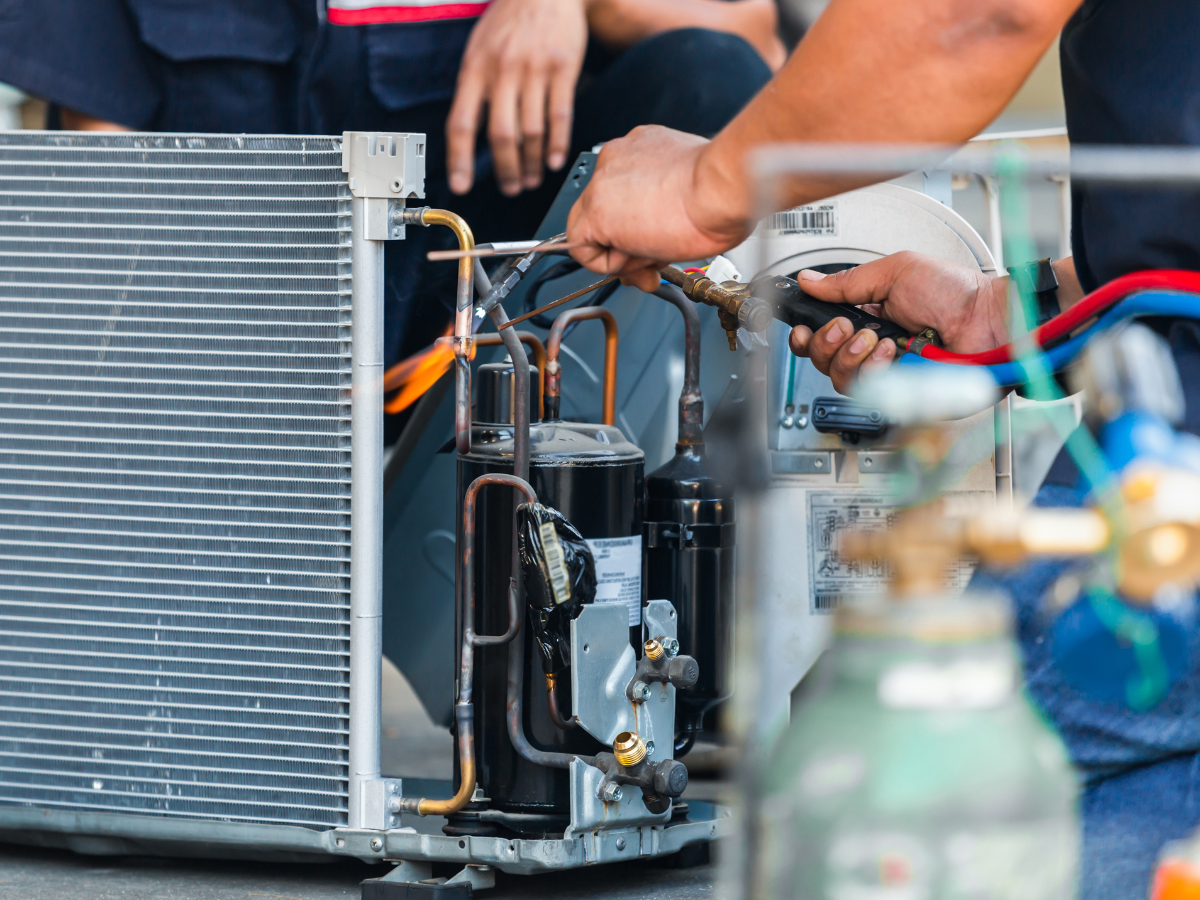
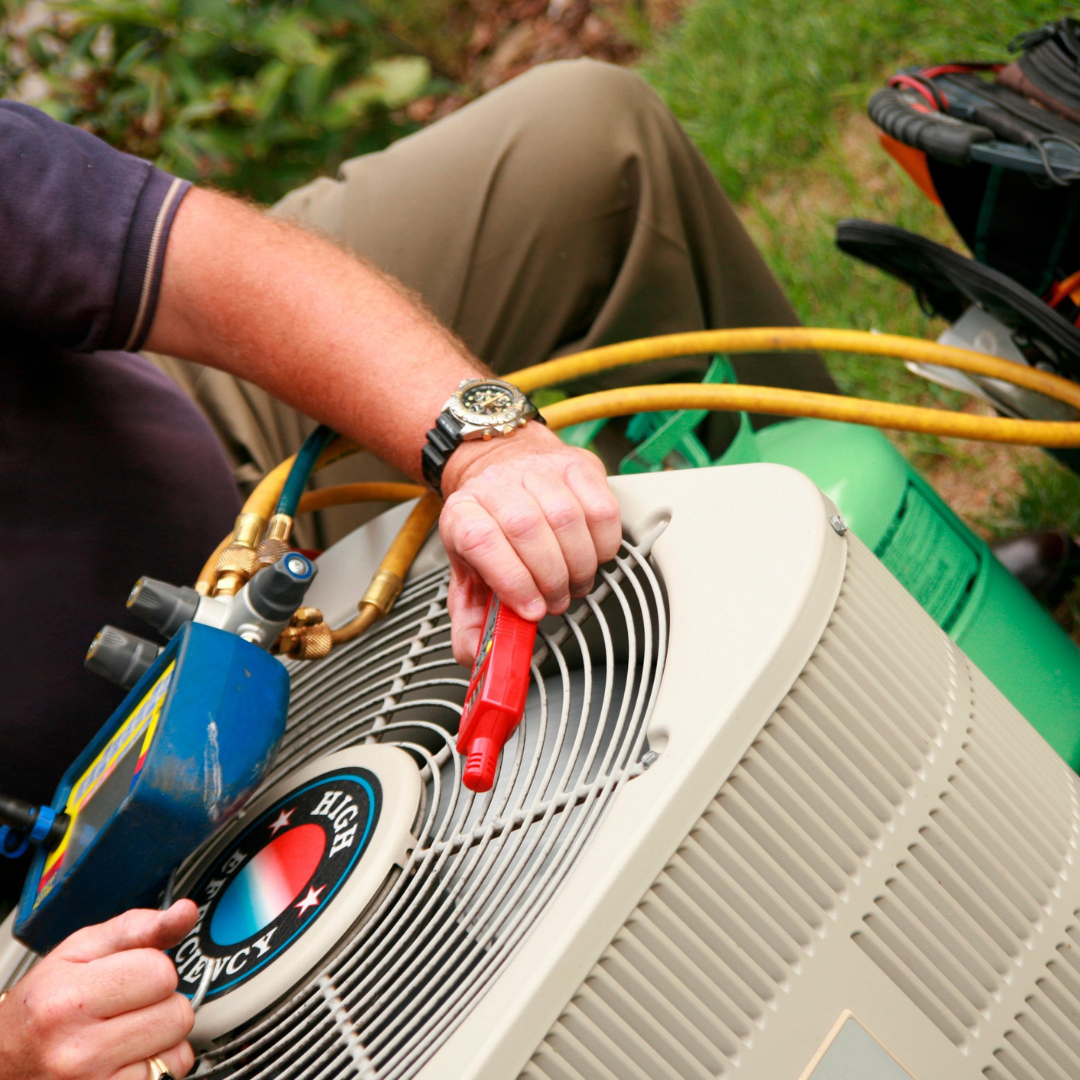
While DIY tips are great for monthly upkeep, some things require a professional touch to ensure proper home air conditioner care. Complex HVAC system maintenance involves checking refrigerant levels, testing electrical relays, and oiling motors to prevent mid-summer breakdowns.
At Air Master Inc, we recommend scheduling a comprehensive AC unit seasonal maintenance tune-up at least once a year. If you hear strange grinding noises, smell something burning, or notice your energy bills spiking for no reason, it’s time to call the experts. We have the tools to find "hidden" leaks and electrical faults that the naked eye can’t see.
Frequently Asked Questions
How often should you perform AC unit maintenance?
You should perform basic tasks like filter changes every 1–3 months and schedule a professional inspection once a year, preferably in the spring.
What is the first step before maintaining an AC unit?
The very first step is always safety. Ensure the power is completely disconnected at both the outdoor breaker box and the indoor thermostat.
Can I clean my AC unit myself?
Yes! Homeowners can easily change filters, clear debris from the outdoor unit, and clean the condensate drain line. However, refrigerant and electrical issues should be left to pros.
Why is cleaning AC coils important?
Dirty coils insulate the heat rather than releasing it. This makes the system run longer, increases energy costs, and can eventually lead to a compressor failure.
How often should AC coils be cleaned?
Outdoor coils should be inspected and cleaned at least once a year. If you live in a dusty area or have many trees, you may need to check them more often.
Conclusion
Keeping your home cool doesn't have to be a mystery. By following these air conditioner maintenance tips, you can ensure your system runs efficiently all summer long. From a simple, replace AC air filter task to the more detailed clean AC condenser coils process, your efforts will pay off in lower bills and a cooler home.
If you find a problem that looks too big to handle, or if you simply want the peace of mind that comes with a professional touch, Air Master Inc is here to help. Our team is dedicated to providing the highest quality service to keep your home comfortable year-round. Don't wait for a breakdown in the middle of a heatwave—contact us today to schedule your professional ac maintenance.