BLOGS
What Does Seer Mean in HVAC
Understanding your seer rating is the secret to keeping your home cool without emptying your bank account every month. If you have ever looked at the yellow EnergyGuide sticker on a new air conditioner, you probably saw a bold number and wondered if higher is actually better. With energy costs rising across the United States, knowing how this number works is more important than ever.
In this guide, we will break down the seasonal energy efficiency ratio HVAC experts use to measure performance. You will learn how it affects your comfort, your wallet, and which unit is the best fit for your specific home. Let’s dive into the world of HVAC efficiency and simplify these technical terms.
What Does SEER Mean in HVAC Systems?
SEER stands for Seasonal Energy Efficiency Ratio. In the simplest terms, it is a way to measure how much cooling an air conditioning system provides for every dollar you spend on electricity. Think of it like the "miles per gallon" or MPG for your car. Just as a car with higher MPG goes further on a gallon of gas, an AC with a high SEER rating uses less power to cool your house.
This air conditioner efficiency rating specifically accounts for an entire cooling season. Since temperatures change from spring to mid-summer, the rating reflects how the unit performs across varying outdoor conditions. It is the gold standard for HVAC cooling efficiency measurement today.
How SEER Ratings Are Calculated
To get this number, engineers look at the total cooling output of the system over a typical cooling season. This is measured in British Thermal Units, or BTUs. They take that total cooling capacity (BTU) and divide it by the total electric energy input used during that same time. The resulting number tells you the maximum efficiency the unit can reach.
While your actual real-world performance depends on your home's insulation and ductwork, the HVAC SEER rating gives you a fair way to compare two different brands or models. To achieve these high ratings, modern units often utilize a variable frequency drive hvac component, which allows the motor to adjust its speed precisely rather than just running at "full blast" or "off."
Why SEER Ratings Matter for Homeowners
The main reason you should care about the SEER rating for AC units is your monthly budget. A system that operates efficiently does not have to work as hard to keep your living room at 72 degrees. This means less wear and tear on internal parts and a longer lifespan for your equipment.
Beyond money, high-efficiency systems often provide better comfort. They usually include advanced features like variable-speed compressors. These allow the unit to run at lower speeds for longer periods, which helps remove humidity from the air much better than older, lower-rated systems. For the best indoor air quality in high-efficiency setups, many homeowners also integrate an
erv hvac system to exchange stale indoor air with fresh outdoor air without losing the energy used to cool it.
Typical SEER Ratings in Modern HVAC Systems
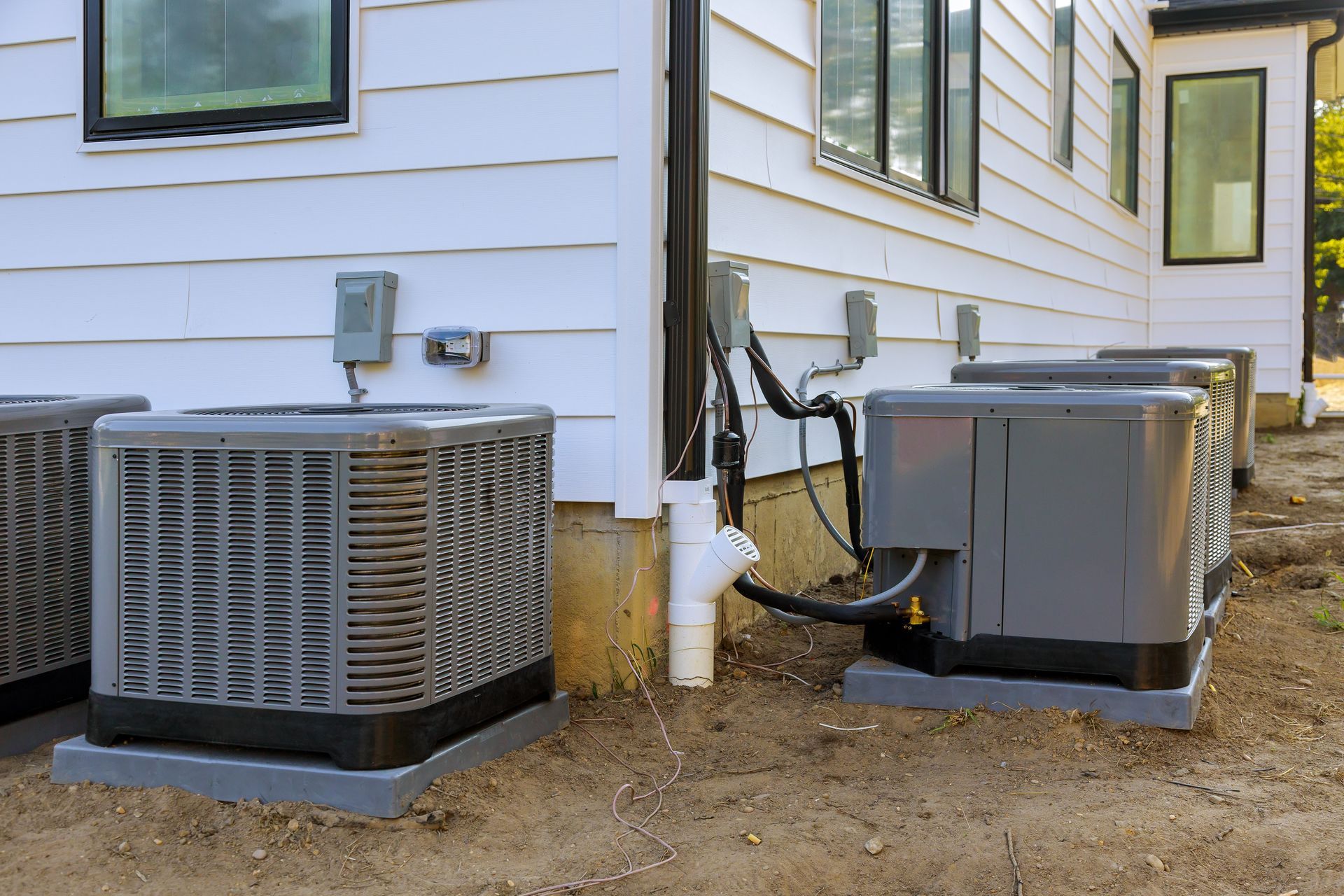
Years ago, it was common to see units with ratings as low as 8 or 10. However, modern energy efficiency standards have raised the bar significantly. Today, the minimum allowed rating for new systems in the United States is typically 13 or 14, depending on where you live.
- Standard Efficiency: 14 to 16 SEER
- High Efficiency: 17 to 20 SEER
- Ultra-High Efficiency: 21+ SEER
Choosing a high SEER air conditioner usually involves a higher upfront cost, but the long-term energy savings often pay for the difference over time.
SEER vs. SEER2: What Changed in HVAC Efficiency Standards?
In 2023, the industry introduced a new metric called SEER2. If you are shopping for a new AC installation, you will likely see this label. The SEER vs. SEER2 efficiency standard change was made to better reflect how units perform when they are actually installed in a home.
The old testing method did not account for the air pressure found in household ductwork or the hvac plenum, which serves as the distribution box for your treated air. SEER2 testing uses a much higher external static pressure. Because the test is harder to pass, the numerical values for SEER2 are usually about 4.5% lower than the old SEER numbers, even though the units are just as efficient. It is simply a more accurate way to measure a heat pump system or AC unit in a real-world setting.
How SEER Ratings Impact Your Electricity Bills
The relationship between efficiency and cost is direct. If you upgrade from an old 10 SEER unit to a new 20 SEER system, you could potentially cut your cooling costs in half. This is because the higher-rated system requires less "juice" to move the same amount of heat out of your home.
When you invest in energy-efficient air conditioners, you are essentially pre-paying for your utility savings. Efficiency isn't just about the rating; it's also about airflow cfm, as the volume of air moving through your system must be properly calibrated to achieve the energy savings promised by a high SEER number.
Choosing the Right SEER Rating for Your Home
You might think that you should always buy the highest number available, but that is not always the case. The "sweet spot" depends on how long you plan to live in your home and how much you use your air conditioner.
Consider these factors:
- Climate: If you live in a very hot area, go higher.
- Usage: Do you run the AC all day or just in the evenings?
- Budget: Balance the AC repair services cost of your old unit against the price of a new one.
- Ductwork: Your ducts must be in good shape to handle a high-efficiency system.
It is often helpful to schedule regular HVAC maintenance to see how your current system is performing before deciding to upgrade.
Common Misconceptions About SEER Ratings
One big myth is that a high SEER rating means the unit will cool your house faster. That is not true. A 3-ton unit will provide the same amount of cooling whether it is 14 SEER or 22 SEER. The difference is simply how much electricity it uses to get the job done.
Another misconception is that the rating is a guarantee. If your home has air leaks or poor insulation, even the most expensive air conditioning system will struggle. Efficiency is a team effort between your HVAC equipment and the "envelope" of your home.
Frequently Asked Questions
What does SEER stand for in HVAC?
SEER stands for Seasonal Energy Efficiency Ratio. It measures the cooling efficiency of air conditioners and heat pumps over a full season of use.
What is considered a good SEER rating?
For most modern homes, a rating between 16 and 18 is considered a great balance between upfront cost and monthly energy savings.
Does a higher SEER rating reduce electricity bills?
Yes. A higher rating means the system is more efficient, using less power to cool your home, which directly lowers your monthly utility costs.
Is a higher SEER HVAC system worth the cost?
In many cases, yes. While the initial price is higher, the lower energy bills and potential tax credits or rebates often make it a smart long-term investment.
Conclusion
Selecting a new system is a big decision, but understanding the seer rating makes it much easier to choose with confidence. Whether you want to lower bills or need a reliable way to beat the heat, focusing on efficiency is the best place to start. If your current unit is over ten years old or you frequently need HVAC service, it is time to see what a modern, high-efficiency system can do. Don't let high energy bills ruin your summer. Take the first step toward a comfortable home by exploring your options for a new seer rating.
Ready to boost efficiency? Contact us today for an energy audit or to discuss your next system upgrade!