BLOGS
What is CFM in HVAC?
Understanding what CFM is in HVAC is the first step toward achieving optimal home comfort and system efficiency. You've likely heard the term mentioned in relation to your heating and cooling system, but what does it actually mean? CFM, or cubic feet per minute, is the metric used to measure the volume of air your HVAC system circulates throughout your home every minute. Think of it as the heartbeat of your system, pushing conditioned air through the ductwork and the plenum box in hvac—which acts as the central distribution manifold—to every room. Getting this airflow rate right is crucial for performance, energy savings, and even the quality of the air you breathe.
An incorrect HVAC airflow rate can lead to a host of problems, from uncomfortable hot and cold spots to skyrocketing energy bills. By understanding the basics of CFM, you can better diagnose potential issues with your system and communicate more effectively with HVAC professionals. This guide will break down everything you need to know about this fundamental aspect of your home's comfort system.
What is CFM in HVAC, and why does it matter for airflow?
CFM stands for cubic feet per minute, the standard unit for measuring airflow volume. In an HVAC context, it represents the amount of air the blower fan moves every 60 seconds. A higher CFM indicates a greater volume of air circulation.
Proper CFM is vital for HVAC airflow efficiency. If it's too low, conditioned air won't reach every room; if it's too high, it causes noise and energy waste. Balancing CFM ensures consistent comfort, prevents system strain, and keeps operational costs in check.
How CFM Affects HVAC System Performance and Comfort
The impact of CFM on HVAC airflow efficiency is vital. Deviations from the target airflow volume compromise performance. Low CFM causes summer evaporator coil freezing and winter heat exchanger overheating, leading to breakdowns.
Conversely, excessive cubic feet per minute airflow is also problematic. While it seems better, high CFM prevents proper dehumidification, leaving homes feeling clammy. It also increases blower motor strain, creates noisy operation, and drives up energy consumption. To mitigate these fluctuations in airflow and energy use, many modern setups incorporate a vfd system to precisely control motor speed. Maintaining the correct CFM is essential for preventing repairs, ensuring comfort, and keeping your HVAC contract costs in check.
How to Calculate CFM in HVAC Systems
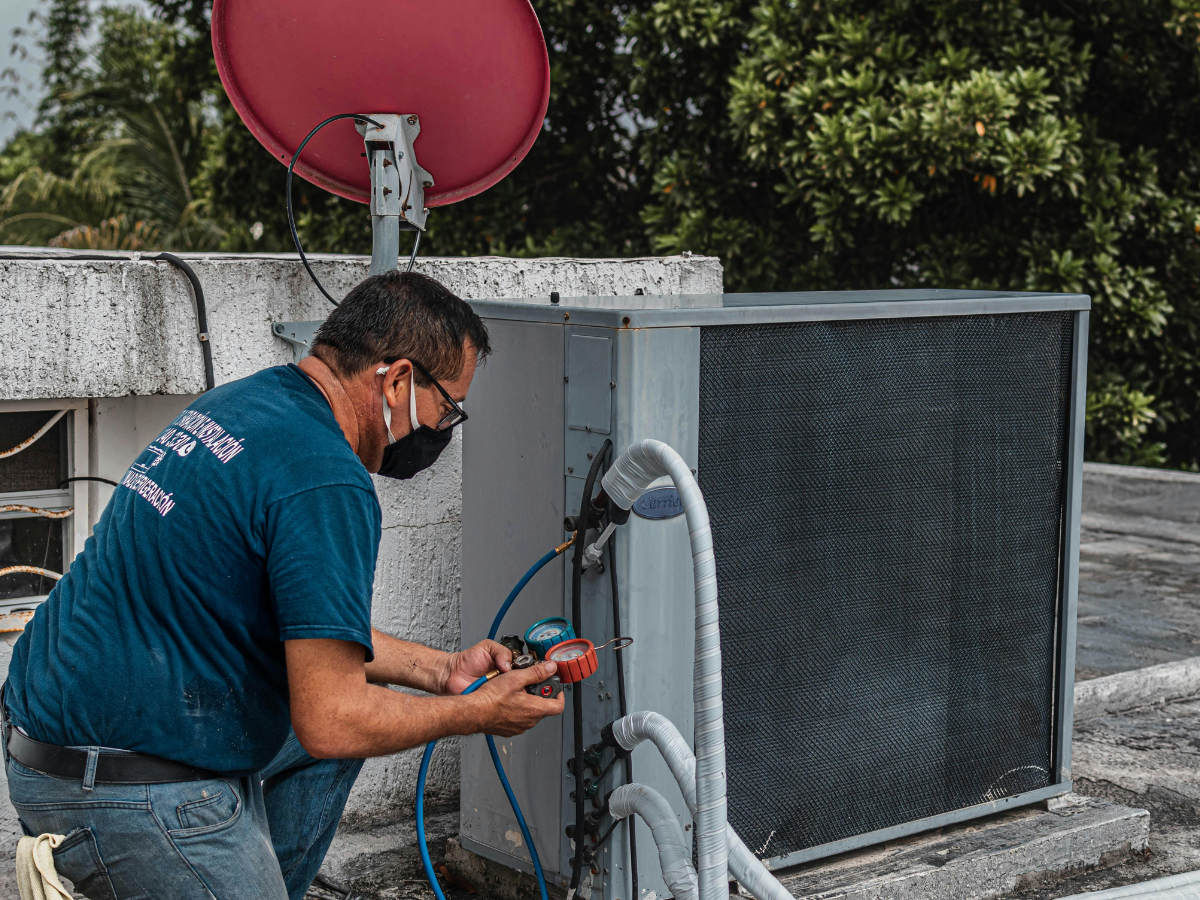
An accurate HVAC airflow calculation is a technical task best left to certified professionals. HVAC technicians use specialized tools for airflow measurement, such as an anemometer or a flow hood, to get precise readings directly from your vents. They use this data along with complex formulas that account for duct size, system capacity, and static pressure to determine the exact CFM.
However, homeowners can get a rough estimate. A simplified formula involves the room's size and the desired number of air changes per hour (ACH), a standard set by organizations like ASHRAE. The formula is: CFM = (Room Volume in Cubic Feet x ACH) / 60
While this provides a basic idea, it doesn't account for critical factors like ductwork design, filter resistance, or system efficiency. For an accurate assessment, professional measurement is necessary.
Standard CFM Requirements for Residential HVAC Units
There is a widely accepted industry guideline for determining the necessary AC airflow capacity. The standard is to provide between 350 and 400 CFM per ton of air conditioning. An AC "ton" is a measure of cooling capacity, where one ton equals 12,000 BTUs (British Thermal Units) of heat removed per hour.
Based on this rule, you can estimate the required CFM for your unit:
- 2-ton AC unit: 800 CFM
- 3-ton AC unit: 1200 CFM
- 4-ton AC unit: 1600 CFM
It's important to remember that this is a general rule. Factors like your home's insulation, window quality, and the overall ac efficiency seer rating can influence the ideal CFM. A professional will consider all these variables when sizing and configuring an HVAC system to maximize performance and longevity.
The Relationship Between CFM and Indoor Air Quality
Proper airflow is directly linked to healthy indoor air quality (IAQ). Your HVAC system's filter is your first line of defense against airborne contaminants like dust, pollen, pet dander, and mold spores. For the filter to work effectively, the system must pull a sufficient volume of air through it. Low CFM reduces the effectiveness of your filtration, allowing more pollutants to recirculate in your home.
Furthermore, adequate ventilation is key to preventing stale, stagnant air. Proper CFM ensures a healthy rate of air exchange, flushing out indoor pollutants and bringing in fresh, clean air. This process is vital for reducing the concentration of volatile organic compounds (VOCs), odors, and excess carbon dioxide, contributing to a healthier living environment.
Factors That Influence CFM in an HVAC System
Several components and conditions can impact your system's ability to achieve the target CFM. Understanding these can help you troubleshoot airflow issues:
- Air Filters: A clogged or dirty air filter is the most common culprit for reduced airflow. It forces the blower to work harder to pull air through, drastically lowering the CFM.
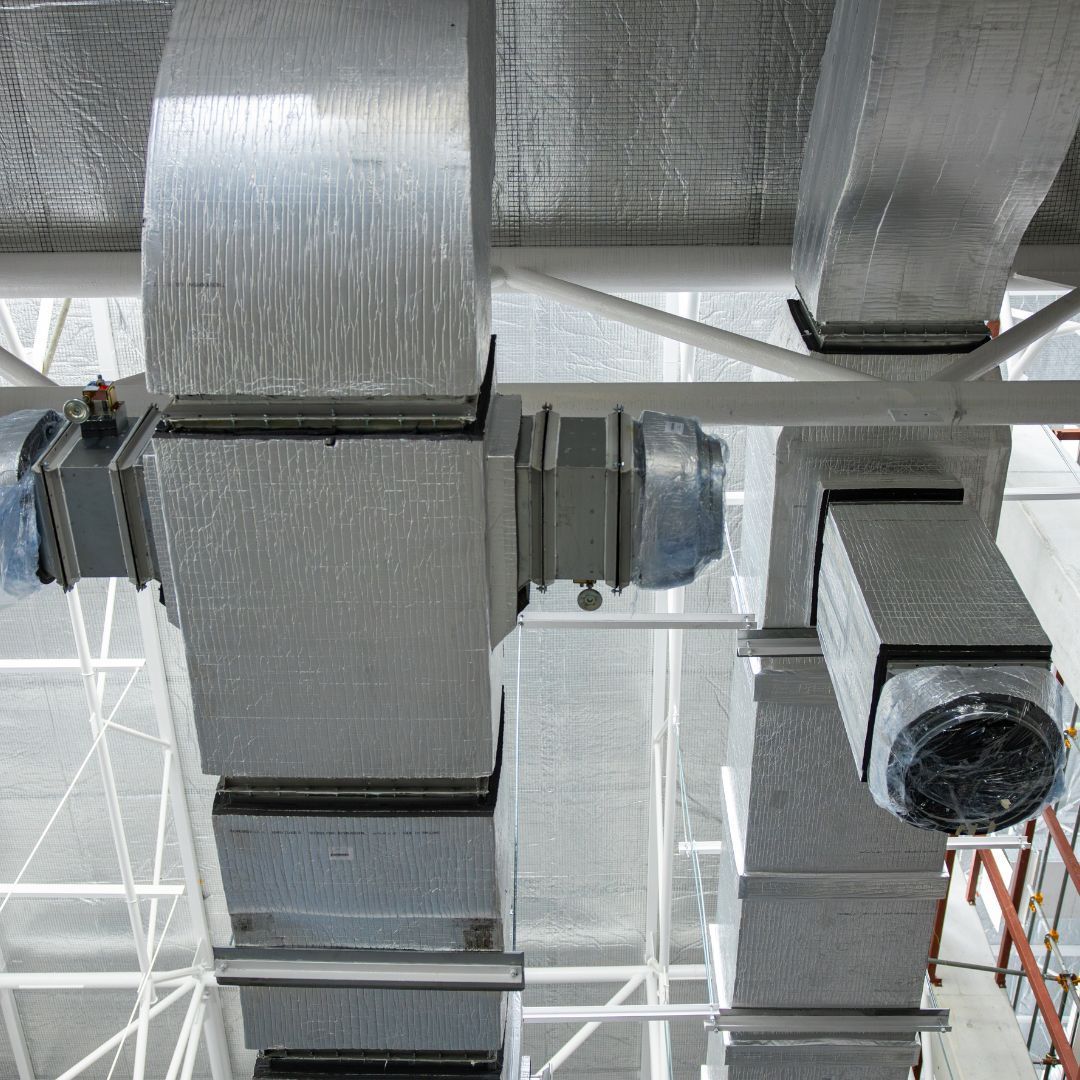
- Ductwork: The design and condition of your ductwork are critical. Leaks, blockages, sharp bends, or improperly sized ducts can severely restrict the air circulation in HVAC systems.
- Blower Fan: The speed setting and condition of the blower motor directly control the airflow. If the motor is failing or set to the wrong speed, CFM will suffer.
- Evaporator Coils: Dirty evaporator coils can obstruct airflow, much like a clogged filter.
- Vents and Registers: Simply having closed or blocked supply and return vents will choke off airflow to certain areas and disrupt the system's balance.
Common Signs of Incorrect CFM Airflow in HVAC Systems
Is your system struggling with its airflow? Look out for these common warning signs:
- Uneven Temperatures: Some rooms are too hot while others are too cold.
- Reduced Airflow from Vents: You can feel weak or minimal air coming from the registers.
- High Humidity: The air feels sticky and damp even when the AC is running.
- Increased Energy Bills: The system runs longer and harder to compensate for poor airflow, consuming more energy.
- Noisy Operation: Whistling or loud noises from vents can indicate airflow is too high or restricted.
- Frozen AC Coils: Ice buildup on your indoor or outdoor unit is a classic sign of low airflow.
Tips to Improve CFM and Optimize HVAC Airflow
If you suspect an issue with your system's CFM, there are several steps you can take:
- Check Your Air Filter: Replace it if it's dirty. Follow the manufacturer's recommendation, typically every 1-3 months.
- Inspect Your Vents: Ensure all supply and return vents are open and not blocked by furniture, rugs, or curtains.
- Clean Your Outdoor Unit: Keep the area around your outdoor condenser free of leaves, grass, and debris.
- Schedule Professional Maintenance: The best way to ensure optimal CFM is with regular professional tune-ups. A technician from Air Master Inc. can clean internal components, measure static pressure, and adjust blower speeds to match your system's requirements.
Frequently Asked Questions
What does CFM stand for in HVAC?
CFM stands for Cubic Feet per Minute. It is the unit of measurement used to quantify the volume of air an HVAC system moves in one minute.
Why is CFM important in HVAC systems?
CFM is critical because it determines how effectively conditioned air is distributed throughout your home. Proper CFM ensures system efficiency, consistent comfort, good indoor air quality, and prevents mechanical failures.
How many CFM are required per ton of AC?
The general industry standard is 350 to 400 CFM for every ton of cooling capacity. For example, a 3-ton air conditioner would typically require around 1200 CFM.
How do HVAC technicians measure CFM?
Technicians use professional tools like an anemometer or a flow hood to take direct airflow measurements at the vents. They combine this with static pressure readings to perform an accurate HVAC airflow calculation.
What happens if CFM is too low?
Low CFM leads to poor heating and cooling, hot and cold spots, reduced energy efficiency, and can cause serious mechanical problems like frozen evaporator coils or an overheated furnace.
Conclusion
Ultimately, maintaining the correct CFM is a balancing act that is essential for your HVAC system's health and your family's comfort. If you're experiencing any signs of poor airflow, don't hesitate to seek professional help. Contact Air Master Inc. today to have a certified technician inspect your system and ensure you are getting the right cubic feet per minute airflow for your home.