BLOGS
Why Your AC Is Leaking Water and How to Fix It
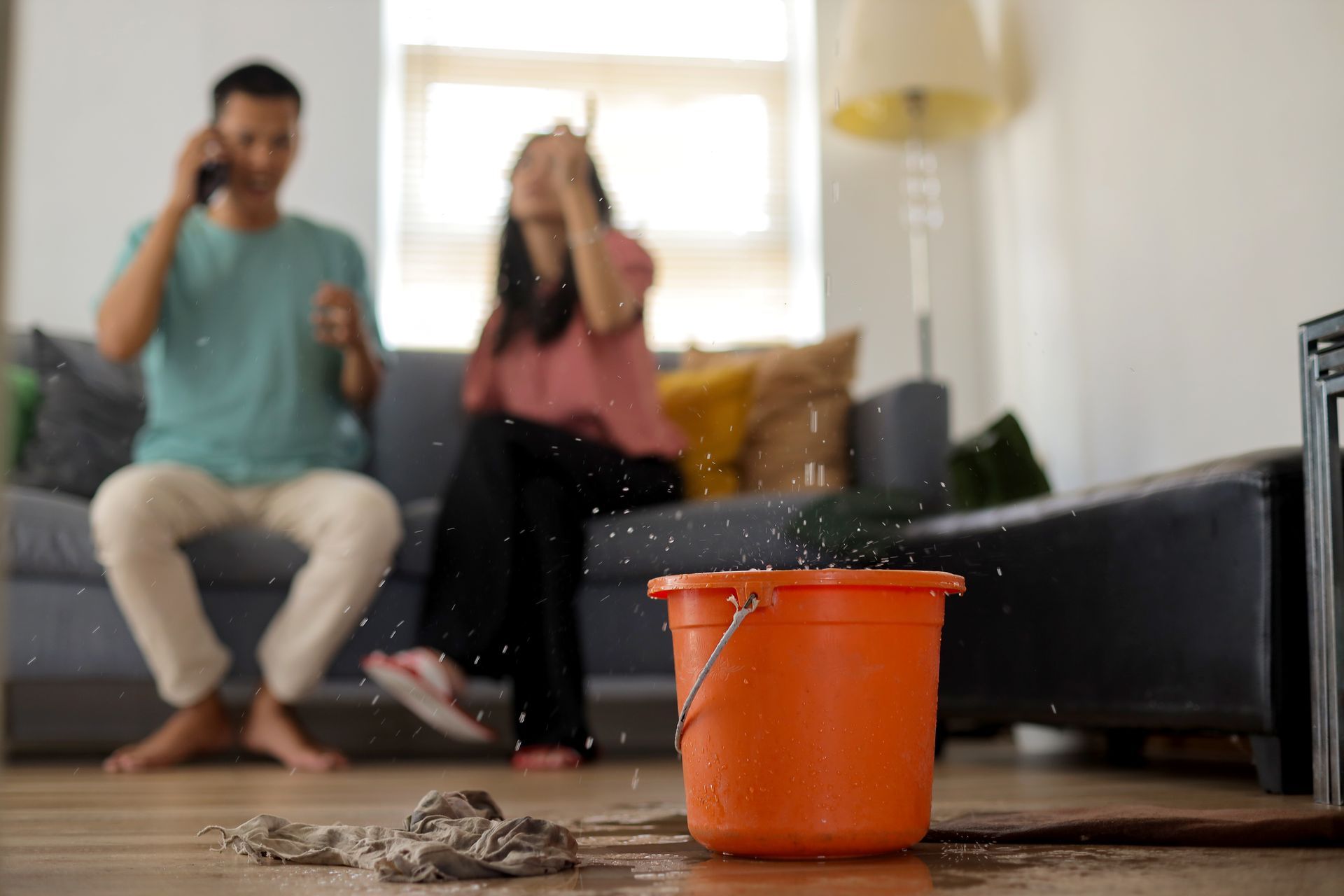
Finding out your AC is leaking water can be a stressful surprise for any homeowner. You might walk into your utility closet and find a puddle, or worse, see water dripping from your ceiling. This is a common problem, but it is one you need to handle quickly to avoid expensive repairs or mold growth in your home.
When your HVAC system starts acting up, it usually points to a maintenance issue that has been overlooked. Whether it is a simple fix you can do yourself or a sign that you need a professional, understanding the "why" behind the leak is the first step to a dry home. To prevent these issues from returning, following a routine list of ac maintenance steps can keep your system running smoothly year-round.
How an Air Conditioner Produces Water During Cooling
It might seem strange that a machine meant to cool air produces so much liquid. This happens because of a process called condensation. Inside your indoor air handler, there is a part called the evaporator coil. This coil stays very cold because of the chemicals in your refrigerant system.
As warm air from your house blows over these cold coils, the moisture in the air turns into liquid water droplets. Think of it like a cold soda can "sweating" on a hot summer day. This water is supposed to fall into a pan and flow out of your house through a pipe. When everything works right, you never even see the water.
Warning Signs Your AC Water Leak Needs Immediate Attention
Not every leak is an emergency, but some signs mean you should act fast. If you notice indoor AC dripping water near electrical outlets or your circuit breaker, turn the system off right away.
Other red flags include:
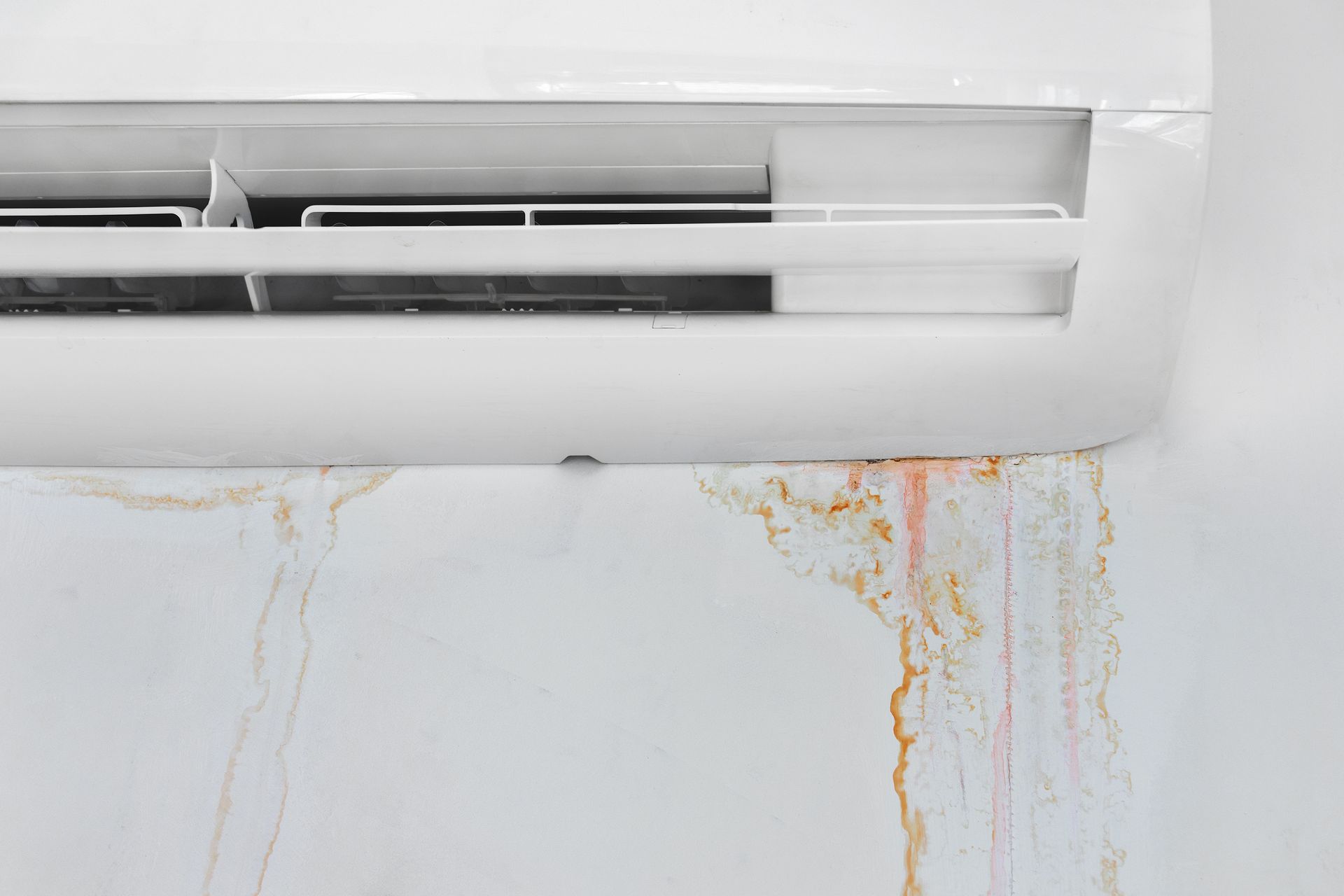
- Water staining on your drywall or ceiling.
- A musty, moldy smell coming from your vents.
- The AC unit constantly turning on and off without cooling the room.
- Ice forming on the copper pipes or the outdoor unit.
Ignoring these signs can lead to structural damage to your house or a total system failure.
Clogged Condensate Drain Line – The Most Common Cause of AC Leaks
An HVAC drain line blockage is the number one reason homeowners see water where it should not be. Since the water coming off your coils is dusty and damp, it can create a sludge of algae, dirt, and debris. Over time, this gunk clogs the small PVC pipe that carries water outside.
When the condensate drain line gets backed up, the water has nowhere to go. It fills up the internal tray and eventually spills over the sides. This leads to a messy air conditioner condensation problem that can soak your carpets or basement floor.
Frozen Evaporator Coil and How It Leads to Water Leakage
A frozen evaporator coil issue is a bit of a trick. You might think ice means the AC is working extra hard, but it actually means something is wrong. When the coil gets too cold, the condensation turns to ice.
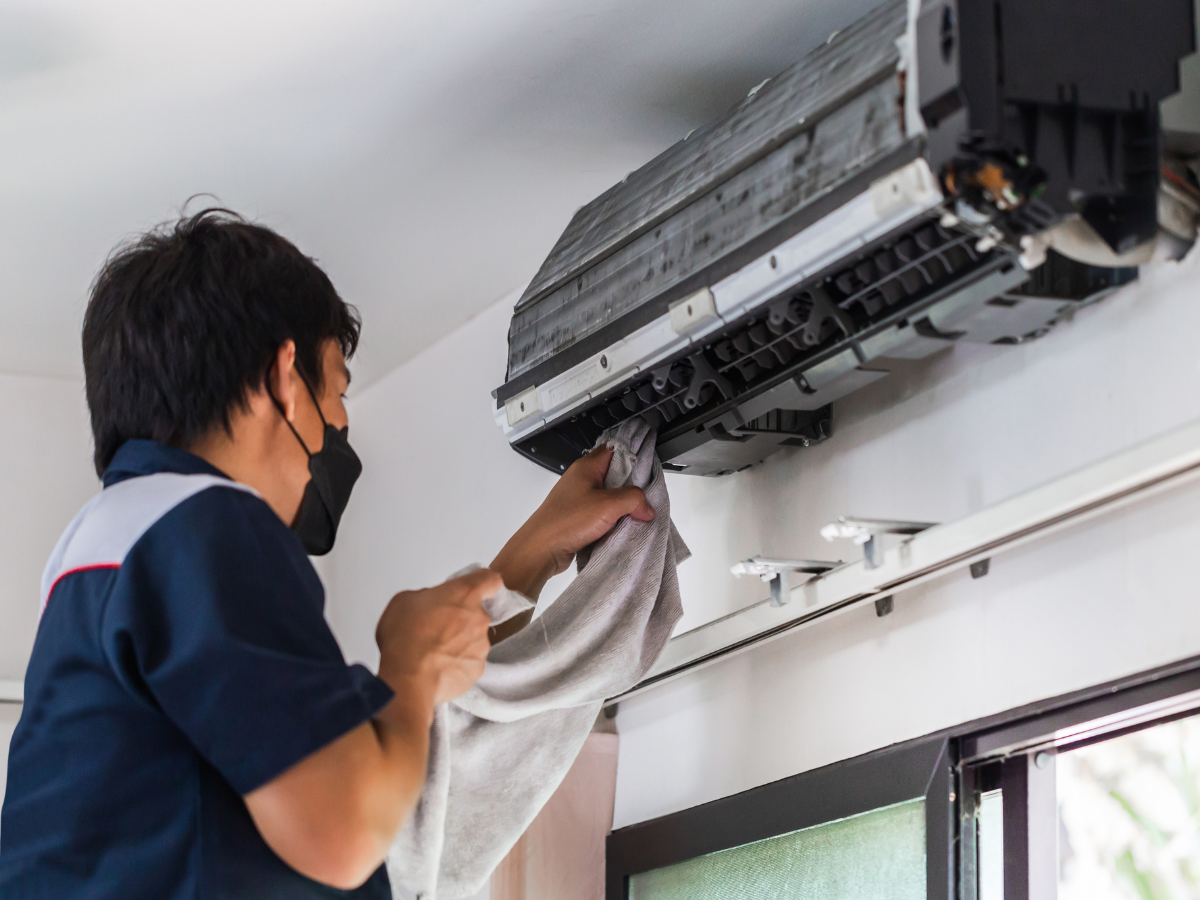
Eventually, that ice starts to melt. Because there is so much ice, the amount of water produced is more than the drain pan can handle. This creates a massive AC drain pan overflow. A frozen coil is usually caused by low refrigerant levels or poor airflow due to grime buildup. Knowing how to clean ac coils properly can prevent this ice buildup and ensure your system breathes correctly.
Dirty Air Filters That Cause Airflow Problems and Leaks
You might not realize that a simple air filter replacement can save your AC. When a filter is clogged with dust, it blocks the air from reaching the coils. Without enough warm air passing over them, the coils get too cold and freeze.
As we mentioned before, a frozen coil leads to a dripping mess. Checking your filter once a month is the easiest way to prevent AC water leakage causes from ruining your afternoon.
Damaged Drain Pan or Faulty Condensate Pump
If your HVAC unit is older, the metal drain pan underneath the coils might have rusted through. If there is a hole in the pan, the water will leak straight through to your floor before it ever reaches the drain pipe.
In some homes, the AC is located in a spot where gravity cannot pull the water outside. These systems use a condensate pump to push the liquid out. If the pump breaks or loses power, the water stays inside and eventually overflows. If your current unit is frequently failing and you are considering a replacement, it is worth researching whether to stick with a traditional setup or switch to a different configuration like ductless or central air to better suit your home’s layout.
Simple DIY Steps to Fix a Leaking AC Unit
Before you panic, there are a few things you can try to stop the leak. Safety first: always turn off the power to your HVAC unit at the thermostat and the breaker box before touching it.
- Check the Filter: If it looks gray or dusty, swap it for a new one. This is often the quickest fix for a failing AC system.
- Clear the Drain Line: You can use a wet/dry vacuum on the end of the drain pipe outside to suck out any clogs.
- Inspect the Pan: Use a flashlight to look for cracks or rust holes in the drain pan.
- Clean the Area: Wipe away any sitting water to prevent mold from growing while you wait for a tune-up service.
- Check for Ice: If you see ice, leave the system off and let it melt completely before trying to run it again.
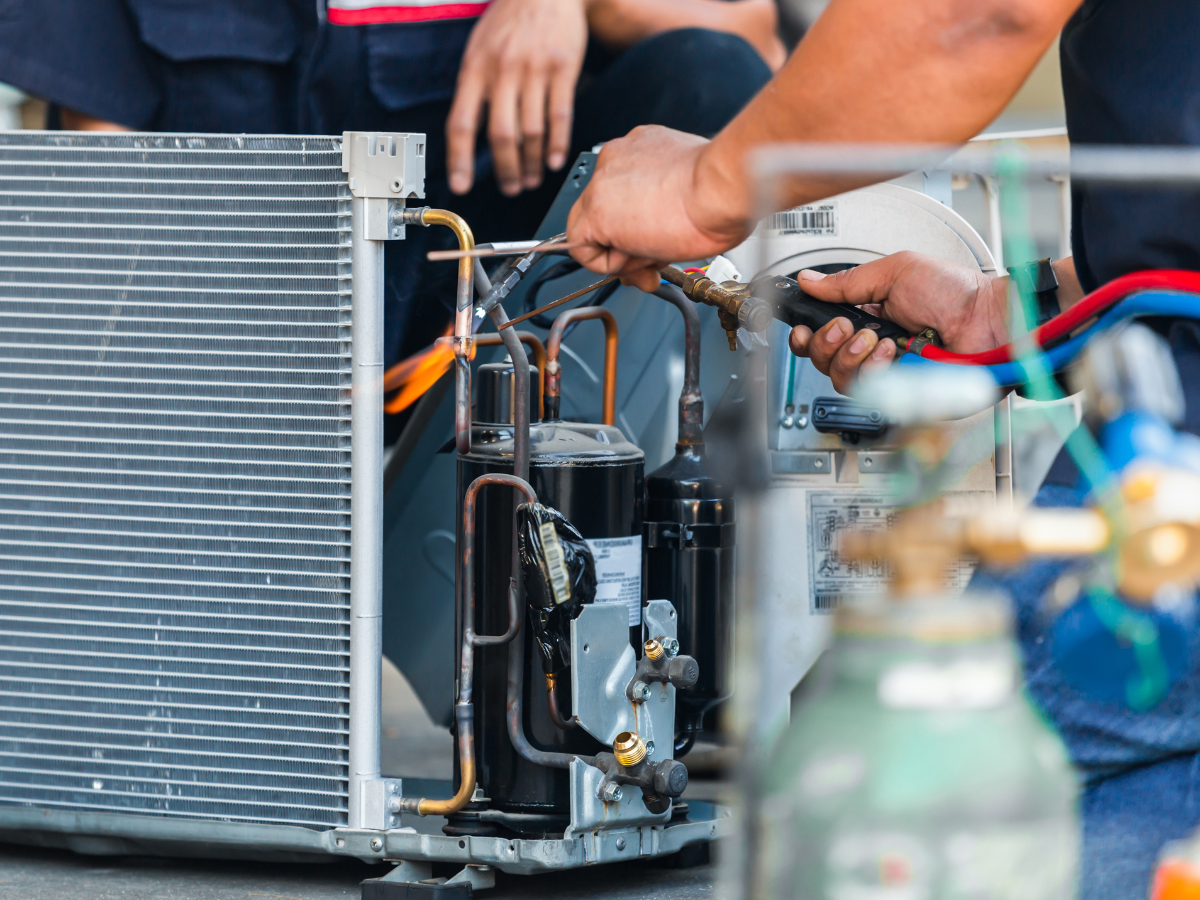
If these steps do not work, it is time to call a professional. You may have arefrigerant leak or a broken internal part that requires special tools to fix.
Frequently Asked Questions
Why is my AC leaking water inside my house?
The most common reasons are a clogged drain line, a dirty air filter that causes the coils to freeze, or a cracked drain pan.
Is water leaking from an AC unit dangerous?
It is not usually an immediate health threat, but it can cause mold and heavy damage to your home’s structure and electronics if left alone.
Can a dirty air filter cause an AC to leak water?
Yes. A dirty filter blocks airflow, which makes the evaporator coil freeze. When that ice melts, it overflows the drain system.
How do I stop my AC from leaking water?
Start by replacing your air filter and clearing any clogs in the PVC drain line using a vacuum or a specialized brush.
Should I turn off my AC if it is leaking water?
Yes. Turning it off prevents more water from building up and protects the electrical parts of your system from shorting out.
Conclusion
Dealing with a situation where your AC is leaking water is never fun, but it is a manageable problem. By staying on top of filter changes and keeping your drain lines clear, you can avoid most leaks. Remember that your air conditioner is a complex system that needs regular care to run efficiently. If you have tried the DIY steps and still see puddles, do not wait for the damage to get worse. Reach out to a professional today to schedule a full inspection and get your home back to being cool and dry.