BLOGS
What Is an ERV in HVAC?
Have you ever considered the quality of the air inside your home? With modern homes being built more airtight for energy efficiency, it's easy to trap pollutants indoors. An ERV is a crucial piece of HVAC ventilation technology designed to solve this problem, ensuring your family breathes fresh, clean air. This system works tirelessly behind the scenes to enhance your home's comfort and health without wasting energy.
What Is an ERV in HVAC Systems?
An ERV, which stands for Energy Recovery Ventilator, is a mechanical ventilation device that provides a constant supply of fresh outdoor air while exhausting stale indoor air. Unlike simply opening a window, an ERV is a balanced ventilation system that manages this air exchange intelligently. Its primary purpose is to improve the indoor air quality (IAQ) by removing pollutants, allergens, and excess carbon dioxide. As part of a whole-house ventilation system, an ERV integrates with your existing HVAC setup to deliver fresh air to every room, making it a cornerstone of modern, healthy living environments.
How does an ERV Works Inside an HVAC System?
The magic of an energy recovery ventilator system lies in its ability to perform a seamless heat and moisture exchange. Operating as a high-efficiency indoor air quality ventilation system, it uses two separate airstreams that never mix. One stream pulls stale, conditioned air from inside your home to be exhausted outside, while the second stream draws in fresh air from the outdoors to be distributed throughout your living space.
As these two airstreams pass each other within the ERV's core, the device acts as an air-to-air heat exchanger. In the winter, it transfers heat from the warm, outgoing stale air to the cold, incoming fresh air, pre-heating it before it enters your home. In the summer, it does the opposite, transferring heat from the hot incoming air to the cool, outgoing air. Crucially, this indoor air quality ventilation system also transfers a portion of the moisture, helping to maintain comfortable humidity levels year-round. This process significantly reduces the energy load on your primary heating and cooling system while ensuring your home stays fresh.
Key Components of an Energy Recovery Ventilator
An ERV is a sophisticated piece of equipment with several critical parts working in unison. Understanding these components helps clarify how the system functions.
- Heat Exchanger Core: This is the heart of the ERV. It's made of a specialized material that allows heat and water vapor to pass between the two airstreams without them ever physically mixing. The efficiency of this core determines how much energy the unit can recover.
- Two Dedicated Fans: An ERV uses two fans to create a balanced ventilation system. One fan is responsible for pulling fresh air into the house, while the other pushes stale air out. This ensures equal air pressure and consistent circulation.
- Air Filters: Every ERV contains filters on both the intake and exhaust airstreams. The filter on the incoming air supply removes dust, pollen, and other pollutants from the outdoor air before it enters your home. The exhaust filter protects the heat exchanger core from getting clogged with indoor dust and particles.
- HVAC Ductwork Integration: The system connects to your home's HVAC ductwork to distribute the fresh, pre-conditioned air throughout the living spaces and to pull stale air from areas like bathrooms and kitchens.
Benefits of Using an ERV in HVAC Systems
Installing an ERV offers a wide range of advantages for homeowners focused on health, comfort, and efficiency.
- Superior Indoor Air Quality (IAQ): By continuously circulating fresh, filtered air, an ERV significantly reduces indoor pollutants like VOCs, allergens, mold spores, and odors. This creates a healthier environment, especially for individuals with allergies or respiratory conditions.
- Significant Energy Savings: Because an ERV pre-heats or pre-cools the incoming air, your furnace or air conditioner doesn't have to work as hard to maintain the desired indoor temperature. This recovery of thermal energy translates directly into lower utility bills.
- Effective Humidity Control System: The ERV's ability to transfer moisture helps regulate indoor humidity. In humid summers, it removes excess moisture from the incoming air. In dry winters, it retains some of the indoor humidity, preventing the air from becoming uncomfortably dry.
- Year-Round Fresh Air: An ERV provides a constant flow of fresh air without the need to open windows, which is inefficient and can introduce noise, pollen, and security risks.
ERV vs HRV: Understanding the Difference
When comparing mechanical options, you’ll likely encounter the HRV (Heat Recovery Ventilator). While an HRV only transfers heat, making it ideal for airtight homes in cold climates, an ERV (Energy Recovery Ventilator) transfers both heat and moisture. This moisture management makes an ERV a more versatile whole-house ventilation system, providing superior comfort in humid summers and dry winters alike. By balancing latent energy, it reduces the strain on your HVAC unit more effectively than an HRV. Choosing the right system depends on your specific local climate and humidity needs.
Where ERV Systems Are Commonly Used
Energy recovery ventilation is becoming a standard feature in many types of buildings, largely due to its effectiveness in modern construction. These systems are commonly found in:
- New Airtight Homes: Modern building practices focus on creating tightly sealed envelopes to maximize energy efficiency. While great for saving energy, this can lead to poor indoor air quality, making a whole-house ventilation system like an ERV essential.
- Homes in Mixed or Humid Climates: In areas with hot and humid summers, an ERV's ability to remove moisture from incoming air is a major advantage, reducing the strain on the air conditioner.
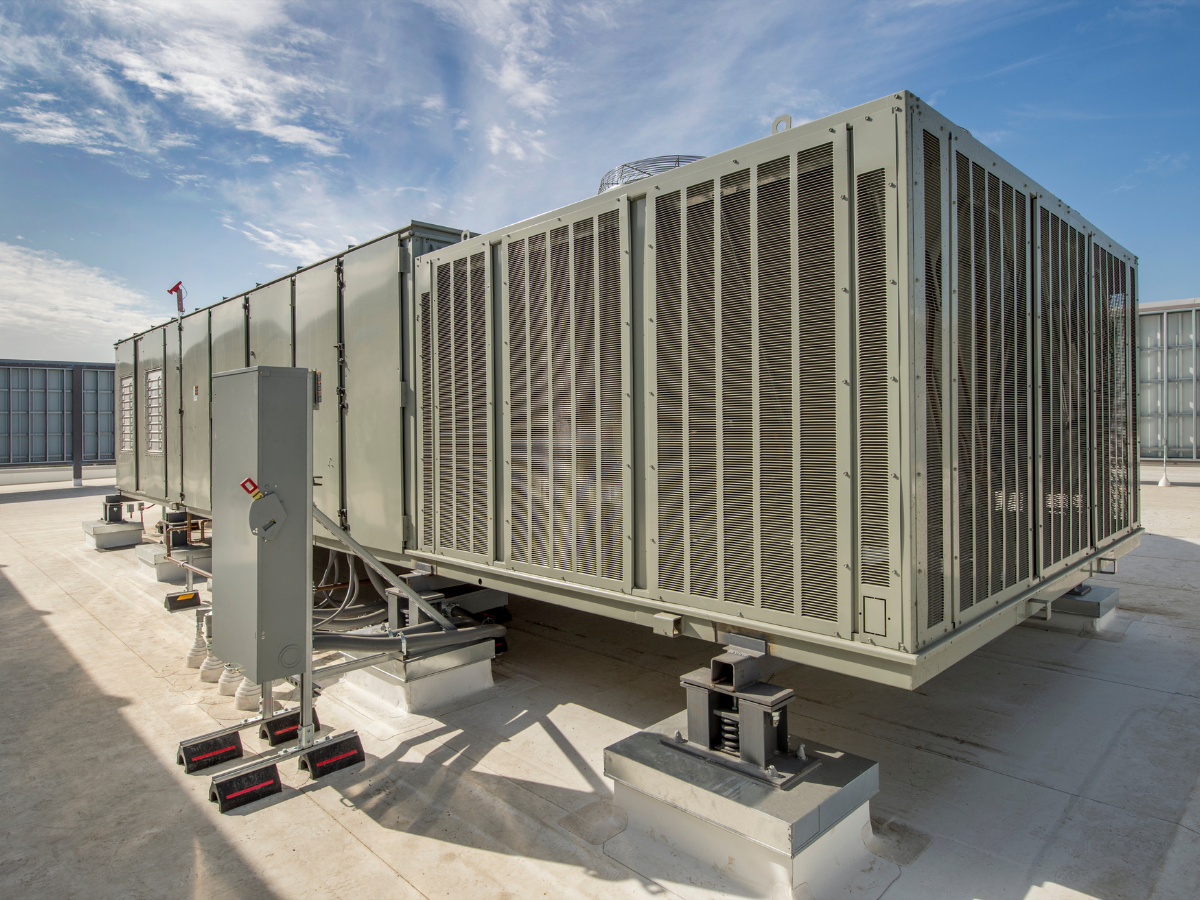
- Commercial and Public Buildings: Schools, offices, and healthcare facilities often use ERVs to comply with building ventilation standards that mandate a specific level of fresh air for occupants.
When Should You Install an ERV System?
You should consider installing an ERV system if you experience any of the following:
- Your home feels stuffy or has lingering odors.
- You notice excessive condensation on windows during the winter.
- Members of your household suffer from allergies, asthma, or other respiratory issues.
- You live in a newer, energy-efficient home that is tightly sealed.
- You are planning a major HVAC upgrade or building a new home.
Common Problems and Maintenance Tips for ERV Systems
To keep your ERV running efficiently, regular maintenance is key. Neglecting it can lead to reduced performance and poor air quality.
- Clean or Replace Filters: This is the most important task. Check your filters every one to three months and clean or replace them as needed. Clogged filters restrict airflow and reduce efficiency.
- Clean the Heat Exchanger Core: The core should be vacuumed gently once a year to remove any dust buildup. Refer to your owner's manual for specific instructions.
- Inspect Exterior Vents: Ensure the intake and exhaust hoods on the exterior of your home are clear of leaves, snow, or other debris.
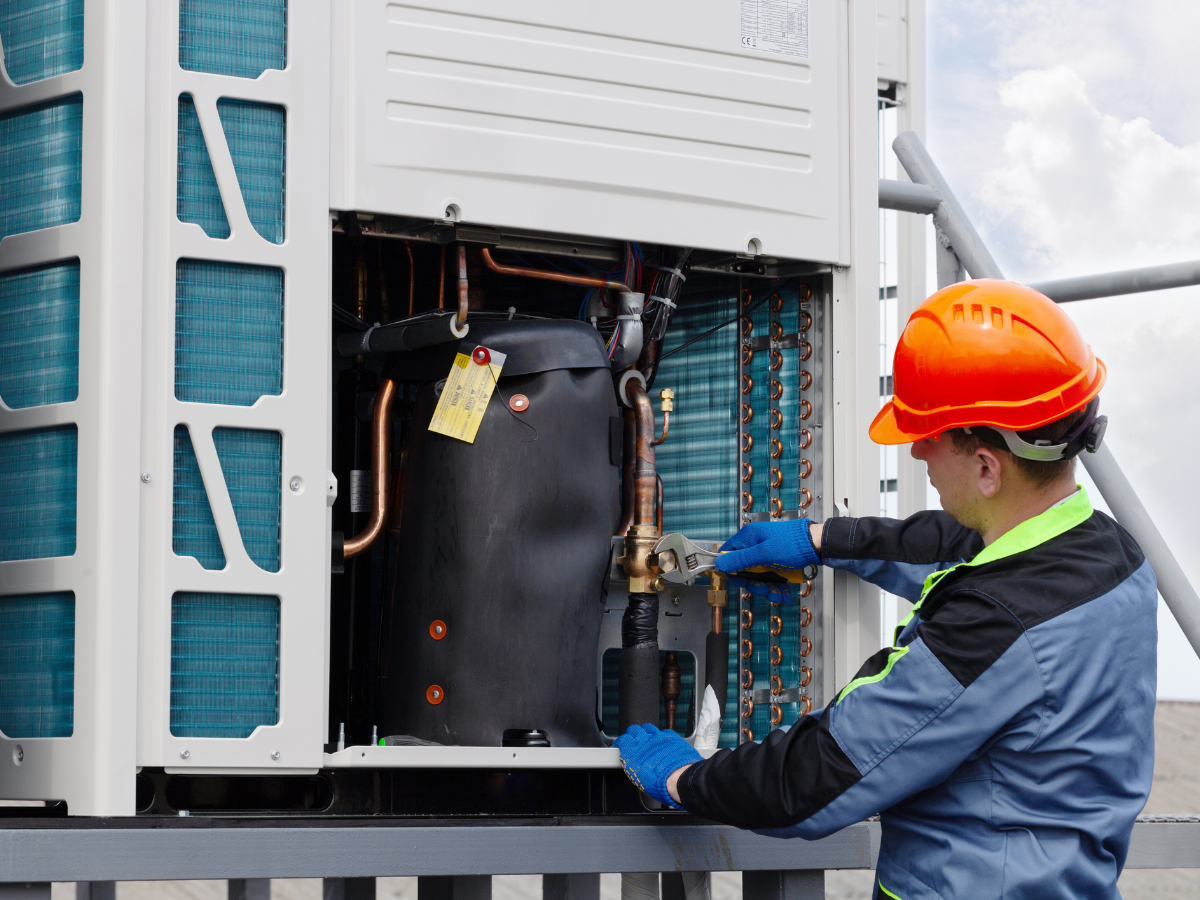
- Schedule Professional Service: Have a qualified HVAC technician, like the experts at Air Master Inc., inspect your ERV annually to check fan operation, balance airflow, and ensure all components are in good working order.
Frequently Asked Questions
What does ERV stand for in HVAC?
ERV stands for "energy recovery ventilator." It's a type of mechanical ventilation system that exchanges indoor and outdoor air while recovering energy.
How does an ERV improve indoor air quality?
An ERV improves indoor air quality by continuously exhausting stale, polluted indoor air and replacing it with fresh, filtered outdoor air. This process removes allergens, VOCs, and other contaminants.
Is an ERV better than opening windows for ventilation?
Yes, an ERV is significantly better. It filters incoming air, recovers energy to save on utility bills, and helps control humidity levels—three things that opening a window cannot do.
What is the difference between an ERV and HRV?
The main difference is moisture transfer. An ERV transfers both heat and moisture, making it ideal for most climates. An HRV only transfers heat, making it suitable for colder climates where excess humidity is a concern.
Do ERV systems save energy?
Yes, ERV systems save considerable energy. By using the temperature of the outgoing air to pre-condition the incoming air, they drastically reduce the workload on your heating and air conditioning system.
Conclusion
An ERV is a powerful tool for any homeowner looking to improve indoor air quality, enhance comfort, and reduce energy consumption. By providing a steady stream of fresh, filtered, and conditioned air, this system creates a healthier and more pleasant living environment. If you're ready to explore the benefits of an advanced HVAC ventilation technology solution, contact the professionals at Air Master Inc. today to find the right ERV for your home.